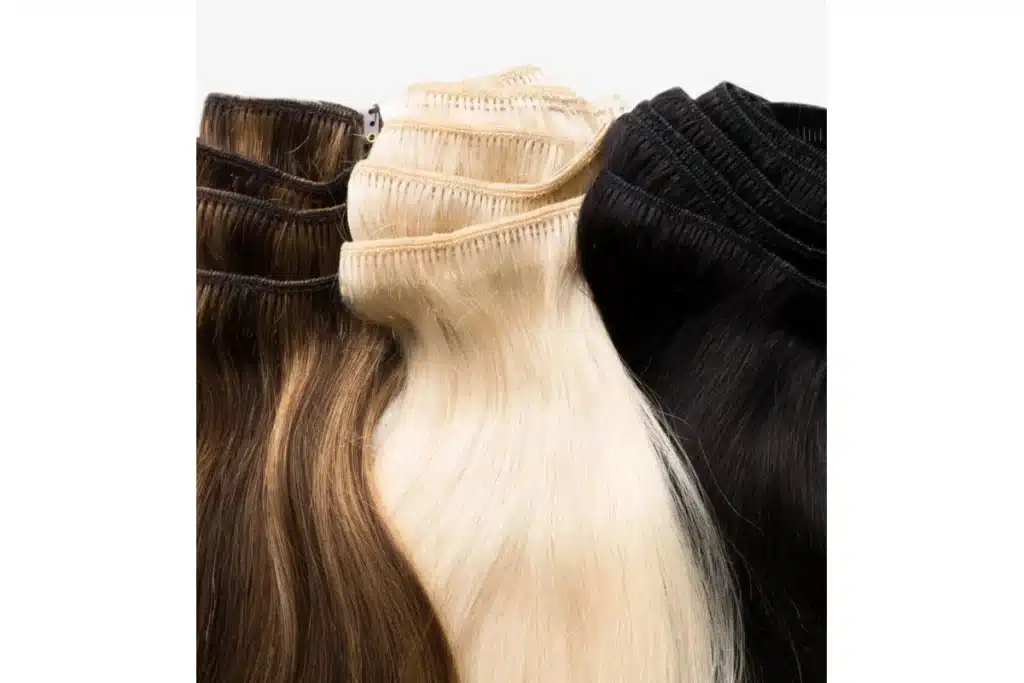
Hair extensions can last a long time, but they do not protect themselves like natural growing hair. Once the hair is cut from the donor, it no longer receives scalp oil, so heat, friction, chemicals, and poor aftercare show damage faster.
The main things that damage hair extensions are harsh chemical processing, poor installation, excessive heat, tight hairstyles, overwashing, wrong products, saltwater and chlorine, sunlight and sunscreen, rough brushing, bad sleeping habits, and poor storage. These problems can cause dryness, tangling, shedding, discoloration, weak bonds, and early replacement.
For salons, this is not only a care topic. It is also a client education topic. Most complaints happen when clients do not understand what the hair can and cannot handle after installation.
What Are the 10 Things That Damage Hair Extensions?
Clients often believe that high-end extensions can withstand anything. But even the best full cuticle hair needs proper protection, because extensions no longer receive natural scalp oils. This makes them more sensitive to friction, heat, and external stress.
The ten key things that damage hair extensions include chemicals, improper installation, heat, tight hairstyles, overwashing, saltwater, chlorine, sunlight, sunscreen, brushing habits, sleeping habits, and storage mistakes.
#1 Harsh Chemicals
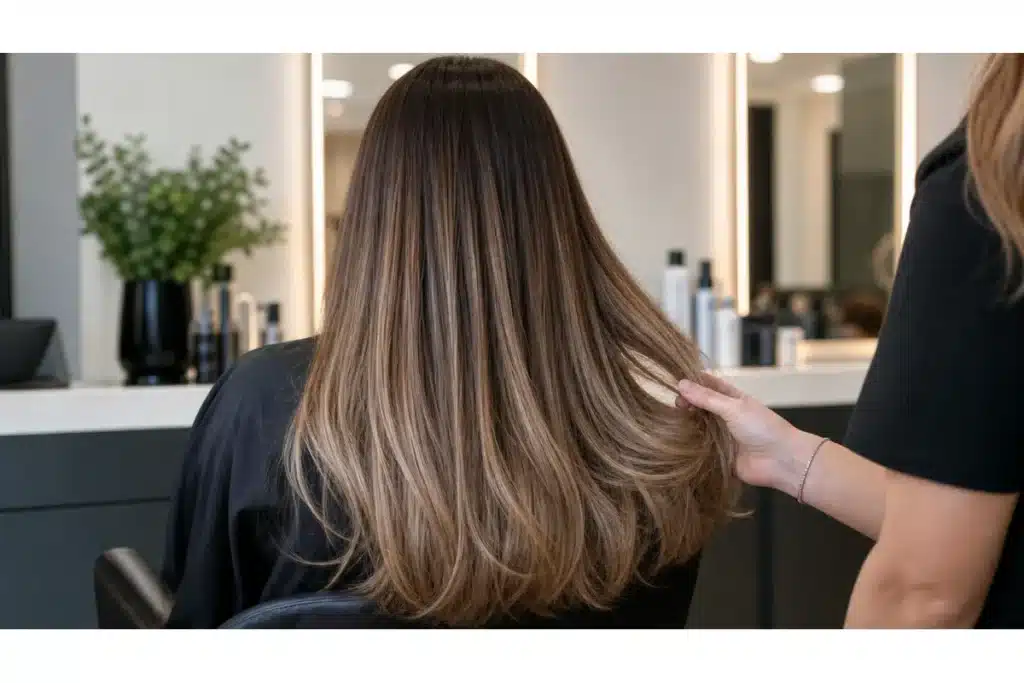
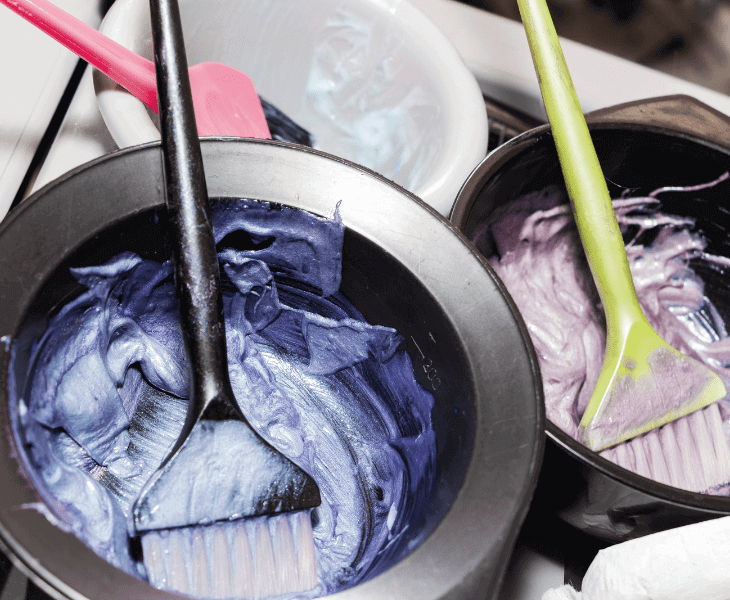
Harsh chemical exposure is one of the fastest ways to damage hair extensions. Extensions often react faster than natural hair because they no longer receive natural scalp oil and may already have gone through color processing.
Common risks include bleach, toner left on too long, perm solutions, keratin smoothing products, alcohol-heavy removers, and aggressive color correction.
Visible result: dryness, rough texture, loss of shine, tangling, brittleness, and mid-shaft breakage.
#2 Improper Installation
Improper installation can damage both the client’s natural hair and the extensions.
Common mistakes include too much tension, installing too close to the scalp, using too much weight on weak hair, poor sectioning, and placing rows or bonds where the natural hair cannot support them.
Visible result: slippage, root breakage, matting near attachment areas, discomfort, shedding, and uneven weight distribution.
Salon note: Many “hair quality complaints” actually start with method mismatch. Fine hair, weak roots, or high-shedding clients need lighter, lower-tension options.
#3 Excessive Heat
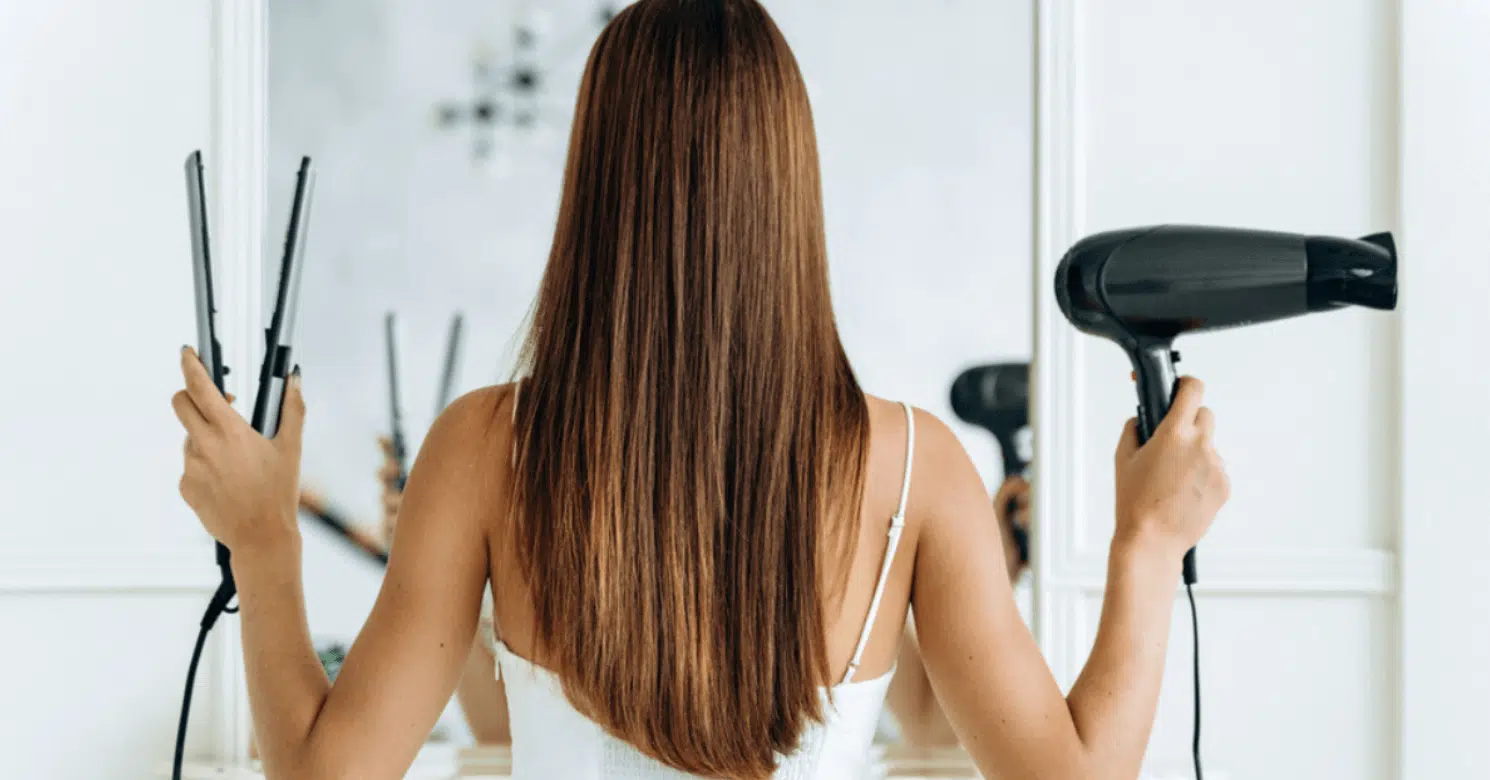
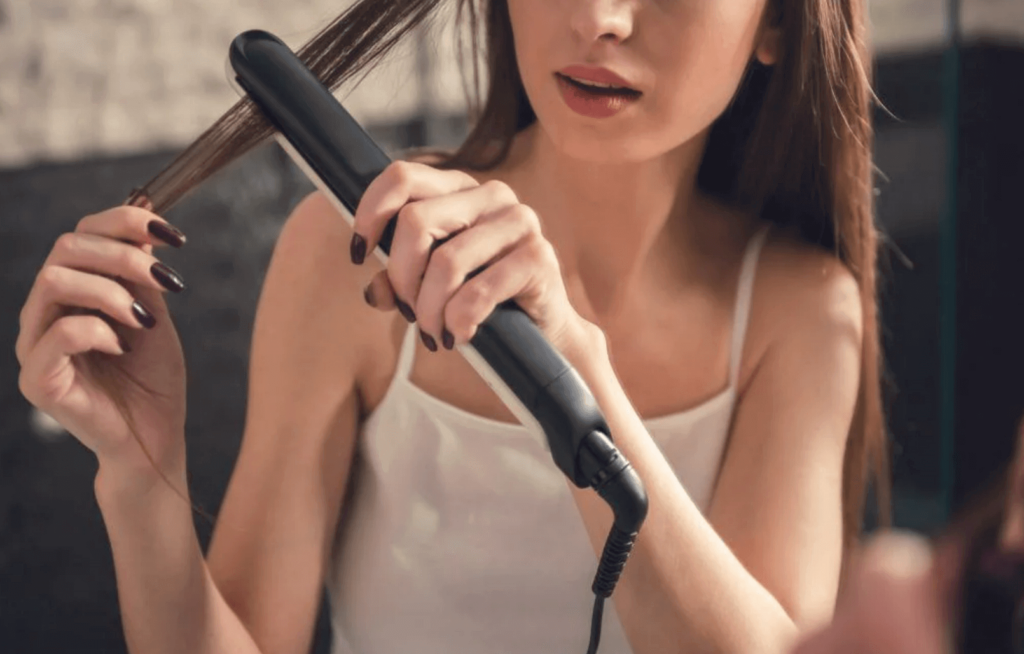
Excessive heat weakens extension hair, especially on lighter colors and heavily styled ends.
High-risk habits include using tools above 200°C / 392°F, flat ironing damp extensions, applying heat directly to tape tabs or keratin bonds, and styling without heat protectant.
Visible result: dry ends, stiffness, white dots, dullness, reduced elasticity, and breakage.
Salon note: Teach clients to use moderate heat and keep hot tools away from adhesive or keratin attachment areas.
#4 Tight Hairstyles
Tight ponytails, slick buns, and repeated high-tension styling can pull on both the natural hair and the extension attachment.
The highest-risk areas are the hairline, sides, crown edges, and nape. These areas usually have finer or weaker natural hair.
Visible result: discomfort, loose bonds, snapped strands, pulling near the roots, and stress around attachment points.
Salon note: Clients with extensions should avoid wearing tight styles every day. Loose ponytails, soft braids, and lower-tension styling are safer.
#5 Over-Washing and Wrong Hair Products
Extensions do not receive natural scalp oils, so washing too often can dry them out faster. The wrong products can make the problem worse.
High-risk habits include washing more than needed, using strong sulfate shampoos, applying conditioner near tapes or bonds, using heavy silicone products, and placing oils too close to adhesive areas.
Visible result: dryness, tangling, dullness, buildup, weakened bonds, sticky roots, and knots near the ends.
Salon note: Recommend sulfate-free, lightweight, extension-safe products. Conditioner and masks should usually stay from mid-lengths to ends.
#6 Saltwater and Chlorine
Saltwater and chlorine can dry out extensions quickly, especially blonde or light-colored hair.
Saltwater pulls moisture from the hair. Chlorine can leave buildup, create rough texture, and sometimes cause discoloration on lighter shades.
Visible result: dryness, sticky feel, tangling, roughness, dullness, and unwanted color changes.
Salon note: Clients should braid extensions before swimming, rinse immediately afterward, and apply proper conditioning care. Swimming should not become a daily habit for extension wearers.

#7 Sunlight and Sunscreen
UV exposure can dry the hair and fade color. Sunscreen can create a second problem, especially on blonde extensions.
Some chemical sunscreen ingredients may react with light blonde extension hair and cause peach, orange, or pink discoloration. This usually happens when sunscreen transfers from hands, shoulders, neck, or spray mist onto the hair.
Visible result: dryness, dullness, fading, peachy tones, pink tones, or orange discoloration.
Salon note: For blonde extension clients, recommend mineral-based sunscreens such as zinc oxide or titanium dioxide and keep sunscreen away from the hair where possible.
#8 Poor Brushing Techniques
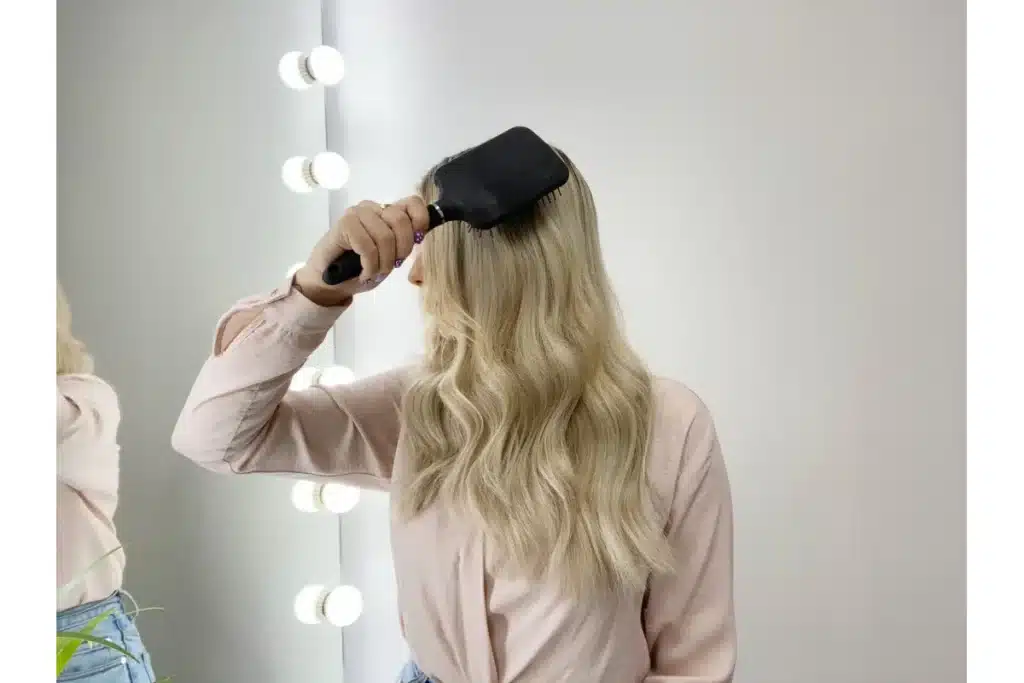
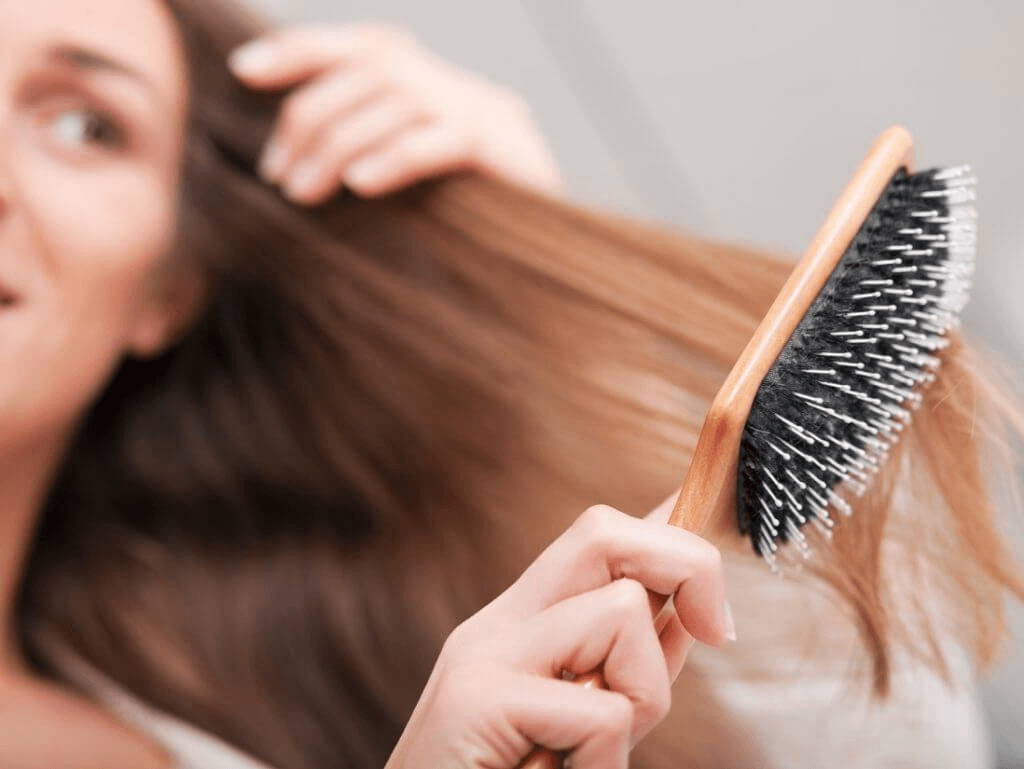
Rough brushing is one of the most common causes of shedding, snapping, and loose attachments.
Common mistakes include brushing from roots to ends, pulling through tangles, using the wrong brush, brushing aggressively when wet, and not supporting the attachment area.
Visible result: shedding, mid-shaft breakage, weak bonds, loose tapes, and frizzy ends.
Salon note: Clients should brush from the ends upward while supporting the roots or attachment area with one hand.
#9 Bad Sleeping Habits
Night friction can damage extensions faster than clients expect.
High-risk habits include sleeping with loose hair, sleeping on cotton pillowcases, going to bed with wet extensions, and letting long hair rub against the shoulders and back all night.
Visible result: nape matting, tangling, dryness, rough ends, and friction damage.
Salon note: Recommend a loose braid or low ponytail before sleep, dry roots, and a silk or satin pillowcase.
#10 Storage Mistakes
Temporary extensions such as clip-ins, halos, and ponytails can be damaged when they are stored badly.
Common mistakes include putting them into drawers without brushing, storing them damp, folding wefts sharply, leaving clips tangled, or exposing them to heat and sunlight.
Visible result: creasing, tangling, dryness, shedding, and loss of shape.
Salon note: Temporary extensions should be brushed, fully dried, and stored flat or in a silk bag after use.
Damage Category Summary
| Cause | Main Risk | Visible Result | Salon Fix |
|---|---|---|---|
| Chemicals | Cuticle stress | Dryness and breakage | Strand test before coloring |
| Poor installation | Tension or slippage | Root stress and matting | Match method and weight to client hair |
| Heat | Protein and moisture loss | Stiff ends and brittleness | Use moderate heat and protectant |
| Tight styles | Constant pulling | Loose bonds and discomfort | Recommend low-tension styles |
| Overwashing | Dehydration | Tangles and dullness | Use gentle routine |
| Saltwater / chlorine | Moisture loss and buildup | Roughness and color change | Rinse and condition after exposure |
| Sun / sunscreen | UV dryness and chemical reaction | Fading or peachy tones | Avoid chemical sunscreen transfer |
| Poor brushing | Pulling | Shedding and snapped strands | Brush ends upward |
| Bad sleep habits | Friction | Nape matting | Braid loosely and dry before sleep |
| Poor storage | Compression and tangling | Creases and shedding | Store clean, dry, and flat |
What Are Signs of Extension Damage?
Stylists should identify damage early before the client reaches the point of heavy matting, slipping, or replacement.
| Sign | What It May Mean | What to Check First |
|---|---|---|
| Rough, dry texture | Dehydration, heat, or chemical stress | Heat habits, shampoo, color history |
| Excessive matting | Friction or missed maintenance | Sleep habits, brushing, move-up timing |
| Shedding and breakage | Rough brushing or weak hair fiber | Brush type, detangling method, product quality |
| Slipping or loose bonds | Oil, conditioner, poor seal, or tension issue | Product use near roots and installation |
| Sticky tape tabs | Heat, oil, or adhesive breakdown | Tape quality and aftercare |
| Color fading or change | UV, sunscreen, chlorine, or over-toning | Outdoor exposure and product contact |
| Split or thin ends | Dryness and long wear | Trim, hydration, or replacement need |
How to Get Hair Extensions Silky Again
Mild dryness can often be improved with moisture, lower heat, better brushing, and a cleaner care routine. Severe chemical damage, heavy matting, or broken cuticles may not fully recover.
To make hair extensions feel smoother again, focus on hydration, friction control, heat reduction, and trimming damaged ends.
Step 1: Use a Hydrating Mask
Apply a rich mask from mid-lengths to ends. Avoid tapes, bonds, beads, and roots.
Step 2: Switch to Sulfate-Free Shampoo
Strong shampoos can strip moisture and make extension hair feel rough faster.
Step 3: Use Leave-In Conditioner
A lightweight leave-in helps reduce friction during brushing and daily wear.
Step 4: Apply Lightweight Oil on Ends
Argan, jojoba, or similar lightweight oils can help seal the ends. Keep oils away from tapes and bonds.
Step 5: Reduce Heat
Lower the tool temperature and avoid daily heat styling where possible.
Step 6: Brush Gently
Start from the ends and work upward. Support the attachment area with one hand.
Step 7: Trim Dry Ends
A small trim can remove rough ends and make extensions feel smoother.
Step 8: Reduce Washing Frequency
Overwashing can dry extensions faster. Most clients do better with a controlled wash routine instead of daily washing.
| Action | Benefit |
|---|---|
| Hydrating mask | Improves softness |
| Leave-in conditioner | Reduces friction |
| Lightweight oil on ends | Helps seal dryness |
| Heat control | Reduces brittleness |
| Gentle brushing | Reduces breakage |
| Less frequent washing | Helps preserve moisture |
| Small trim | Removes dry ends |
What Stylists Should Check Before Blaming the Hair
When extensions become dry, tangled, or loose, the cause is not always simple. Stylists should check the full chain before deciding whether the issue is product quality, installation, or aftercare.
| Problem | Possible Cause | What to Check |
|---|---|---|
| Dryness after first wash | Coating, harsh shampoo, or poor hair quality | Wash test and product routine |
| Tangling near roots | Poor brushing, sleeping habits, or missed move-up | Maintenance timing |
| Slipping tapes | Oil, conditioner, sweat, or weak adhesive | Product use near roots |
| Breakage at attachment | Too much tension or rough brushing | Section size and placement |
| Color change on blonde hair | Sunscreen, chlorine, or UV exposure | Outdoor product contact |
| Heavy shedding | Construction issue or aggressive brushing | Weft, tip, or bond quality |
For salons and hair brands, this table is useful for after-sales communication. It helps separate real product defects from care or installation problems.
Product Quality Also Affects Damage Risk
Client habits matter, but product quality still matters.
Low-quality hair may dry faster, tangle sooner, or lose softness after a few washes. Poor tape adhesive may slip or turn sticky. Weak weft stitching can shed. Hard keratin bonds may feel uncomfortable or remove poorly.
For professional buyers, sample testing should include washing, brushing, heat styling, color checking, and installation testing. The goal is not only soft hair on opening day. The goal is stable performance after real salon use.
Buyers who want to understand long-term softness can read our guide to full cuticle hair.
My View
From a manufacturer’s point of view, most extension damage comes from a mix of product choice, installation control, and daily habits.
Good hair gives the stylist a safer starting point, but it cannot survive harsh bleach, high heat, chlorine, rough brushing, or poor maintenance forever. Even full cuticle hair needs protection because it no longer receives natural oil from the scalp.
The best salons do not wait for complaints. They teach clients what causes damage before the install, then use the right method, weight, and aftercare plan for each client.
FAQs About Hair Extension Damage
Do hair extensions get damaged easily?
They can, especially when exposed to heat, friction, harsh chemicals, chlorine, sunscreen, or poor brushing. High-quality hair still needs proper care.
Why do my hair extensions feel dry?
Extensions may feel dry because they do not receive natural scalp oils. Heat styling, overwashing, saltwater, chlorine, and harsh products can make dryness worse.
Can damaged hair extensions be repaired?
Mild dryness can often be improved with masks, leave-in conditioner, lower heat, and trimming. Severe chemical damage or heavy matting may require replacement.
Why are my blonde extensions turning peach or pink?
This can happen when some chemical sunscreen ingredients transfer onto light blonde extensions. Chlorine, minerals, and UV exposure may also affect color.
Why are my tape-in extensions slipping?
Tape-ins may slip because of oils, conditioner, sweat, heat, poor installation, or weak adhesive. Products should stay away from tape tabs.
How often should clients wash hair extensions?
Many clients do well washing once or twice per week, depending on scalp oil, lifestyle, and method. Overwashing can dry extensions faster.
Can I sleep with wet hair extensions?
No. Sleeping with wet extensions can cause matting, tangling, and root-area friction.
How long should high-quality hair extensions last?
Lifespan depends on hair quality, method, color level, installation, care, and maintenance. Full cuticle hair usually has stronger long-term performance when cared for correctly.
Conclusion
Hair extensions are damaged most often by chemicals, heat, friction, poor installation, wrong products, saltwater, chlorine, sunscreen, rough brushing, bad sleeping habits, and poor storage.
For salons, prevention is easier than repair. The safest approach is to choose the right method and weight for the client, explain aftercare clearly, and check early warning signs before the damage becomes severe.
You can contact Hibiscus Hair to request product recommendations or samples for clients who need softer, lower-tension, or longer-lasting extension options.