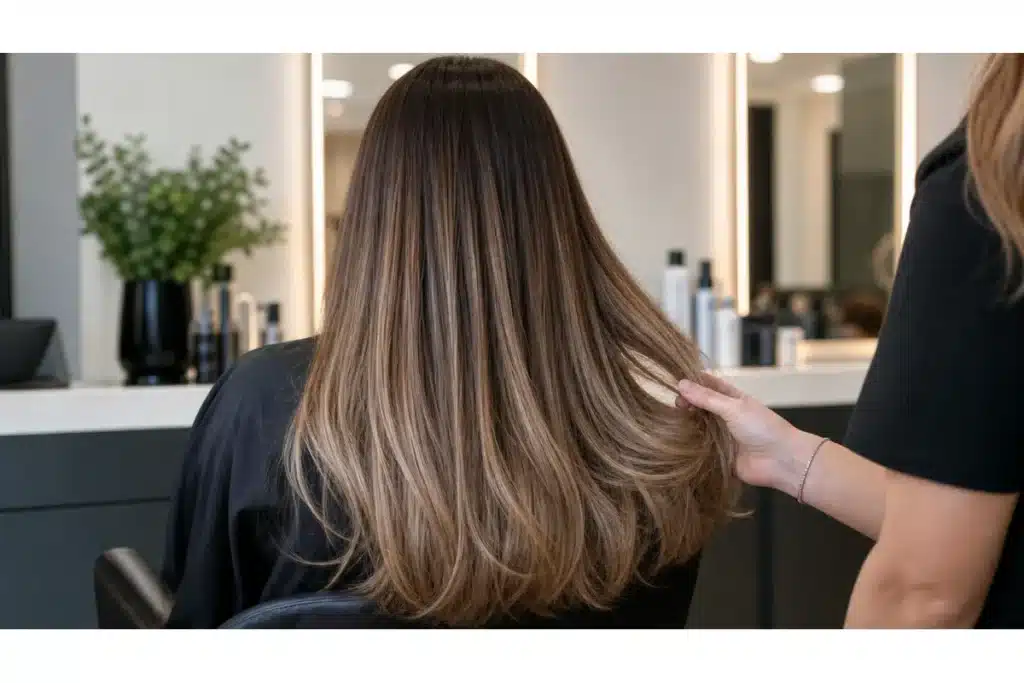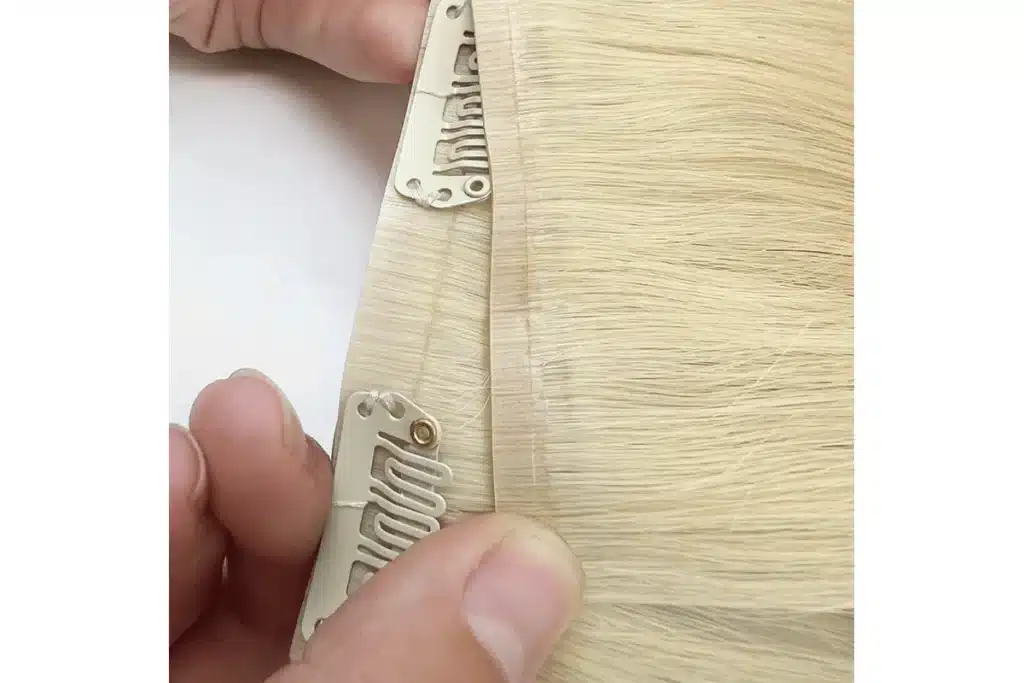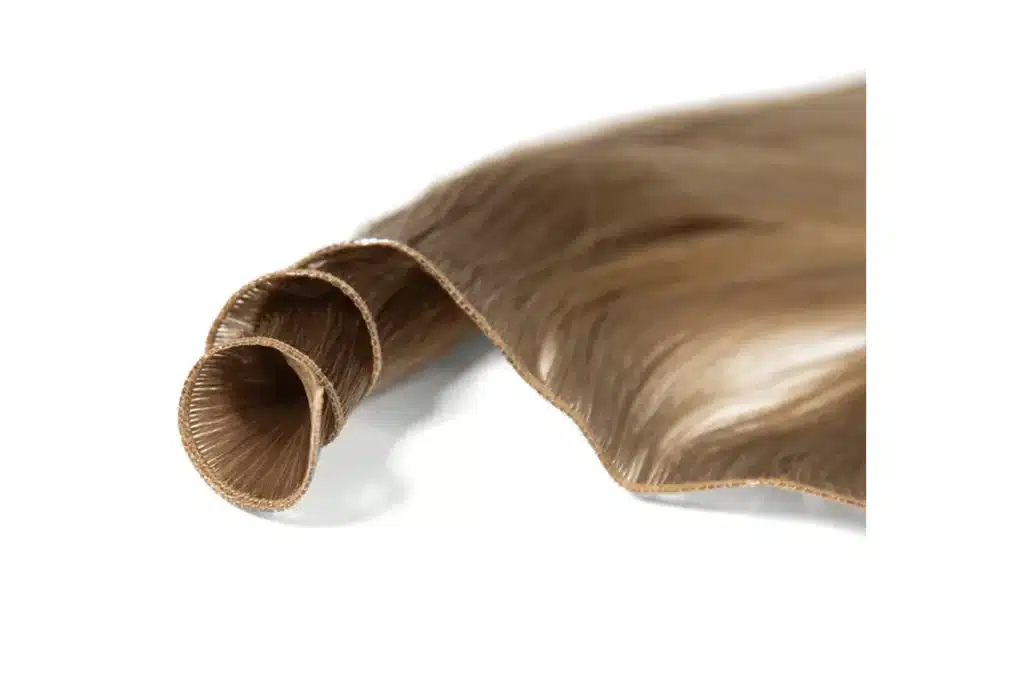
Short hair can look amazing with extensions. But short hair is also the easiest place to expose a bad method choice. If the attachment is too bulky, the blend is too weak, or the placement is wrong, the result looks obvious very fast.
The best short hair extensions usually depend on the customer’s haircut, density, and blending goal. In most salon cases, K tip extensions work best for precise blending on short hair, while tape-ins can work very well on suitable short hair when enough perimeter coverage and correct placement are possible.
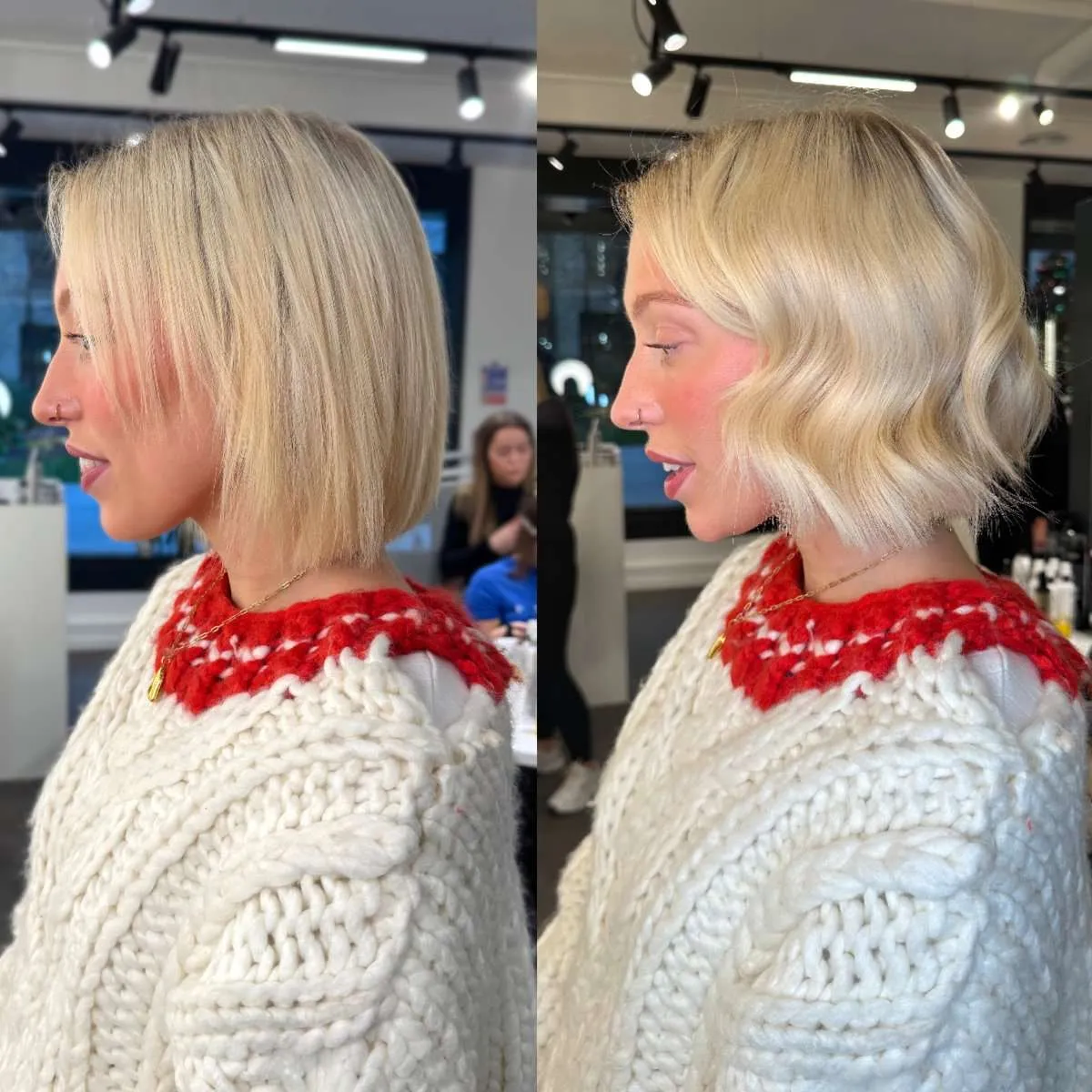
From my point of view, this is not a question with one universal answer. I do not choose the best method by trend. I choose it by how well the method can hide the connection points and blend the customer’s shorter natural hair into the added length.
Why Is Short Hair Harder to Match With Extensions?
Many people think short hair only needs more added length. That is not the real challenge. The bigger challenge is blending the short natural perimeter into the new shape without showing the attachment area.
Short hair is harder to match with extensions because the natural hair has less length to cover the attachment points, and the blend line is more exposed around the perimeter, nape, and sides.
Coverage Is Harder With Less Natural Length
When the natural hair is short, there is less hair available to hide the extension connection points.
The Blend Line Becomes More Visible
The shorter the natural cut, the easier it is to see where the real hair ends and the extension length begins if the method is not chosen carefully.
Placement Matters More Than Usual
Short-hair extension work is not only about the method. It is also about placement strategy, section balance, and haircut finishing. general hair extension integration methods and how they attach to natural hair[^1]
| Short Hair Challenge | Why It Matters |
|---|---|
| Less coverage at the root area | Harder to hide attachments |
| Visible perimeter | Blend errors show faster |
| Heavier contrast in length | Requires smarter method choice |
| Limited layering space | Less room for mistakes |
This is why I never answer this topic with a simple “method A is always best.” Short hair changes the whole blending logic. A method that looks beautiful on shoulder-length hair may look too visible on a short bob or a short layered cut.
So before I choose the extension type, I first ask:
- how short is the customer’s natural hair?
- where is the strongest density?
- how exposed are the sides and nape?
- does the client want more volume, more length, or both?
Those questions usually decide the method better than marketing does.
Do K Tip Extensions Work Best on Short Hair?
In many professional cases, yes. This is the method I most often see work well when the short haircut needs more flexible and more precise blending.
K tip extensions often work best on short hair because they are installed strand by strand, which gives more placement control and makes blending easier in shorter and more uneven natural hair areas.
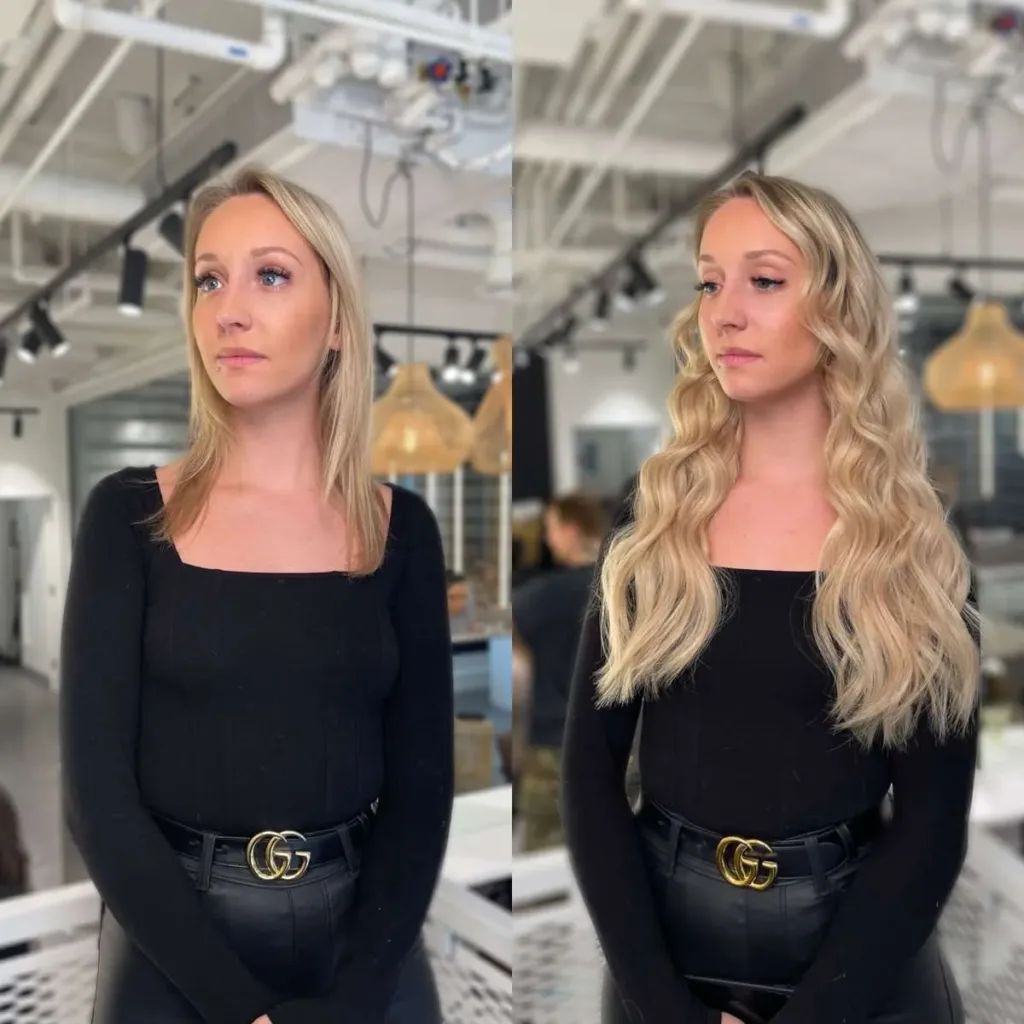
K Tip Gives More Placement Precision
Because the bonds are installed individually, I can work more carefully around shorter layers, side areas, and the crown.
K Tip Can Create a Softer Transition
Short hair often needs a more detailed blend instead of wide attachment sections. K tip gives that level of control.
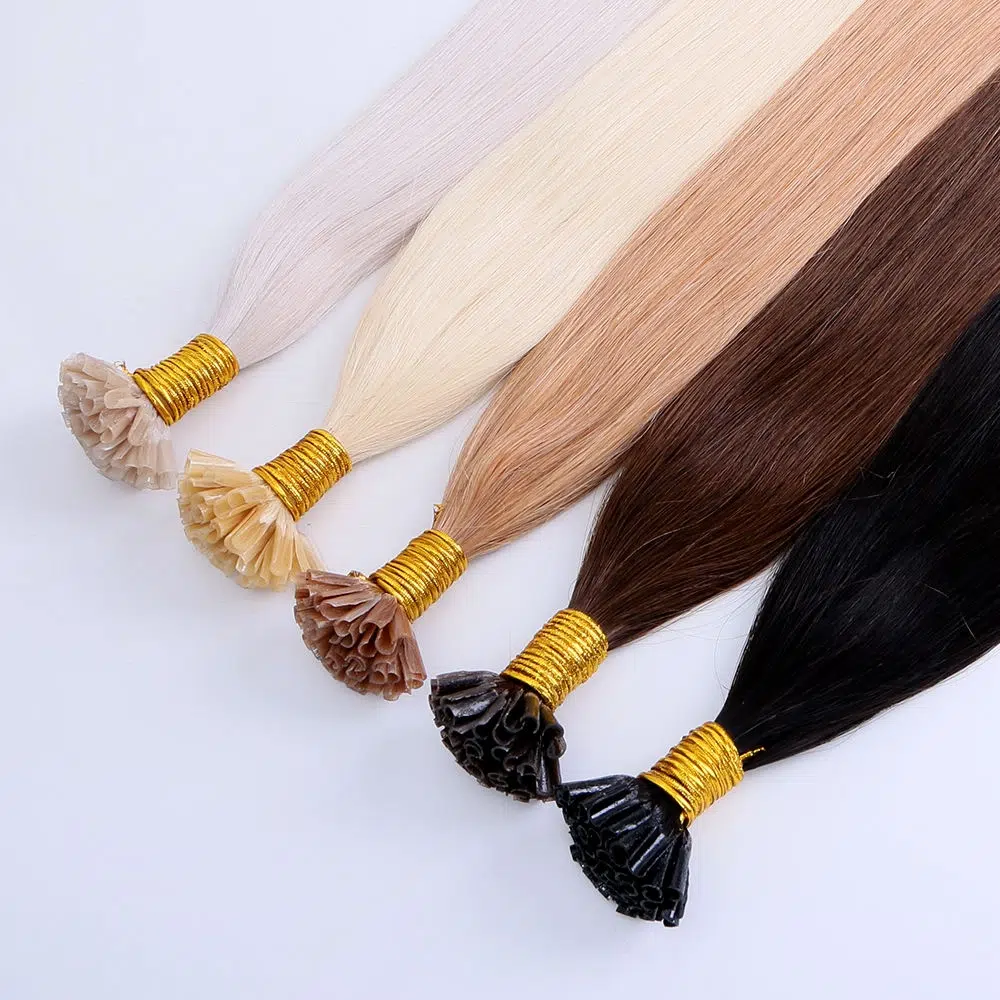
K Tip Usually Fits Customers Who Want Stronger Blending
If the goal is to hide the extension logic more carefully in a shorter haircut, strand-based placement is often a strong advantage. how keratin bond extensions are applied step by step[^2]
| K Tip Advantage on Short Hair | Why It Helps |
|---|---|
| Strand-by-strand placement | Better detail control |
| Flexible sectioning | Helps with irregular haircut shapes |
| Smaller visible units | Easier to hide in short areas |
| Better transition control | Improves the final blend |
This does not mean K tip is automatically the answer for every short-haired client. But when you need maximum control, it is often one of the strongest choices. Short hair rarely forgives bulky attachment logic. That is why a more individualized method can perform so well.
I especially suggest K tip for customers whose short haircut has movement, internal layers, or a perimeter that needs careful softening into the extension length. The method gives me more freedom to design the blend instead of forcing the haircut to adapt to a panel system.
Can Tape-in Extensions Work Well on Short Hair?
Yes, but only when the short haircut gives enough support and enough coverage to hide the tape tabs properly. Tape-ins can look very good on short hair, but they are less forgiving when the haircut is extremely short or too exposed around the perimeter.
Tape-in extensions can work very well on short hair when the customer has enough natural length and density to cover the tabs. They are often best for short hair that is closer to bob length rather than very short layered cuts.
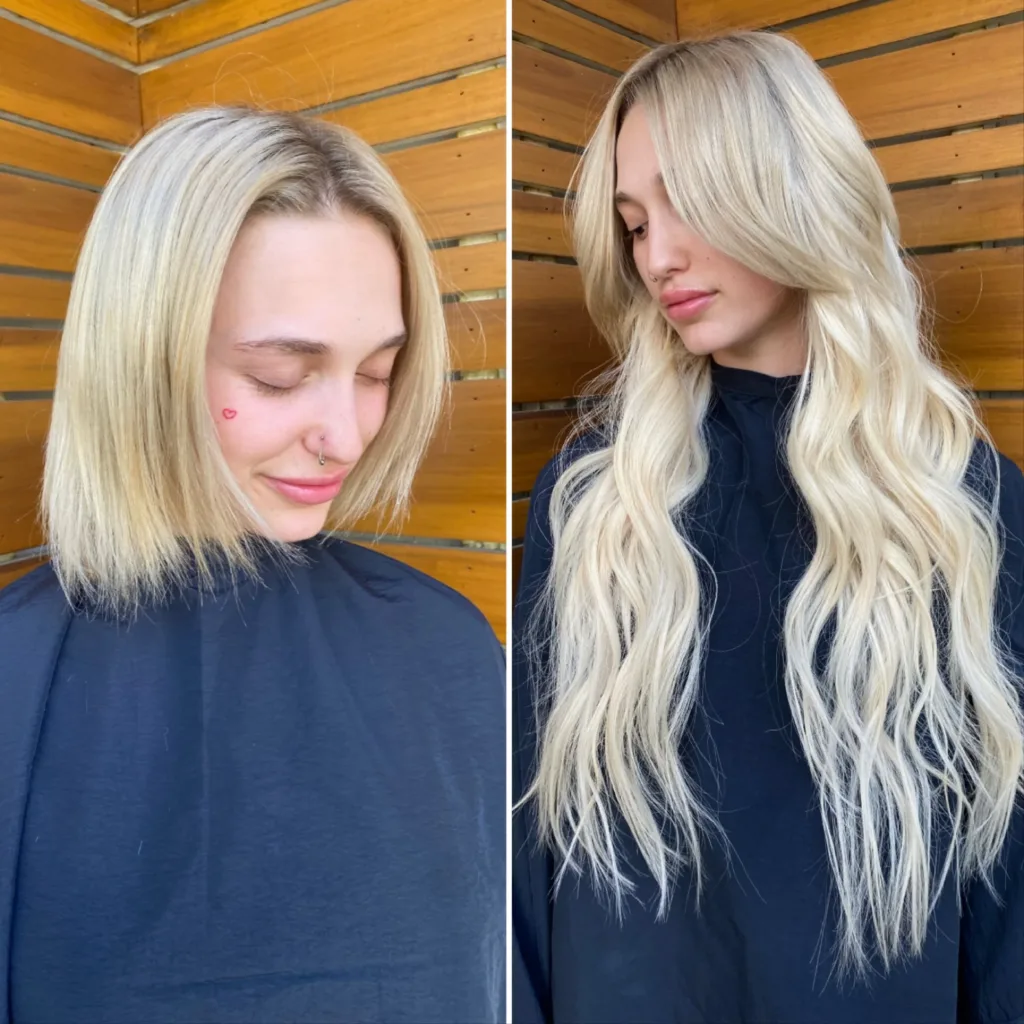
Tape-ins Need Better Tab Coverage
If the natural hair is too short or too thin in exposed areas, the flat tabs can become easier to see.
Tape-ins Work Better on Longer Short Hair
A longer bob, lob, or fuller short cut usually gives better coverage for this method.

Tape-ins Help When Speed Matters
If the haircut suits the method, tape-ins can give a flatter finish and faster salon workflow than strand-by-strand methods. how tape-in extensions are applied in a step-by-step method[^3]
| Tape-in Fit for Short Hair | Better Situation |
|---|---|
| Best haircut range | Longer bob or fuller short cut |
| Main strength | Faster service and flatter tabs |
| Main risk | Visible tabs if coverage is weak |
| Best customer type | Wants speed and has enough natural support |
This is why I never reject tape-ins for short hair automatically. I only reject them when the haircut does not support the method. On the right short haircut, tape-ins can look very clean and very natural. On the wrong short haircut, they can become visible too quickly.
So I always evaluate the perimeter, density, and how the client parts and styles the hair before I decide.
Are Wefts Good for Short Hair?
They can be, but usually only in the right haircut and in the right density situation. Wefts are not always the easiest answer for short hair because they need enough natural hair to hide the row logic.
Wefts can work on short hair, but they are usually more suitable for fuller short cuts with enough density to hide the rows. They are often less suitable than K tip when the client’s short hair needs highly detailed blending.

Wefts Need Good Row Coverage
If the natural hair is too short or too fine in the wrong areas, the row may become harder to hide.
They Work Better When the Main Goal Is Volume
In many short-hair cases, wefts are stronger for adding fullness than for creating a dramatic jump from very short to very long.
The Haircut Still Decides the Result
A fuller bob may support wefts. A very short layered cut may not. how short hair is blended into long extensions in a practical demonstration[^4]
| Weft Suitability on Short Hair | Typical Result |
|---|---|
| Fuller short cut | Often workable |
| Very short layered cut | Usually harder to hide |
| Goal is more volume | Often stronger fit |
| Goal is dramatic length jump | More blending risk |
Wefts are not the first method I think about for very short hair that needs a high-precision transformation. But for customers with a stronger base haircut and enough density, they can still be a good choice.
So What Short Hair Extensions Work the Best?
This is the real answer: the best method depends on how short the hair is and how much control the blend needs.
In most salon cases, K tip extensions work best for shorter hair that needs more detailed blending. Tape-ins work best for longer short cuts, especially bobs, when the tabs can be covered cleanly. Wefts can work best when the short hair is fuller and the goal is more volume than extreme transformation.
K Tip Often Wins on Precision
For short hair that needs careful detail and smaller placement units, K tip is often the strongest answer.
Tape-in Often Wins on Efficient Salon Work
For short cuts that have enough length and density to hide tabs, tape-in can be a very practical and attractive method.
Wefts Often Win on Fuller Short Cuts
If the client has enough natural support and wants more body, wefts can still work well.
| Customer Situation | Often Best Method |
|---|---|
| Very short or more exposed haircut | K tip |
| Bob or longer short haircut | Tape-in |
| Fuller short cut needing volume | Weft |
| High-detail blending priority | K tip |
| Faster salon workflow priority | Tape-in |
This is why I always come back to suitability instead of popularity. The best short hair extensions are not defined by trend. They are defined by how well the method disappears inside the customer’s haircut.
My View
From my point of view, short hair usually needs more precision than longer hair. That is why I often suggest stylists prefer methods that give them better placement control instead of just faster installation.
If you need the cleanest blend on a shorter haircut, K tip is often my first choice. If the customer has a longer bob or a fuller short cut that can hide flat tabs well, tape-ins can also perform beautifully. If the goal is mostly fullness and the haircut supports rows, wefts may still be a strong option.
So the best short hair extensions are not one fixed method. They are the method that matches the haircut, density, and blending challenge most accurately.
Conclusion
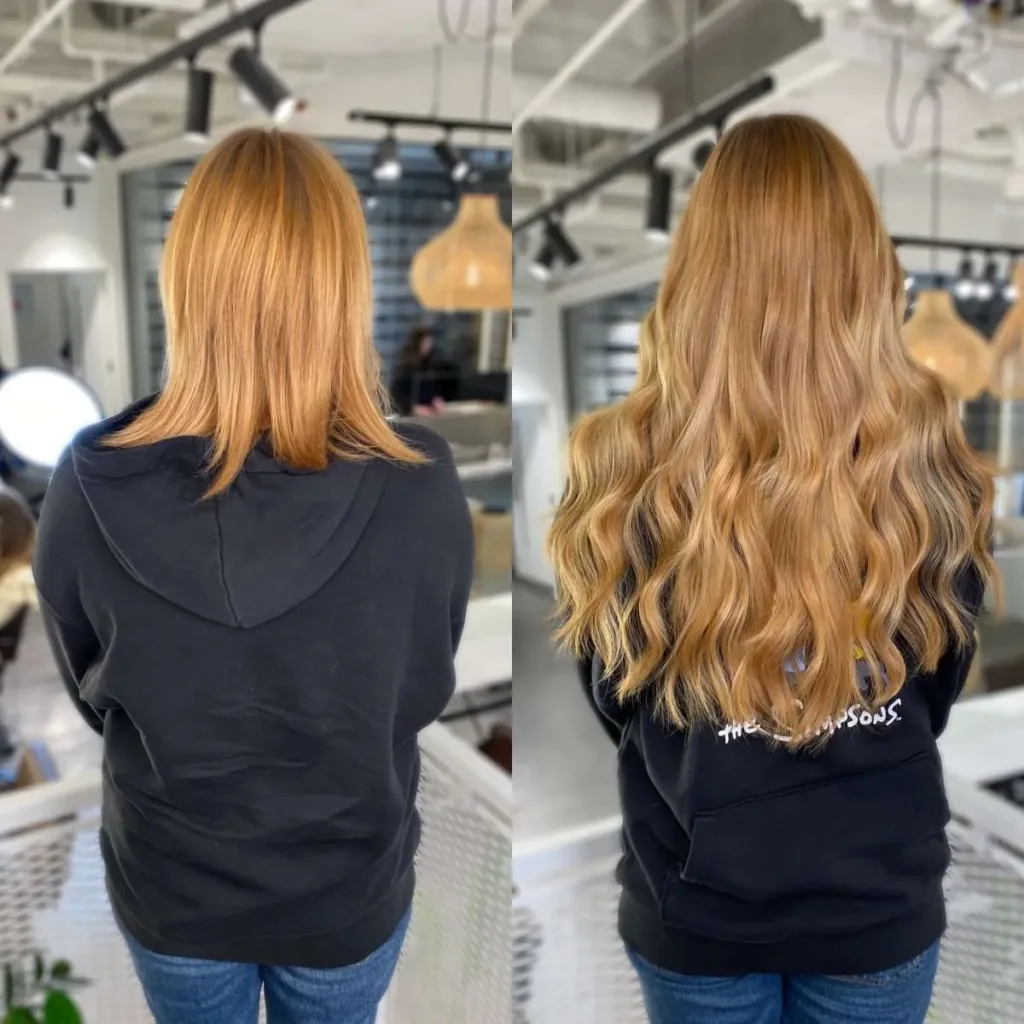
The best short hair extensions usually depend on the haircut. In many cases, K tip works best for precision blending, while tape-ins work best for longer short cuts with enough coverage.
Footnotes
[^1]: This resource explains the main integration methods used in hair extensions and helps frame how different attachment systems work.
[^2]: This video shows how keratin bond extensions are applied, which helps explain why K tip offers more detailed placement control.
[^3]: This video demonstrates tape-in application, which helps explain why the method is faster but depends on clean tab coverage.
[^4]: This video demonstrates how short hair is blended into longer extensions, which helps illustrate the real blending challenge.