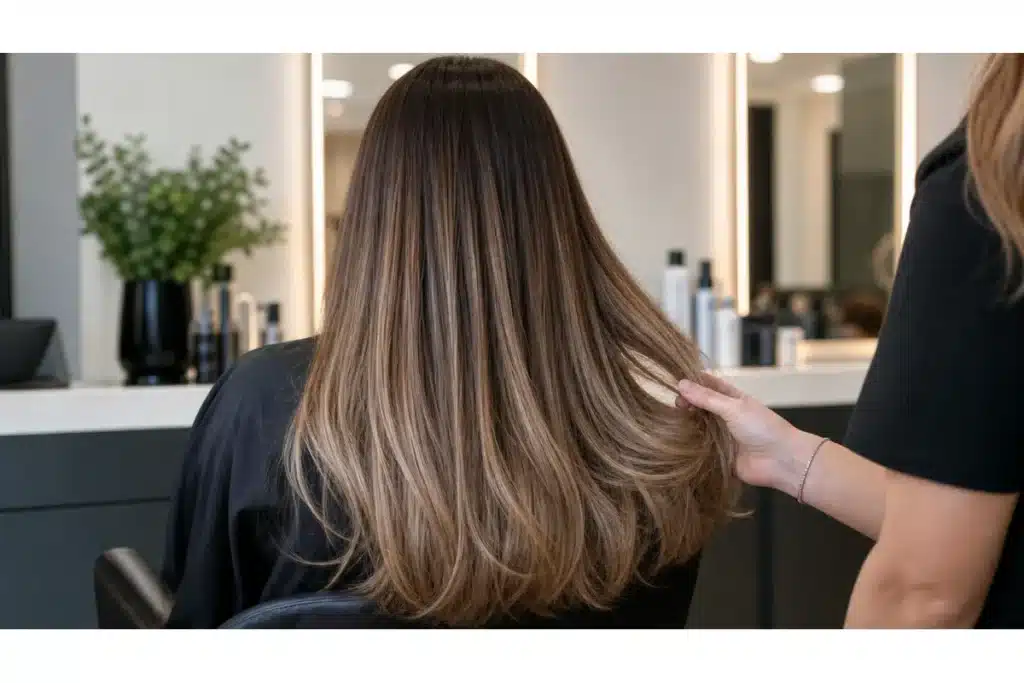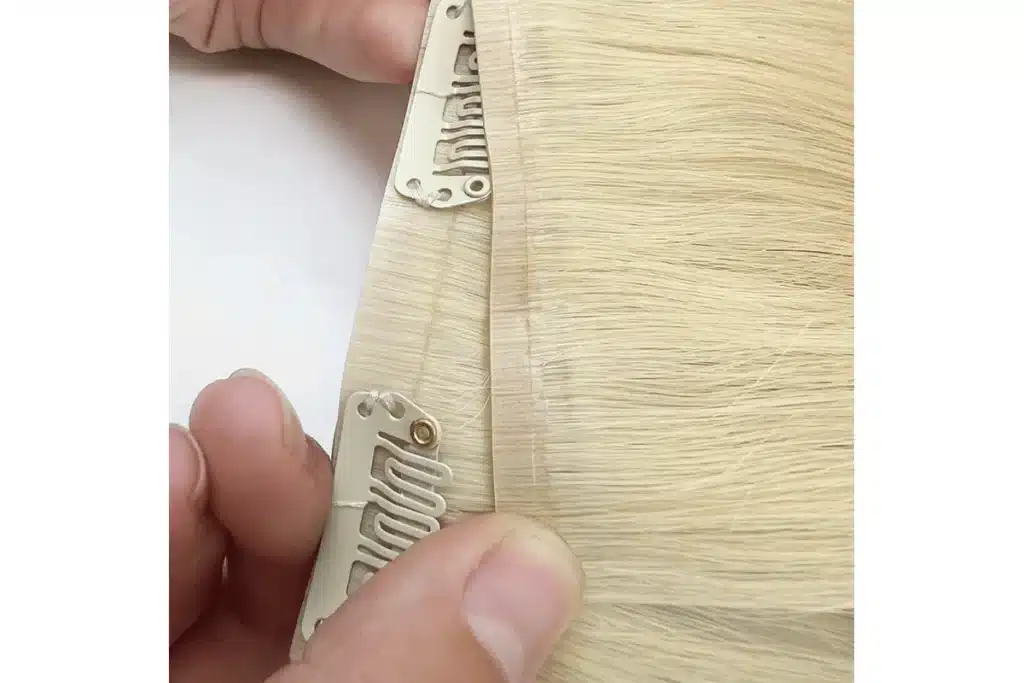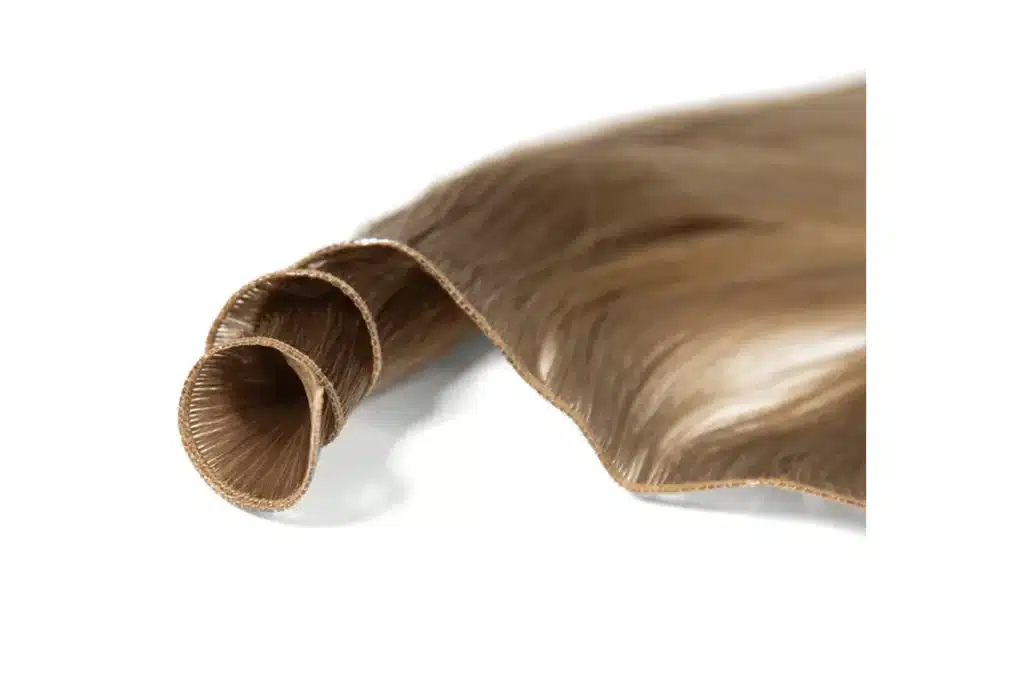
Hair extensions can transform a look very fast. They can add length, volume, color effect, and even help a customer feel more confident. But they also bring extra maintenance, extra cost, and some real risks if the method, quality, or aftercare is wrong.
The main pros of using hair extensions are instant length, more volume, more style options, and less need for chemical color change on natural hair. The main cons are higher maintenance, extra salon cost, possible discomfort, and the risk of breakage or traction problems if the method or care is poor.
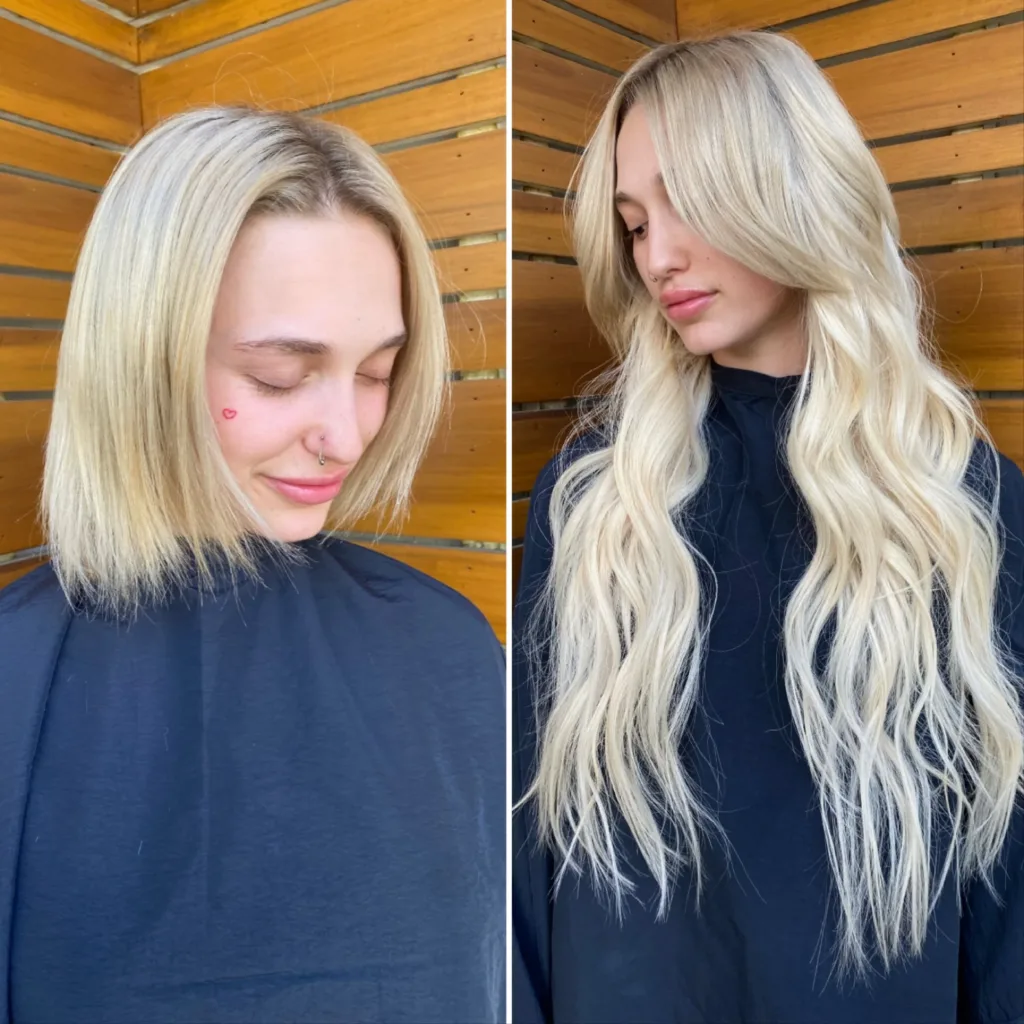
From my point of view, hair extensions are not good or bad by themselves. The result depends on four things: the raw material quality, the extension method, the stylist’s skill, and the customer’s daily habits. If those four parts match well, extensions can be a very strong salon service. If they do not, the experience can become expensive and frustrating.
What Are the Main Benefits of Using Hair Extensions?
Most customers first think about appearance. That is natural. Extensions can change the visual result very quickly, and that is a major reason they remain popular across many salon markets.
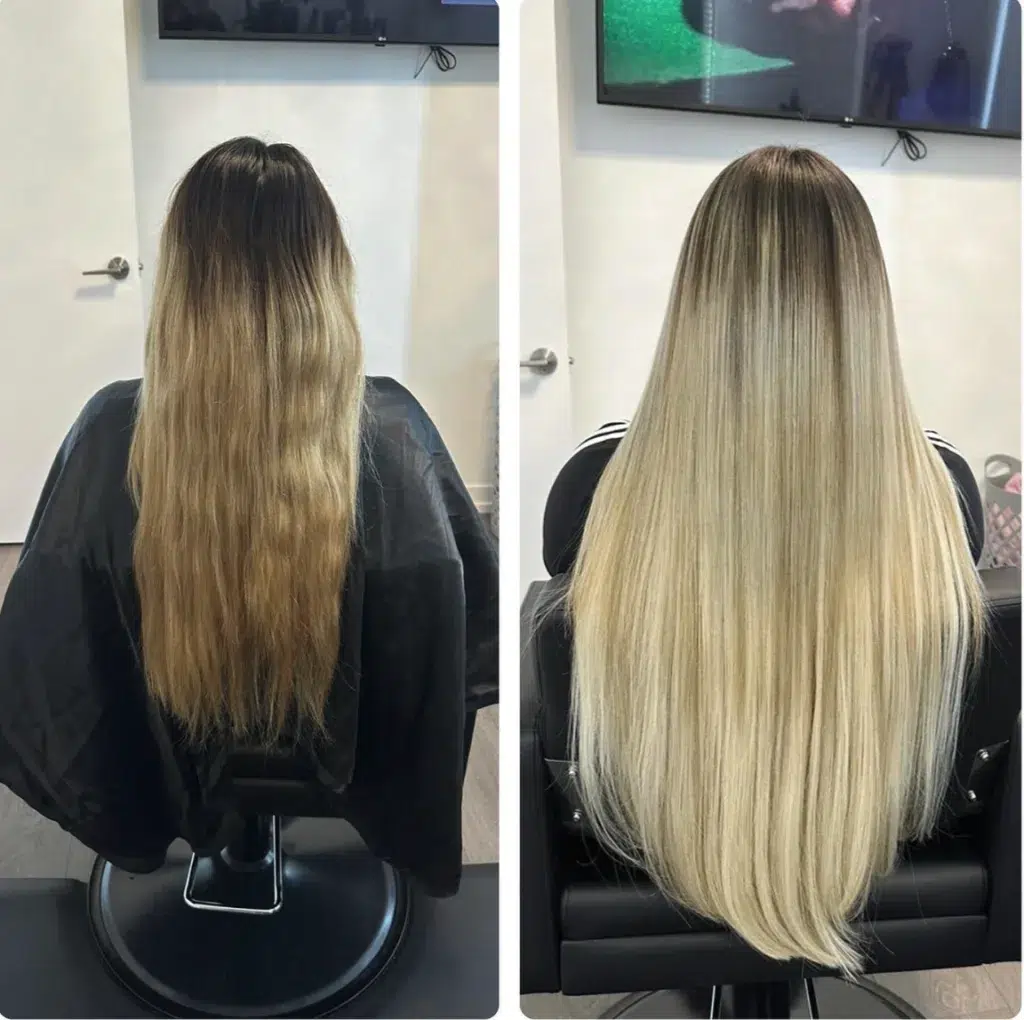
The biggest benefits of hair extensions are instant length, fuller volume, more styling flexibility, and the ability to create color effects without fully changing the natural hair.
Instant Length Without Waiting
This is one of the clearest benefits. A customer does not need to wait months or years for growth if the right extension method is used.
More Volume for Fine or Flat Hair
Many clients do not only want longer hair. They want thicker-looking hair. Extensions can help create that effect quickly.
More Style and Color Options
Extensions can support a different texture, fuller shape, or color contrast without putting all of that chemical work on the natural hair.
| Benefit | Why Customers Like It |
|---|---|
| Instant length | Faster transformation |
| More volume | Fuller salon result |
| Styling flexibility | More looks and more movement |
| Color effect | Less need to heavily process natural hair |
This is why extensions are not only a beauty trend. They are also a service tool. In salon work, I often see them used for three practical goals: length, fullness, and design flexibility. Some clients want a dramatic change. Some want only small fullness at the sides or back. Some want highlights or dimension without applying the same color process everywhere on their own hair.
That flexibility is one reason extensions remain commercially strong. A hair integration system can add length and volume while changing the visible style in a very direct way. how artificial hair integrations are used to add length and volume[^1]
What Are the Main Disadvantages of Using Hair Extensions?
The market often talks more about the glamour side than the responsibility side. That creates unrealistic expectations. Extensions can look excellent, but they always add service and care demands.
The biggest disadvantages of using hair extensions are ongoing maintenance, higher total cost, possible discomfort, and the risk of damage if the installation, tension, or daily care is wrong.
Maintenance Is Not Optional
Extensions need brushing discipline, correct washing, controlled heat, and scheduled salon upkeep.
Cost Is More Than the First Appointment
The client often looks only at the installation price. But the total cost usually includes maintenance, removal, reinstallation, aftercare products, and replacement hair over time.
Wrong Tension Can Create Real Problems
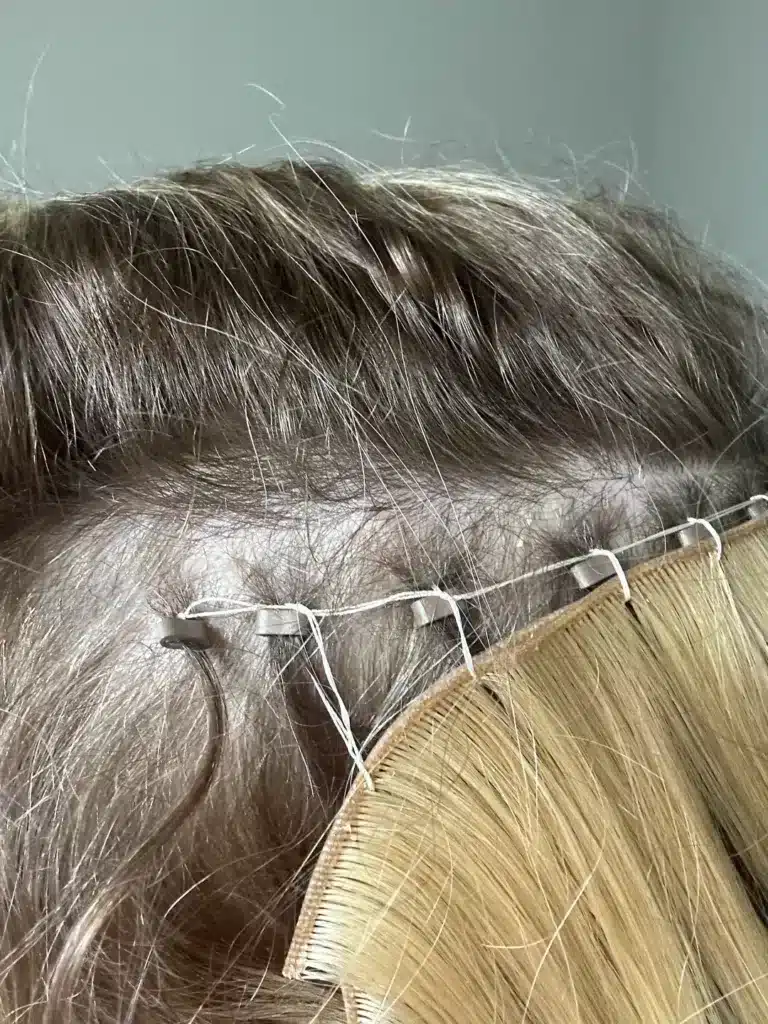
If the method is too tight, too heavy, or badly matched to the customer’s hair condition, the risk goes up. Hair loss from chronic pulling force is one of the most serious concerns in extension wear. what traction alopecia is and how pulling force can cause hair loss[^2]
| Disadvantage | Why It Matters |
|---|---|
| More maintenance | Requires daily care discipline |
| Higher cost | Ongoing service investment |
| Possible discomfort | Some clients feel tension or heaviness |
| Damage risk | Poor installation or poor care can cause breakage |
In my experience, this is where many bad extension stories begin. The client may have chosen the wrong method. The hair may be too heavy for her density. The stylist may have installed with too much tension. Or the customer may not follow the aftercare routine. The problem is usually not “extensions” in a general sense. The problem is mismatch or poor execution.
That is why I always explain the disadvantages very clearly before sale or installation. A client who understands the maintenance burden usually has a better experience later. A client who thinks extensions are effortless often becomes disappointed very quickly.
Can Hair Extensions Damage Natural Hair?
This is one of the most common questions in the market, and it deserves a direct answer. Extensions can be safe in the right context, but they are not risk-free.
Hair extensions can damage natural hair if the method is too heavy, too tight, badly installed, badly removed, or poorly maintained. But when the method fits the customer and the service is done correctly, the risk can be reduced a lot.
Damage Usually Comes From Mismatch or Poor Technique
I do not usually blame the category first. I first check tension, weight, section size, removal process, and aftercare.
Tight or Heavy Installations Increase Risk
If the natural hair cannot comfortably support the method, stress builds over time.
Removal Is Just as Important as Installation
Some customers focus only on install day. But rough removal can also cause major breakage or loss.
| Risk Factor | Why It Raises Damage Risk |
|---|---|
| Too much tension | Pulls at the root area |
| Too much weight | Overloads weak natural hair |
| Wrong method for the hair type | Reduces support and comfort |
| Rough removal | Can pull or break natural hair |
This is why I always say damage is not a simple yes-or-no topic. Extensions are not automatically damaging, but they do create mechanical stress. The question is whether that stress stays within a safe range for the customer’s hair.
If the hair is already fragile, fine, highly processed, or thinning, the stylist must be more careful. Some methods may be too heavy. Some placements may be too exposed. Some customers may be better suited to lighter or more temporary options. That is where professional judgment matters most.
Are Hair Extensions Worth It for Most Customers?
This is not only a beauty question. It is a value question. Whether extensions are “worth it” depends on the customer’s priorities, habits, and budget.
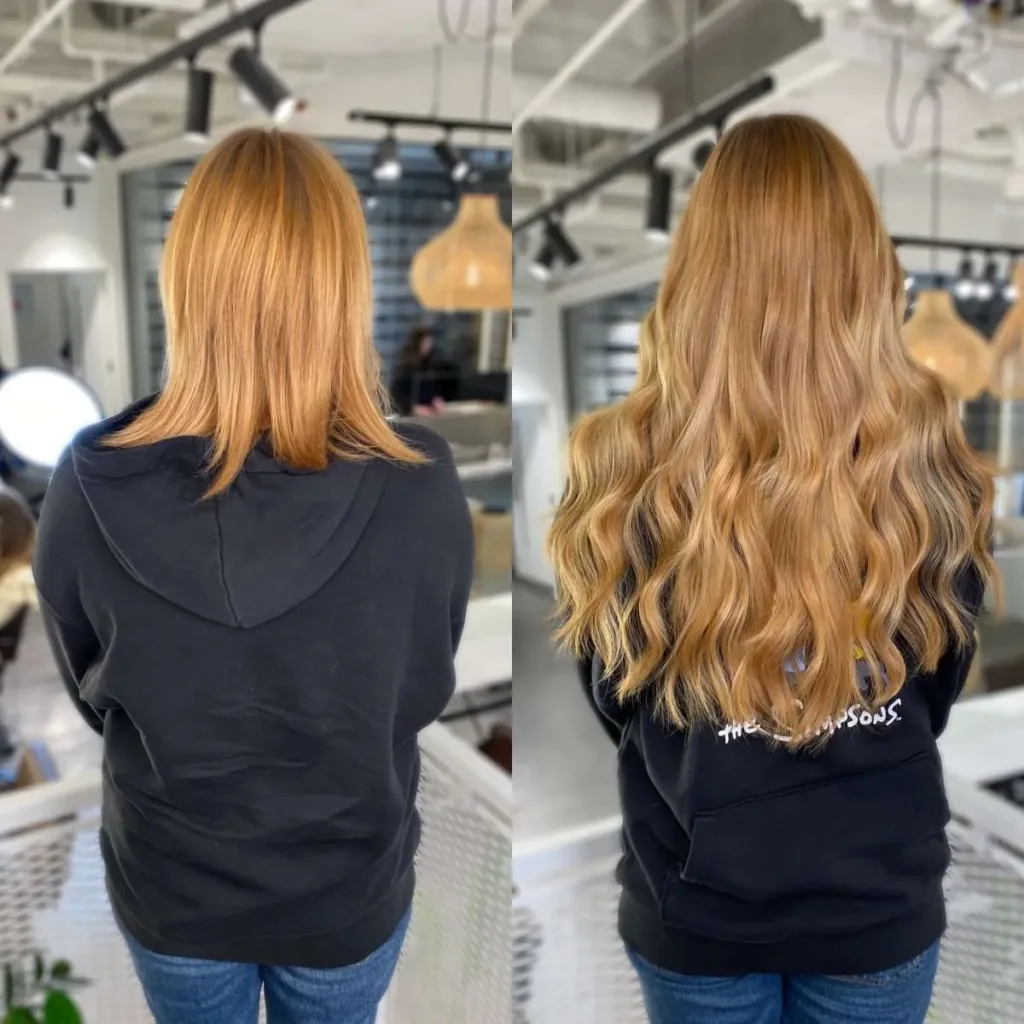
Hair extensions are worth it for customers who want a visible transformation and are willing to pay for correct installation and maintenance. They are usually not worth it for customers who want a low-effort, low-cost, zero-maintenance result.
They Are Worth It for the Right Customer
A customer who values length, volume, and style flexibility may see very strong value in extensions.
They Are Less Worth It for Low-Maintenance Expectations
If the customer does not want upkeep, does not want salon returns, or does not want daily care, the experience may feel too demanding.
Method Fit Changes the Value
Temporary methods, panel methods, and strand methods all create different maintenance and cost patterns.
| Customer Type | Extensions Often Feel… |
|---|---|
| Transformation-focused | Worth it |
| Volume-focused | Worth it |
| Low-maintenance focused | Less worth it |
| Budget-sensitive | More difficult to justify |
This is why I do not ask only, “Do you want extensions?” I ask, “What kind of extension life do you want?” If the customer wants a dramatic change and accepts the routine, extensions can deliver very high satisfaction. If the customer wants the look but not the responsibility, the result may feel disappointing no matter how good the hair is.
My View
From my point of view, the pros and cons of hair extensions should always be explained together.
The pros are real. Extensions can create instant beauty impact, fuller shape, and more service possibilities. But the cons are also real. They cost more, need more maintenance, and can create problems if the wrong method is used on the wrong customer.
That is why I never treat extensions as a one-word solution. They are a tool. And like any good tool, they work best when the material, method, stylist, and customer all match properly.
Conclusion
Hair extensions offer strong beauty and styling benefits, but they also require ongoing care, cost, and correct method selection to avoid problems.
[^1]: This resource explains that hair integrations are used to add length, volume, and visible style change through added hair.
[^2]: This resource explains that traction alopecia is hair loss caused by repeated pulling force, which is one reason tension matters.