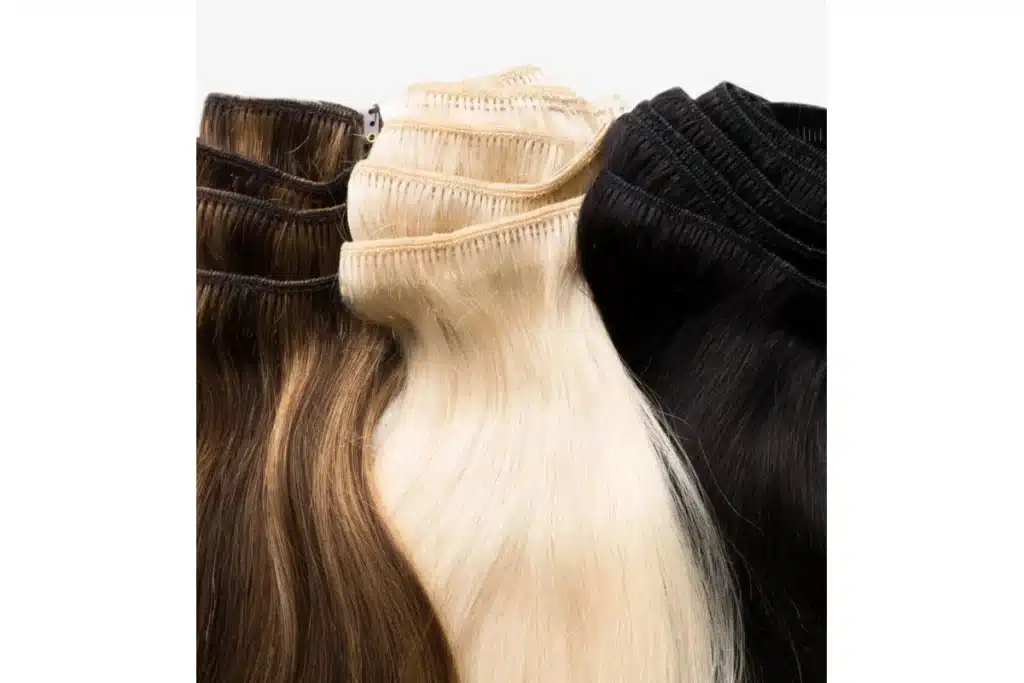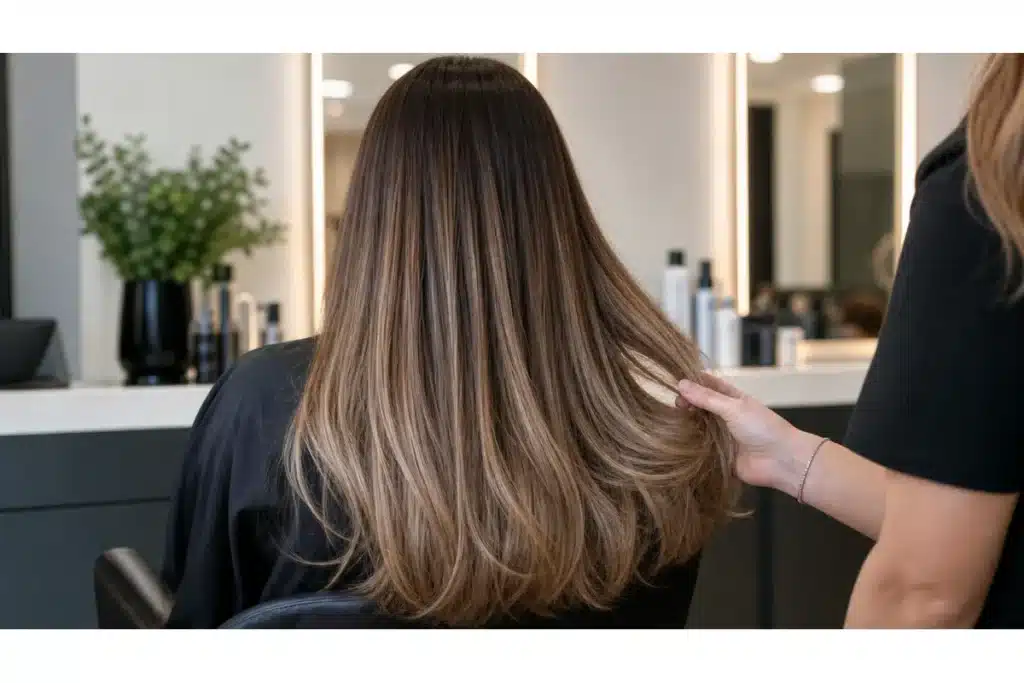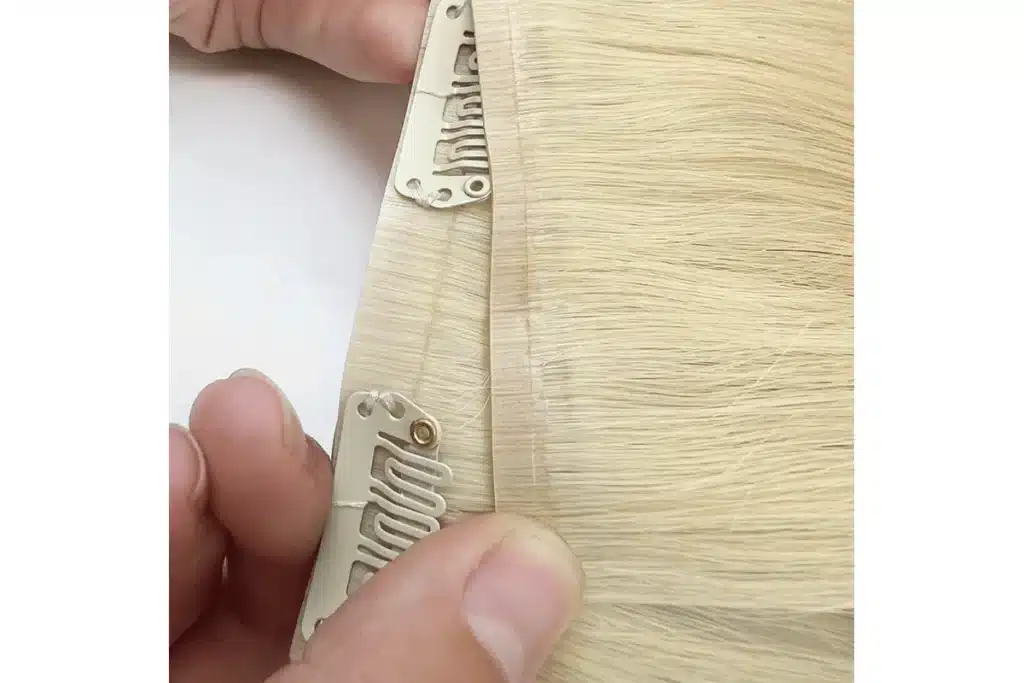
A lot of “new” hair extensions are not really new methods. They are updated versions of older systems. A thinner tape. A flatter weft top. A cleaner bond. That is why this question matters. If U want to know the newest hair extension method, U need to look for a real shift in how the method works, not just a fresh name.
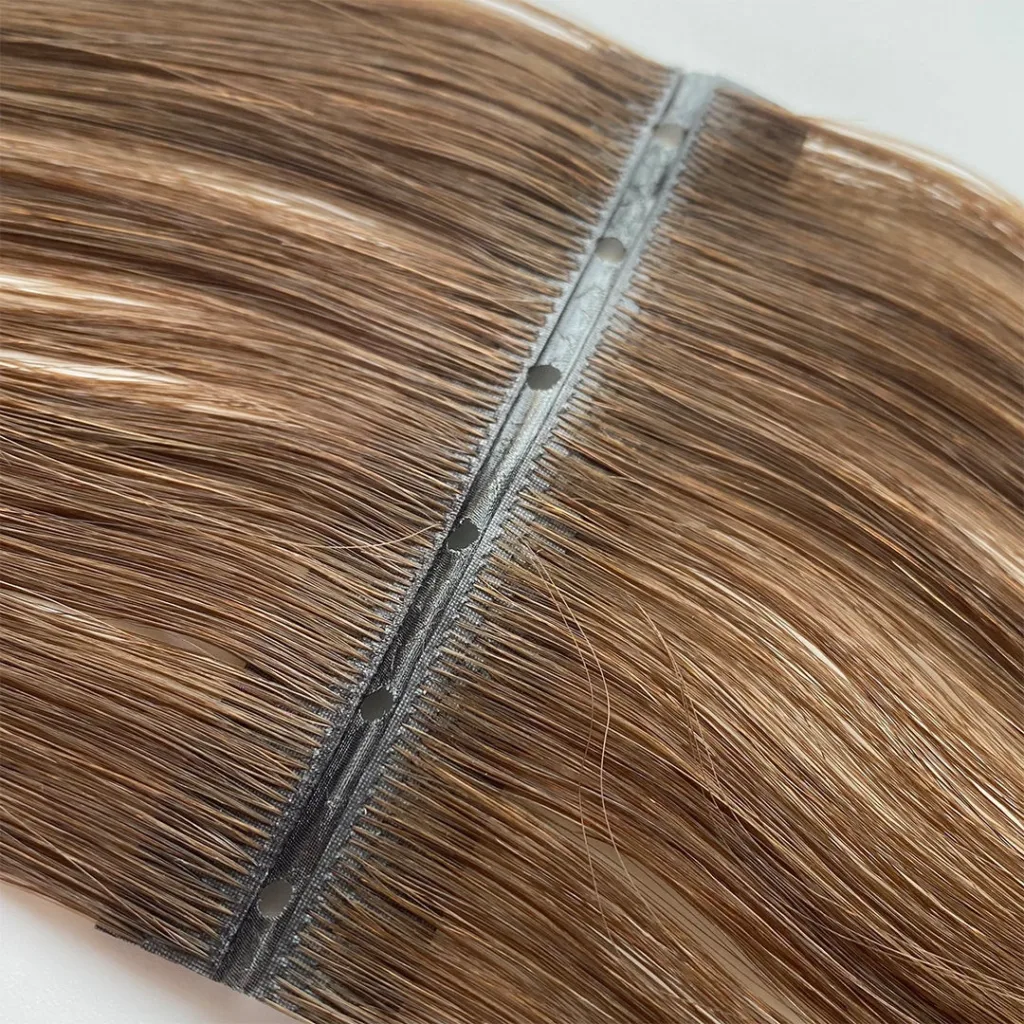
One of the strongest answers right now is Butterfly Weft. I think Butterfly Weft stands out because it does not just rename a traditional weft. It improves how a weft works during installation. The guide-hole structure helps create easier sewing access, cleaner row building, and a flatter modern result.
Butterfly Weft is not the only new name in the market. Twin Tab hair, V-light hair, and long tape weft systems also matter. But if the question is singular — what is the newest hair extension method — Butterfly Weft is a very strong answer, especially from a salon workflow and modern weft design angle.
This article is not a trend roundup. I want to answer a more specific question. I want to explain what makes a method truly new, why Butterfly Weft stands out, how it compares with older weft systems, and where other new methods still deserve attention.
What Makes a Hair Extension Method Truly New?
Not every new product name equals a new method. I think this is the first point that needs to be clear.
A method feels truly new when it changes one of these things:
- how the product is installed
- how easy the workflow becomes for salons
- what problems older systems struggle with
- how the final result feels in comfort, flatness, or speed
That is a much stricter standard than just saying a product is “latest.”
This is why many launches in the market are better described as upgraded versions of older categories. Invisible tape-ins are still tape systems. Slim tape-ins are still tape systems. Newer bonds are still bond systems. But Butterfly Weft feels more meaningful because it improves the structure of row-based work itself.
I do not think every new method needs to invent a completely separate family. Sometimes a method becomes genuinely new because it redesigns an older system in a way that changes salon workflow, comfort, and installation speed. That is where Butterfly Weft becomes important.
Three signs a method is truly new
I think a method is truly new if it:
- changes how the service is performed
- solves a real problem older methods leave behind
- creates a more useful result for stylists, not only for marketing photos
That is why I see Butterfly Weft as more than a simple product variation. It behaves like a newer-generation weft method.
Why Butterfly Weft Is the Strongest Answer
If I have to choose one method as the newest hair extension method, I would be comfortable choosing Butterfly Weft from a salon and weft-evolution angle.
The reason is simple. It does not just update the look of a traditional weft. It improves how the weft behaves during installation. The guide-hole structure helps the stylist pass through more easily, keep the row cleaner, and reduce installation effort while still supporting a flatter and more modern weft feel.
That makes Butterfly Weft feel like more than a basic product update. It feels like a newer-generation weft method built around workflow, comfort, and efficiency.
I think this is why Butterfly Weft matters. It takes one of the most familiar extension categories in the industry and pushes it forward in a practical way.
Why Butterfly Weft stands out
- easier pass-through during installation
- more organized row workflow
- flatter and more modern weft structure
- strong appeal for premium salons
- better balance between density and efficiency
- faster installs and quicker move-ups
- no return hair, so the top feels cleaner and more comfortable
Why this matters commercially
I think Butterfly Weft matters because it gives salons and brands a stronger answer to a real question:
How do U keep the strength and fullness of a weft system while making the install cleaner, faster, and more modern?
That is a useful question for:
- luxury salons
- educators
- wholesalers
- private label brands
- salons that already sell row-based services
This is why I do not think Butterfly Weft is only a trend. I think it is a practical innovation inside one of the most important product families in the market.
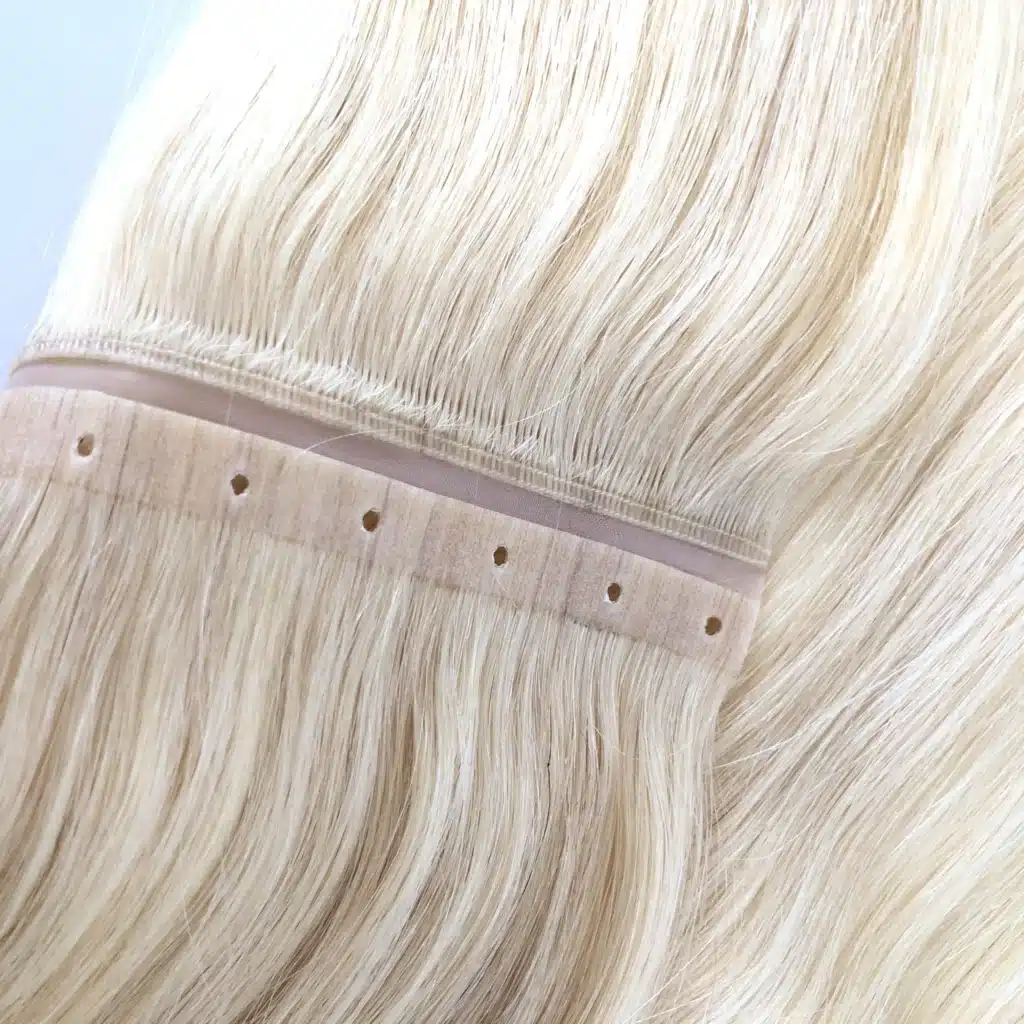
Key Benefits of Butterfly Weft Extensions
A new method has to do more than sound interesting. It has to bring real advantages during service and during wear. I think Butterfly Weft gets attention because its benefits are easy to explain and easy for professionals to feel in actual work.
1. No sewn top, no glue, no heat, no tape
This point matters because many buyers hear “weft” and assume they are looking at another heavy or traditional structure. Butterfly Weft feels more modern because it does not depend on glue tabs, heat fusion, or tape logic. That already places it in a cleaner salon conversation.
2. Easy to apply and remove
This is one of the strongest selling points. Newer methods often win because they reduce service difficulty. Butterfly Weft is attractive because it fits professional workflow better than many older systems.
3. Can be cut, styled, and colored
That flexibility matters a lot for salons and brands. A method becomes easier to adopt when it does not feel too restrictive in real client work.
4. Anti-shedding, reusable, and durable
A newer method still has to prove long-term value. I think this is why sealed construction matters. If the weft can be trimmed and reused while staying neat, it becomes much more commercially appealing.
5. No return hair, less itching
Comfort matters more than many people admit. A flatter and cleaner top does not only help the look. It can also improve how the install feels during daily wear.
6. Faster installs and quick move-ups
This is one of the clearest reasons Butterfly Weft fits the 2026 market. Speed is not a small detail anymore. It is part of what makes a salon service profitable.
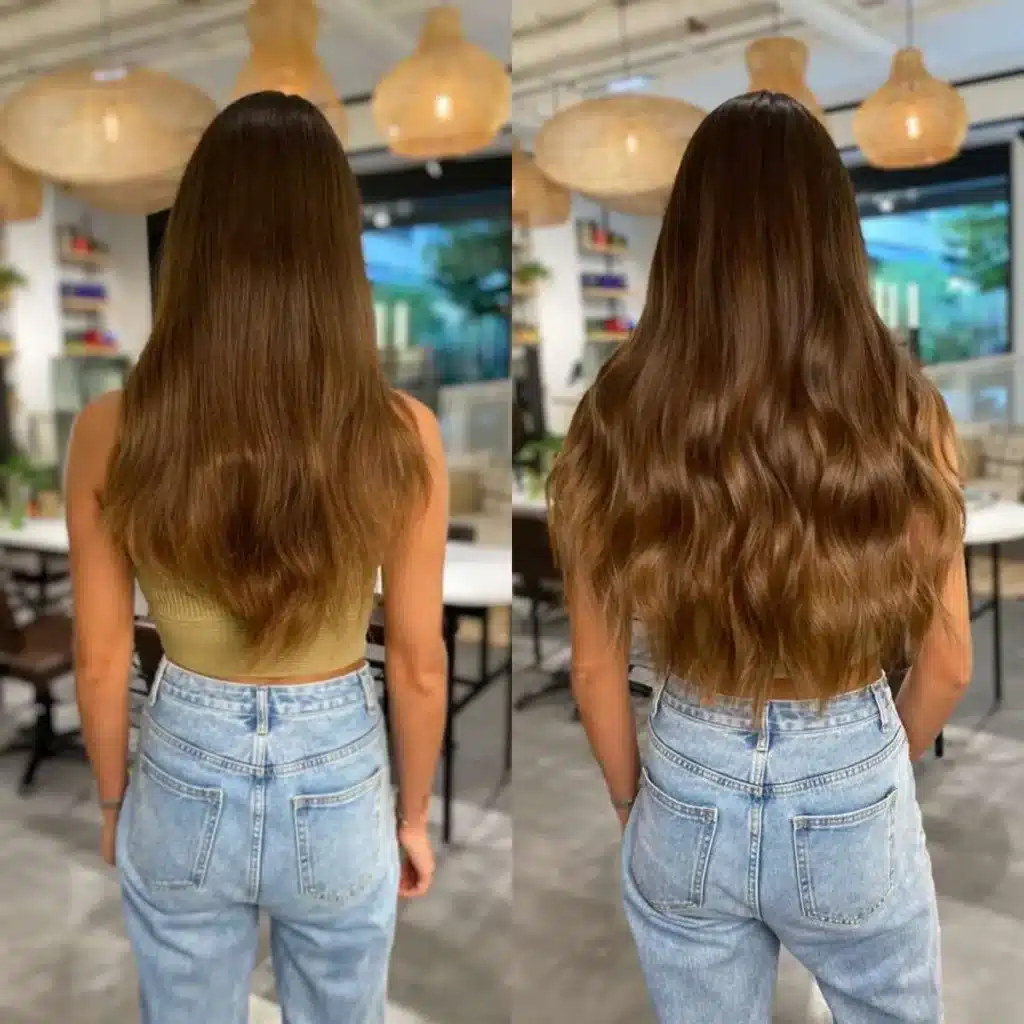
What Problem Does it Actually Solve?
This is the most important question in the whole article.
A method matters when it solves a real problem. Butterfly Weft solves a salon workflow problem.
Traditional weft methods can create beautiful results, but they are not always the fastest or cleanest during installation. They may take more effort during sewing. They may feel less efficient for a full-head service. They may also feel more traditional in structure compared with what modern salons now want.
Butterfly Weft matters because it tries to improve that.
The guide-hole design helps the stylist pass through more easily, keep the section cleaner, and reduce installation effort while still keeping a flat and modern weft appearance.
The three main problems it solves
1. Slower row workflow
A more structured top can help speed up installation compared with older row routines.
2. Bulkier old-style weft feeling
Butterfly Weft belongs to the newer flatter direction in the weft market.
3. Need for more modern salon systems
Salons want methods that look premium and also work efficiently.
That is why I think Butterfly Weft is not only “new.” It is useful.
Is it Better Than Older Methods?
Not automatically.
Newest does not always mean better in every situation. Butterfly Weft is better when the salon or buyer needs what it is designed to improve.
If the goal is classic durability and a broader traditional category, machine wefts still matter. If the goal is ultra-thin luxury installation, hand tied or genius wefts may still be the stronger fit in some cases. If the goal is very targeted fine-hair correction, a detail method like V-light may still make more sense.
What Butterfly Weft does better is create a newer balance:
- weft strength
- flatter modern feel
- easier workflow
- more salon efficiency
What it does not do is replace every other weft system.
That is why I would not call it the new replacement for all extensions. I would call it one of the strongest new-generation weft methods.
Where it wins
- modern row workflow
- flatter structured installs
- time-conscious premium services
- salons already strong in weft work
Where older methods still win
- traditional broad-use familiarity
- very specific luxury hand tied preferences
- very detail-focused fine hair correction
- classic long-established install routines
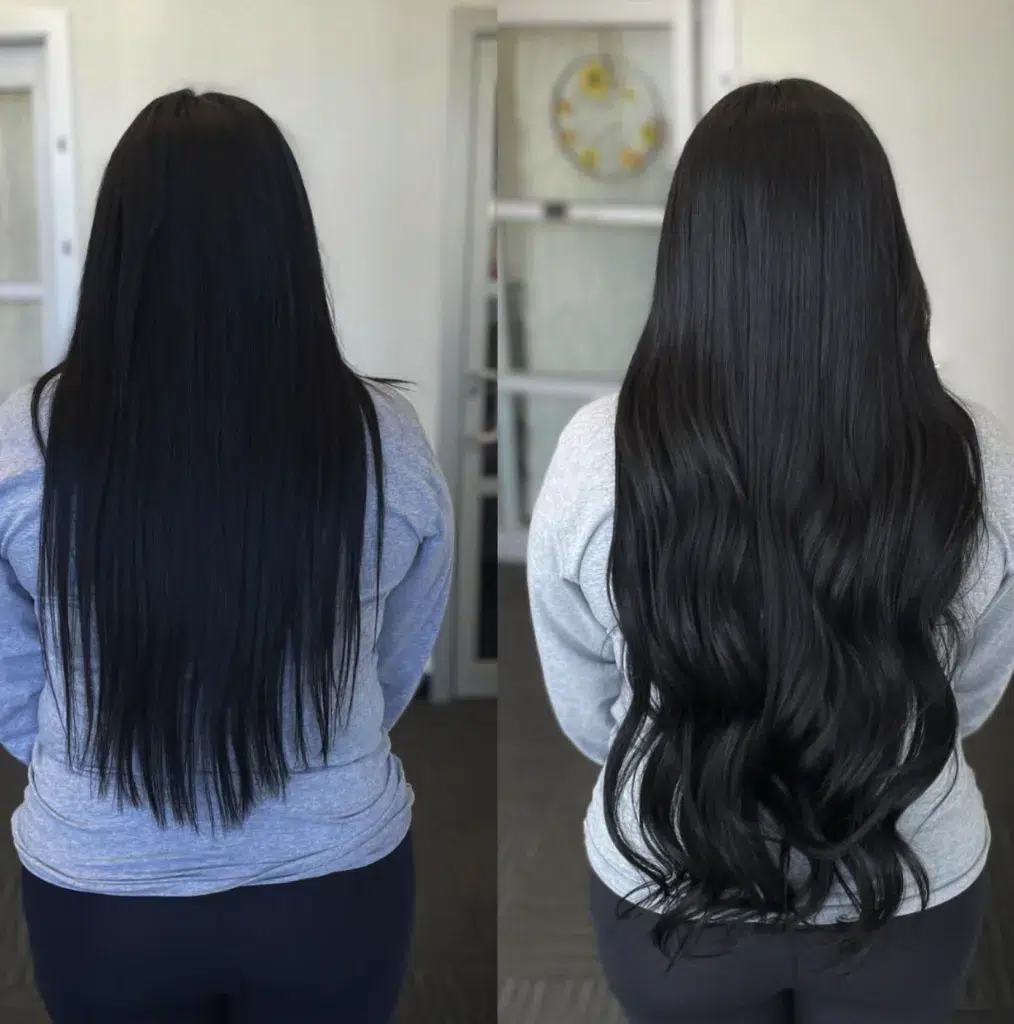
Where Twin Tab, Long Tape Weft, and V-light Still Matter
Even though I think Butterfly Weft is the strongest answer from a weft-method angle, other newer systems still deserve attention.
Twin Tab hair
Twin Tab matters because it points toward cleaner and more organized installation systems. Its value is in sectioning, structure, and faster repeatable workflow. I think it is part of the same larger movement toward salon efficiency.
Long Tape Weft hair
Long Tape Weft matters because it reflects hybrid thinking. It combines broader weft-style coverage with tape-based speed. This makes it attractive for fast full-head services.
V-light hair
V-light still matters because it solves a different problem. It is not mainly a row-based workflow innovation. It is a detail and fine-hair support method. I would not choose it as the lead answer if I want to center the article on a newer salon weft method, but it still deserves respect as a newer specialty direction.
So if the question is:
- what is the newest specialty correction method → V-light is very strong
- what is the newest modern weft-based method → Butterfly Weft is one of the strongest answers
That distinction matters.
What Butterfly Weft Means for Salons and Brands
This topic is not only technical. It is commercial.
For salons
Butterfly Weft can help a salon:
- modernize row-based services
- improve workflow
- create a more premium weft menu
- train a team around a cleaner system
- appeal to clients wanting fuller but flatter installs
For brands
A brand can use Butterfly Weft to:
- build a strong innovation story inside wefts
- expand beyond basic machine and hand tied categories
- show a more modern product direction
- support salon education with a clear use case
For wholesalers
A wholesaler should ask:
- Is this method broad enough for repeat demand?
- Does it solve a visible salon problem?
- Is it easier to explain than other innovations?
- Can it sit clearly inside a weft product line?
I think Butterfly Weft has strong commercial value because it answers both beauty and workflow needs.
My Opinion
If U ask me for the newest hair extension method, I would not answer with a huge list. I would answer with one method first: Butterfly Weft.
I choose it because it feels new in the right way. It improves workflow. It improves structure. It gives salons a flatter and more modern weft system without leaving the weft world behind.
That said, I would not confuse “newest” with “best for every job.” V-light, Twin Tab, Long Tape Weft, and other newer systems all matter too. They just matter for different reasons.
Butterfly Weft feels newest from a weft-evolution and salon-efficiency angle. That is why I think it is such a strong answer.
Conclusion
The newest hair extension method is not always the one with the loudest marketing. It is the one that changes how the service works. From a modern weft and salon workflow angle, Butterfly Weft is one of the clearest examples of that shift.