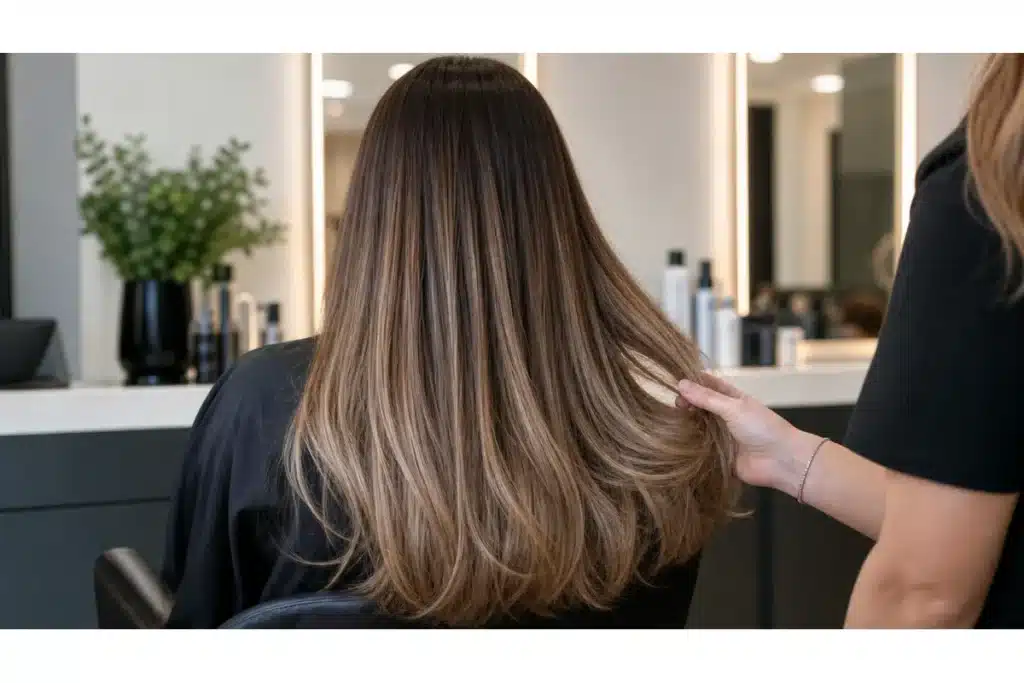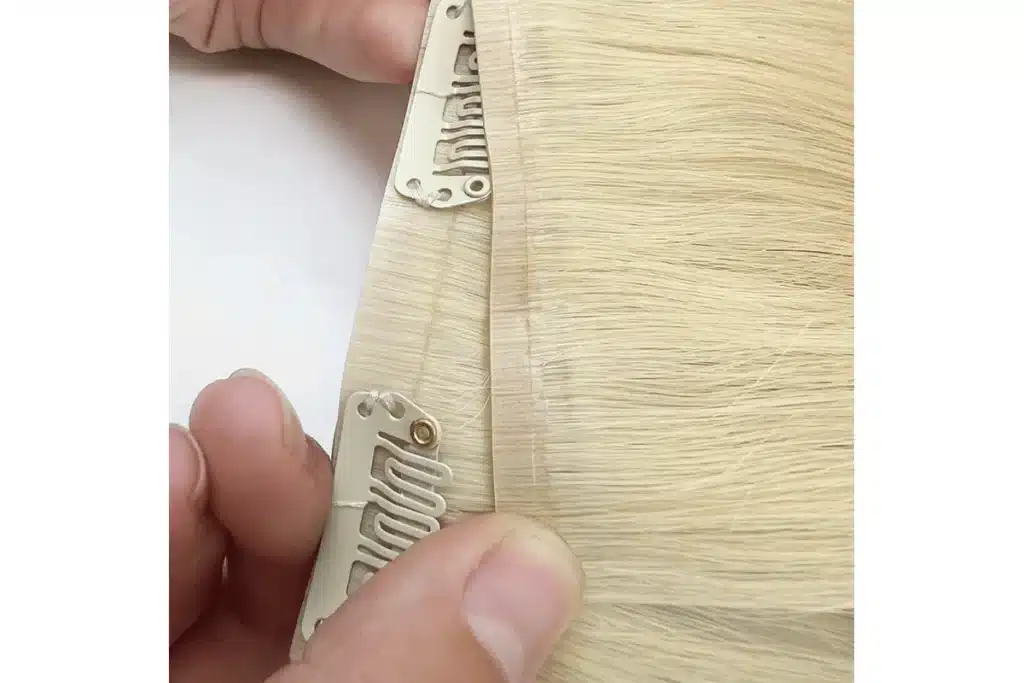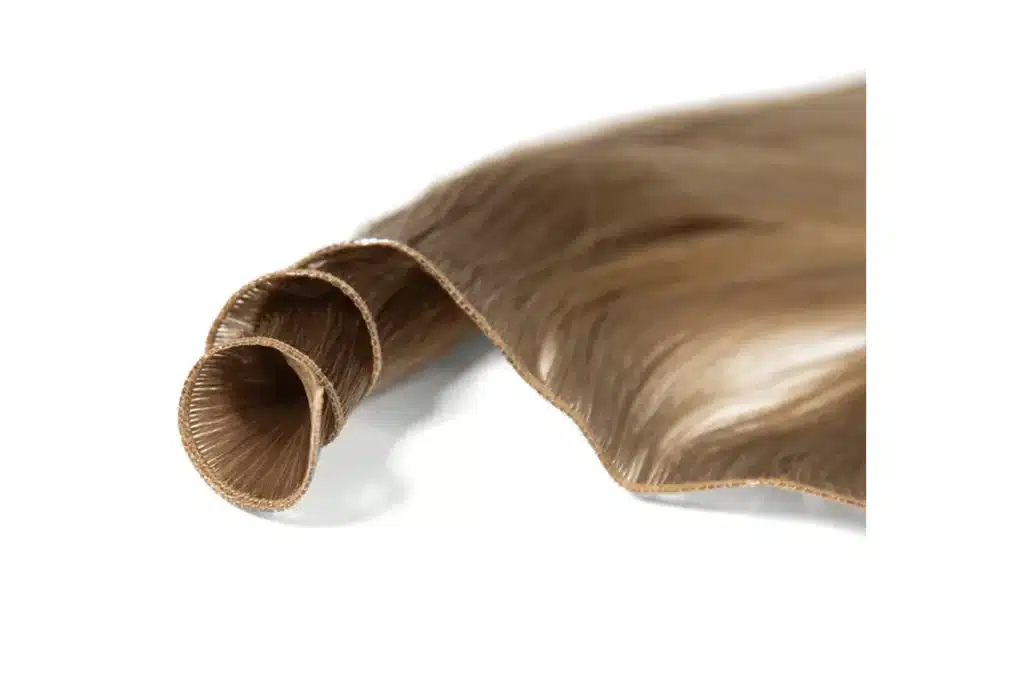
Permanent hair extensions can give clients long-lasting volume and confidence. But the wrong method, poor hair quality, or weak maintenance can also create slipping, tension, dryness, and complaints.
Permanent hair extensions include tape-in, keratin fusion, I tip, nano ring, and sewn-in weft methods. The main pros are long wear, natural movement, flexible styling, and custom placement. The main cons are higher cost, professional installation, regular maintenance, and possible hair stress if applied incorrectly.
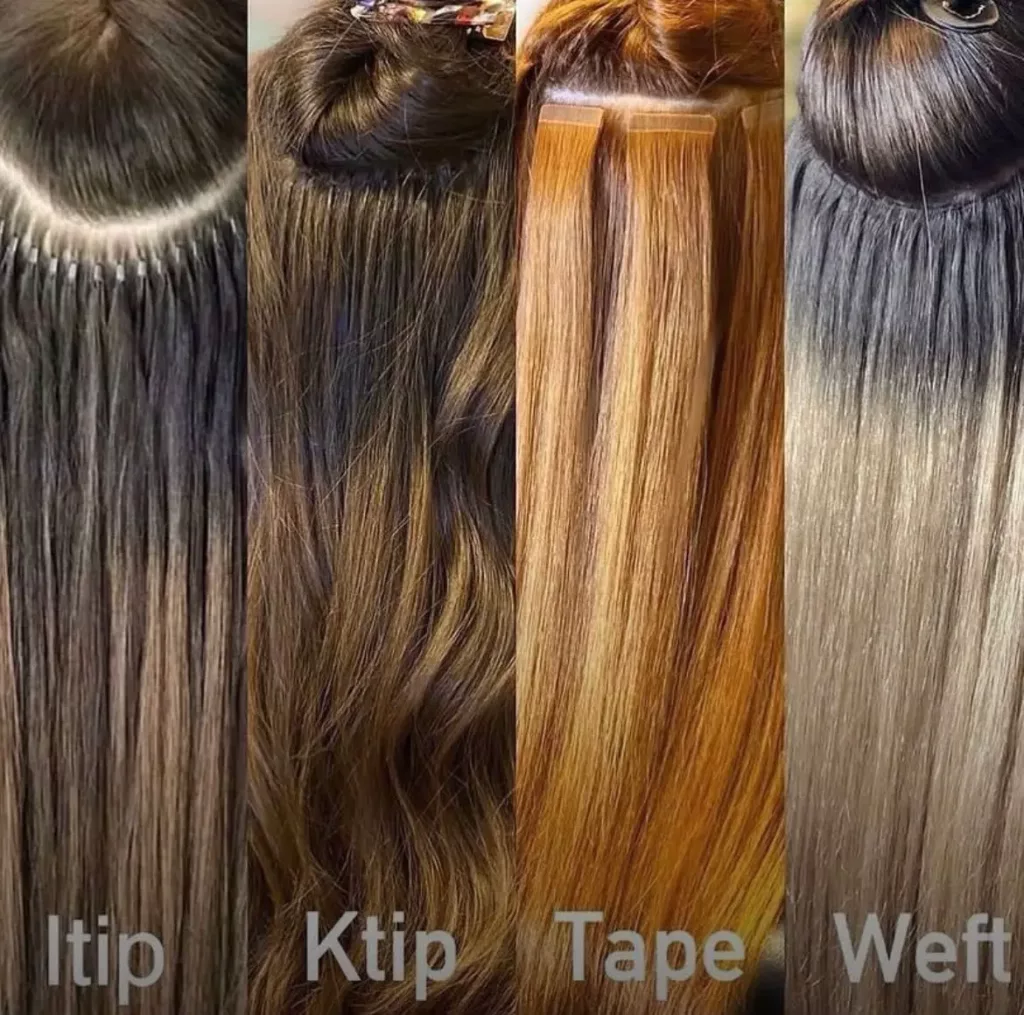
Permanent extensions are not only a beauty service. For salons, stylists, and hair extension brands, they are also a product choice. The final result depends on the method, hair quality, installation skill, and client aftercare.
At Hibiscus Hair, we supply different permanent hair extension products for professional buyers, including tape-in, keratin tip, I tip, nano ring, hand tied weft, genius weft, and other salon-use extension systems. If you are comparing methods for your salon or brand, this guide can help you choose a better product direction.
What Are Permanent Hair Extensions?
Many clients want fuller hair every day, but they do not want to remove and reinstall extensions often. Permanent methods solve this need.
Permanent hair extensions are semi-permanent extension methods installed by a professional stylist. They usually stay in the hair for 6–12 weeks before maintenance, depending on the method, natural hair growth, and client care routine.
How Permanent Extensions Work
Permanent hair extensions are attached close to the natural hair with tape, keratin bonds, beads, rings, or weft tracks. They are not permanent forever. They stay in place for weeks or months, then need move-up, replacement, or removal.
| Method | Best For | Main Benefit |
|---|---|---|
| Tape-In | Fine to medium hair | Flat and fast installation |
| Keratin Fusion | Natural movement | Discreet strand-by-strand result |
| I Tip / Nano Ring | No-heat installation | Reusable and flexible |
| Sewn-In Weft | Medium to thick hair | Strong volume support |
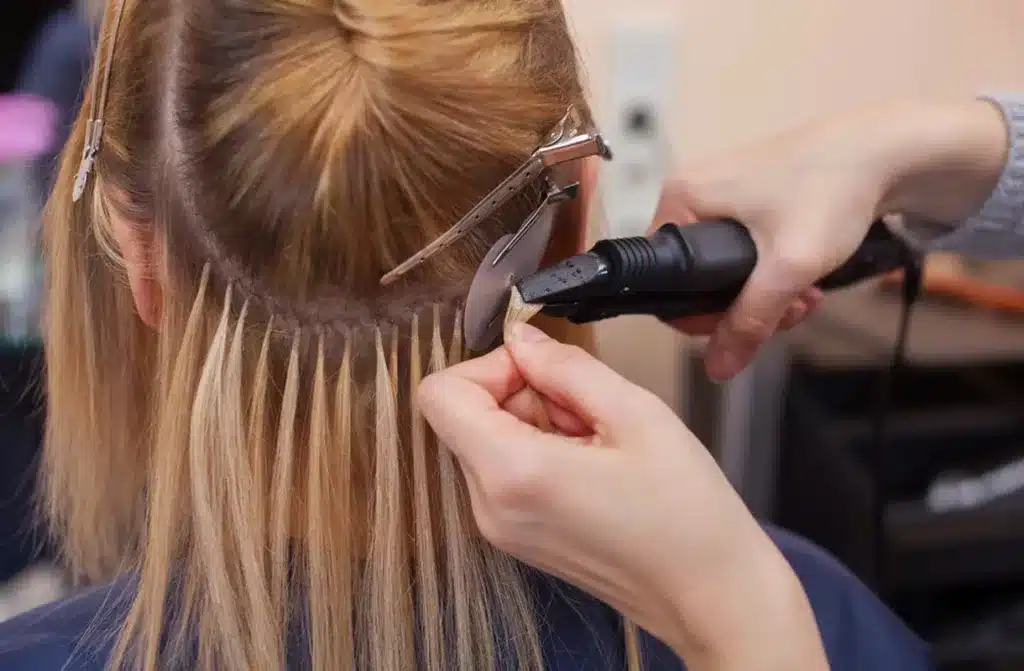
Based on feedback from salon clients, most buyers do not complain about the idea of permanent extensions. They complain when the method does not match the client’s hair type. Fine hair needs lighter support. Thick hair may need stronger volume.
For product selection, you can review related Hibiscus Hair product pages, such as Tape-In Hair Extensions, Keratin Hair Extensions, I Tip Hair Extensions, and Weft Hair Extensions.
What Are the Pros and Cons of Permanent Hair Extensions?
Permanent extensions can create a natural and stable result. But they also need professional work and clear aftercare.
The pros of permanent hair extensions are long-lasting length, natural movement, styling flexibility, and customized placement. The cons are higher cost, longer installation time, regular maintenance, and possible damage if the hair is too heavy or poorly applied.
Pros and Cons for Salon Use
| Pros | Why It Matters |
|---|---|
| Long-lasting fullness | Clients enjoy hair every day |
| Natural movement | The result looks more realistic |
| Custom placement | Stylists can fill thin sides or uneven areas |
| Styling freedom | Clients can curl, wave, or style normally |
| Multiple methods | Salons can serve different hair types |
| Cons | How Salons Can Reduce Risk |
|---|---|
| Higher cost | Explain lifespan and quality difference |
| Professional skill needed | Train stylists before offering the method |
| Maintenance required | Book move-up timing before installation |
| Possible tension | Use correct weight and sectioning |
| Care responsibility | Give clear aftercare instructions |
A long-term salon buyer once told us that her biggest problem was not the install method itself. It was dry hair after two washes. This is common when the hair relies too much on coating instead of real hair quality.
For B2B buyers, permanent extensions should not be judged only by first touch. Hair should be tested after washing, brushing, styling, and client wear. Full cuticle hair can support better softness, longer wear, and stronger salon trust.

What Is the Healthiest Permanent Hair Extension Method?
Clients often ask for the healthiest method. But the safest choice is not the same for every head of hair.
The healthiest permanent hair extension method is the one that matches the client’s hair density, scalp condition, lifestyle, and maintenance habits. Tape-ins, nano rings, small keratin bonds, and wefts can all be safe when selected correctly.
How to Choose a Safer Method
There is no single healthiest method for every client. Fine hair, medium hair, and thick hair need different support.
| Client Hair Type | Suitable Options | What to Watch |
|---|---|---|
| Fine hair | Tape-in, nano ring, small keratin bond | Avoid too much weight |
| Medium hair | Tape-in, I tip, keratin, light weft | Balance placement |
| Thick hair | Weft, keratin, I tip | Avoid bulky sections |
| Sensitive scalp | Lightweight methods | Avoid tight tension |
Healthy results come from correct weight, clean sectioning, proper tension, and regular maintenance. The American Academy of Dermatology explains that tight hairstyles and repeated pulling can contribute to traction-related hair loss [1]. The same basic logic applies to extensions. If the attachment pulls too much, the method becomes risky.
From a factory and export point of view, I would also check the attachment construction. Tape should hold well without becoming sticky too fast. Keratin bonds should be clean and firm. I tips and nano tips should not shed easily. These details affect both stylist work and client feedback.
Are Permanent Hair Extensions Worth It?
Permanent extensions cost more than temporary hair, but they can offer stronger daily value for the right client.
Permanent hair extensions are worth it for clients who want long-lasting volume, natural movement, and less daily styling work. They are especially valuable when the method, hair quality, and maintenance plan match the client’s lifestyle.
When Permanent Extensions Make Sense
Permanent extensions make sense when the client wants fuller hair every day. They also work well for clients who do not want to install clip-ins or halo hair daily.
| Client Goal | Why Permanent Extensions Help |
|---|---|
| Daily fullness | Hair stays installed |
| Natural movement | Attachments can be hidden well |
| Shape correction | Stylists can fill weak areas |
| Long-term styling | Clients do not reinstall every day |
But I would not suggest permanent extensions for every client. If the client cannot follow aftercare, skips maintenance, swims often without protection, or only wants the lowest price, the result may not be good.
For salons and brands, this is where honest guidance builds trust. A client who chooses the right method will return for maintenance and replacement hair. A client who chooses the wrong method may blame the product, even when the real issue is poor matching.
If you are building a permanent hair extension product line, you can start with a focused sample order. Tape-in, I tip, keratin tip, and weft extensions are usually good starting points because they cover different salon client needs.

How Should Clients Care for Permanent Hair Extensions?
Permanent extensions need simple but consistent care. Poor aftercare can shorten lifespan and cause tangling, slipping, or dryness.
Clients should brush gently, avoid conditioner near bonds or tape, use extension-safe products, keep heat away from attachment points, sleep with hair secured, and return for maintenance on time.
Basic Care Guide
| Care Step | Recommendation |
|---|---|
| Brushing | Brush morning and night |
| Washing | Wash gently and rinse well |
| Conditioner | Apply from mid-length to ends |
| Heat styling | Avoid direct heat on bonds or tape |
| Sleeping | Braid loosely or use a silk pillowcase |
| Maintenance | Return every 6–10 weeks |
Clients should not pull through tangles from the roots. They should hold the attachment area and brush from the ends upward. This protects both natural hair and extension attachments.
For tape-in clients, heavy oils and conditioner near the root can weaken the adhesive. For keratin clients, high heat near the bonds can soften the bond. For bead and nano clients, rough brushing can cause slipping.
A simple aftercare card can reduce many complaints. One wholesale buyer told us that after adding clear care instructions to every order, her after-sale questions dropped noticeably. This is a small step, but it helps clients understand their responsibility.

My View
From long-term cooperation with overseas salons and hair extension brands, I see one clear pattern: the method is rarely the only problem.
Good permanent extensions need four things to work together: suitable method, stable hair quality, professional installation, and clear aftercare. If one part is weak, the final result can fail.
For premium salons, I would not choose permanent extensions only by price. I would test hair after washing, brushing, heat styling, and storage. I would also check color stability, bond strength, tape hold, and tip construction.
Full cuticle hair is usually a better choice for buyers who care about long-term client feedback. It supports better softness and helps reduce complaints about dryness and tangling.
If you need permanent hair extensions for a salon, hair brand, training academy, or wholesale business, Hibiscus Hair can support sample testing, custom colors, different attachment methods, private label packaging, and repeat wholesale supply. You can contact us with your target method, length, color, weight, and packaging needs.
FAQs
How long do permanent hair extensions last?
Most permanent hair extensions need maintenance every 6–12 weeks. The hair lifespan depends on hair quality, method, and aftercare.
Are permanent hair extensions damaging?
They should not damage natural hair when installed with correct weight, clean sectioning, proper tension, and regular maintenance.
What is the best permanent hair extension method for fine hair?
Fine hair often works better with lightweight tape-ins, nano rings, or small keratin bonds. The final choice depends on density and scalp condition.
Can permanent hair extensions be reused?
Tape-ins, I tips, nano rings, and wefts are often reusable with proper care. Keratin fusion hair is usually not reused in the same way.

Conclusion
Permanent hair extensions work best when method choice, hair quality, installation, and aftercare all match the client’s real needs.
Hibiscus Hair Manufacturer has been dedicated to producing high-quality hair extensions for 25 years and is a recognized leader in the industry. If you are interested in finding a reliable hair extensions supplier and wholesale for your brand,
References
[1] American Academy of Dermatology Association: Hairstyles That Pull Can Lead to Hair Loss ↩