Have U ever sold or installed microlinks, then heard the client say “This feels like too much work”? Do U want a clear maintenance plan that keeps the beads neat and the hair reusable?
Microlinks are not “high maintenance” when the routine is simple and timed right. The key is clean roots, gentle daily brushing, full root drying after every wash, and move-up appointments before matting starts. Most problems come from delayed maintenance, oily build-up near beads, and rough detangling.

This guide is written for salon owners, stylists, and buyers who want predictable results and fewer complaints.
Are microlinks hard to maintain?
Have U heard people say microlinks “fall out” or “get matted,” so the method must be difficult? The truth is more practical than that.
Microlinks are not hard to maintain, but they are easy to neglect. A simple routine works well when it is done every day and when move-ups are booked on time. The method becomes difficult only when clients skip brushing, keep the root area damp, or wait too long between appointments.
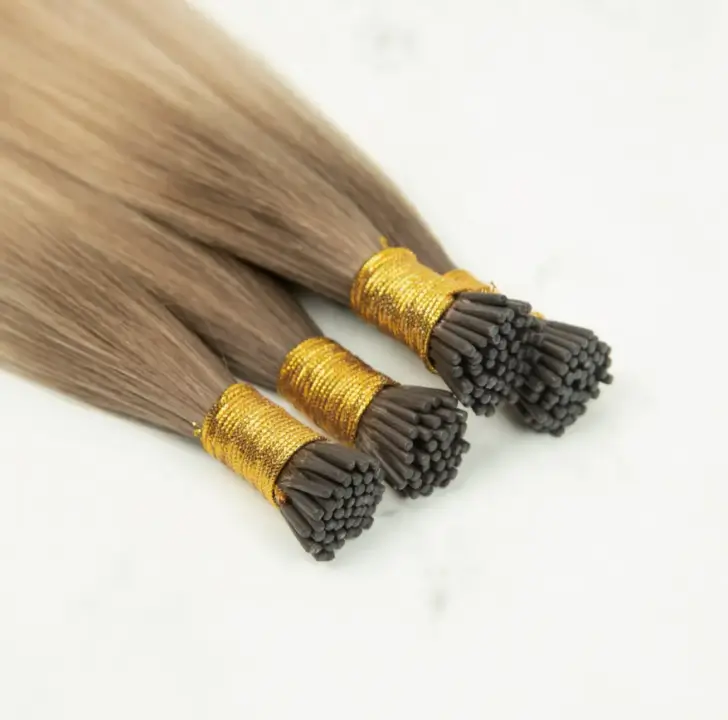
Microlinks rely on small beads holding strands near the root. That means two things will decide how “easy” the method feels.
First, the root area must stay clean and separated. Natural hair sheds every day. When microlinks are in, shed hair cannot fall away like normal. The shed hair stays trapped near the beads. If the client brushes correctly, the shed hair releases and moves down the length. If the client does not brush well, the shed hair tangles around the beads. That is how matting forms.
Second, timing matters more than effort. A client can do “good care” for four weeks, then ignore it for two weeks, and the root area can become difficult fast. Many clients think they can fix this by brushing harder. Hard brushing near beads creates pulling stress. Pulling stress can cause discomfort, slippage, and breakage.
A good maintenance plan is not complicated. It is a repeatable system:
- daily gentle brushing with bond awareness
- root area kept clean, not oily
- root area dried fully after washing
- a sleep routine that reduces friction
- a move-up schedule before growth makes tangling worse
If a salon sells microlinks, the salon should explain “maintenance is small but regular.” If a wholesaler sells microlink hair, the wholesaler can include a short maintenance card. This simple education reduces refunds and negative reviews.
| What makes microlinks feel easy | What makes microlinks feel hard | What to change |
|---|---|---|
| daily gentle brushing | skipping brushing for days | set a daily habit |
| clean scalp and roots | oils and heavy residue at roots | keep products off bead area |
| dry roots after washing | air-drying roots for hours | blow-dry root zone |
| on-time move-ups | waiting until matting appears | schedule earlier visits |
Can you wash your hair with microlinks?
Have U heard clients worry that washing will make microlinks slip? Washing is allowed, but the technique matters.
Yes, hair can be washed with microlinks. The best results come from gentle root cleansing, thorough rinsing, and avoiding heavy conditioner near the bead area. Wet hair tangles faster, so drying the root zone is part of washing care.
Microlinks are mechanical bonds. Water does not “dissolve” them like tape adhesive. Still, washing changes friction and tangling, so washing habits matter.
Shampoo technique
The client should apply shampoo to the scalp and use fingertips in a controlled motion. The motion should be up-and-down or front-to-back, not aggressive circular scrubbing. Circular scrubbing wraps hair around beads.
Conditioner placement
Conditioner should stay away from the bead zone. Conditioner at roots reduces friction. Reduced friction can lead to slipping. It also creates residue that traps shed hair and leads to tangling.
Rinse time
Microlinks do better with longer rinsing. If product stays in the root area, hair becomes sticky, and tangles form faster.
Wet hair handling
Wet hair stretches and tangles more easily. Brushing hard on wet hair can pull at beads. The client can detangle lightly with a wide-tooth comb, then finish detangling after hair is mostly dry.
Root drying rule
A damp root zone is a fast path to matting. Air-drying for hours lets hair stick together near beads. Blow-drying the root area prevents tangles and odor.
| Washing step | Best practice | Common mistake |
|---|---|---|
| shampoo | controlled motion | aggressive circular scrubbing |
| conditioner | mid-length to ends | conditioner at roots |
| rinse | longer rinse | quick rinse leaves residue |
| detangle | gentle, then finish dry | harsh brushing when wet |
| dry | dry roots fully | air-dry roots for hours |
Micro link extensions maintenance
Have U ever wanted a “one page routine” that U can send to clients or add to a product insert? This section is that routine.
Micro link extensions maintenance is built around daily brushing, weekly wash habits, and a move-up rhythm. The goal is to keep the root area separated, reduce residue near beads, and prevent matting before it starts.
A strong routine should be simple enough for real life. It should also be strict in the areas that matter most.
Daily: 3 rules that prevent most issues
1) Brush in layers, not just the top.
Microlinks can look smooth on top while tangles build underneath. Layer brushing prevents hidden matting.
2) Hold the root area with one hand while brushing.
This reduces pulling force on the bead area. Less pulling keeps the system stable.
3) Keep root products light.
Leave-in products and oils should stay on mid-lengths and ends. The bead zone should stay clean.
Weekly: wash habits that protect the bond area
Many microlink problems start in the shower. The client often scrubs the root area in circles. Circular scrubbing creates tangles around beads. The client should wash with a straight-down motion and rinse longer than normal. Leftover conditioner near roots increases slipping.
Every appointment cycle: move-up timing
A good schedule is often 6 to 10 weeks, depending on growth rate and hair density. When a client waits too long, the beads sit lower, the hair swings more, and tangles form faster. This is why “late maintenance” is the #1 reason microlinks feel hard.
The simple truth about “hair quality” and maintenance
High-grade hair helps because it tangles less. Less tangling means less pulling. Less pulling means easier maintenance. Still, even the best hair will mat if the client delays move-ups and skips brushing.
| Routine step | What it prevents | What U can say to a client |
|---|---|---|
| layer brushing | hidden matting | “Brush the bottom layers too.” |
| hold roots while brushing | tension at beads | “Support the roots, then brush.” |
| long rinse | residue build-up | “Rinse longer than normal.” |
| root blow-dry | matting and odor | “Dry the root area every time.” |
| move-up booking | severe tangles | “Do not wait until it feels tight.” |

How long do micro link extensions last?
Have U had buyers ask “How many weeks can this method wear?” The honest answer depends on move-ups and hair quality.
Micro link extensions can be worn for weeks at a time, but they typically need move-ups every 6 to 10 weeks. The extension hair can last much longer when the hair grade is high and the client follows a stable care routine. Many professional users plan reuse cycles instead of treating the hair as one-time wear.
This question has two layers. There is “how long can the extensions stay installed,” and there is “how long can the hair be reused.”
1) Installed wear time
Natural hair grows. Growth moves the beads away from the scalp. When beads drop, they swing more. When they swing more, tangles build faster. That is why move-ups are needed. For many clients, 6 to 10 weeks is the practical range. Some clients need earlier move-ups if hair is fine, if the client is active, or if the client delays brushing.
2) Hair reuse life
Hair reuse depends on hair grade and how much tangling happened during wear. Hair that stays smooth is easier to reinstall. Hair that is heavily matted or over-processed may not be worth reusing. High-end full cuticle hair usually holds texture and alignment better over time, so it supports multiple reinstall cycles when cared for properly.
3) What shortens lifespan
- heavy oils near roots causing slipping and tangles
- sleeping with loose hair and high friction
- chlorine and salt exposure without protection
- delayed move-up until matting starts
- aggressive brushing near bonds
This is why maintenance is the real “lifespan control.” The method is stable when the routine is stable.
| Lifespan question | What it refers to | What controls it |
|---|---|---|
| “How long can it stay in?” | time between move-ups | growth + tangling level |
| “How long can hair be reused?” | hair life across cycles | hair grade + aftercare |
| “Why did it end early?” | failure pattern | residue, friction, delayed visits |
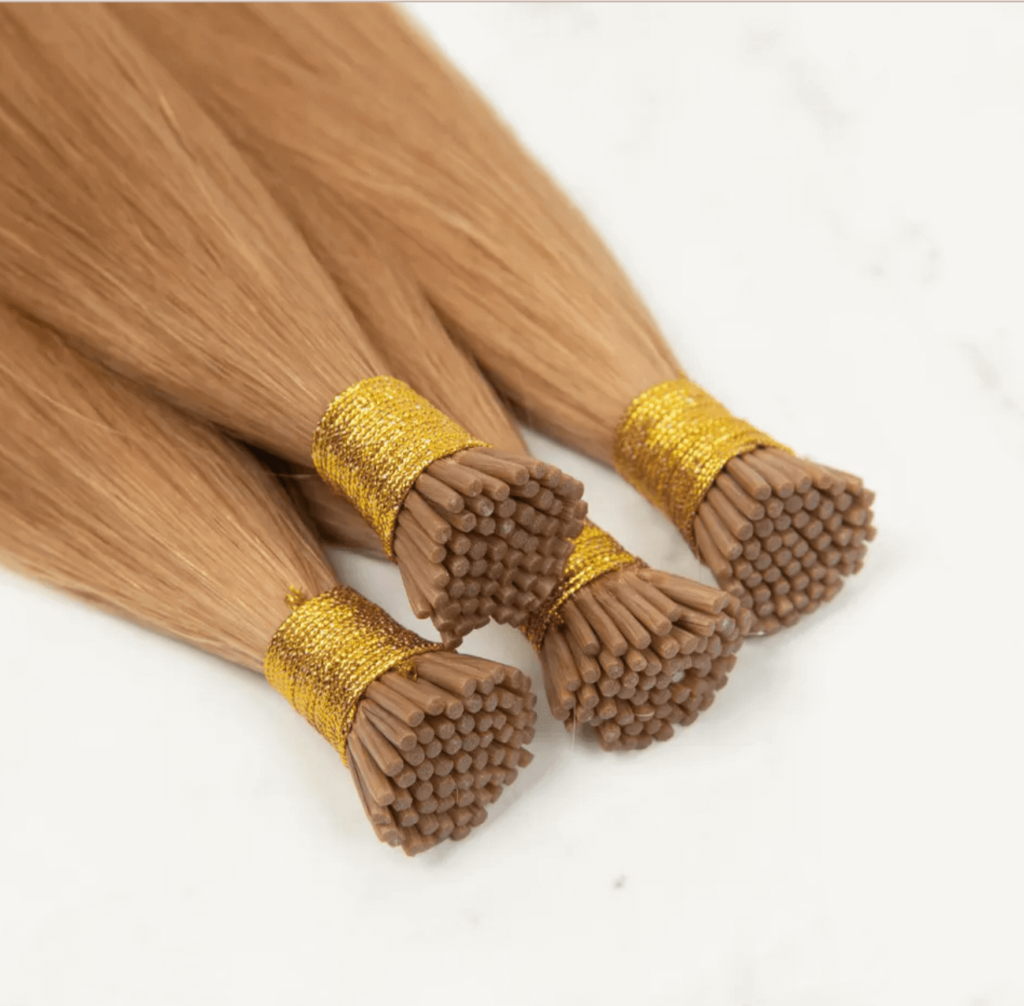
How to sleep with microlink extensions?
Have U seen clients wake up with a tight, messy root area, then blame the method? Sleep friction is a major factor.
To sleep with microlinks, hair should be dry, gently detangled, then secured in a loose braid or low ponytail. A silk or satin pillowcase reduces friction. This routine reduces tangling near beads and keeps maintenance simple.
Sleep is long contact time. Eight hours of friction can create more tangling than a whole day of normal activity. Microlinks are small bonds, so tangles can lock around them if the hair is loose.
The “dry roots” rule
Sleeping with damp roots is one of the fastest ways to mat microlinks. Damp hair sticks and twists. The root area then tightens around beads.
Secure hair with low tension
A loose braid is often the easiest choice. A tight bun can create tension and can bend strands sharply near bonds. The goal is control without stress.
Reduce friction
Satin or silk pillowcases reduce friction. This keeps hair smoother and reduces knot formation.
Morning reset habit
A quick morning brush in sections prevents small knots from proving bigger later. Waiting until the end of the week creates a harder detangle session.
| Sleep habit | What it prevents | Why it works |
|---|---|---|
| dry roots before bed | matting and odor | reduces stickiness |
| loose braid | tangles | controls movement |
| satin pillowcase | knots | reduces friction |
| gentle morning brush | buildup tangles | stops knots early |
What products work best for microlinks?
Have U seen clients switch to heavy oils “for shine” and then the beads start sliding? Product choice can change grip and tangling.
Microlinks work best with low-residue shampoo, lightweight conditioner on mid-lengths to ends, and minimal root oils. Clarifying washes can help when buildup appears, but they should be used with a careful moisture balance.
This topic matters for salons and wholesalers because product advice prevents complaints. Microlinks do not like residue near the bead area.
Shampoo choice
A low-residue shampoo keeps the root area clean. Heavy silicone build-up can make the bead zone slippery and sticky at the same time. Slippery causes sliding. Sticky causes tangles.
Conditioner and mask placement
Conditioner should not sit on the bead zone. Masks should stay far from the root area. A mask at roots can coat hair inside the bead and reduce grip.
Styling products
Heat protectants and light sprays are usually fine when kept off the root area. Thick waxes and heavy creams near beads can trap shed hair and form knots.
Clarifying schedule
When buildup is present, a clarifying wash can reset the scalp and hair. Still, over-clarifying can dry hair and increase friction tangles. This is why a balanced approach works best: clarify when needed, then condition the mid-lengths and ends.
| Product type | Best usage | Risk if misused |
|---|---|---|
| shampoo | low residue, clean scalp | buildup causes slip and tangles |
| conditioner | mid-length to ends | root coating reduces grip |
| oils | ends only | bead zone becomes slippery |
| masks | occasional, away from roots | residue traps shed hair |
| clarifying | when buildup appears | overuse dries hair |

What is the best maintenance schedule for salons?
Have U had clients push appointments later and later, then blame the method when matting shows up? A schedule protects results.
A strong microlink schedule includes a move-up every 6 to 10 weeks, plus quick check-ins when the client is very active, has fine hair, or uses heavy products. A predictable schedule reduces matting, reduces slipping, and makes removal safer.
Schedule is not only about growth. It is also about behavior. Some clients sweat more. Some clients wash more often. Some clients have fine hair that tangles fast. A salon should adjust the schedule based on those factors.
A practical schedule model
- Install day: aftercare instruction + next appointment booked
- Week 2–3: optional quick check for new clients
- Week 6–10: move-up based on growth and tangling
- Repeat cycle: keep the routine stable
Why check-ins matter for new clients
New microlink clients often do not know how the method feels. They might brush wrong or use oils at roots. A short check-in catches problems early.
Why the schedule helps hair reuse
Hair is easier to reuse when the root area stayed clean and tangling stayed low. Delayed maintenance causes matting and pulling. Pulling shortens hair life.
| Client type | Suggested rhythm | Reason |
|---|---|---|
| fine hair clients | closer to 6 weeks | tangles faster |
| active clients | check-in + earlier move-up | sweat and friction increase |
| experienced microlink clients | 8–10 weeks possible | routine is stable |
| heavy product users | earlier check-ins | residue risk |
My opinion
Microlinks become simple when the routine is small and consistent. The method becomes stressful when clients treat maintenance like an optional step. Clean roots, dry roots, gentle brushing, and on-time move-ups prevent most “high maintenance” stories.
FAQ
Do microlinks ruin your hair?
Microlinks can be safe when section sizing is correct and maintenance is on time. Damage risk rises when beads are over-tight, clients pull at tangles, or move-ups are delayed until matting appears.
How often should microlinks be moved up?
Many clients need move-ups every 6 to 10 weeks. Fine hair and active lifestyles often need earlier appointments.
Can microlinks be washed daily?
Frequent washing is possible, but the root area must be dried fully and product residue must be controlled. Daily washing can increase tangling risk if hair is left damp.
Why do microlinks feel itchy?
Itching often comes from buildup, sweat, or residue near the beads. A clean rinse and a balanced wash routine can reduce this.
What causes microlinks to slip?
Common causes include oily roots, conditioner near beads, wrong bead choice, and delayed maintenance that creates pulling stress.
Can microlink hair be reused?
Reuse depends on hair grade and care quality. Hair lasts longer when tangling is controlled and maintenance stays regular.
Conclusion
Microlink maintenance stays easy when roots stay clean, hair stays dry at the scalp, brushing stays gentle, and move-ups happen before matting starts.