Many salon owners ask this question when they are trying to build a stronger extension menu. They want one method that looks beautiful, works for more clients, and does not create too many service problems later. But K tip extensions and tape-in extensions solve different needs, so the better choice depends on the customer.
K tip extensions are usually more suitable for customers who want longer wear, more flexible strand placement, and a more discreet result in certain hair areas. Tape-in extensions are usually more suitable for customers who want faster installation, easier removal, and a flatter, more time-efficient salon service.
From my point of view, this is not a question of which method is universally better. It is a question of client suitability. I always look at the customer’s hair type, lifestyle, maintenance habits, service budget, and how often they are willing to return for upkeep.
What Is the Main Structural Difference Between K Tip and Tape-in Extensions?
Many buyers compare these methods only by price or popularity. That is too shallow. The first thing I look at is the connection structure, because structure affects installation logic, wear pattern, and the type of client each method suits best.
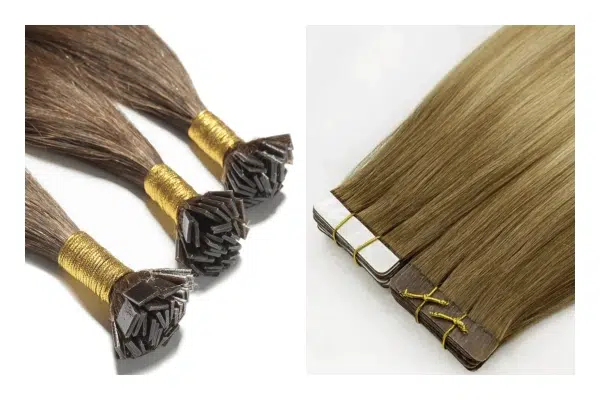
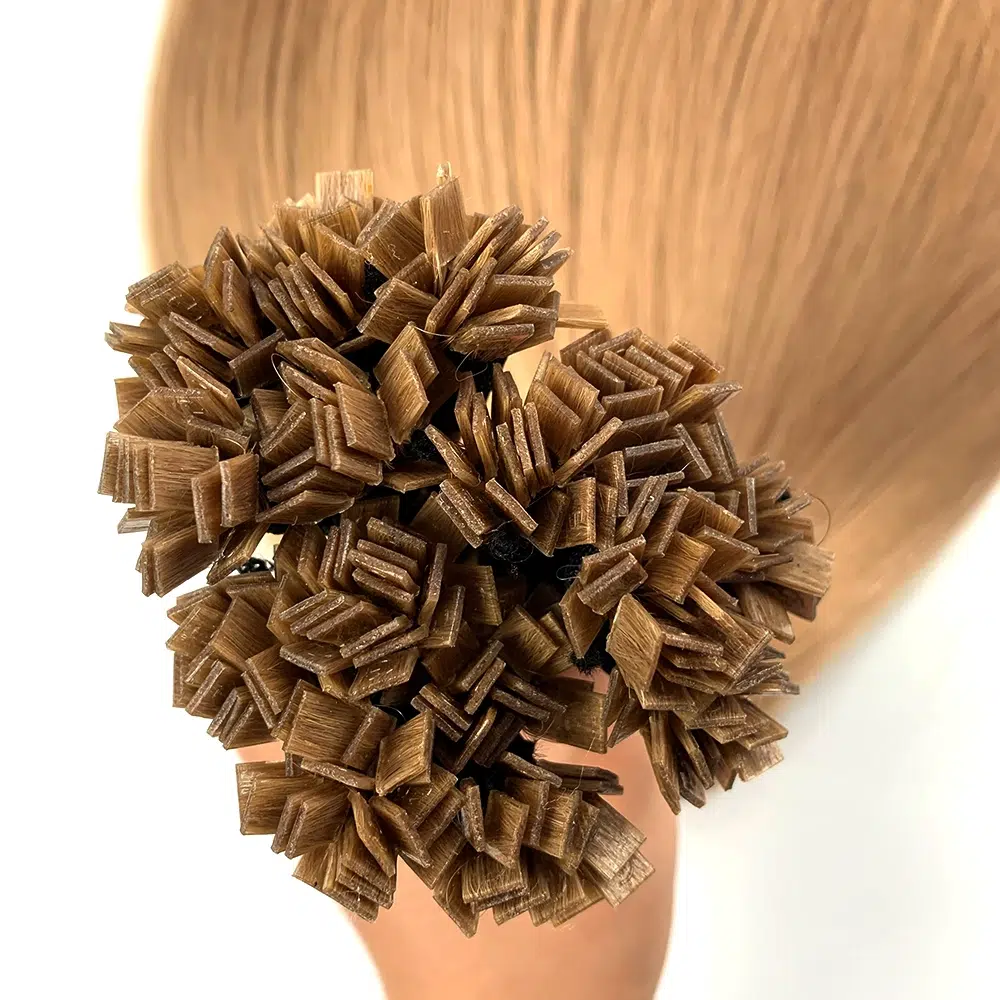
K tip extensions are individual bonded strands attached section by section, while tape-in extensions are flat adhesive tabs applied in sandwich-style panels. That structural difference is the reason they behave differently in daily wear and salon service.
K Tip Uses Individual Bonded Strands
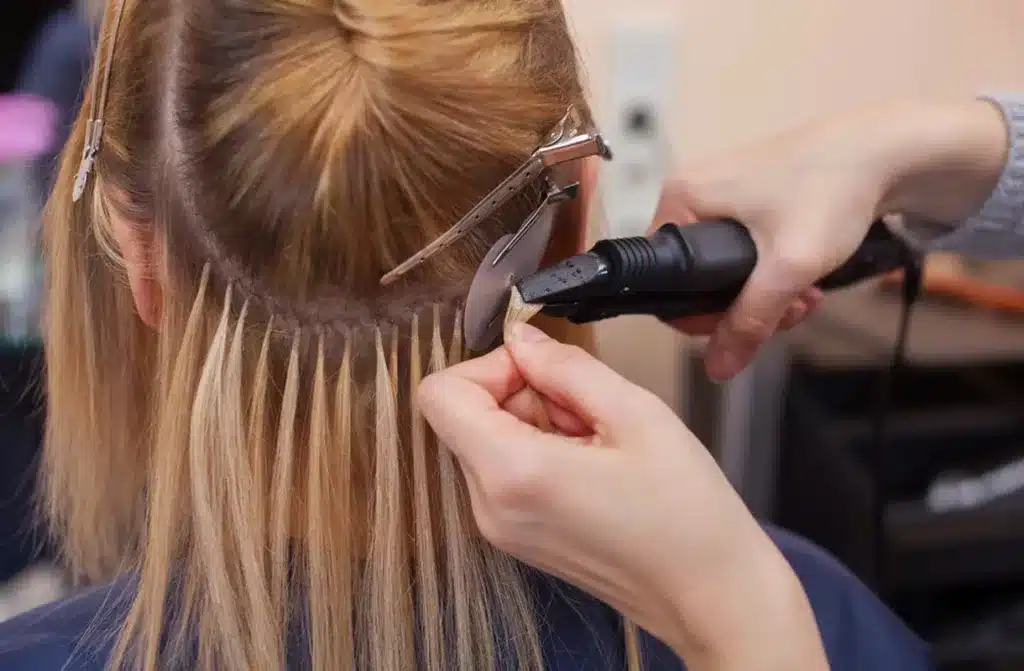
K tip extensions are usually installed as separate small strands. This gives the stylist more freedom in placement and can help the result feel more customized around the head shape.
Tape-in Uses Flat Adhesive Panels
Tape-ins usually work in paired tabs placed around a section of the natural hair. The method is flatter and faster, but the panel format is less individualized than strand-by-strand work. general hair extension methods including tape-in and fusion integration[^1]

Structure Affects Suitability
The more customized strand structure of K tip often suits clients who need more placement flexibility. The flatter panel logic of tape-ins often suits clients who prioritize speed and simpler service flow.
| Point | K Tip Extensions | Tape-in Extensions |
|---|---|---|
| Main structure | Individual bonded strands | Flat adhesive tabs |
| Placement style | More customized | More panel-based |
| Installation rhythm | Slower, section by section | Faster, panel by panel |
| Typical salon appeal | Precision and longevity | Speed and efficiency |
This structural difference is the foundation of everything else. Once I understand how the method is built, I can predict which clients are more likely to love it and which clients may struggle with it.
K tip gives me more detail in the placement. That can be a major advantage when the customer wants a more tailored result around different parts of the head. Tape-in gives me a flatter format and a faster workflow. That can be a major advantage when the customer wants efficient service, easier removal, or a more time-friendly maintenance routine.
Which Method Is Better for Different Customer Hair Types?
This is usually the most important question in real salon work. A method can be excellent on the right client and frustrating on the wrong one.
K tip extensions are often better for customers who need more flexible strand placement or who want a more customized result in mixed-density areas. Tape-in extensions are often better for customers whose hair can support flat panels and who want a quicker service.
K Tip Often Works Better for Customized Placement Needs
Because the strands are installed individually, I can adapt placement more precisely. That can help in areas where the customer’s density, head shape, or styling habits need more detailed planning.
Tape-in Often Works Better for Medium to Fuller Support Areas
Tape-ins usually perform best when the client’s natural hair can support the tab structure cleanly and when the salon wants a flatter panel result.
Fine Hair Needs Extra Care With Either Method
Neither method should be chosen only by trend. Fine hair clients need more careful evaluation because visibility and tension both matter.
| Customer Hair Situation | Often Better Fit |
|---|---|
| Needs more placement flexibility | K tip |
| Wants flatter faster service | Tape-in |
| Dense enough to support panels well | Tape-in |
| Needs more strand-by-strand customization | K tip |
This is where I always slow the decision down. A client may come in asking for a method by name, but that does not mean it is the best method for her. I look at density, scalp visibility, parting habits, and how she wears her hair day to day.
If the customer wants more individualized placement or the head shape makes panel placement harder to balance cleanly, K tip often gives me more control. If the customer has a hair pattern that supports flat tabs nicely and the main goal is efficiency with a polished finish, tape-in often becomes the easier fit.
Which One Is Better for Maintenance and Salon Workflow?
A method may look beautiful on install day and still be inefficient for the salon or too demanding for the client later. That is why I always compare maintenance and workflow, not just the first result.
Tape-in extensions are usually better for faster installation and simpler salon workflow, while K tip extensions are usually better for longer-wear clients who accept a more involved install and removal process.
Tape-in Usually Saves Chair Time
This is one of the strongest reasons salons like tape-ins. The install process is generally faster, and many stylists build service systems around that speed. how a tape-in move-up appointment is handled in salon maintenance[^2]

K Tip Usually Requires More Installation Time
Because the work is done strand by strand, K tip usually takes more time during the first service.
Removal and Reapplication Logic Are Different
Tape-ins are often easier to remove and reapply through a more repeatable salon workflow. K tip can offer long wear, but the service process is less quick and usually demands more installation discipline. how keratin bond installation is handled step by step in professional work[^3]
| Workflow Point | K Tip Extensions | Tape-in Extensions |
|---|---|---|
| Initial install time | Longer | Shorter |
| Salon service speed | Slower | Faster |
| Maintenance workflow | More involved | More efficient |
| Removal process | More detailed | Usually simpler |
| Best fit | Long-wear detailed clients | Time-efficient repeat clients |
This is where salon business logic becomes very important. A busy salon with clients who want fast appointments may prefer tape-ins more often. A salon that sells highly customized premium installs may choose K tip more often for the right customer type.
I do not think one method wins this category completely. Tape-in wins on efficiency. K tip can win on long-wear positioning and placement detail. The better method depends on whether the salon values faster workflow or more individualized strand work for that customer.
Which Method Is More Suitable for Different Customer Lifestyles?
A customer does not live in the salon. She lives with the extensions every day. That is why lifestyle fit matters just as much as installation technique.
K tip extensions are often more suitable for customers who want longer-term wear and accept a more committed service routine. Tape-in extensions are often more suitable for customers who prefer easier appointments, quicker salon visits, and a more flexible maintenance schedule.
K Tip Suits More Committed Wearers
Customers who are comfortable with a more serious install and a longer-wear mindset often fit K tip better.
Tape-in Suits Convenience-Oriented Clients
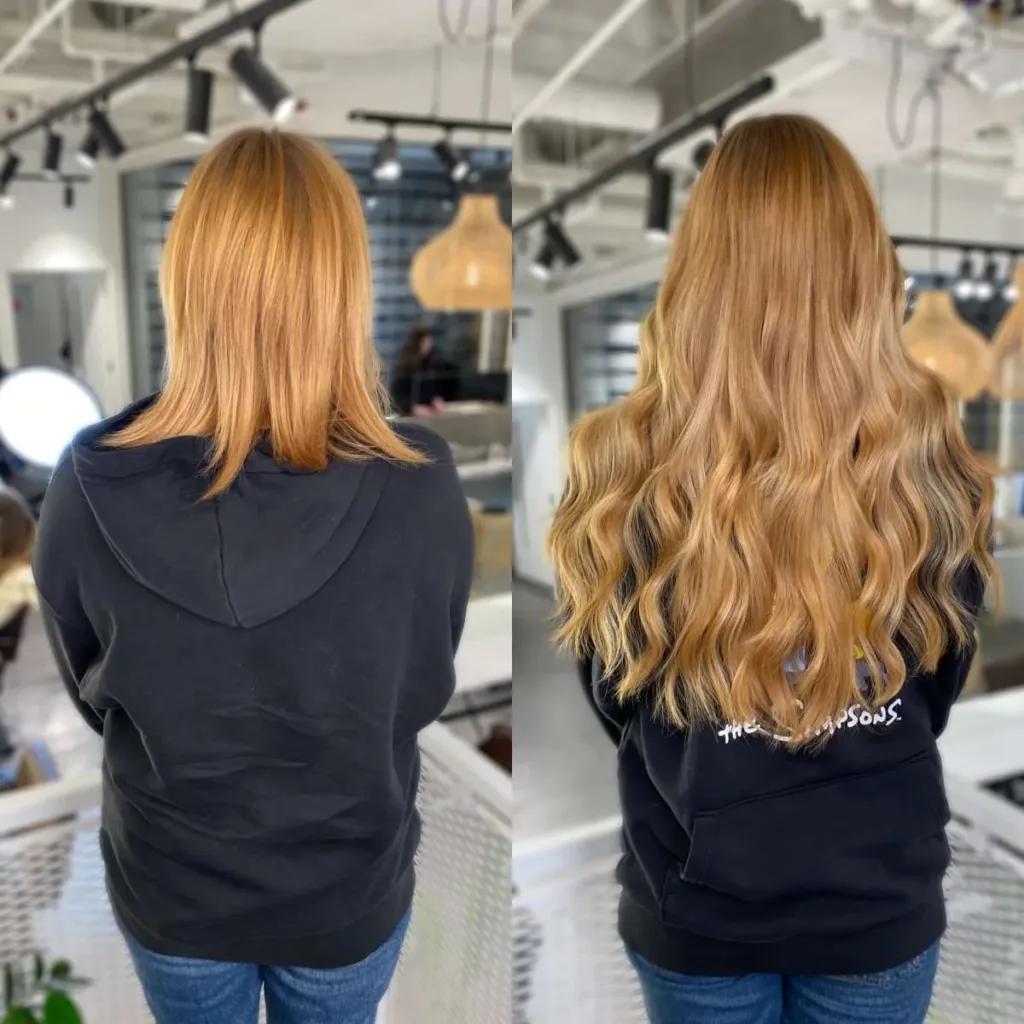
Clients who want easier appointments and faster maintenance often feel more comfortable with tape-ins.
Lifestyle Often Decides Satisfaction
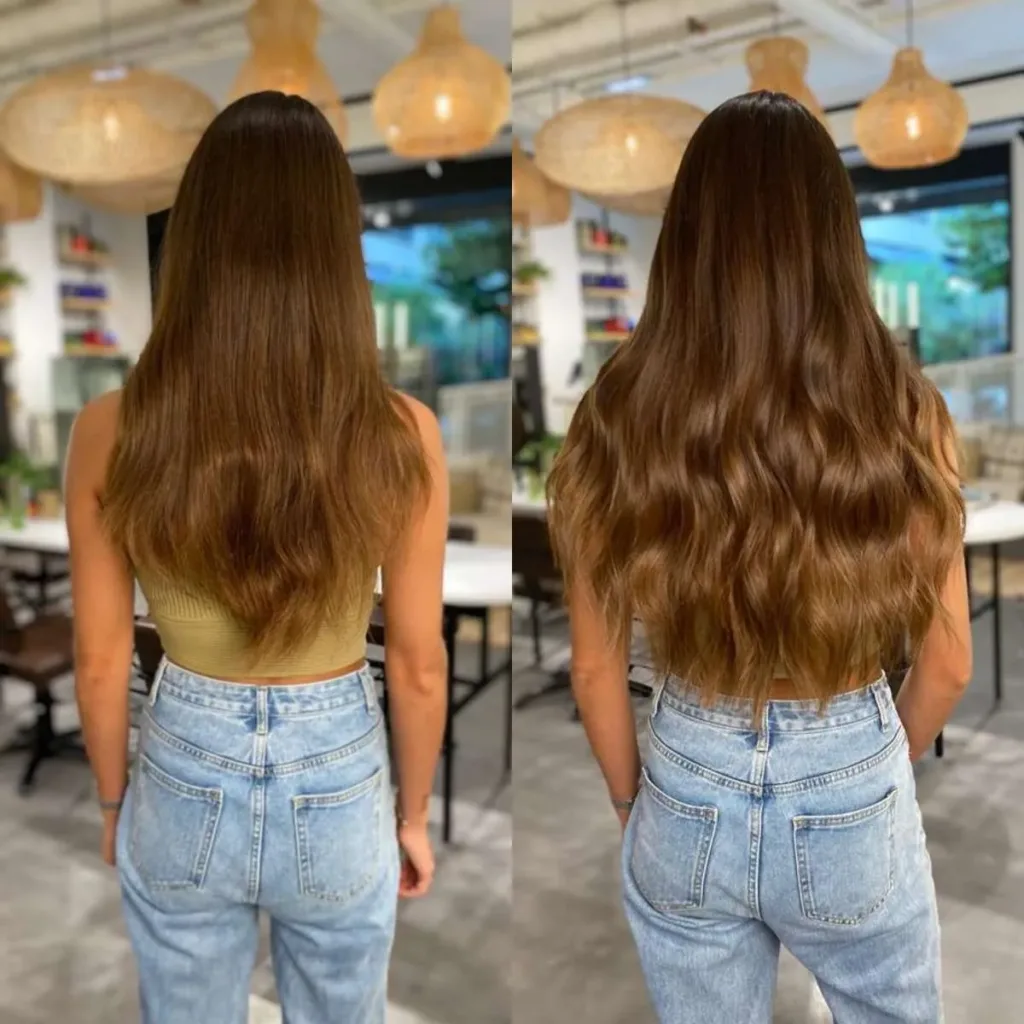
Even a good method becomes a bad experience if it does not match the customer’s real habits.
| Customer Lifestyle Need | Often Better Fit |
|---|---|
| Wants longer-wear commitment | K tip |
| Wants quick salon visits | Tape-in |
| Comfortable with more detailed install | K tip |
| Prefers easier maintenance rhythm | Tape-in |
This is where I often see the biggest mistakes. A client chooses the method that looks exciting online, but not the method that actually fits her routine. If she hates long appointments, does not want a more complex install, or prefers a more service-friendly move-up rhythm, tape-in often makes more sense. If she wants a more committed long-wear option and is willing to invest in a detailed install, K tip may fit better.
My View
From my perspective, the better method is the one that matches the customer, not the one with the louder marketing.
K tip is often stronger when I need more placement flexibility, more customization, and a longer-wear mindset. Tape-in is often stronger when I want faster installation, easier workflow, and a more time-efficient maintenance system.
That is why I do not ask, “Which one is better?” I ask, “Which customer is this method better for?” That question leads to much better salon results.
Conclusion
K tip and tape-in extensions both work well, but they serve different customer needs. K tip usually fits longer-wear and more customized placement. Tape-in usually fits faster service and easier maintenance.