If you are tired of dealing with thin, lifeless hair or extensions that slip and tangle after just a few weeks, beaded weft extensions might be the perfect solution you’ve been looking for. They are highly sought after for their seamless blend, comfort, and volume. But before making the investment, one crucial question always comes up: **How long do beaded weft extensions actually last?
The lifespan of your extensions is a partnership between the quality of the hair you buy and the daily habits you practice. In this comprehensive guide, we will break down exactly how much time you can get out of your beaded wefts and how to maximize your investment.

How Long Do Beaded Wefts Last?
On average, high-quality beaded weft extensions (especially those made from 100% Remy human hair) can last anywhere from 6 to 12 months.
However, this timeline is not absolute. Your extensions will require maintenance along the way. While the hair itself can last up to a year, the installation needs to be adjusted every 6 to 8 weeks as your natural hair grows.
Not all extensions are created equal, and not all hair care routines yield the same results. Here is what ultimately decides how long your wefts will survive:
1. Hair Quality
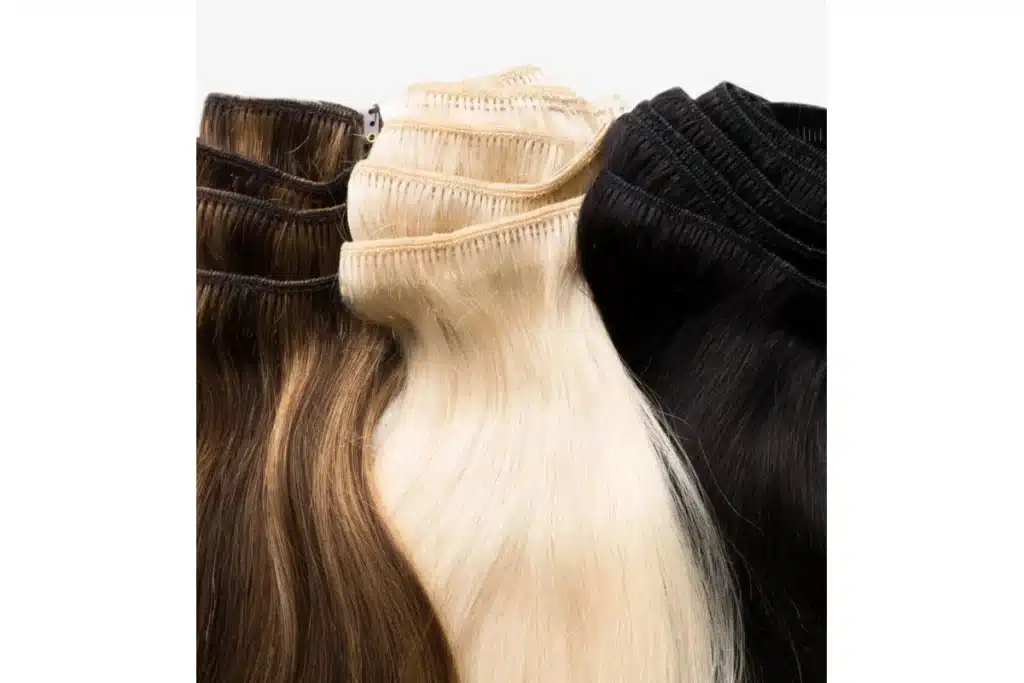
The quality of the hair used in the extensions plays a major role in how long they will last. The better the hair, the longer it will hold up. Here’s a breakdown of the most common types of hair used in beaded weft extensions:
Full Cuticle Hair: Full cuticle hair is the highest quality option and can last between 1 to 2 years with proper care. This hair maintains its integrity because the cuticle (the protective outer layer) is intact and aligned, helping prevent tangling and ensuring a smooth, natural look for a longer period.
Remy Hair: Remy hair, while still high-quality, generally lasts 4 to 6 months. The cuticles are aligned, which helps preserve the hair’s natural look, but because it’s not as durable as full cuticle hair, it needs a bit more care to prevent premature wear.
Non-Remy Hair: Non-Remy hair, which is less expensive and often used in budget extensions, lasts between 1 to 3 months. This hair is often not as well-maintained, meaning the cuticles may not be aligned, which can lead to quicker tangling and breakage.
When purchasing beaded wefts, it’s essential to ask about the hair quality, as the type of hair directly affects the lifespan of the extensions. The price is often a good indicator of the quality as well.

2. Hair Growth Rate
The speed at which your client’s natural hair grows will influence how quickly the beaded extensions need to be moved up. As the natural hair grows, the beads will gradually move down the scalp, causing the wefts to loosen.
Typically, beaded wefts need to be moved up every 6 to 8 weeks as hair grows. This period marks the typical time frame for a move-up appointment, but it can vary depending on how quickly your client’s hair grows. Faster hair growth means more frequent appointments.
3. Maintenance
Proper aftercare and maintenance are crucial for the longevity of beaded weft extensions. Clients who follow the recommended aftercare routine will maximize the life of their extensions. This includes:
Using sulfate-free shampoos to prevent stripping the hair of moisture.
Avoiding excessive heat styling to maintain the texture and prevent damage.
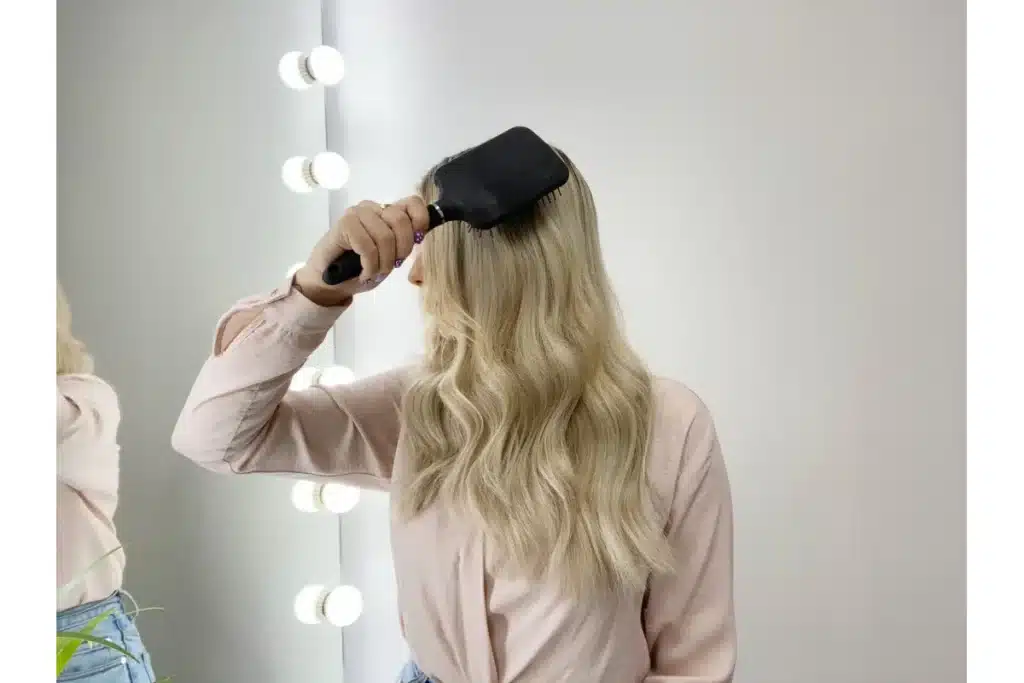
Brushing carefully with a looped or extension-specific brush to avoid tangling and breakage.
Without proper maintenance, the extensions can quickly deteriorate, leading to tangling, shedding, or even slippage of the beads.
4. Application Quality
The skill of the stylist during installation is crucial for the longevity of beaded wefts. If the beads are applied with the right tension and positioned properly, the extensions will stay in place longer and cause less damage to natural hair.
Improper installation, such as beads placed too tightly or too close to the scalp, can cause discomfort, slipping, and premature wear. Ensuring that the beads are applied with care will not only improve the comfort of your clients but will also help the extensions last longer.
5. Hair Type
The natural texture and thickness of your client’s hair also play a role in how well the extensions stay in place. Clients with thicker or coarser hair may experience a more secure hold, which can extend the lifespan of their extensions.
However, for clients with fine or fragile hair, the extensions may slip or shift more quickly. They may need to come in more often for move-ups to maintain the look and avoid damage to their natural hair.
Move-Up Timing vs Hair Lifespan
| Item | Typical Timing | What It Means |
|---|---|---|
| Move-up appointment | Every 6–8 weeks | Beads and rows are adjusted as natural hair grows |
| Weft install cycle | 6–8 weeks | The current placement should be checked and refitted |
| Hair reuse lifespan | Several months to over 1 year | Depends on hair quality and care |
| Full cuticle hair | Often 1–2 years with proper care | Better long-term reuse potential |
| Remy hair | Often 4–6 months | Quality varies by supplier |
| Non-Remy hair | Often 1–3 months | Higher tangling and matting risk |
The move-up cycle is not the same as the hair lifespan. A client may need a move-up every few weeks, while the same high-quality weft hair can still be reused.
Maximizing the Lifespan of Beaded Weft Extensions
To get the most out of beaded weft extensions, here are a few tips for both stylists and clients:
1. Regular Move-Up Appointments
Clients should return every 6–8 weeks for a move-up appointment. This ensures that the extensions stay secure and comfortable as their natural hair grows. It also helps prevent tension and breakage at the bead attachment points.
2. Proper Aftercare
Encourage your clients to follow a proper aftercare routine. This includes using gentle, sulfate-free shampoos, avoiding products that can weaken the beads, and brushing regularly with a looped brush to prevent tangling. Keeping the hair healthy and free of excessive oils or product buildup is key to maintaining the extensions’ longevity.
3. Avoiding Excessive Heat
Excessive heat styling can damage both the natural hair and the extensions. Suggest to your clients that they limit the use of hot tools, or at least use them on a low heat setting. Encourage heat-free styles to maintain the extensions’ quality over time.
4. Avoiding Oils at the Roots
Oily products can break down the beads over time, causing them to slip. Advise clients to avoid applying oil-based products directly to the roots or bead areas to keep the extensions secure.
Signs It’s Time for a Refit
Even with the best care, your clients will need to come back for a refit. Watch out for these signs:
1. Slipping Beads
If the beads are slipping or loosening, it’s time for a maintenance appointment. This often occurs when the hair has grown enough to push the beads downward.
2. Tangling
If the extensions are tangling more than usual or losing their smooth texture, it may be time to refresh the set. This can happen if the extensions are over-styled, or if the hair has not been properly maintained.
3. Discomfort
If your client begins to feel discomfort around the bead area—such as tightness or itching—it’s likely that the beads were placed too tightly or need to be repositioned. This is a good opportunity for a refit and to ensure comfort and longevity.

FAQs About Beaded Weft Extension Lifespan
How long do beaded weft extensions last?
Beaded weft extensions usually need a move-up every 6–8 weeks. The hair itself can last longer depending on hair quality, care, and reuse condition.
How often should beaded wefts be moved up?
Most clients need a move-up every 6–8 weeks. Faster hair growth, fine hair, oily scalp, or slipping may require earlier maintenance.
Can beaded weft extensions be reused?
Yes, high-quality beaded weft extensions can be reused when removed and reinstalled properly. Full cuticle hair usually has better reuse value.
Why do beaded wefts slip?
Beaded wefts may slip because of oily roots, wrong bead size, poor sectioning, weak bead grip, or late maintenance.
How can clients make beaded wefts last longer?
Clients should brush gently, avoid oils near the beads, use sulfate-free shampoo, dry the root area properly, and book move-ups on time.
When should beaded wefts be replaced?
Replace the wefts when the hair becomes dry, tangled, thin, shedding heavily, or no longer blends well after washing and styling.
Conclusion
Beaded weft extensions usually need a move-up every 6–8 weeks, but the extension hair can last much longer when the quality is good and the care routine is correct.
Hair quality, installation tension, bead placement, brushing, washing, heat styling, and maintenance timing all affect the final lifespan.
For salons, the safest approach is to explain the difference between move-up timing and hair reuse lifespan. That avoids wrong expectations and helps clients maintain better results.