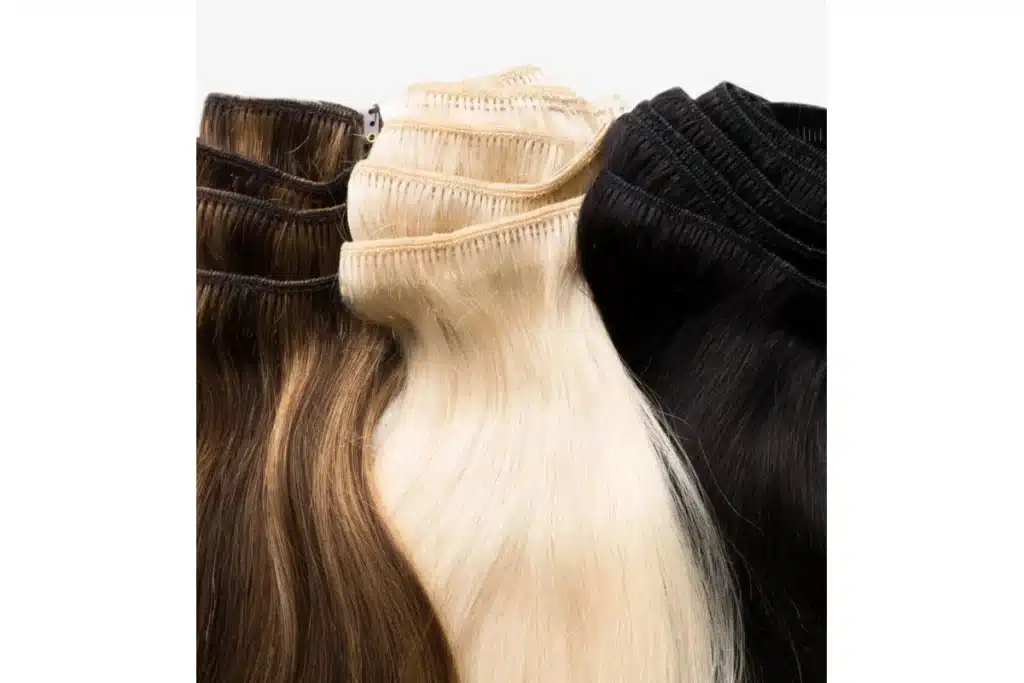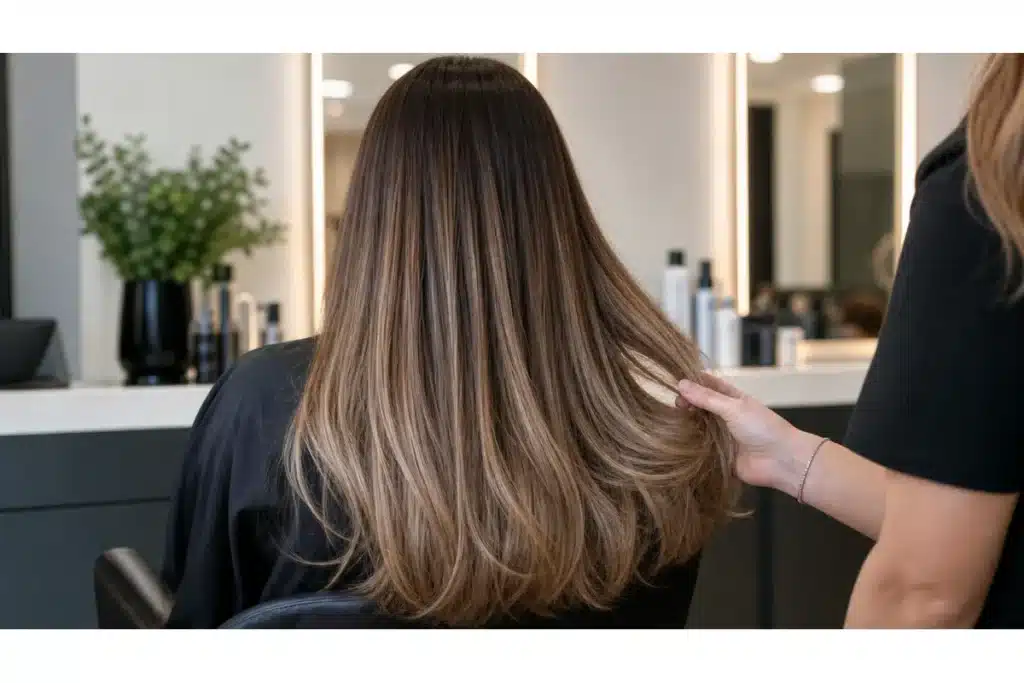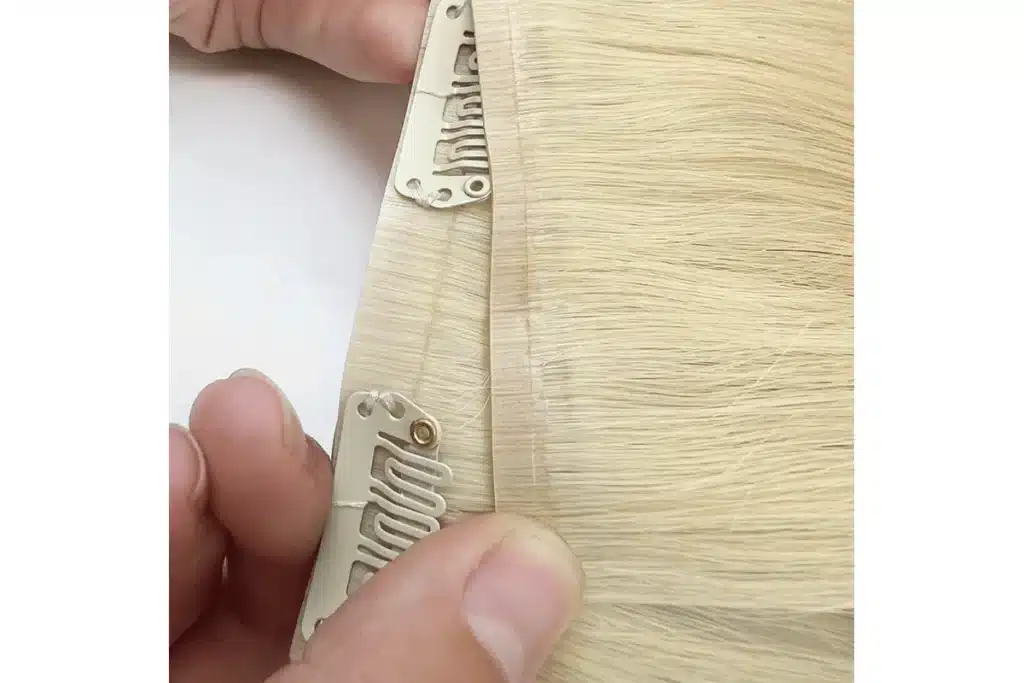
Thin hair can expose bulky tabs, weak blending, and excess weight. A poor tape-in choice can quickly become a comfort, retention, and complaint problem.
The best tape-in hair extensions for thin hair are lightweight micro tapes, invisible PU tape-ins, and carefully selected long tape wefts. The right option depends on hair density, attachment visibility, gram weight, and whether the client needs subtle volume or fuller coverage.
Before selecting a product, stylists must separate fine hair from active thinning, calculate the planned weight, and check how much natural hair will cover each attachment. This guide compares the three options and explains what salons should test before ordering.

Fine Hair and Thinning Hair Are Not the Same
Fine hair describes the diameter of each strand. A client can have fine strands but still have medium or high overall density.
Thinning hair means the client has reduced density, visible scalp areas, active shedding, or weaker coverage. These clients need a more cautious suitability assessment.
Before recommending tape-ins, check:
- Strand diameter
- Overall density
- Hairline strength
- Visible scalp areas
- Current shedding
- Scalp sensitivity
- Breakage around the sides or temples
- Whether enough natural hair can cover the tape tabs
A lightweight product may suit fine but healthy hair. It may still be inappropriate for a client with active shedding, fragile attachment areas, or insufficient coverage.
Which Tape-In Extensions Work Best for Thin Hair?
The three most useful options are not interchangeable. Each solves a different visibility, weight, and coverage problem.
| Tape-In Type | Best For | Main Advantage | Main Risk |
|---|---|---|---|
| Micro Tape-In | Fine hair, sides, temples, targeted filling | Small attachment footprint | Too many small bonds can increase installation time and total attachment count |
| Invisible PU Tape-In | Fine hair with enough coverage | Hair appears to grow from the PU tab | Tab visibility increases if sections are too thin |
| Long Tape Weft | Broader volume areas and fuller coverage | Wider distribution across one section | Total gram weight may be too high for fragile hair |
Salon Resource: Thin-Hair Tape-In Selection Checklist
Compare tape size, PU thickness, gram weight, adhesive performance, section density, and sample quality before adding a new tape-in product to your salon menu.
Request the checklist, sample plan, and wholesale pricing
Micro Tape-In Extensions: Best for Targeted Placement
Micro tape-ins use a smaller attachment footprint than standard tape tabs. They are useful around the sides, finer sections, and areas where a full-width tab may be difficult to hide.
Their main advantage is placement control.
However, smaller does not automatically mean safer. A stylist who installs too many micro bonds can still add excessive total weight or create too many attachment points.
Check:
- Hair weight per piece
- Tape-tab dimensions
- Number of pieces used
- Natural hair inside each section
- Distance from the hairline
- Whether the tab remains covered when the hair moves
Micro tapes work best when they are used selectively rather than filling the entire head with the maximum possible number of attachments.

Long Tape Wefts: Best for Wider Coverage
Long tape wefts cover a wider horizontal area than individual tape tabs. They can be useful when a client needs broader volume without placing many small attachments across the same row.
A wider bonding footprint may distribute the product across a larger section, but the stylist still needs to check total gram weight.
For thin hair, evaluate:
- Width of the tape base
- Weight of the complete weft
- Natural density supporting the row
- Whether the base lies flat
- Whether the weft can be customized safely
- How much natural hair covers the attachment
Avoid describing long tape wefts as “tension-free.” Every extension adds some weight. The goal is controlled weight distribution and suitable placement.
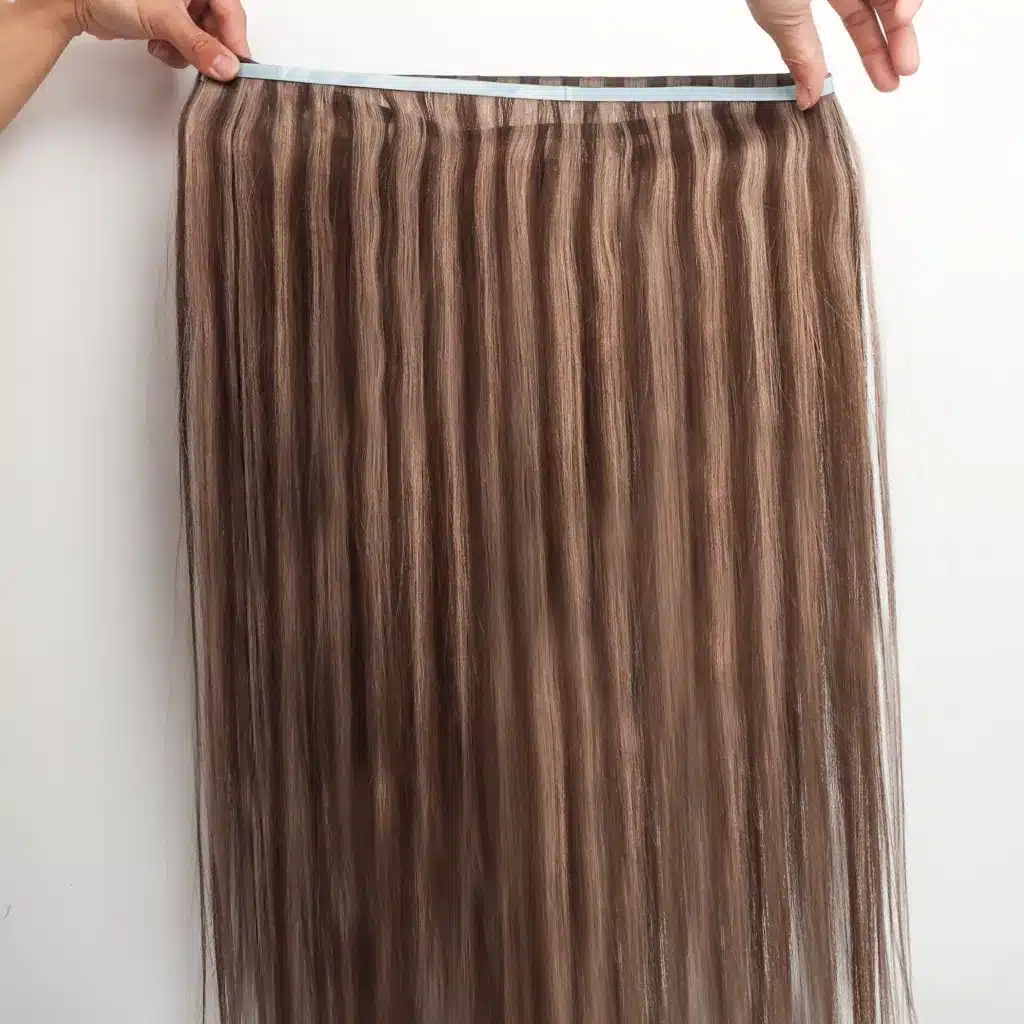
Invisible PU Tape-Ins: Best for a Natural Root Appearance
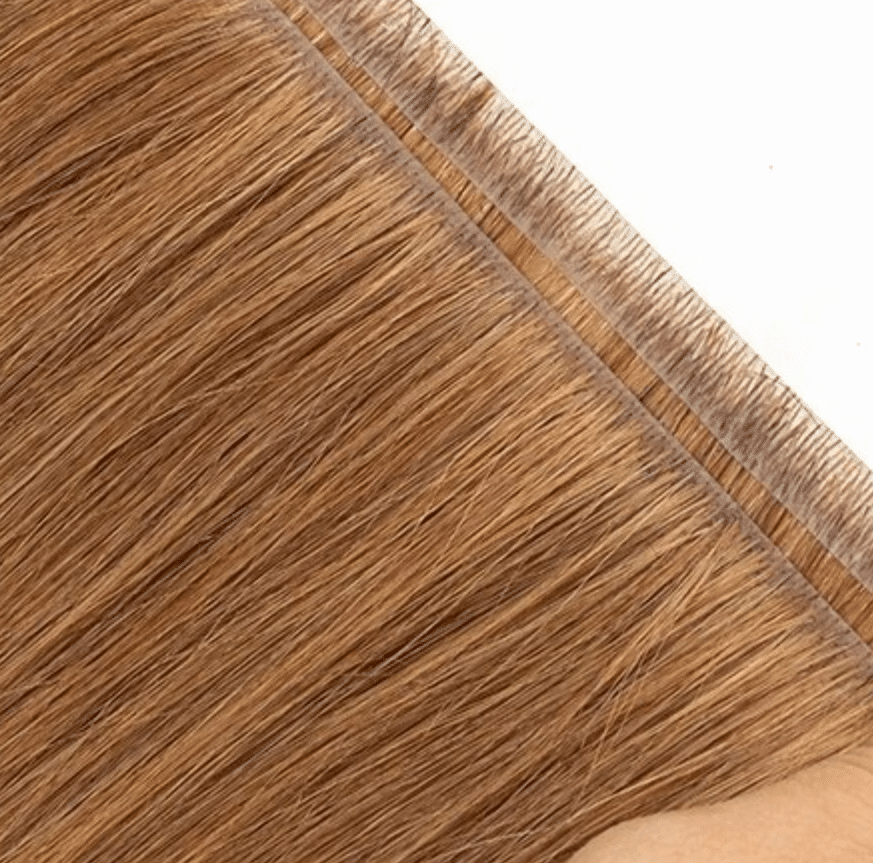
Invisible tape-ins use hair injected or attached through a thin polyurethane base. This helps conceal the attachment and can create the appearance of hair growing through the tab.
They are useful for clients who have fine hair but still have enough density to cover the attachment.
The result depends on:
- PU-base thickness
- Tab flexibility
- Hair weight per piece
- Injection consistency
- Adhesive quality
- Section thickness
- Color match near the root
Invisible tape does not mean invisible in every placement. If the natural section is too thin, the tab may show through or become visible when the client changes the parting.
Professional Checklist: What Makes Tape-In Extensions Great for Thin Hair?
For thin hair, the best tape-in extensions should always feature:
- ✅ Medical-Grade Gentle Adhesive:
Essential for thin hair to prevent damage during application and removal. - ✅ Ultra-Thin & Lightweight Construction:
Ensures extensions remain comfortable and stress-free for daily wear. - ✅ Invisible Blending Capability:
Extensions should blend seamlessly, completely undetectable even in sparse areas. - ✅ Consistent, High-Quality Remy Hair:
Premium-quality, ethically sourced Remy hair with intact cuticles, ensuring durability and easy maintenance. - ✅ Longevity & Reusability:
Premium extensions last multiple uses (1–2 years), delivering value and consistent results for your clients.
How to Perfectly Install Each Extension Type on Thin Hair (Pro Methods)
Professional installation matters. Here’s how I get the best results with each type:
Installing Micro Tape-In Extensions:
- Section hair into ultra-fine segments to maintain invisibility.
- Place Micro Tape slightly away from the scalp, gently folding adhesive around natural hair.
- Keep attachments spaced out evenly for natural, comfortable volume distribution.
Installing Long Tape Weft Extensions:
- Carefully measure and trim wefts precisely to your client’s head size.
- Attach single wefts directly to hair sections using gentle, medical-grade adhesive.
- Press firmly to secure without gaps; avoid overlap to minimize bulk.
Installing Invisible Tape Wefts:
- Select horizontal hair sections that offer ideal coverage without adding excessive weight.
- Carefully align the ultra-thin PU bases flat against the scalp for an undetectable finish.
- Press gently yet firmly to bond securely; invisible bonds ensure natural results.
These installation techniques ensure safety, durability, and flawless results every single time.
Essential Aftercare Tips for Thin Hair with Tape-In Extensions
Great installation is just step one. Keep thin hair healthy and extensions beautiful with these expert tips:
- Gentle Daily Brushing: Use soft-bristle brushes or wide-tooth combs, starting from ends and moving up gently.
- Specialized Haircare Products: Recommend sulfate-free, extension-friendly shampoos and conditioners.
- Avoid Direct Heat: Educate clients to keep styling tools away from adhesive bonds.
- Regular Salon Maintenance: Schedule repositioning and check-ups every 6–8 weeks to ensure hair remains healthy.
- Nighttime Care: Suggest clients sleep on silk pillowcases and use soft scrunchies to reduce friction and protect delicate hair.

FAQs About Tape-In Extensions for Thin Hair
What are the best tape-in extensions for thin hair?
Micro tape-ins are useful for targeted placement, invisible PU tape-ins help create a natural root appearance, and long tape wefts provide broader coverage. The best choice depends on density, coverage, total weight, and the client’s desired result.
Are invisible tape-ins suitable for very fine hair?
They can be suitable when the client has enough natural hair to cover and support the tab. They may still show if the section is too thin or placed too close to the parting.
Are tape-in extensions damage-free?
No extension method should be described as completely damage-free. The risk depends on client suitability, attachment weight, installation, maintenance, removal, and home care.
Can tape-ins be used on thinning hair?
Use caution. Clients with active shedding, weak attachment areas, scalp irritation, or visible density loss may not be suitable candidates. A professional assessment should come before product selection.
How many tape-in pieces are needed for fine hair?
The quantity depends on hair density, haircut, desired length, and hair weight per piece. Volume-only services usually need fewer pieces than a full length transformation.
How long can tape-in hair be reused?
Reuse depends on hair quality, chemical processing, home care, heat exposure, removal technique, and PU-tab condition. Avoid promising a fixed lifespan before sample and client-use testing.
What Salon Buyers Should Ask a Tape-In Supplier
A supplier should provide more than a soft display sample and a color chart.
Ask for:
- Net grams per pack
- Number of pieces per pack
- Hair weight per piece
- Tape-tab width and height
- PU-base thickness
- Adhesive replacement options
- Rooted and blended color consistency
- Hair processing history
- Cuticle specification
- Sample-to-bulk consistency controls
- Private label packaging options
- Complaint and replacement procedure
When reviewing professional tape-in hair extensions, compare Micro Tape, Invisible Tape, and wider tape-weft options using the same washing and adhesive tests.
Start with samples before approving bulk production. This helps the salon or brand verify whether the product fits fine-haired clients rather than relying only on supplier descriptions.
Conclusion
The best tape-in hair extensions for thin hair are not simply the smallest or most invisible products.
Micro tapes provide targeted placement. Invisible PU tape-ins create a more natural-looking attachment. Long tape wefts can provide wider coverage when the client has enough density to support the total weight.
For salons and hair brands, the final decision should be based on natural-hair density, attachment visibility, grams per piece, PU construction, adhesive performance, after-wash quality, and sample consistency.
Avoid promising damage-free wear or a fixed lifespan. Choose the product only after checking client suitability and testing several samples from the same production lot.
You can contact Hibiscus Hair to request the thin-hair tape-in checklist, product samples, wholesale pricing, or a recommendation for your salon or brand.