A client wants brighter hair but dreads another bleach appointment. We start with a color test, because the wrong extension shade can create a visible stripe.
Highlights with hair extensions add lighter, pre-colored strands among natural hair, so a stylist can create contrast without bleaching the client’s own hair. We recommend checking shade depth, visible placement, attachment coverage, and hair strength first. The method works best when the desired brightness can sit below a concealed attachment.
A caramel piece can look lovely against a color ring and disappear completely under a client’s top layers. A paler piece can show beautifully, then reveal its tab when she tucks her hair behind an ear. Those are the details we would settle before ordering a full pack.
How Do Highlights with Hair Extensions Work Without Bleach?
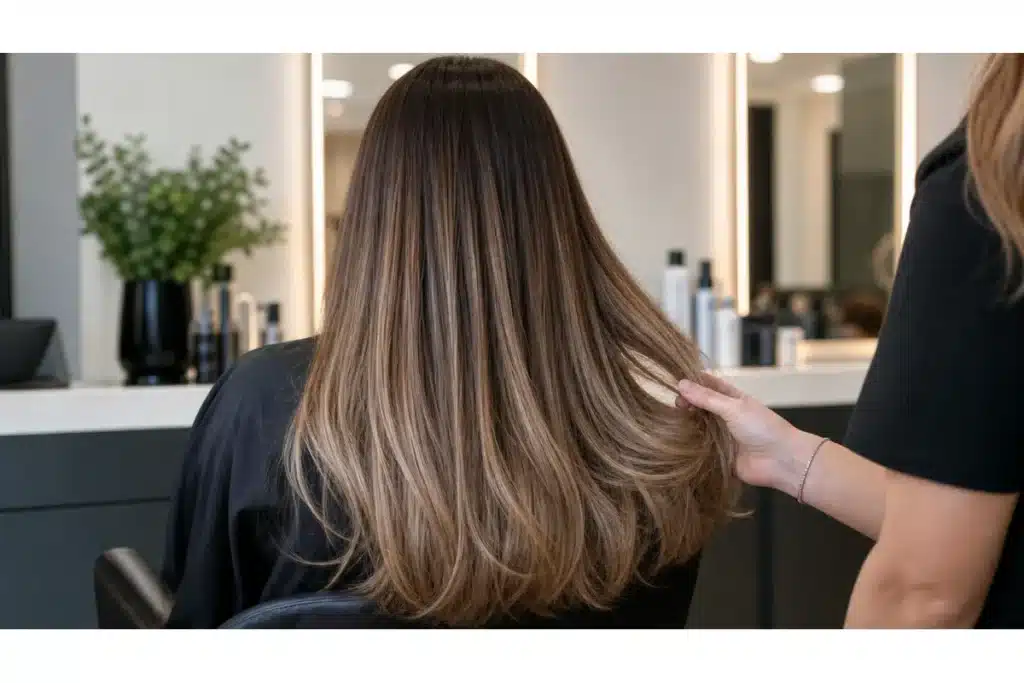
The added hair supplies the lighter color. The client’s natural hair keeps its existing shade, while the extension pieces create selected ribbons of brightness.
This approach fits the softer color direction discussed in Allure’s fall 2026 report, which includes amber highlights and caramel pieces toward the front. That is a styling reference, not proof that every client needs extensions. [1]
The service adds color in selected areas. Extensions cannot lighten exposed natural roots or paint tiny babylights across the surface of the head. They also add hair, so density changes along with color.
What changes when the color comes from added hair?
| Product parameter | Solid accent pieces | Rooted or blended pieces | Salon check |
|---|---|---|---|
| Color at the attachment | The accent shade continues to the top | A darker root or mixed top can soften contrast | Check against the natural hair covering the attachment |
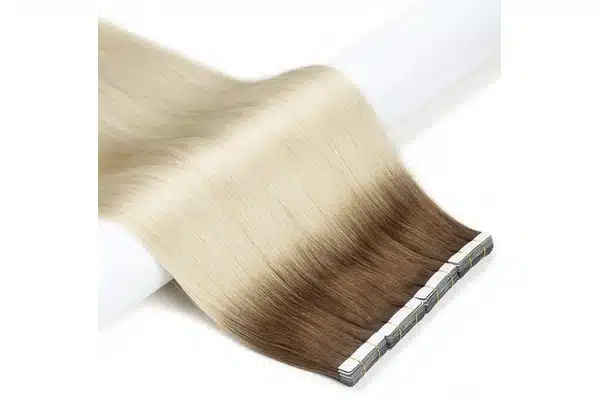
| Bright-color distribution | A concentrated lighter ribbon | A softer mix or a transition into lighter ends | Compare the visible result with the client’s hair down |
| Attachment width and weight | Depend on the chosen tape, bond, or clip format | Depend on construction, not the color label | Record dimensions and grams per piece before ordering |
| Finished length and end fullness | Can create a bright, dense strip through the ends | Can spread the accent across several tones | Check where the color will remain after the blend cut |
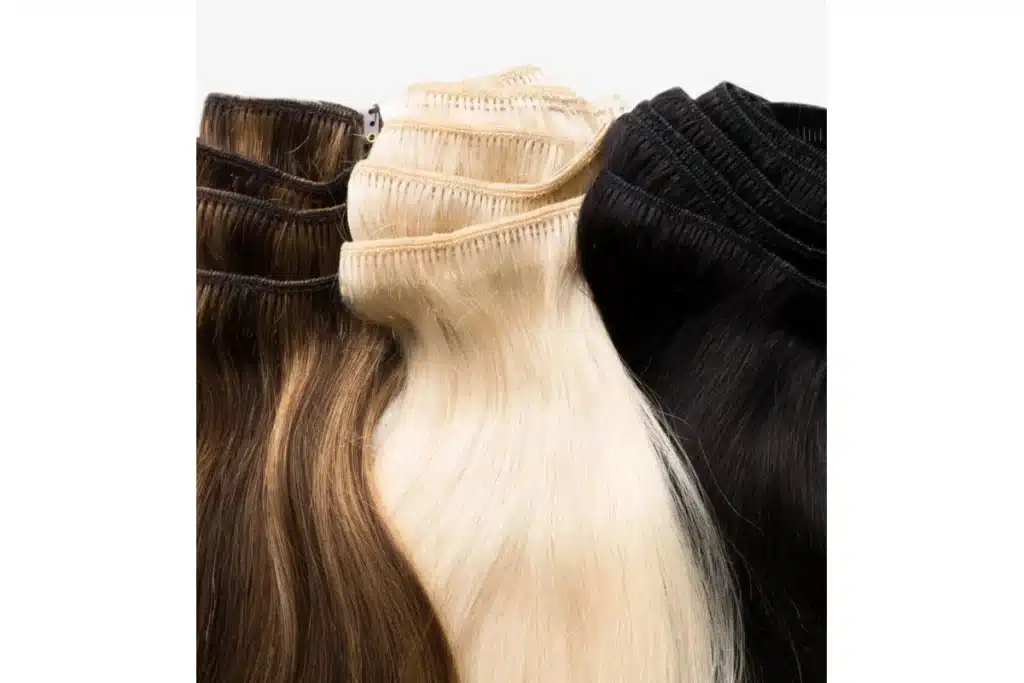
The extension hair itself may already have been lightened or colored during production. We use “no bleach” here to mean that this service does not bleach the client’s own hair. It does not mean untreated extension hair or zero maintenance.
Why Can the Shade Match but the Highlights Still Look Wrong?
A convincing highlight needs the right amount of contrast in the right visible position. A matching swatch alone cannot show how the finished hairstyle will move.
Vogue’s hair-contouring report describes selective brightness around the face rather than all-over lightening. For extension planning, our next question is where that bright hair can emerge while its attachment stays covered. [2]
We check the whole length, not only the top
One recorded color complaint concerned shade 1001: the hair looked very light at the top and darker yellow at the ends. The customer could not get an exact match.
We recommend comparing the top, middle, and ends against the client’s hair, then repeating the check after a sample wash and dry. A curled photograph can hide a tonal difference that appears when the hair hangs straight.
The preview should include ordinary movement
The consultation should include candidate colors held against the intended area. The client can wear her usual parting, turn her head, and tuck her hair back. If the color vanishes, its position or contrast needs review. If the attachment would show, moving it closer to the hairline is not the answer.
A very light piece may look like a stripe against a deep base. A softer accent, a rooted piece, or fewer visible ribbons may fit the brief better. The choice depends on whether the client actually wants a bold money piece or a quiet change.
Which Attachments Suit a Partial Highlight Service?
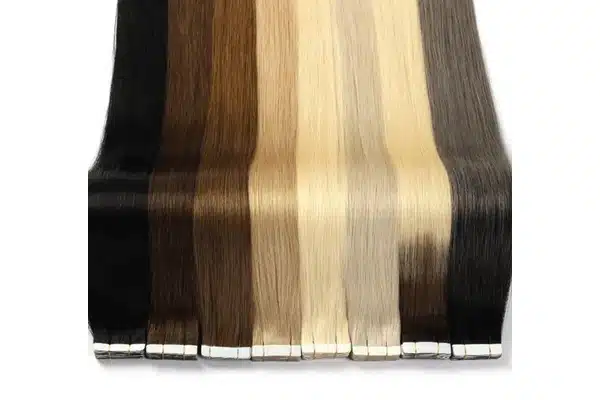
Tape-ins can create wider color ribbons, individual bonds allow smaller accents, and clip-ins suit removable color. The client’s coverage and attachment tolerance decide which option is usable.
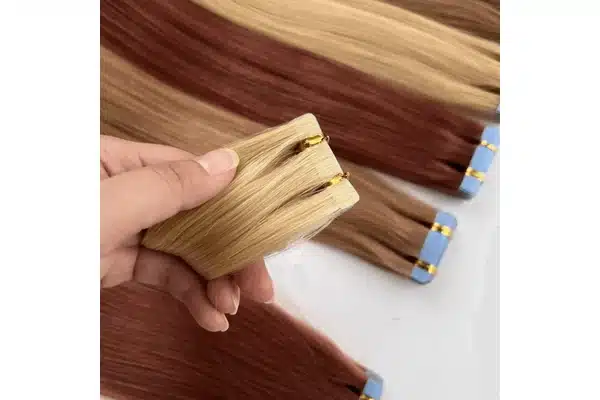
A tape-based service starts with choosing an appropriate format from our tape in hair extensions range. A flat panel can work where enough natural hair covers its full width during movement. The chosen tape system must also allow the planned application.
Our keratin hair extensions range includes individual-strand formats for narrower accents. A small bond still needs suitable supporting hair. A client who only wants occasional brightness may prefer removable clip-ins.
When would we stop the plan?
We would pause if a client has active hair loss, painful areas, or too little coverage to conceal an attachment. A scalp concern needs assessment before a cosmetic service. The American Academy of Dermatology warns that extensions can damage hair through pulling and advises that pain or a headache during installation signals excessive tightness. [3]
Skipping bleach does not remove that mechanical risk. We would never sell this as a damage-free workaround for fragile hair.
What Should a Salon Approve Before Ordering More Hair?
Approve a physical color sample, the piece specification, and a realistic wear plan before turning a successful consultation into a stock order.
Our suggested order sheet covers four details:
- The salon records its base shade, accent shade, and approved physical sample reference.
- The buyer records any root length or color blend, plus the supplier’s shade code.
- The installer confirms the attachment format, piece width, grams per piece, and intended finished length.
- The salon agrees on care, removal or reapplication, and what happens if the client changes her base color.
For a partial color service, grams per pack do not tell the whole story. A 50 g pack with heavier individual pieces offers a different layout from one with lighter pieces. We would confirm piece count and construction before estimating services per pack.
The salon should retain an approved sample and compare the next delivery with it before allocating hair to appointments. A phone image helps explain the look, but it is a weak color standard on its own.
Send us the base shade, desired accent, finished length, and preferred attachment. We can discuss sample options and the specifications your salon should confirm.
Ask About Highlight Extension SamplesMy View
We would rather approve a modest color change that still works on an ordinary Tuesday than a dramatic result that only looks right in the salon photograph. A client may love the finished blowout and still struggle with the same pieces when she wears a low ponytail at work.
From our factory perspective, the useful brief is specific: the base is staying dark, the client wants soft brightness through the front lengths, and the attachment must remain covered. That gives a buyer something to test. “Natural blonde highlights” leaves too much room for different interpretations.
A sample earns its place by exposing problems before a bulk order. Ends that look too warm, accents that disappear, or panels that feel too heavy are reasons to revise the specification before committing to volume.
Frequently Asked Questions
Can dark hair have extension highlights without being bleached?
Yes. Lighter pieces can add visible contrast while the natural hair stays dark. We would preview both the shade and its placement, since added hair cannot lighten the exposed root area.
Can a stylist make a bright money piece this way?
Sometimes. The front needs enough natural coverage to hide and support the attachment. We would decline that placement if it depends on attaching hair to a fragile or exposed hairline.
How many tape-in pieces are needed for highlights?
We cannot give one reliable count for every client. Piece width, grams, contrast, placement, and the desired amount of brightness determine the plan. A full-head pack calculation does not suit every partial-color service.
Can the salon tone the extensions after installation?
We recommend choosing an approved shade first. Any later color work needs the supplier’s guidance and a separate test piece, since processed extension hair may respond differently from the client’s hair.
Conclusion
Highlights with hair extensions can add brightness without bleaching a client’s own hair when the color can emerge from a well-concealed, suitable attachment. We recommend approving the moving, everyday result before the stock order. A clear sample and placement brief give the salon a much better starting point than a trend photo alone.