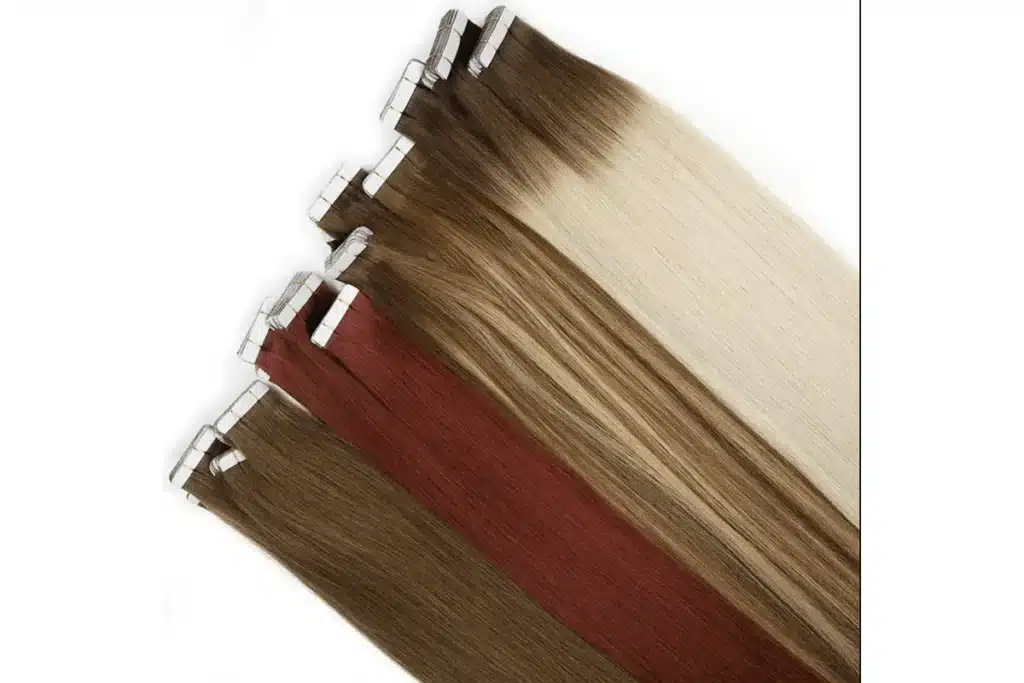
Keratin extensions can look secure at installation, then shed or slip when the bond, strand, installation, or aftercare condition was not checked closely.
Keratin extensions may shed when the bond does not hold the strand securely, the hair has weak processing or short return hairs, the installation is poorly matched to the natural section, or aftercare creates buildup and friction. A salon should diagnose the pattern before blaming one cause.
For professional buyers, the useful question is whether the issue begins at the bond, along the strand, or after a particular service routine.
Where Does the Shedding Start?
The first check is whether hair is leaving the keratin bond, breaking along the strand, or coming from the client’s natural hair.
| Observed pattern | Possible cause | Salon check |
|---|---|---|
| Hair exits the bond | Bond finish or bond-to-strand hold | Inspect loose bonds and sample construction |
| Short broken hairs | Processing, brushing, or heat stress | Review handling and hair condition |
| Bond slides | Placement, heat, or product buildup | Check installation record and removal history |
| Natural hair loss concern | Client scalp or hair condition | Stop and recommend appropriate professional advice |
This distinction matters because the remedy is different. A loose bond may require a product and installation review. Breakage through the extension length may point to processing, heat, or daily handling. A salon should avoid describing every loose hair as the same problem.
How Can Bond Quality Affect Shedding?
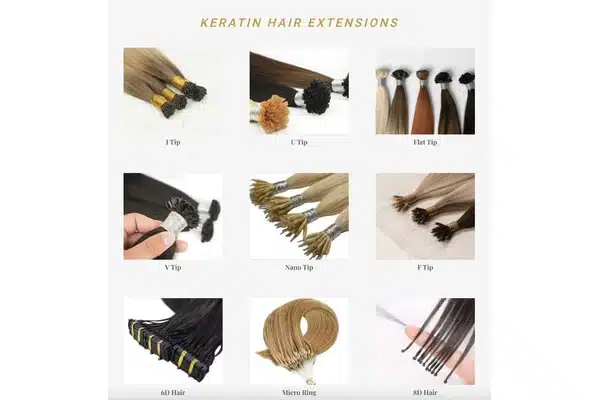
A bond can contribute to shedding when it does not hold the strand securely or when its size and finish do not match the intended strand weight.
A very small bond can look discreet, but it still needs to hold the specified hair amount. A larger bond may feel more secure, yet it can be more visible or uncomfortable when the placement is not controlled. Buyers should inspect the bond finish and test a sample before a bulk order.
In after-sales communication, we usually ask buyers to keep a few shed bonds and note when the issue started. This can help separate a construction question from a removal, heat, or aftercare pattern. A clear sample record is more useful than a general statement that the hair is shedding.
How Do Processing and Care Affect the Hair?
Light processing, frequent high heat, aggressive brushing, and poor detangling can increase breakage risk even when the bond remains intact.
Chemical treatment, grooming practices, and environmental exposure can affect the hair surface and its friction response [1]. This does not prove that every breakage issue comes from aftercare. It supports checking the product condition and service routine together.
The Keratin Hair Extensions category can help buyers review the product type before they set a sample-test plan. For light shades, salons should give clear guidance about heat and maintenance because the hair may need more careful handling.
When Can Installation Create a Problem?
Installation may increase shedding or complaint risk when the natural section, bond size, heat use, or placement tension is not appropriate for the client.
The American Academy of Dermatology advises avoiding extension styles that feel painful or too tight [2]. A salon should not treat pain, irritation, or unusual natural hair loss as a routine product question. The service should be paused and the client should receive appropriate professional guidance.
For a buyer checklist, confirm the intended strand grams, bond type, heat tool, placement method, and removal process. These details help a salon compare one sample with the service it actually sells.
What Should Buyers Ask a Supplier?
Buyers should ask for the strand weight, bond specification, sample handling guidance, hair processing level, and an agreed method for reviewing a complaint.
For bulk orders, check a representative sample after brushing, washing, and normal handling. Softness at first touch is useful, but it does not replace a bond and shedding check. Record the color, length, strand grams, and sample date so a future issue can be compared against the original order.
My View
From our factory perspective, keratin shedding should be diagnosed in steps. We usually suggest starting with the visible pattern: hair leaving the bond, hair breaking in the length, bond movement, or a natural-hair concern. Then check the actual product specification and the installation record. This avoids a rushed conclusion that can miss the real cause. For wholesale buyers, a clear sample test and retained product record make after-sales review more practical. The exact result still depends on hair processing, bond construction, installation skill, heat use, and daily care. A reliable supplier should help the buyer check those conditions rather than making an absolute promise.
Frequently Asked Questions
Is some keratin extension shedding normal?
A small amount of loose hair during brushing can occur, but hair repeatedly leaving the bond or visible thinning of the extension should be checked.
Can heat cause keratin extensions to shed?
Frequent or poorly controlled heat can increase dryness and breakage risk. It may not be the only cause, so the bond and installation should also be reviewed.
Should salons test keratin bonds before a bulk order?
Yes. A representative sample can show bond finish, strand weight, handling behavior, and whether the product fits the salon’s installation process.
Conclusion
Keratin extension shedding can come from several conditions, so the first task is to identify the pattern. Check bond finish, strand condition, installation, and aftercare before deciding the cause. A documented sample and service record make the next order safer to evaluate.