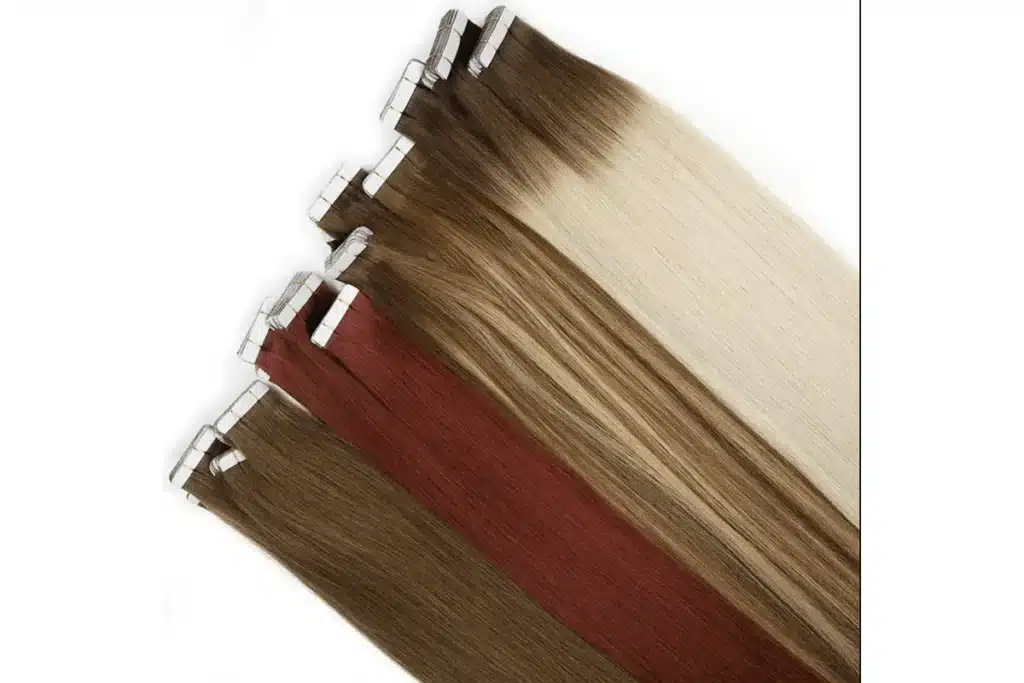
A branded keratin range can look finished on a color card, but inconsistent bond size, strand weight, or labeling can create costly salon questions.
Private label keratin hair extensions need an approved bond specification, strand weight, shade reference, pack format, packaging, and repeat-order control. A brand should test the complete product system before bulk production, because a beautiful loose sample does not show whether the range will fit a salon service plan.
For brands and salon distributors, keratin extensions are not only a hair bundle. The bond, strand count, color system, pack information, and installation guidance need to support the same product promise from sample approval through repeat orders.
What should a private-label keratin specification include?
The specification should define the bond type, strand weight, length, color code, pack count, packaging, and approved reference sample.
| Product area | What the brand should confirm | Why it matters |
|---|---|---|
| Bond format | Bond shape, size, and finish | It affects the planned installation and removal method |
| Strand weight | Weight range per strand and pack total | It helps salons plan density and client fit |
| Color system | Color code and approved physical reference | It reduces mismatch risk on repeat orders |
| Packaging | Pack count, label, care insert, and batch record | It supports stock control and after-sales review |
From the factory side, we usually ask a buyer to approve the strand weight and bond finish together. A small bond with an unsuitable strand weight may not fit the salon’s intended client profile, even when the hair itself looks soft.
Confirm bond size, strand weight, shade code, pack count, label copy, and approved sample before branded production.
Request a keratin private-label specification checkHow should brands set bond size and strand weight?
Brands should set bond size and strand weight around the service plan, natural hair density, and installation training they expect salons to use.
Avoid a one-size-fits-all product promise
A fuller strand may fit a selected volume plan, while a lighter strand can be more suitable for a finer-hair consultation. The brand should describe the actual pack and strand information instead of promising the same result for every client.
The keratin hair extensions category can help buyers compare product formats before they select a private-label range. A professional stylist still needs to assess density, placement, and tension during each consultation. The American Academy of Dermatology notes that repeated pulling from tight extension styles can contribute to traction alopecia, so a product range should never encourage painful or overly tight placement [1].

Why should brands control colors with a physical reference?
A physical reference helps brands control bond color, hair tone, root blend, and pack identity more reliably than a shade name alone.
For lighter blondes, rooted shades, and mixed tones, a written name may not show the final blend. The brand should keep a physical approved sample with the color code and product record. This matters for repeat orders, product photography, and the salon’s color-planning process.
In sample reviews, we often compare the bond color as well as the hair. A visible contrast at the attachment area may be more noticeable on certain placements, even when the mid-length color looks correct.
What should private-label packaging communicate?
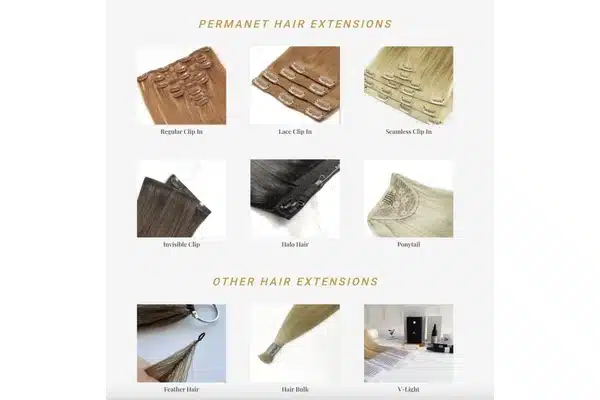
Packaging should state the product identity, strand count, total weight, length, shade code, care guidance, and batch or item record without making unsupported performance promises.
If a brand also sells an aftercare cosmetic, remover, or other regulated cosmetic item in the same collection, it should separately confirm the relevant labeling and safety obligations. The FDA states that companies and individuals who market cosmetics have a legal responsibility to ensure product safety [2]. That does not turn hair extensions themselves into a cosmetic, but it is a useful boundary for brands that bundle related products.
The package and the product page should use the same grams, strand count, and color code. A clear care insert can explain basic handling and tell customers to seek a professional stylist or dermatologist when they have pain, irritation, or hair-loss concerns.
What should be checked before a repeat order?
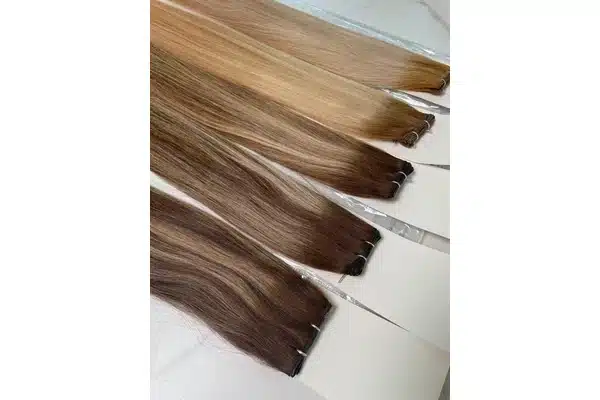
Before a repeat order, brands should compare the new hair, bond, color, pack count, labels, and packaging with the approved reference sample.
We usually recommend a compact inspection record. It should list the approved sample date, bond type, strand weight, color code, pack configuration, packaging version, and any sample-install notes. This makes it easier to identify a real production difference instead of relying on memory when a salon raises a question.
For a new brand, a smaller controlled shade range is often easier to support than a large range with unclear reference samples. Expansion can follow once the product file and reorder checks are working consistently.
My View
From our factory perspective, private label keratin hair extensions should be planned as a complete salon product, not only as a branded pack. We usually suggest that buyers approve bond shape, strand weight, color, hair quality, and pack information together. The safer choice is often to begin with a defined service target and a limited range of shades, then test the complete sample with the salon team that will use it. A good product record will not prevent every installation issue, but it gives the brand a practical reference for production checks, client education, and after-sales review.
Frequently Asked Questions
Can a private-label keratin range use one strand weight?
Yes, when the brand clearly defines the service target. It should avoid saying that one strand weight fits every natural hair density or client goal.
Should the bond color match the hair color exactly?
The bond should be reviewed with the hair color and the expected placement. The closest suitable match can reduce visibility, but the final result also depends on installation and coverage.
What should a brand retain for repeat orders?
Keep the approved physical sample, bond specification, color code, strand weight, packaging file, and inspection record together.
Conclusion
Private label keratin hair extensions need controlled bonds, colors, packaging, and product records before bulk production. When brands define those details around a real salon service plan, they can create a clearer range and reduce repeat-order uncertainty.