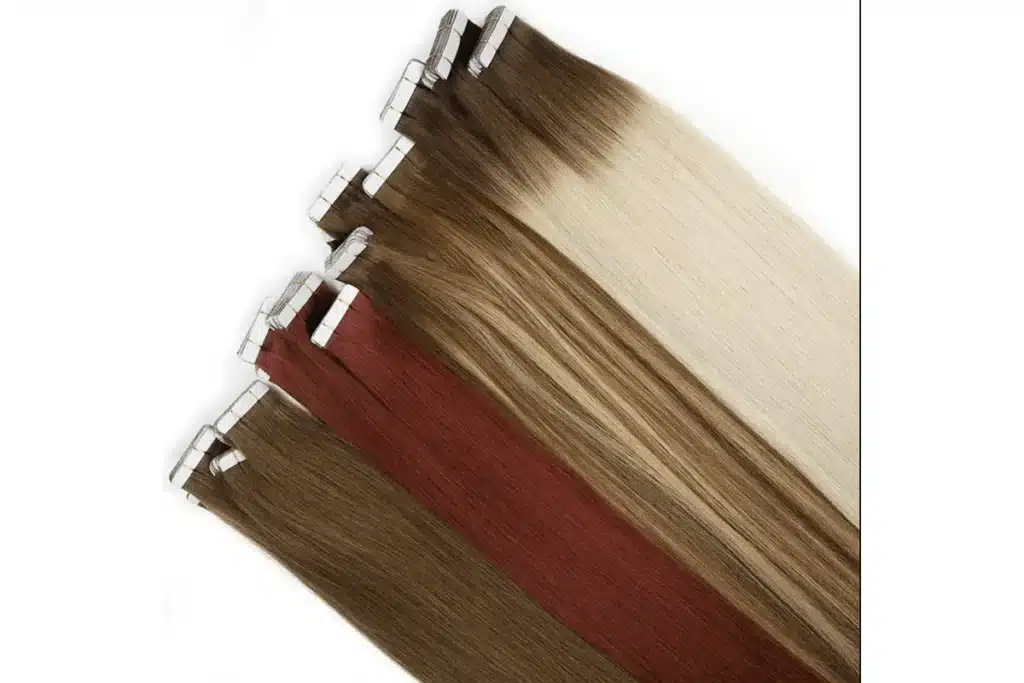
Sew-in services can add strong volume, but a poor method fit can lead to tension concerns, long appointments, and difficult maintenance expectations.
Sew in hair extensions can fit a salon menu when the client has suitable natural hair, the stylist can control foundation, row tension, and hair weight, and the salon has a clear maintenance plan. The service should be selected by client fit and support capacity, not only by its potential volume.
For salon owners and wholesale buyers, a sew-in offer should be evaluated as a service system. It includes the weft construction, the attachment foundation, the client consultation, the move-up policy, and the stock specification that must stay consistent across orders.
What should a salon decide before adding sew in hair extensions?
A salon should decide which clients it will serve, what sew-in method it will offer, and how it will manage consultation, installation, and maintenance before it buys stock.
Sew-in services are not one identical method. Some salons use a beaded foundation with wefts. Others use a braid-based approach or a hybrid structure. The correct choice depends on stylist training, the client’s natural hair, and the amount of added hair needed.
| Service-menu check | What to define | Why it matters |
|---|---|---|
| Client suitability | Natural density, scalp condition, lifestyle, and desired result | Not every client can support the same row weight or foundation |
| Weft construction | Seam thickness, cuttability, density, and length range | Construction affects comfort, blending, and installation time |
| Installation standard | Foundation type, sectioning, tension checks, and finish | A clear standard reduces variation between stylists |
| Maintenance policy | Move-up timing, removal process, and home-care guidance | Clients need clear expectations before the service starts |
From the factory side, weft structure affects a sew-in service because a thick or poorly finished seam can feel different once it is folded, secured, and covered. Buyers should inspect the seam as part of the installation plan, not only as a loose sample.
Compare weft seam, density, client fit, and move-up requirements before you build a sew-in service menu.
Request a sew-in weft specification check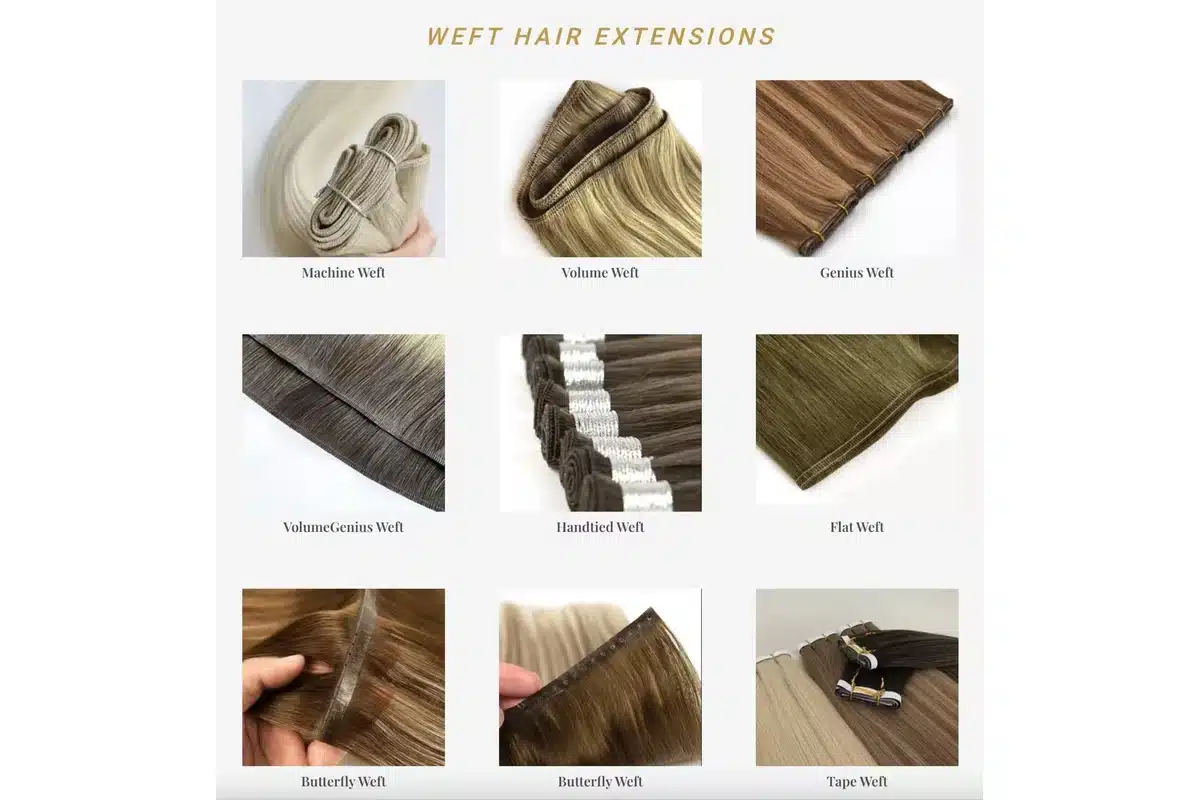
Which clients can be a better fit for sew-in services?
Clients with suitable natural density, realistic volume goals, and the ability to follow maintenance guidance can be better candidates for a sew-in service.
Clients who need a broader volume result
Sew-in structures can support a fuller service result when the client wants added density or length across selected areas. The stylist still needs to plan how the natural hair will cover the rows and how the added weight will be distributed.
Clients who understand maintenance appointments
Grow-out changes the position of the foundation. A salon should explain that maintenance is part of the service, not an optional response after discomfort or visible rows appear. The weft move-up appointment guide can support a practical conversation about signs that a client needs to return.
Not every client is a good fit. Very fragile hair, a sensitive scalp, or a lifestyle that cannot support the care routine may require a lighter method or a different service plan.
How does weft quality affect a sew-in service result?
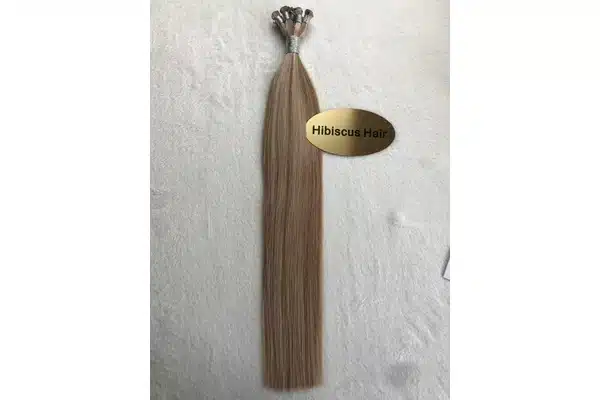
Weft quality affects seam comfort, end fullness, cutting options, tangling risk, and how consistently the salon can reproduce the service across repeat orders.
The salon should inspect how the seam sits when it is installed, whether the hair distribution stays even through the lengths, and whether the ends remain full enough for the selected service length. A soft first touch is useful, but it is only one part of the buying decision.
In sample testing, we usually suggest that buyers check the root-end direction, wash response, end density, and seam finish before approving a weft for a long-term sew-in menu. This matters for bulk orders because a change in material quality can affect the stylist’s installation time and the client’s later care experience.
The human hair weft buyer checklist gives wholesale buyers a useful starting point for comparing weft specifications before ordering.
What should a sew-in consultation include?
A sew-in consultation should include natural-hair assessment, desired volume, length and color match, lifestyle, maintenance timing, and a clear explanation of tension and care boundaries.
Ask the client what they want to change and how they normally style their hair. Check the perimeter, crown coverage, and areas where the foundation would sit. Explain that a service that feels secure should not feel overly tight. The salon should also discuss whether the client will use heat often, swim, wear the hair up, or need a faster removal schedule.
This consultation protects the client and helps the salon avoid promising the same installation to every person. It also gives the salon useful notes for the next appointment.
How can buyers create a repeatable sew-in inventory plan?
Buyers can create a repeatable inventory plan by defining the core lengths, shades, weft type, pack weight, and sample approval standard used by their salon menu.
Start with the combinations the salon sells most often instead of buying every possible option. Track which shades require the most careful color matching and which lengths need stronger end fullness. For private-label buyers, confirm packaging, labels, and specification language so staff can identify the same product at reorder time.
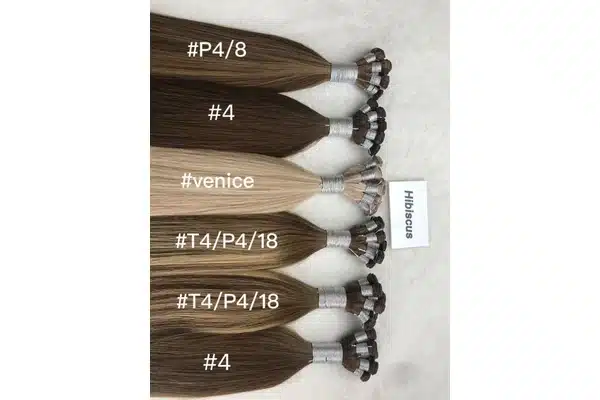
The Hibiscus Hair contact team can help buyers compare weft specifications and sample options before a bulk order. The exact inventory plan depends on the salon’s client mix and service price structure.
My View
From our factory perspective, a sew-in service menu works best when the salon treats weft choice, installation skill, and maintenance communication as one decision. We usually suggest that buyers test the weft on the service method they actually plan to offer. A product can look good in a loose bundle but behave differently once it is installed in rows and worn through normal daily activity. The safer approach is to define client suitability, check seam and hair quality, and set a move-up conversation before the first service. This gives salons a more consistent result and gives wholesale buyers a clearer basis for repeat ordering.
Frequently Asked Questions
Are sew in hair extensions suitable for fine hair?
They can be suitable in selected cases, but the salon must assess density, foundation choice, and installed weight carefully. A lighter method may be better for some clients.
How often do sew-in clients need maintenance?
Timing depends on growth, foundation type, installed weight, and comfort. The salon should set the expected review timing during the original consultation.
What should a salon test in a sew-in weft sample?
Check seam finish, density, end fullness, wash response, tangling behavior, color match, and how the weft sits in the planned installation method.
Conclusion
Sew in hair extensions can add useful volume to a salon menu when client fit, weft construction, installation standards, and maintenance are planned together. A sample-led service system can help salons build a more consistent and supportable offer.