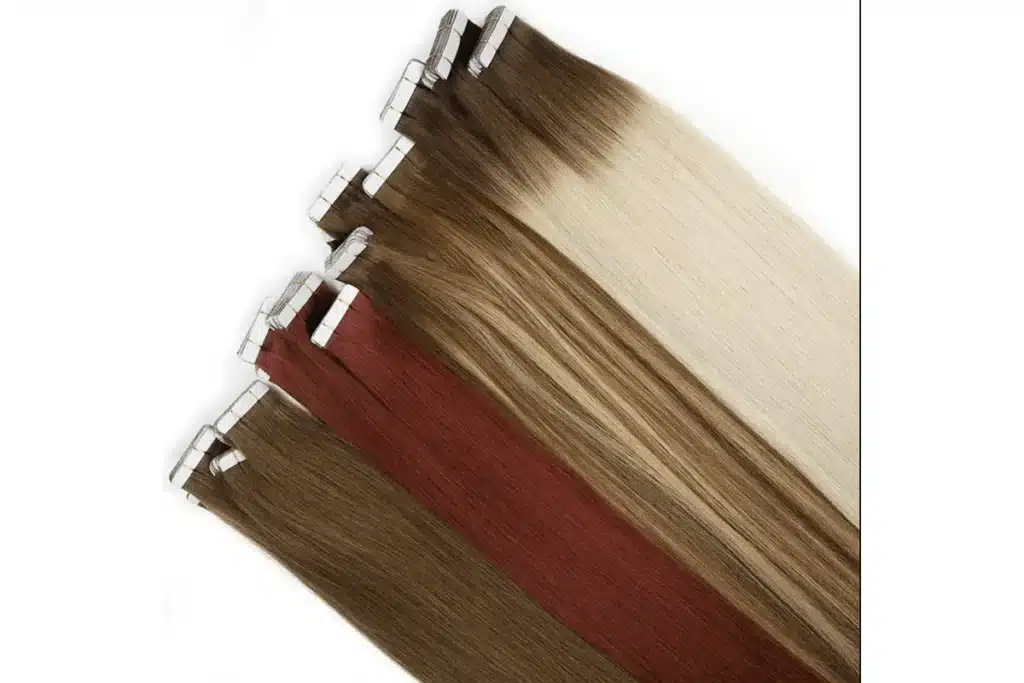
Some loose hairs after handling a genius weft can concern a salon, but not every strand is proof of a construction problem. The important question is whether the shedding is isolated, increasing, or connected to a cut edge or installation method.
A small amount of loose hair can occur during handling, but repeated shedding from the top seam, a cut edge that opens, or visible hair release after gentle brushing may indicate a quality or finishing problem. Salons should check where the hair is coming from before judging the weft or making a bulk-order decision.
For buyers, this is a useful sample-testing topic. It separates normal handling loss from a construction issue that can affect installation time, client confidence, and reorder stability.
Where does genius weft shedding usually appear?
Shedding should be checked by location: loose hairs in the lengths, hair near a cut edge, and hair releasing from the top seam can point to different causes.
Loose hairs can collect during packaging, brushing, or trimming. A different concern is a repeated release from the seam itself. The salon should gently inspect the top edge, then record what happens after a controlled brush and light wash.
| Observation | What to inspect | Buyer response |
|---|---|---|
| Few loose hairs in lengths | Handling and packaging residue | Brush gently and monitor the result |
| Hair release at cut edge | Cut method and seam reinforcement | Test a controlled cut before repeat use |
| Repeated seam shedding | Top construction and finish stability | Document the sample and contact supplier |
| Shedding after installation | Placement, folding, and client handling | Separate method issues from product issues |
In sample reviews, we usually ask the stylist to keep the test controlled. Use the same brushing tool, compare the same length and color, and note whether the hair releases from a specific place. This gives the buyer clearer evidence than a general statement that the weft sheds.
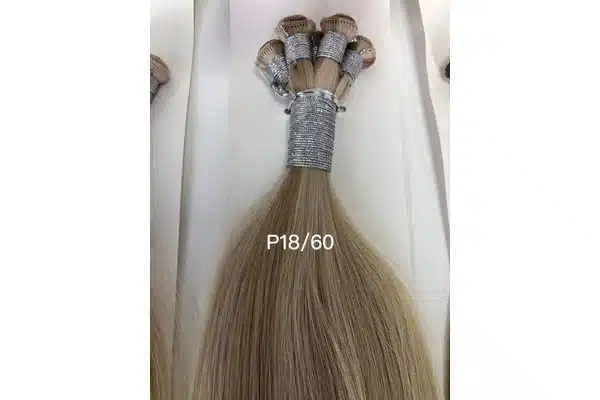
How should a salon test a weft before installation?
A salon should inspect the seam, brush the lengths gently, test any intended cut method, and wash a representative sample before it adds the weft to a regular service menu.
The test should reflect the intended installation. If the salon plans to cut the weft, the sample must be cut. If it plans to use a certain row method, test that method. This genius weft cutting guide explains why a product name alone is not enough evidence of cutability.
The buyer should also inspect end fullness and tangling behavior. A soft first touch can be useful, but stable performance after brushing and washing matters more for repeat orders.

When can installation increase apparent shedding?
Installation can increase apparent shedding when the weft is folded, cut incorrectly, pulled during attachment, or brushed aggressively near the top seam.
A stylist should avoid using the seam as a pulling point. If the row is adjusted after attachment, the handling should support the weft rather than pull on a narrow edge. The salon should also confirm whether the construction allows cutting and what finishing method is recommended.
For buyers comparing rows, weft hair extension types can help clarify why machine, hand tied, and genius structures have different customization limits.
What should a buyer document for a supplier?
A buyer should document the product code, length, color, seam location, test method, photos, and the point at which hair release appears.
This record helps the supplier separate a construction issue from an installation or care issue. It also makes a repeat-order discussion more specific. A buyer who can show that the seam released after the same controlled test on several samples has stronger evidence than a buyer who only reports general shedding.
From the production side, we usually suggest recording the approved sample specification before bulk production. This includes seam profile, grams, length, color, and the intended cut or installation method.

My View
From our factory perspective, buyers should not treat every loose strand as a defect, but they should take repeated seam shedding seriously. A structured sample test gives the salon a practical basis for its decision. We usually suggest checking the seam before and after brushing, a light wash, and the intended customization method. This lets the buyer see whether the result is stable enough for the service it plans to offer.
Frequently Asked Questions
Does every genius weft shed a little?
A few loose hairs can appear during handling. Repeated hair release from the seam or a cut edge is a different concern and should be tested.
Can cutting cause genius weft shedding?
It can if the construction is not suitable for the cut or if the recommended method is not followed. Buyers should confirm cutting guidance with a representative sample.
What is the best test before a bulk order?
Use a controlled sample that matches the intended length, color, cut method, and installation plan. Check the seam after brushing and washing.
Conclusion
Genius weft shedding should be judged by where and when the hair releases. A controlled seam, brushing, wash, and cut test helps salons separate normal loose hairs from a construction issue before they commit to a repeat or bulk order.