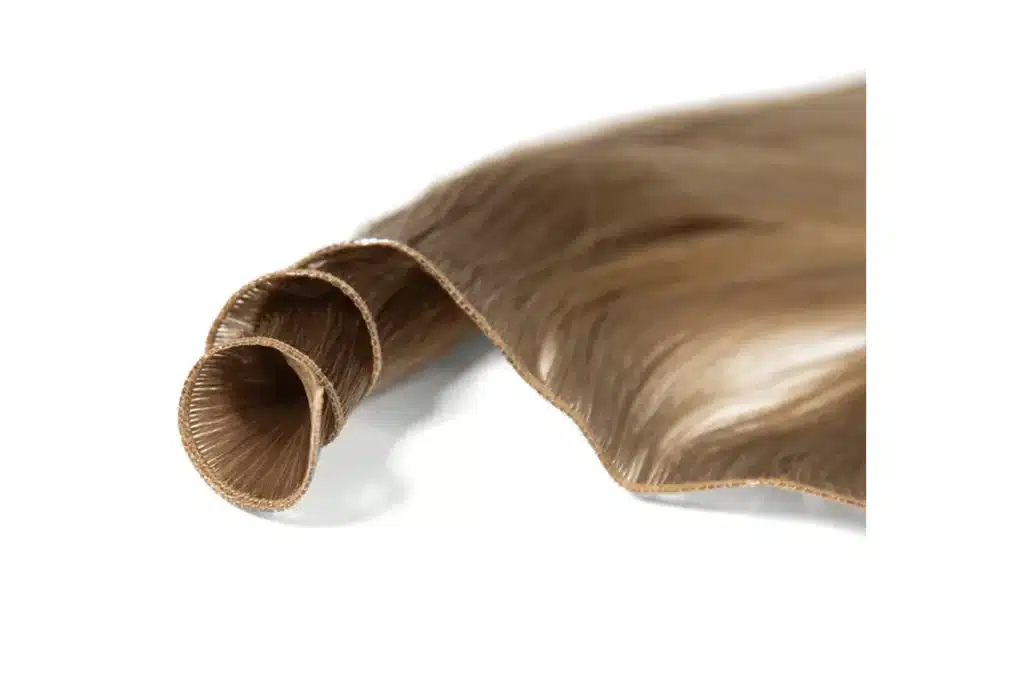
Human hair weft photos can look similar, but inconsistent hair direction, thin ends, and weak seams can create returns after the first wash. Buyers need more than a price list.
Before ordering human hair weft extensions, buyers should test hair direction, end thickness, weft strength, weight accuracy, color consistency, and wash behavior. We recommend a controlled sample install before any repeat or bulk order, because the same listed length and weight can perform very differently.
We work with salon owners, stylists, brands, and distributors who need predictable repeat orders. The most useful buying process is simple: define the service goal, request the right sample, test it under normal salon conditions, and record the result before scaling the order.
What Does “Human Hair Weft” Tell a Buyer?
The term tells a buyer that the extension hair is human hair, but it does not confirm the hair direction, drawing ratio, processing level, or construction quality.
We recommend asking the supplier to explain the actual specification. A buyer should know whether the hair is single drawn or double drawn, what percentage of the weight remains near the ends, how the hair is processed for color, and how the weft top is built. These details affect the service result more than a broad product name.
For example, two 20-inch 100g packs can look similar in a flat product photo. One may have a fuller end line because it uses a different drawing ratio. The other may look lighter near the bottom. The correct choice depends on whether the salon needs a natural tapered result or a fuller blunt finish.
Which Hair-Quality Checks Matter Most Before a Bulk Order?
Hair direction, end thickness, color behavior, and wash performance are the four checks that most often reveal whether a sample can support a repeat order.
Check hair direction and combing behavior
We ask buyers to comb the sample from ends toward the top after a gentle wash and full dry. The hair should move smoothly with normal handling. When cuticle direction is mixed, friction can increase and tangling may appear even when the hair looks shiny on arrival.
Check the end line at the chosen length
We recommend laying the sample flat and comparing the middle and end density. A buyer should not assume that every 100g pack gives the same visual fullness. Longer hair needs more weight or a fuller drawing ratio to keep the ends from looking too thin.
We also advise stylists to avoid tight styling on a fresh test installation. The American Academy of Dermatology warns that hairstyles which pull can contribute to hair loss over time.[2]
Check color under natural salon light
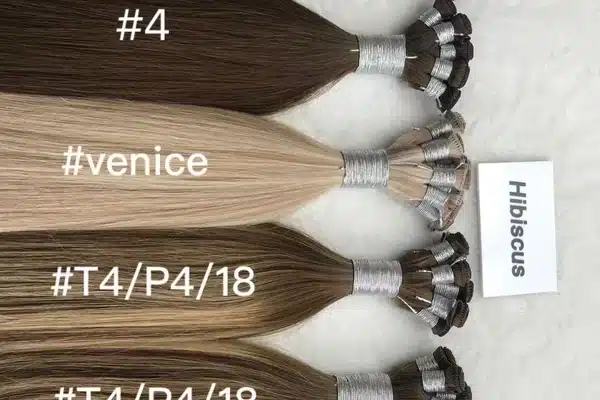
Color can look different under a warehouse light, ring light, and salon daylight. We advise buyers to compare the sample against a client color ring before they approve a bulk shade. This is especially important for rooted colors, ash shades, and light blondes.
Check a wash and heat routine
We recommend using the normal salon washing, drying, and light heat routine on a small section. This does not mean abusing the hair. It means checking whether the hair stays aligned, whether the ends remain manageable, and whether the color behaves as expected under the intended service routine.
The American Academy of Dermatology recommends gentle hair-care habits and cautions against preventable damage from excessive heat and harsh handling.[1] We use the same practical mindset in sample tests: a buyer should test for normal professional use, then document what happened.
How Should Buyers Inspect the Weft Construction?
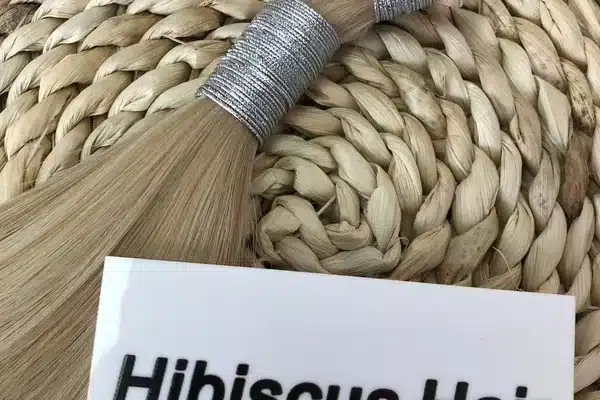
A good hair bundle can still fail in service if the weft seam is weak, bulky for the intended client, or unsuitable for cutting and installation.
| Construction check | What we recommend checking | Buyer risk if ignored |
|---|---|---|
| Seam strength | Gentle fold, handling, and sample installation | Hair release or seam damage |
| Seam thickness | Compare it with client density and placement area | Visible or bulky rows |
| Usable width | Measure the actual weft before planning rows | Incorrect service coverage |
| Cutting behavior | Confirm whether the weft can be cut and sealed | Unraveling or shedding at cut points |
| Weight per pack | Weigh representative packs | Inconsistent salon results |
We recommend matching construction to the service. A salon that needs flexible custom widths may consider a machine weft. A salon that needs a very thin row may consider Hand Tied Weft or a suitable Genius Weft construction. Buyers should not treat these options as interchangeable.
What Should a Salon Sample Test Include?
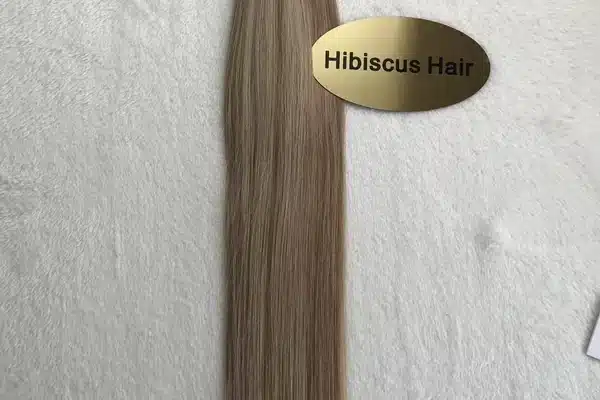
A useful sample test should follow the salon's real workflow: consultation, color match, install, wash, brush, client-wear review, and removal or move-up planning.
We recommend recording the following points:
- Sample code, length, texture, color, and stated weight.
- Client density and the number of rows installed.
- Seam placement and whether the row stays hidden after styling.
- Combing and shedding observations after normal washing.
- End thickness after the hair is fully dry.
- Client feedback on comfort, blend, and daily maintenance.
In one distributor sample review, the buyer focused on a low quote for 24-inch hair. We asked for an end-thickness comparison against its current best-selling pack. The lower-cost sample had a much lighter bottom line, so the distributor would have needed more packs to create the same finished look. It chose the fuller sample because the total service value was better, even though the per-pack quote was higher.
Which Order Details Should Buyers Confirm With a Supplier?
Buyers should confirm the exact hair, construction, pack size, color reference, packaging, and approval process in writing before production begins.
We recommend including these details in a purchase order or sample approval record:
- Hair length, texture, and final color reference.
- Pack weight, such as 50g or 100g, and acceptable weight tolerance.
- Weft type, usable width, and cutting requirement.
- End-density expectation or drawing ratio requirement.
- Label, packaging, and private-label requirements.
- Pre-production sample approval and final inspection method.
- Delivery timeline and process for reporting a verified issue.
Our usual production lead time is about 15 days after the final specification and approval are confirmed. For a new color, texture, or package, we recommend allowing time for a sample review before the main order. Buyers can also begin their product comparison through our Weft Hair Extensions category.
How Can Buyers Avoid Quality Complaints After Delivery?
A clear sample standard and documented inspection method prevent more disputes than a general promise about premium quality.
We recommend buyers retain an approved control sample. When a repeat order arrives, the buyer can compare length, color, weight, seam, and end density against it. This gives both sides a clear starting point if the buyer identifies a difference.
We also recommend inspecting a representative number of packs before the salon opens every bundle for client appointments. An early check makes it easier to isolate a color or specification issue and protects the salon schedule.
My View
We believe a human hair weft order should be treated as a repeatability decision, not only a purchase decision. A good-looking sample is useful, but it is not enough until it has been installed, washed, brushed, and compared with the salon's usual result. We encourage buyers to define the end thickness they need, the row method they use, and the type of client they serve before they ask for a quote. These details help us recommend a more suitable pack weight and weft construction. They also reduce the chance that a buyer receives hair that is technically within a broad specification but does not create the expected salon finish.
Frequently Asked Questions
Is 100g always enough for a full head of weft extensions?
No. The correct weight depends on the client's natural density, target length, texture, and desired fullness. Longer hair and blunt end goals often need more total weight than a partial-volume service.
What is the fastest way to compare two weft samples?
We recommend comparing the pack weight, usable width, end thickness, and post-wash combing behavior. A controlled one-row installation gives more useful information than comparing product photos.
Should a buyer choose the lowest quoted human hair weft?
Not without checking the full specification. A lower quote can reflect a lighter end line, different processing, weaker construction, or a different hair ratio. Compare the final salon result and repeat-order consistency.
Conclusion
Human hair weft extensions should be evaluated through a real sample test, not a generic product description. Buyers should verify hair direction, end thickness, color, weight, weft construction, and wash performance. A documented approval sample gives salons, brands, and distributors a stronger basis for repeat orders and fewer avoidable complaints.