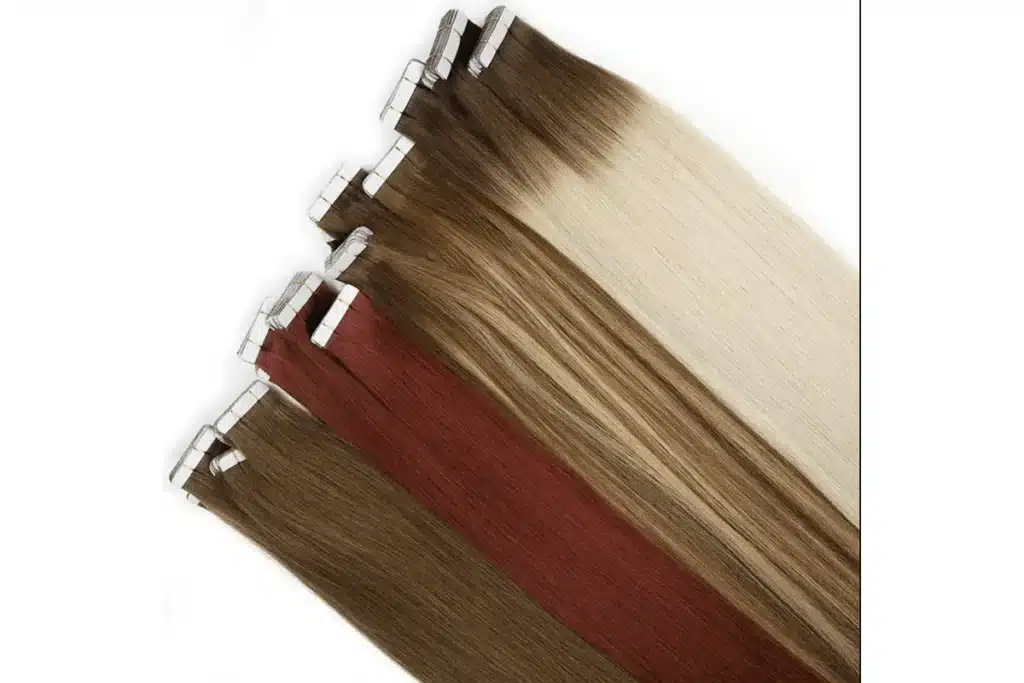
The first few days after getting hair extensions often feel strange. Some customers worry that the method is wrong, the weight is too much, or the tension will never feel normal. That concern is understandable, because comfort is one of the biggest factors behind long-term extension satisfaction.
Yes, hair extensions often get more comfortable over time, but only to a point. Mild tightness, scalp awareness, and a “different” feeling can improve after the first few days as the scalp adjusts. Sharp pain, strong pulling, headaches, or ongoing discomfort are not normal and usually mean the method, weight, placement, or tension needs attention.
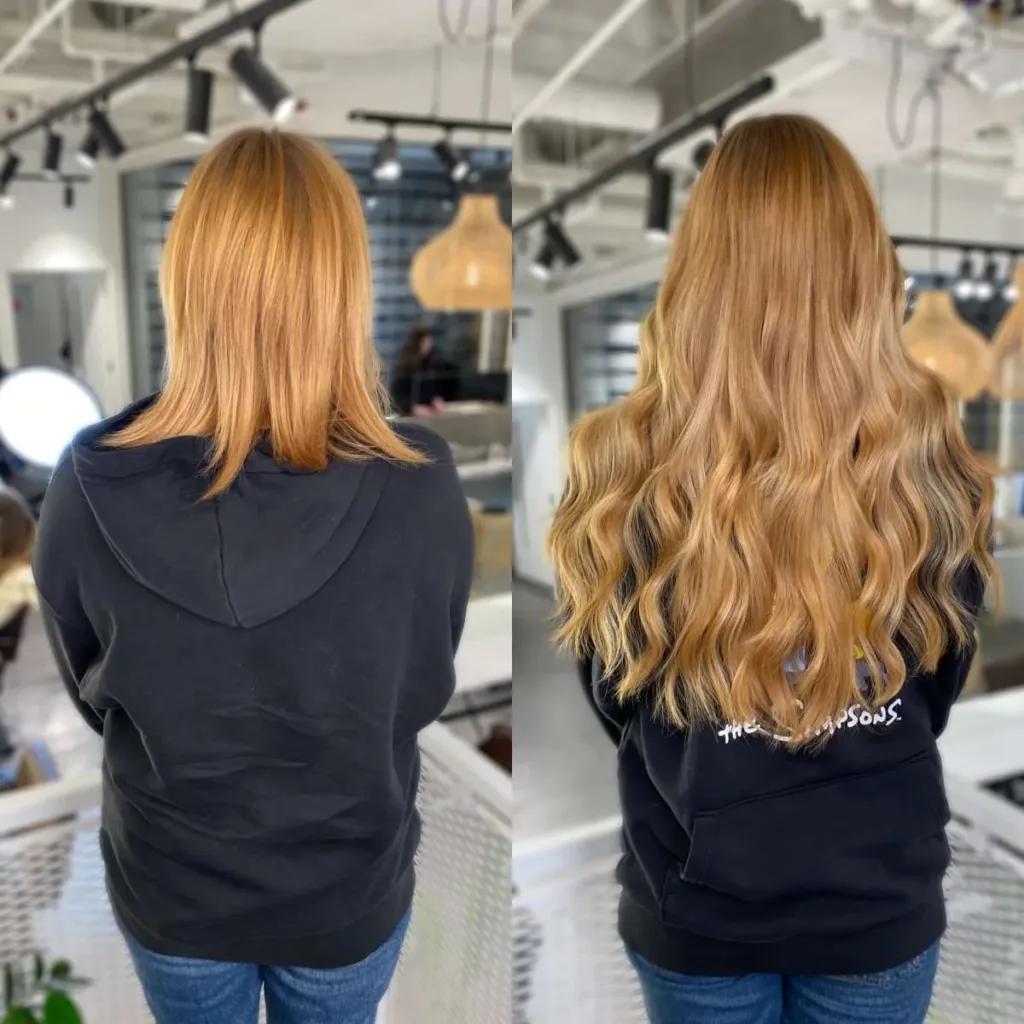
From my point of view, this question should never be answered too casually. Some discomfort is temporary adaptation. Some discomfort is a warning. The real skill is knowing the difference.
Why Do Hair Extensions Feel Uncomfortable at First?
Many customers think the answer is simply “because extensions are heavy.” That is only part of the story. Early discomfort usually comes from several physical changes happening at once.
Hair extensions can feel uncomfortable at first because the scalp is adjusting to new weight, new anchor points, new movement patterns, and new tension distribution. The feeling is often strongest in the first few days after installation.
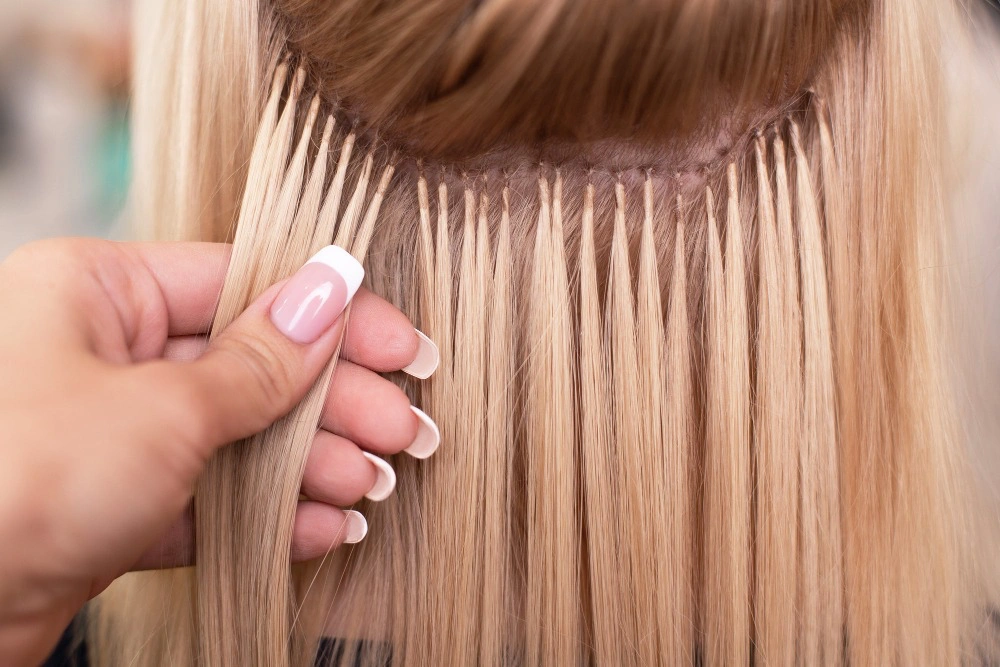
The Scalp Notices New Tension Immediately
Even if the installation is technically correct, the scalp can still feel the added pull at first. This is especially true for customers who have never worn extensions before.
The Customer Also Feels New Weight and Movement
Extensions change how the hair moves when the customer turns her head, sleeps, brushes, or ties the hair up. The body notices that difference quickly.
Some Methods Create More Initial Awareness Than Others
Strand methods, tape methods, sewn methods, and clip-ins do not feel the same in the first week. Comfort changes depending on how the extension is attached.
| Cause of Early Discomfort | Why It Happens |
|---|---|
| New tension points | The scalp is adjusting to added pull |
| Added weight | The customer is not used to the density |
| New movement | Hair swings and shifts differently |
| Sleeping pressure | Contact points feel stronger at night |
| First-time wear | No previous adaptation experience |
This is why I do not judge an installation only by how it feels in the first few hours. The body needs a short adjustment window. A customer who has never worn extensions may feel very aware of them at the start even if the install is correct. That does not automatically mean something is wrong.
When Does Extension Discomfort Usually Improve?
This is the part most customers want to know clearly. They want a realistic timeline, not vague reassurance.
Mild extension discomfort often improves within the first few days to about one week. The scalp usually adapts to the new weight and attachment pattern during that period if the install is balanced correctly.
The First 24 to 72 Hours Are Usually the Most Noticeable
This is often when the customer feels the most scalp awareness, especially during sleep, brushing, or tying the hair back.
Days 3 to 7 Often Bring Better Adaptation
If the method is installed correctly, the customer usually starts feeling less tightness and less constant awareness during this stage.
True Comfort Should Increase, Not Stay Frozen
If the feeling remains exactly as tight and sensitive as day one, I start paying closer attention.
| Time Period | What Often Happens |
|---|---|
| First day | Highest awareness |
| Days 1–3 | Adjustment starts |
| Days 3–7 | Comfort often improves |
| After 1 week | The method should feel much more normal |
| After that | Ongoing pain is not a good sign |
This is where I like to be very honest with customers. I do not promise “you will feel nothing tomorrow.” I say the method may feel unusual at first, but it should gradually settle. That is the correct direction. Improvement is the key sign. If the body is adapting, comfort usually rises step by step.
What Kind of Discomfort Is Normal, and What Is Not?
This is the most important part of the topic. Customers need a clear line between normal adjustment and actual installation risk.
Mild tightness, scalp awareness, slight sleep discomfort, and a temporary heavy feeling can be normal. Sharp pain, headaches, burning, strong pulling, bumps, or pain that does not improve are not normal.
Usually Normal
A new method may feel unfamiliar. The customer may notice the connection points more when lying down, brushing, or moving the hair for the first few days.
Usually Not Normal
Pain that feels sharp, constant, or aggressive is different. So is pain that causes headaches, makes washing difficult, or creates visible scalp irritation.
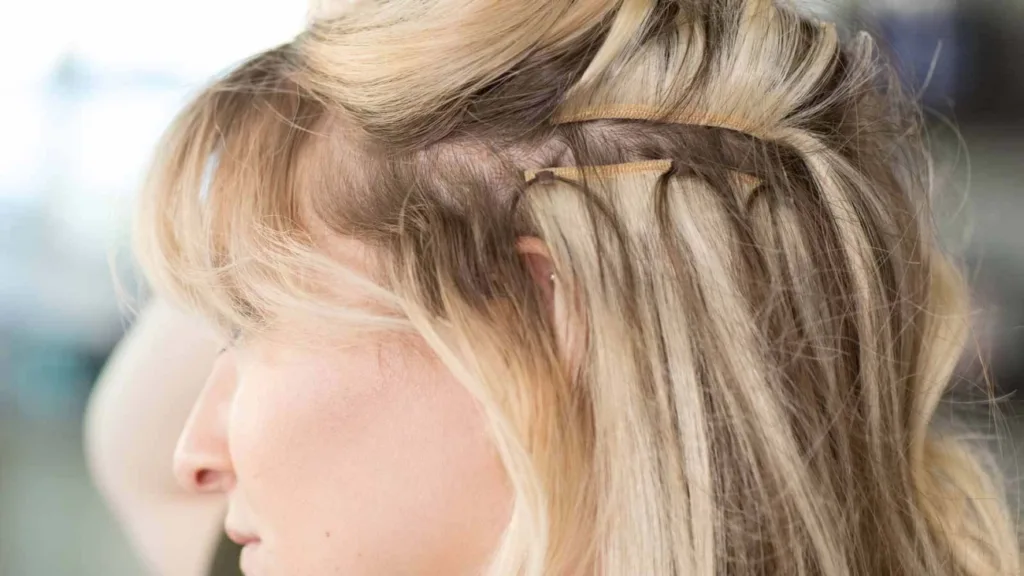
The Direction of Change Matters
A correct install usually feels better over time. A problematic install often stays bad or gets worse.
| Feeling | Usually Normal or Not? |
|---|---|
| Mild tightness | Usually normal at first |
| Slight scalp awareness | Usually normal at first |
| Sleep sensitivity for a few days | Often normal |
| Sharp pain | Not normal |
| Persistent headache | Not normal |
| Burning or strong irritation | Not normal |
| Strong pulling after several days | Not normal |
This is where a lot of poor advice causes problems. Some people tell customers that all pain is normal and they just need to “get used to it.” I do not agree with that. Adaptation is real, but pain still has limits. Real warning signs should not be normalized.
What Makes Some Extensions More Comfortable Than Others?
Comfort is not random. It depends on design logic, installation quality, and customer suitability.
Extension comfort depends on method choice, section balance, weight distribution, placement, natural hair strength, and stylist technique. A good method can still feel uncomfortable if it is too heavy, too tight, or badly matched to the customer’s hair.
Method Choice Matters
Different methods create different pressure patterns. Flat panel methods, strand methods, and sewn methods all feel different on the head.
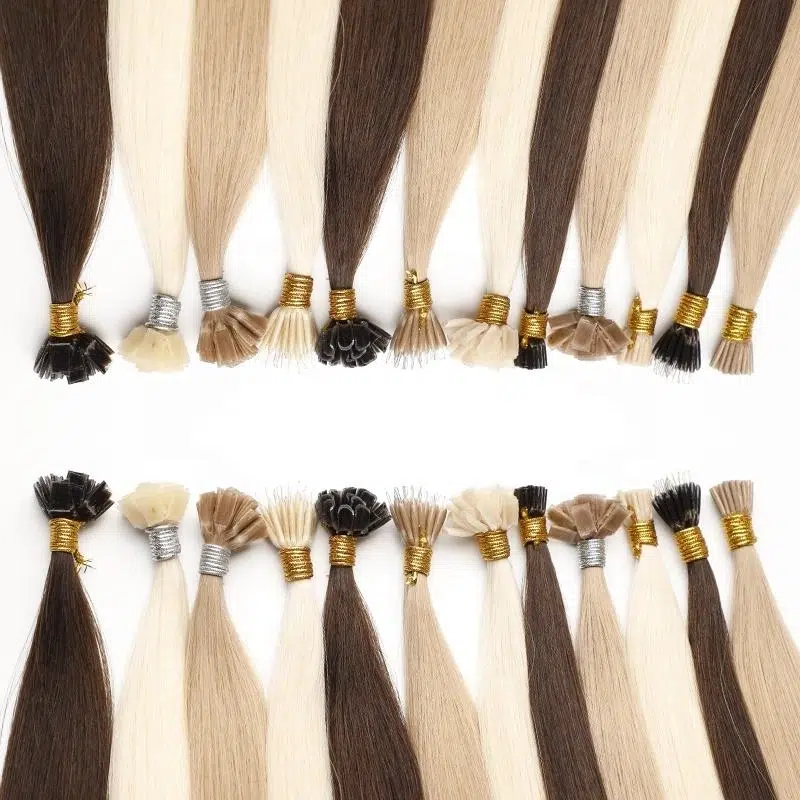
Weight Distribution Matters More Than Many Customers Realize
A method may be technically beautiful but still uncomfortable if too much hair is loaded onto weak support sections.
Placement Quality Matters
Bad placement can create unnecessary pull around sensitive areas such as the hairline, sides, or crown.
| Comfort Factor | Why It Changes the Experience |
|---|---|
| Method type | Different attachment feel |
| Hair weight | More weight means more scalp awareness |
| Section size | Poor balance increases stress |
| Placement zone | Sensitive areas react more strongly |
| Natural hair strength | Weak support increases discomfort |
This is why I never evaluate comfort by method name alone. “Tape-ins are comfortable” or “K tips are comfortable” is too simple. A well-installed method can feel good. A badly matched method can feel terrible. The customer’s own hair condition changes everything.
Can Hair Extensions Cause Real Hair or Scalp Problems If They Stay Uncomfortable?
Yes. This is why comfort is not only a luxury issue. It is also a safety issue.
If extensions stay too tight or too heavy, they can increase the risk of breakage, scalp stress, and traction-related hair loss over time. Ongoing discomfort should not be ignored. Traction alopecia and how repeated pulling force affects hair roots[^1]
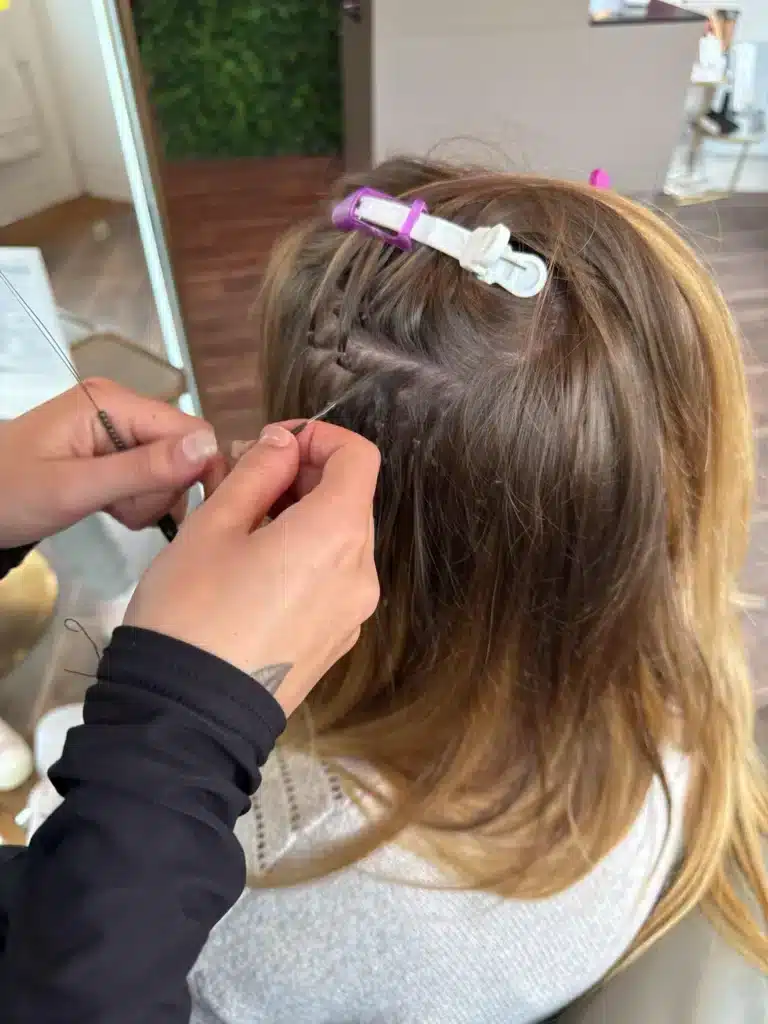
Ongoing Pulling Is Not Harmless
Hair roots are not designed for constant excessive tension. If the stress stays too high, the natural hair can weaken.
The Risk Is Higher on Fine or Fragile Hair
Customers with weak density, previous breakage, or scalp sensitivity usually need more careful planning.
Discomfort Is Sometimes the First Warning Sign
Pain may come before visible damage. That is why I treat ongoing discomfort seriously.
| Ongoing Problem | Possible Risk |
|---|---|
| Strong constant tension | Root stress |
| Heavy overload | Breakage risk |
| Tight placement near weak areas | Hairline or side damage |
| Ignored discomfort | Delayed corrective action |
This is why I always separate “adjustment discomfort” from “risk discomfort.” The first one fades. The second one warns.
What Should a Customer Do If Extensions Do Not Get More Comfortable?
This is the action step that matters most. Customers need a simple decision path.
If the extensions do not start feeling better after a few days, or if the discomfort is strong from the beginning, the customer should contact the stylist quickly. Do not wait for severe pain, visible breakage, or scalp damage.

Recheck the Install Early
The stylist may need to assess weight, section size, placement, or tension.
Do Not Force Hair Into Tight Styles
If the scalp is already stressed, tight ponytails or buns usually make the feeling worse.
Be Specific About the Problem
The customer should explain whether the issue is pain, heaviness, sleep discomfort, brushing difficulty, or a specific painful area. General hair extension methods and why attachment structure changes wear experience[^2]
| Customer Action | Why It Helps |
|---|---|
| Contact stylist early | Problems are easier to fix sooner |
| Avoid tight styling | Reduces extra stress |
| Explain exact symptoms | Helps identify the real cause |
| Do not normalize sharp pain | Prevents delayed correction |
This is where good salon communication matters. Many customers stay silent because they do not want to seem difficult. That is a mistake. Comfort problems should be discussed early, especially in the first week.

My View
From my point of view, hair extensions should become more comfortable over time if the installation is correct and the method truly fits the customer.
But I do not believe in dismissing all discomfort as “normal.” Temporary adjustment is real. Ongoing pain is a signal. A good salon should explain the difference clearly and respond quickly when the feeling does not improve.
Conclusion
Hair extensions often do get more comfortable over time, but only if the method, weight, and tension are right. Mild early awareness can settle. Sharp or lasting discomfort should not be ignored.
Footnotes
[^1]: This resource explains traction alopecia as hair loss caused by repeated pulling force, which helps explain why chronic tightness matters.
[^2]: This resource outlines major hair extension integration methods, which helps explain why different attachment systems feel different over time.