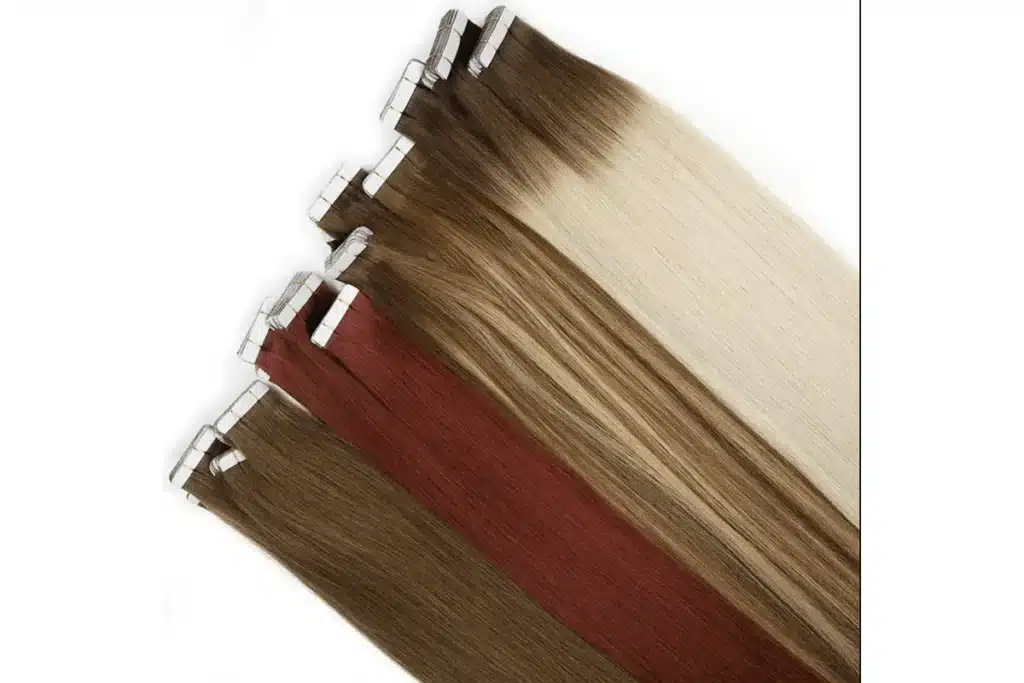
Struggling with the confusing costs of hair extensions? The wide price range can make you question if you’re getting a good deal for your business and clients.
The total cost of hair extensions includes the hair itself, which can range from $100 to over $1000, plus professional services. High-quality full cuticle hair can last over a year with proper care. The final price and lifespan depend on the hair quality and maintenance.
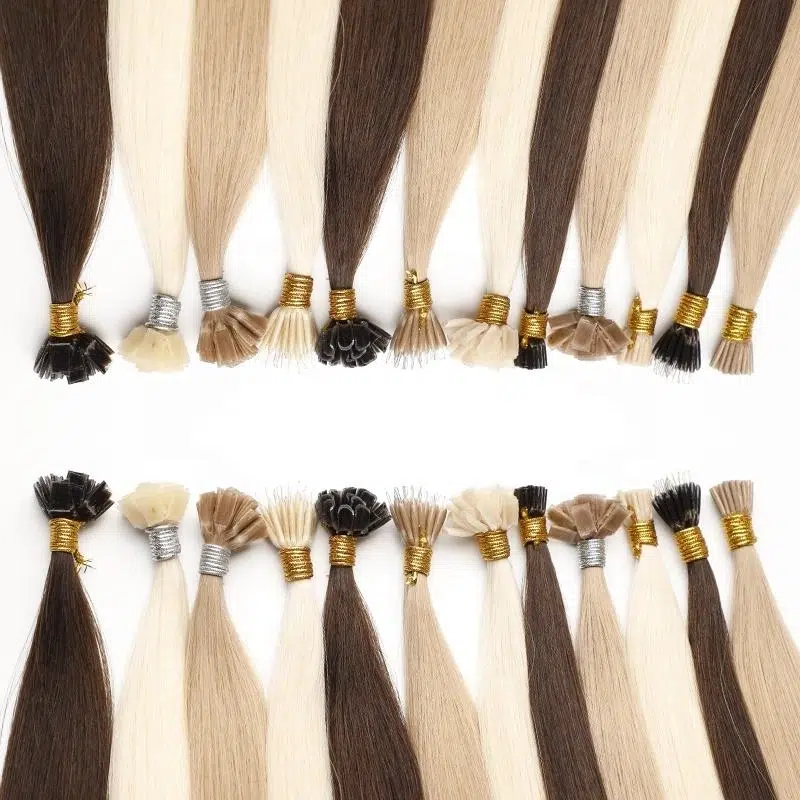
You see the prices, but it’s hard to know what’s behind them. The cost often tells you a lot about the quality you’re buying. It’s important to understand these details to make the best choice for your salon. Let’s look closer at what really drives the cost and longevity of hair extensions.
What Factors Determine the Price of Hair Extensions?
Do you find it hard to explain the price differences in hair extensions? Your clients want to know why one set is cheap and another is a big investment.
The main factors are hair quality, length, and weight. From a factory standpoint, raw materials and processing methods set the base price. Then, brand markups and salon installation fees are added. This creates the final price the customer pays for the hair and the service.

In my 28 years of manufacturing hair extensions, I’ve seen everything. The most important lesson is that you get what you pay for. The price conversation always starts at the source: the hair itself and how we process it.
Factory Cost: It’s All About Quality
The raw material is the biggest cost driver. We only work with full cuticle hair, which is the highest grade. The hair is collected with all cuticles intact and facing the same direction. This is difficult to source and requires careful handling. Cheaper hair, like non-remy, is collected in piles, so the cuticles are misaligned. This hair must be stripped with acid and coated with silicone to feel smooth, but it won’t last. Our 15 years of exporting have taught us that high-end markets in the US, Europe, and Australia will not accept anything less than the best.
| Hair Quality | Raw Material & Process | Factory Cost Impact |
|---|---|---|
| Full Cuticle | Healthy, single-donor hair with intact, aligned cuticles. Gentle processing. | High |
| Remy | Cuticles are aligned but may be more processed. | Medium |
| Non-Remy | Mixed-source hair with misaligned cuticles. Acid-bathed and silicone-coated. | Low |
Beyond the Factory: Service and Brand Costs
The price your client pays is much more than our factory price. First, your brand or distributor adds a markup. Then, the salon adds its service fees. Installation is a skilled job that takes hours. Move-ups and removal also have costs. So, a set of extensions that leaves my factory might be part of a final salon bill that is 5-10 times higher. This is normal, but it’s important to be transparent with clients about what they are paying for: premium hair and expert service.
How Long Do Different Types of Hair Extensions Actually Last?
Are your clients disappointed that their extensions tangle and shed after a few weeks? This hurts your reputation. The key is to sell them the right quality of hair.
The lifespan of hair extensions is directly tied to hair quality. Full cuticle hair lasts over a year. Remy hair lasts about 3-6 months. Non-remy hair, the lowest grade, might only last 1-2 months before it becomes tangled and unusable. Proper care is also essential.

When a client invests in hair extensions, they are buying time. They want beautiful, long hair not just for a week, but for months. As a factory owner, I know that the hair’s lifespan is decided long before it reaches the salon. It all comes down to the quality grade.
A Breakdown of Hair Quality and Lifespan
We focus exclusively on producing full cuticle hair extensions because we believe in long-term value. This hair can be reinstalled multiple times and, with proper care, will last a client for a year or even longer. It behaves just like their natural hair because it’s minimally processed. Remy hair is a step down. The cuticles are aligned, but the hair is often more processed, which shortens its lifespan to about 3 to 6 months. Then there is non-remy hair. It feels silky at first because of a silicone coating, but after a few washes, the silicone is gone. The misaligned cuticles then rub against each other, causing severe tangling and matting. This hair rarely lasts more than a month or two.
| Hair Type | Typical Lifespan (with proper care) | Why it Lasts |
|---|---|---|
| Full Cuticle Hair | 12+ months with proper care | Cuticles are intact and aligned, preventing tangling. Can be reused. |
| Remy Hair | 3 – 6 months with proper care | Cuticles are aligned but hair is more processed. |
| Non-Remy Hair | 1 – 2 months with proper care | Silicone coating washes away, causing irreversible tangling. |
For our partners—wholesalers and high-end salons—we guarantee that our full cuticle hair provides the longevity their clients demand. It protects their reputation and ensures repeat business.
How Do Maintenance and Application Methods Affect Longevity?
Even the best extensions will fail without good care. Are your clients ruining their investment? Poor maintenance leads to unhappy customers and damaged hair, which reflects badly on you.
Regular maintenance appointments, or “move-ups,” are essential. The schedule depends on the method, but it’s usually every 6-8 weeks. This prevents matting and damage to the natural hair. Client aftercare at home, like using the right products and brushing techniques, is just as important.
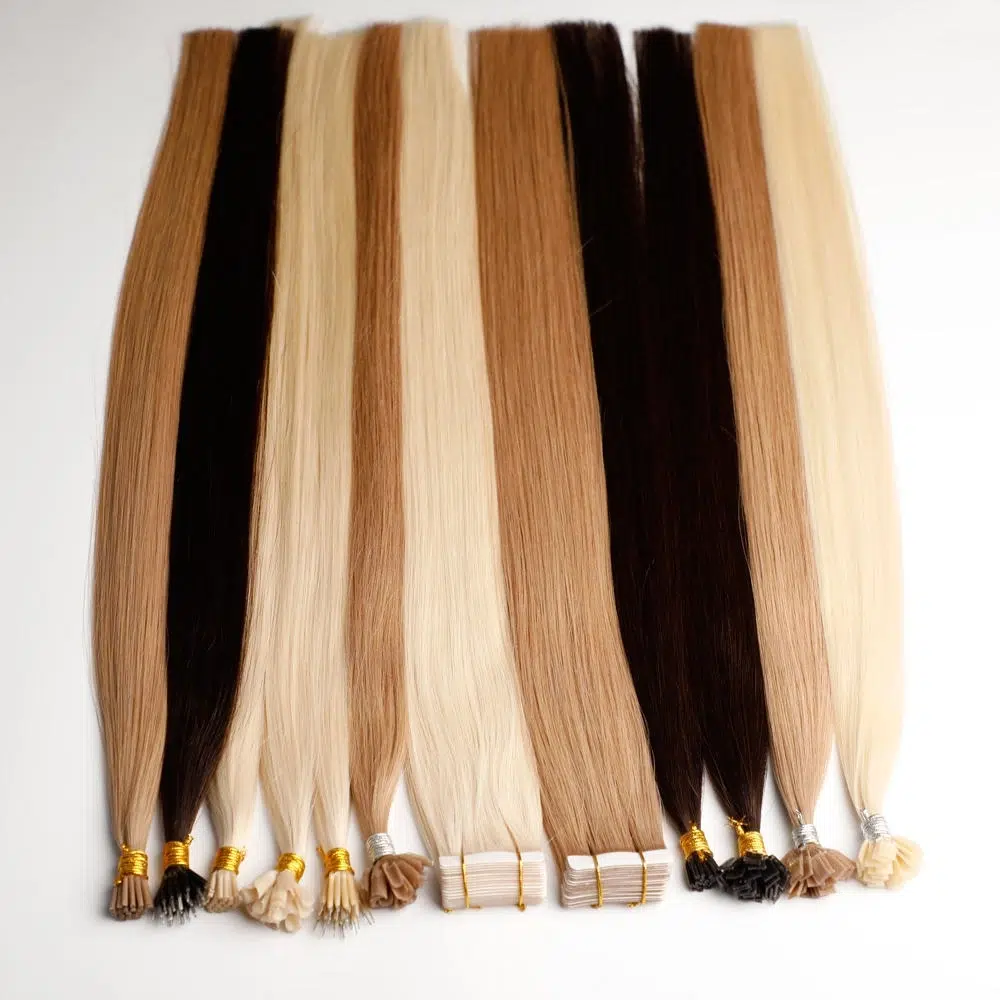
You can provide the best hair in the world, but if it isn’t cared for correctly, it won’t last. Longevity is a partnership between the stylist and the client. From our factory’s perspective, we produce durable hair. But its performance in the real world depends on two things: the maintenance schedule and the client’s daily routine.
The Importance of the Move-Up Cycle
As a client’s natural hair grows, the extension attachment point moves further from the scalp. If left too long, the weight of the extension can cause tension and potential damage. The hair can also start to twist and mat at the root. That’s why move-up appointments are not optional. During a move-up, the stylist removes the extensions, often clarifies and treats the client’s natural hair, and then reapplies the extensions closer to the scalp. This keeps the natural hair healthy and the extensions looking seamless.
| Application Method | Recommended Move-Up Frequency |
|---|---|
| Tape-In Hair | Every 6 – 8 weeks |
| Keratin Hair (Bonds) | Every 3 – 4 months |
| Hair Weft (Sew-in) | Every 6 – 8 weeks |
Client Aftercare is Non-Negotiable
The client’s responsibility begins the moment they leave the salon. We always advise our brand partners to provide clear aftercare instructions. Simple habits make a huge difference. For example, using sulfate-free shampoos prevents the hair from drying out. Brushing gently from the ends up with a proper extension brush prevents breakage. And never, ever sleeping with wet extensions is a golden rule to prevent matting. We produce over a million strips a month, and we know that educating the end-user is key to the success of our products in the market.
Conclusion
Choosing the right hair extensions is an investment in quality. The cost and lifespan depend directly on the hair grade, application method, and your commitment to proper care.