Are you tired of seeing your expensive hair extensions become brittle and snap? This frustrating problem wastes money and can damage your brand’s reputation, leaving you and your clients disappointed.
The main reasons for hair extension breakage are poor raw material quality and harsh factory processing, or improper aftercare. Low-grade, non-cuticle-aligned hair is naturally weak. When combined with aggressive chemical treatments like acid baths and over-bleaching, the hair becomes extremely fragile and prone to snapping.
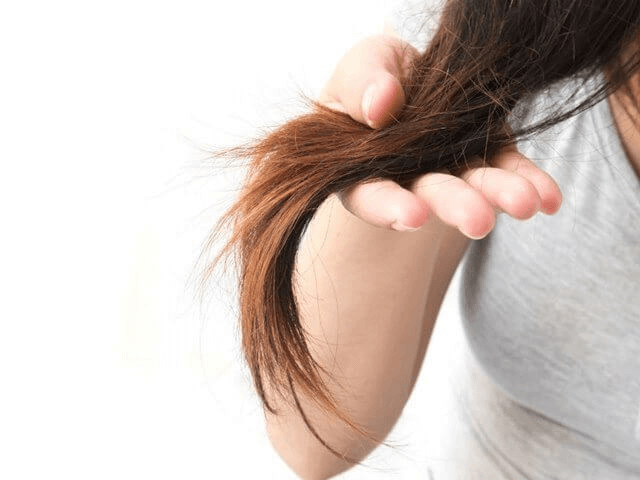
It’s a problem I’ve seen countless times in my 28 years of manufacturing hair extensions. You invest in a product expecting it to be beautiful and long-lasting, only for it to fail. The good news is that once you understand the root causes, you can make better choices for your business and your clients. Let’s dig into the details, starting with the factor that matters most: the quality of the hair and how it’s made.
Is the Quality of the Raw Hair the Real Problem?
You invested in what you thought were premium extensions, but they still break. It makes you question your supplier and wonder if you’re getting what you paid for.
Yes, the raw hair’s quality is the single most important factor. If the hair isn’t full cuticle remy hair, it’s already compromised. Harsh factory processes like acid washing and aggressive bleaching then strip the hair’s structure, making breakage almost inevitable, no matter how well it’s cared for.

Over my years in this industry, I’ve learned that you can’t build a great house on a bad foundation. The same is true for hair extensions. The final product can only ever be as good as the raw material you start with. Many suppliers cut corners here, and that’s where the problems begin. It all comes down to the cuticle and the processing methods.
The Importance of Full Cuticle Hair
The best raw material is “full cuticle hair,” also known as remy hair. This means all the individual hair strands are collected with their protective outer layer, the cuticle, intact and facing the same direction. This keeps the hair smooth, strong, and tangle-free. In contrast, cheaper “non-remy” hair is collected randomly. Its cuticles face different directions, causing instant tangling. To solve this, factories use harsh acid baths to completely strip off the cuticles. While this makes the hair feel smooth initially (often coated in silicone), it has been severely weakened and is destined to become dry, brittle, and break easily.
The Dangers of Harsh Processing
Even with good raw hair, aggressive processing can ruin it. To achieve popular light blonde shades, many factories use fast, high-concentration bleaching agents. This chemical process blasts open the cuticle and destroys the hair’s internal protein structure. It’s a fast and cheap way to get the color, but it results in fragile hair that has lost its natural strength and elasticity. At our facility, we use a much gentler, slower method over several weeks, which preserves the cuticle and the hair’s core integrity.
| Feature | High-Quality Method (Our Process) | Low-Quality Method (Commonly Used) |
|---|---|---|
| Raw Material | 100% Full Cuticle Remy Hair | Non-Remy hair or mixed-quality batches |
| Cuticle Treatment | Cuticles preserved and aligned | Cuticles stripped with strong acid |
| Bleaching | Slow, gentle, multi-week process | Fast, aggressive, high-heat bleaching |
| Final Product | Strong, elastic, long-lasting hair | Brittle, weak hair coated in silicone |
Could Improper Aftercare Be Causing the Breakage?
Perhaps you sourced top-tier hair, but your clients are still reporting breakage. This is confusing and makes you wonder if you received a bad batch or if the product is faulty.
Absolutely. Even the highest quality hair will break if not cared for correctly. Common mistakes like using shampoos with sulfates, frequent heat styling without protection, aggressive brushing, and not properly drying the hair all contribute to damage, brittleness, and eventual breakage over time.

Once the extensions are installed, the responsibility for their health shifts to the wearer. I’ve found that a lack of proper education is a huge reason why beautiful extensions get ruined. You can provide your clients with the best hair in the world, but if they go home and treat it poorly, it will not last. Teaching them proper aftercare is just as important as the installation itself.
Common Product and Washing Mistakes
Many standard hair products are terrible for extensions. Shampoos containing sulfates and parabens are very harsh, and they strip the natural oils and moisture from the hair, leaving it dry and prone to snapping. The same goes for styling products with high alcohol content. Clients must use professional, sulfate-free, moisturizing products designed for color-treated hair or extensions. Also, they should avoid scrubbing the roots where the bonds are. Instead, they should gently lather the shampoo and let it run down the lengths of the hair.
Heat and Mechanical Damage
This is one of the biggest culprits. High-heat tools like flat irons and curling wands can literally cook the hair if used too often or at too high a temperature without protection. A quality heat protectant spray is not optional; it’s a necessity. It creates a barrier between the hair and the heat. Brushing is another area where damage occurs. One should never brush extensions when they are soaking wet. It’s best to gently detangle with fingers, then use a wide-tooth comb or a special extension brush, starting from the ends and carefully working up to the root.
| Action | Do | Don’t |
|---|---|---|
| Washing | Use sulfate-free, moisturizing shampoo. | Scrub the bonds or pile hair on top of your head. |
| Brushing | Use a proper extension brush. Start at the ends and work up. | Brush harshly from the root down or when the hair is wet. |
| Styling | Always use a heat protectant spray. Keep heat below 350°F (180°C). | Apply direct high heat to the bonds or use excessive heat daily. |
| Sleeping | Braid hair loosely or put it in a bun. Use a silk pillowcase. | Sleep with wet or loose hair, which causes tangles and friction. |
Conclusion
Preventing breakage starts with sourcing top-quality hair and continues with proper education. Partnering with an expert factory and teaching correct aftercare are the keys to long-lasting, beautiful extensions.