It is late. You washed your hair. Your extensions are still damp. Now you are asking the risky question: can you sleep anyway and deal with it tomorrow?
You should not sleep with wet hair extensions. Wet extension hair mats fast, dries into knots, and can pull at the attachment points all night. If you must sleep soon, you should dry the roots and attachment areas first, then dry the lengths, then secure the hair in a loose style on a silk pillowcase.

This guide is a “real life” answer. It explains what happens when you sleep with wet extensions, and it gives you a correct method for nights when you are short on time. It also covers special rules for tape-ins, beaded rows, sew-ins, and clip-ins.
What Happens If I Sleep With Wet Hair Extensions?
A lot of people think wet hair is only a problem for frizz. Extensions make it different. Wet hair becomes heavier, stickier, and easier to tangle. Then your head moves for hours on the pillow. That mix is a perfect setup for matting and soreness.
If you sleep with wet hair extensions, you can wake up with tight knots, nape matting, and root tangles around the attachments. Wet hair can also create extra pull as it dries, so your scalp may feel sore. Some methods can also loosen faster when moisture and friction stay around the attachment zones overnight.
Dive deeper
Wet hair changes the physics. It is heavier. It stretches more. It sticks to itself. Then it dries into the shape it stayed in during sleep. That is why “just one night” can still create a mess.
Wet hair tangles faster than dry hair
When hair is wet, the cuticles lift slightly and the strands slide into each other. Extension hair often has more density than natural hair, so the strands have more contact. This contact turns into tangles. These tangles often start at the nape because the nape rubs the pillow and your collar.
Wet hair dries into knots
If you sleep with damp hair, your hair may dry while twisted. The twists become knots. Then you wake up and pull harder with a brush. This adds stress to your natural hair and the attachment areas.
Wet roots create tension at attachments
Wet hair stretches. When it dries, it tightens back. That tighten-back effect can create extra pull around beads, tapes, bonds, or wefts. Some people feel this as soreness or a headache the next morning.
Moisture plus friction is a dangerous combo
Cotton grabs wet hair even more than dry hair. So the hair catches and pulls as you turn. This pull happens many times each night. It is not one big pull. It is hundreds of small pulls.
This table shows common outcomes by “how wet” the hair is:
| Hair condition at bedtime | What usually happens by morning | Risk level |
|---|---|---|
| Dripping wet | Severe matting and knots | Very high |
| Damp at roots | Soreness and root tangles | High |
| Damp at lengths | Nape knots, frizz, rough feel | Medium |
| Fully dry | Smooth hair, easier morning | Low |
If you want extensions to stay soft and last longer, sleeping with wet hair is one habit worth avoiding.

How To Sleep With Wet Hair Extensions?
This is the part many people need. Life happens. You wash late. You travel. You have no time. So what is the correct method when you still need sleep soon?
You should not go to bed with wet hair extensions. If you must sleep soon, you should dry the attachment areas first, then dry the lengths as much as possible, then secure the hair loosely. You should use a silk pillowcase and avoid tight styles that increase pulling while the hair dries.
Dive deeper
This is a “triage method.” It is not perfect. But it protects the most important zones first. The most important zones are the roots and attachment areas, because those zones control comfort and stability.
Step 1: Stop and remove excess water
You should squeeze the hair gently with a towel. You should not rub hard. Rubbing creates tangles fast. You can use a microfiber towel if you have one.
Step 2: Dry the roots and attachment zones first
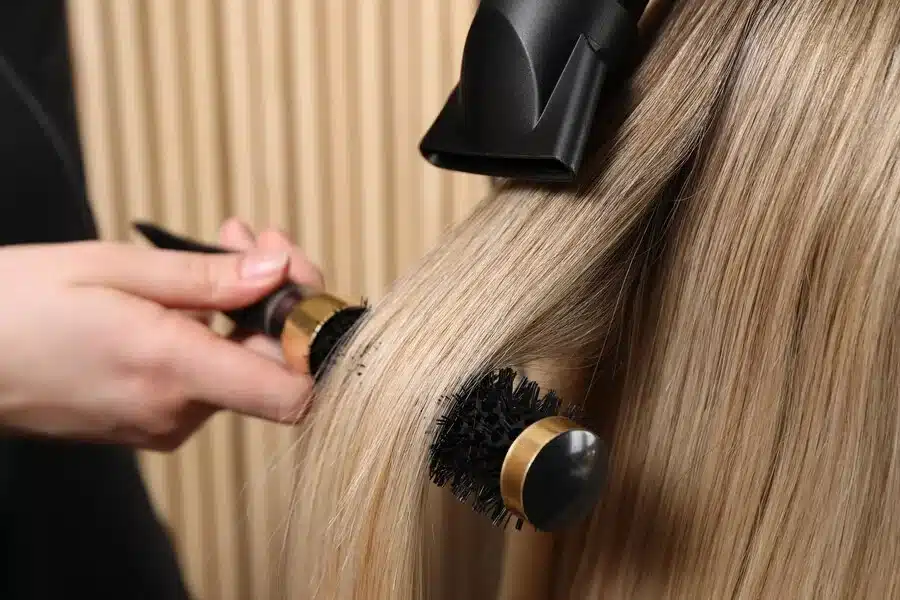
You should focus on the scalp area and where the extensions are attached. This area should be fully dry before sleep if possible. If you have tape-ins, beads, or bonds, this matters even more. A cool or warm blow-dry is better than hot air. You should use your fingers to lift sections so air reaches the base.
Step 3: Dry the lengths to “almost dry”
You should dry the mid-length and ends until they feel mostly dry. If the ends still feel cool and damp, you should keep drying. Damp ends create nape knots overnight.
Step 4: Detangle gently with support
You should use a brush that is extension-safe. You should start from the ends and move up. You should hold the hair near the root area so you do not pull on attachments.
Step 5: Secure in a low-tension style
A loose low braid is the safest choice. A loose low pony can work, but a braid controls tangles better. You should avoid a tight bun because wet hair tightens as it dries, and that can increase scalp tension.
Step 6: Sleep on silk or satin
Silk or satin reduces friction. If you only have cotton, you can lay a satin scarf on top of the pillow.
This table shows what to do based on time:
| Time you have before sleep | Best move | What you should skip |
|---|---|---|
| 20–30 minutes | Dry roots fully + dry lengths mostly | Do not skip detangle |
| 10–15 minutes | Dry roots and attachment zones first | Do not tie tight |
| Under 10 minutes | Dry roots as much as possible | Do not sleep with dripping hair |
If you do this method, you reduce damage risk even on a bad night. Then you can do a full dry and full brush in the morning.
Is It Ever Okay To Sleep With Damp Extensions?
Some people ask this because their hair “feels almost dry.” The issue is that “almost dry” at the roots is still risky. The attachment zone is where problems begin.
It is rarely okay to sleep with damp extensions. Damp roots can create tension as hair dries, and damp lengths can mat at the nape. If the hair is only slightly damp at the ends, risk is lower, but dry is still the best target.
Dive deeper
“Damp” needs a clear definition. A lot of people use the word damp when the roots are still wet but the top layer looks dry. That is the danger zone. The hair feels okay at first, but it dries into problems.
Damp roots are the biggest problem
Damp roots around tapes, beads, or bonds can cause two issues. The first issue is tension as hair tightens while drying. The second issue is slip risk for methods that do not like moisture and oil near the attachment zone. The goal should be fully dry at the roots.
Damp lengths still cause matting
Even if roots are dry, damp lengths can mat at the nape. Hair sticks together when damp. Then friction turns sticky hair into knots. The nape is the first place it happens.
The “cool to touch” test
You can test dampness by touch. If hair feels cool, it is usually still damp. Dry hair feels room temperature. This is a simple test before bed.
This table gives a simple “okay vs not okay” guide:
| Where the dampness is | Risk level | Best action |
|---|---|---|
| Roots / attachment area | High | Keep drying |
| Mid-length | Medium | Dry more, braid loosely |
| Ends only, slight | Lower | Dry more if possible |
If you want fewer tangles, you want dry hair before sleep. That is the simple truth.
How Wet Hair Extensions Can Damage The Install?
Some damage happens to the extension hair itself. Some damage happens to the install structure. People often only see the tangles, but the attachment zones also suffer.
Sleeping with wet hair extensions can damage the install by increasing friction and pulling. It can also create buildup risk because you may use more products to fix tangles later. Over time, this can shorten wear time and make maintenance appointments harder.
Dive deeper
If you want to protect your investment, you want to understand the chain reaction. Wet sleep creates knots. Knots lead to aggressive brushing. Aggressive brushing leads to shedding and tension. Then the install feels worse and looks worse.
More tangles means more force in the morning
When you wake up with matting, you need more force to detangle. That force pulls on your natural hair. That force can also stress the attachment points. Even if the extensions do not fall out immediately, the repeated stress can shorten the clean wear cycle.
Wet sleep makes you rely on heavy products
Many people try to fix morning tangles with heavy oils and silicones. That can make hair look smooth, but it also creates buildup. Buildup near tapes can cause slipping. Buildup near beads can cause irritation. Buildup near bonds can make them feel bulky.
Wet conditions can change comfort
When hair dries tight in one position, it can pull on the scalp. That creates soreness at night and even during the next day.
This table shows the common chain reaction:
| What happens at night | What you see in the morning | The long-term cost |
|---|---|---|
| Wet hair rubs pillow | Nape matting | More breakage risk |
| Hair dries twisted | Tight knots | Shorter lifespan |
| More brushing force | Shedding and pull | Maintenance becomes harder |
| More product use | Buildup at roots | Slip and irritation |
If you want a simple goal, it is this: reduce the need for “morning rescue.” Drying at night prevents most rescue work.

Method-Specific Rules: Tape, Beads, Sew-in, Clip-ins
Not all extensions react the same way to moisture. Some methods are very sensitive at the attachment zone. That is why method-specific rules help.
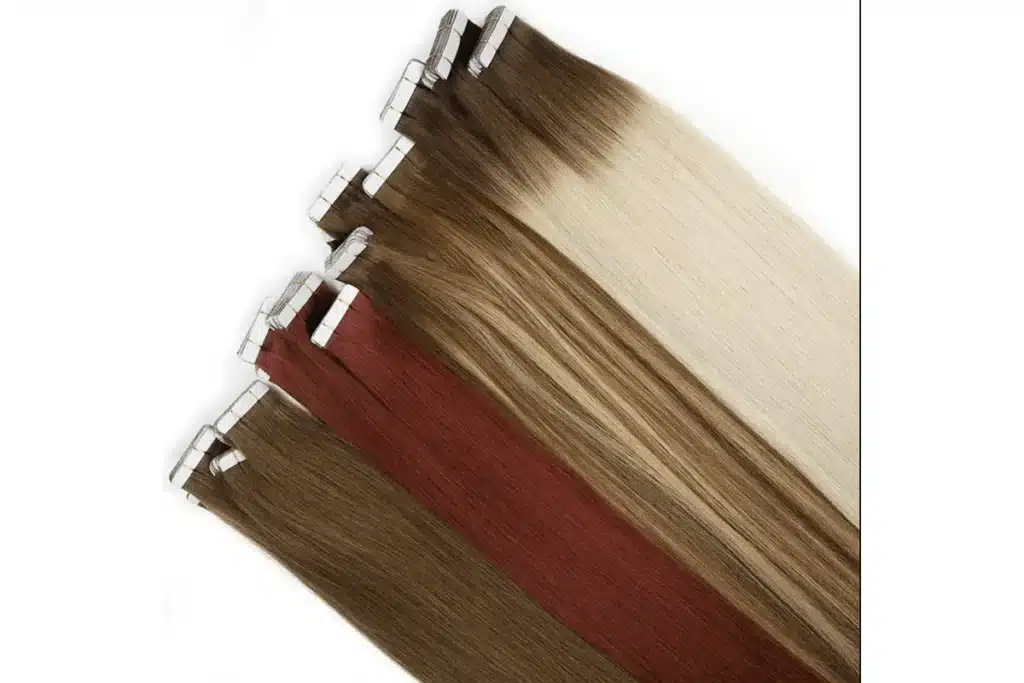
Tape-ins and beaded systems are the most sensitive to sleeping wet because moisture plus movement can increase slipping, pulling, and tangling near the roots. Sew-ins can also mat at the nape when damp. Clip-ins should not be slept in at all, wet or dry, because clips create pressure points and breakage risk.
Dive deeper
If you know your method, you can avoid the most common failure points. If you do not know your method, you can still follow the general rule: dry the roots first and secure loosely.
Tape-in extensions
Tape-ins depend on a clean, stable attachment zone. Wet roots increase movement and can create discomfort. Tape-ins also do not like heavy oils near the tape area. If tape-ins are damp at night, you should dry the tape area fully before sleep. You should also avoid wrapping hair tight because tight wraps can twist tape tabs.
Beaded extensions and beaded rows
Beads create small anchor points. Damp hair can wrap around beads and dry into tangles. These tangles feel painful when brushed. You should dry the bead areas fully and detangle gently before bed.
Sew-in extensions
Sew-ins are stable, but damp hair can mat at the nape fast. The braid base can also hold moisture longer. You should dry the base area as much as possible and use a satin wrap to reduce friction.
Clip-in extensions
Clip-ins should be removed before bed. Wet clip-ins are even worse because wet clips and wet seams can create tangles and can weaken the structure. You should remove them, towel dry them gently, and let them air dry flat.
This table summarizes the key rule by method:
| Method | Biggest wet-sleep risk | Best priority |
|---|---|---|
| Tape-ins | Slip and twisting near tabs | Dry tape zone fully |
| Beads | Root tangles around beads | Dry bead zones + braid |
| Sew-in | Nape matting and damp base | Dry base + wrap |
| Clip-ins | Pressure + tangles + damage | Remove and dry separately |
This section is also useful if you are a client who travels. A small travel dryer and a silk scarf can prevent most issues.
What To Do In The Morning If You Slept With Wet Extensions?
Sometimes you already did it. You slept with wet hair. Now you wake up and the hair feels stuck. The next step matters because panic brushing causes the worst damage.
If you slept with wet hair extensions, you should not yank a brush through the knots. You should separate the hair with fingers first, apply a light detangling spray on the lengths, and brush from ends upward while supporting the roots. You should then dry the roots fully and reset the hair.
Dive deeper
Morning rescue should be slow and controlled. The goal is to remove tangles without pulling on attachments. You can fix most wet-sleep tangles if you handle the hair like delicate fabric, not like strong rope.
Step 1: Do not start at the roots
You should start at the ends. Ends are where tangles lock. If you brush from the top, you push knots tighter.
Step 2: Use fingers first
Fingers can separate big tangles without snapping hair. You should gently open the knot and loosen it. Then the brush can do the rest.
Step 3: Use slip on the lengths only
A light detangling spray or leave-in can add slip. You should keep products away from the attachment zones, especially for tape-ins. You should focus on mid-length and ends.
Step 4: Support the root area
You should hold the hair near the scalp with one hand while brushing with the other. This reduces pull on tapes, beads, bonds, or wefts.
Step 5: Dry the roots and attachment zones fully
Even if the lengths feel dry, the roots may still be damp. You should dry the base area fully. This reduces discomfort and reduces movement.
This table shows a safe rescue approach:
| Morning issue | What you should do | What you should not do |
|---|---|---|
| Nape matting | Finger separate + brush ends up | Rip brush through |
| Root tangles | Support roots + gentle brush | Pull at attachments |
| Damp base | Blow dry base first | Leave it to air dry |
| Frizz and rough feel | Light leave-in on ends | Heavy oil at roots |
After rescue, you should plan a better night routine next time. A small change like drying the roots first makes a big difference.
My opinion
Wet sleep is one of the fastest ways to make extensions feel older. The hair loses smoothness, knots appear, and the scalp can feel sore. It is not worth it when a 10-minute root dry can prevent most problems.
If you are short on time, you should treat the attachment zones like the “priority zone.” Roots first, then lengths, then a loose braid, then silk. That routine keeps the install stable and keeps mornings easy.
FAQ
Can you sleep with wet hair extensions if you braid it?
A braid helps, but wet sleep still risks matting and root tension. Dry roots first, then braid.
What happens if you sleep with wet tape-in extensions?
Tapes can twist and the hair can pull as it dries. You should dry the tape zone fully before bed.
Can sleeping with wet extensions cause them to fall out?
It can increase slipping and pulling over time, mainly when you brush harder the next morning or when moisture weakens comfort and stability.
Is air drying okay before bed?
Air drying is fine if the hair becomes fully dry before sleep. If it stays damp, it is still risky.
What is the fastest way to dry extensions at night?
You should towel squeeze first, then blow dry the roots and attachment zones, then dry the lengths until they feel warm and dry.
Should you use oil before bed to prevent tangles?
No. Heavy oil near roots can cause slipping and buildup. A light leave-in on ends is safer.
Conclusion
You should not sleep with wet hair extensions because wet hair mats and pulls at attachments. If you must sleep soon, dry the roots first, dry the lengths as much as possible, then braid loosely on a silk pillowcase.