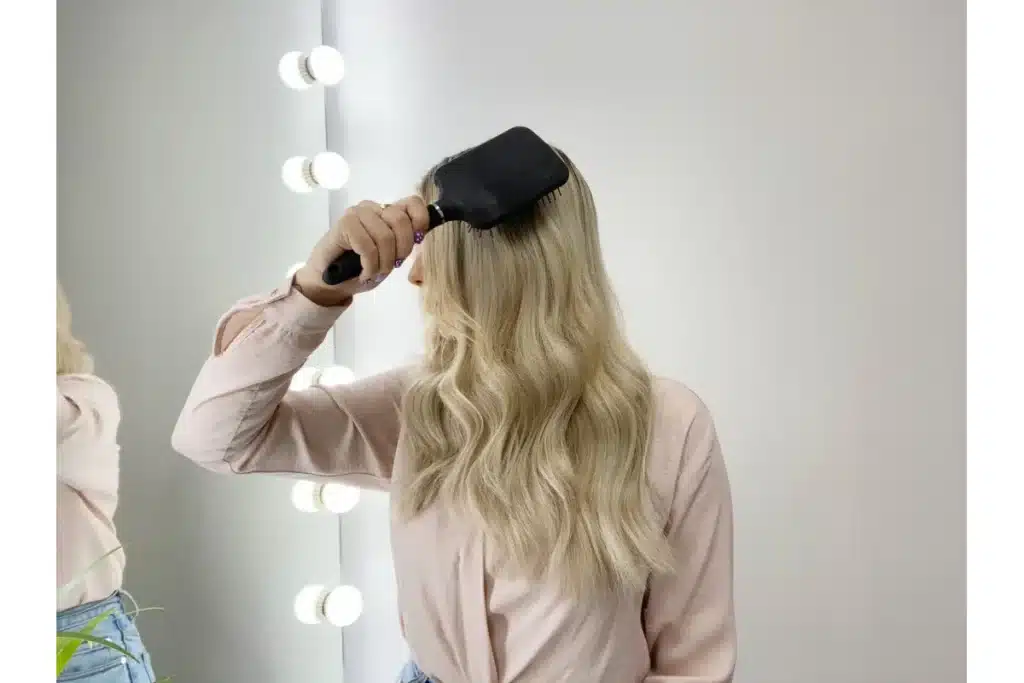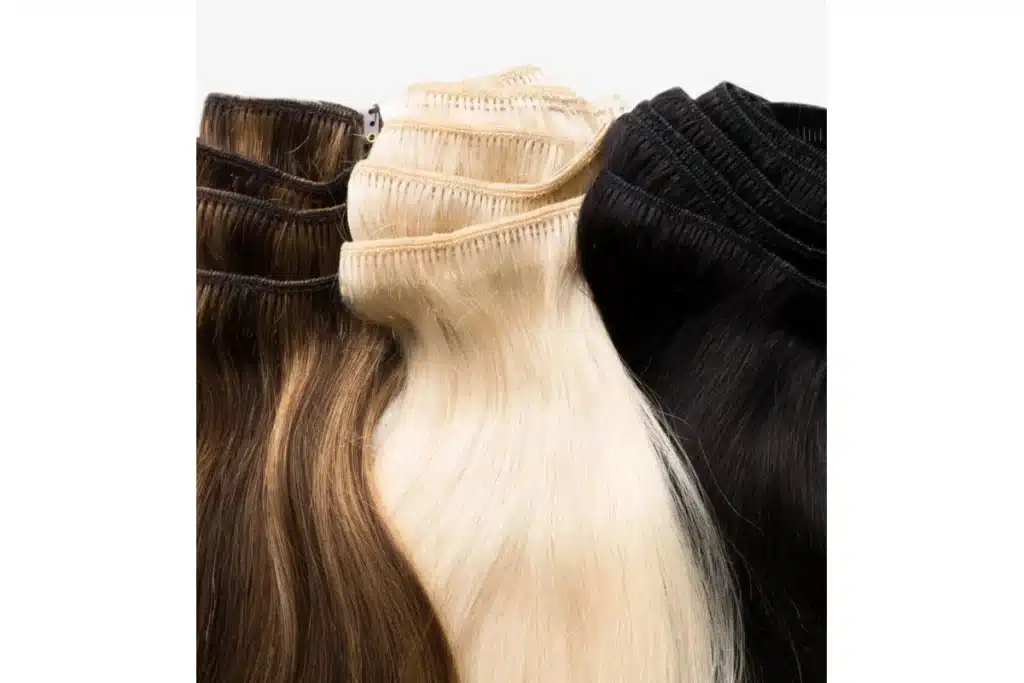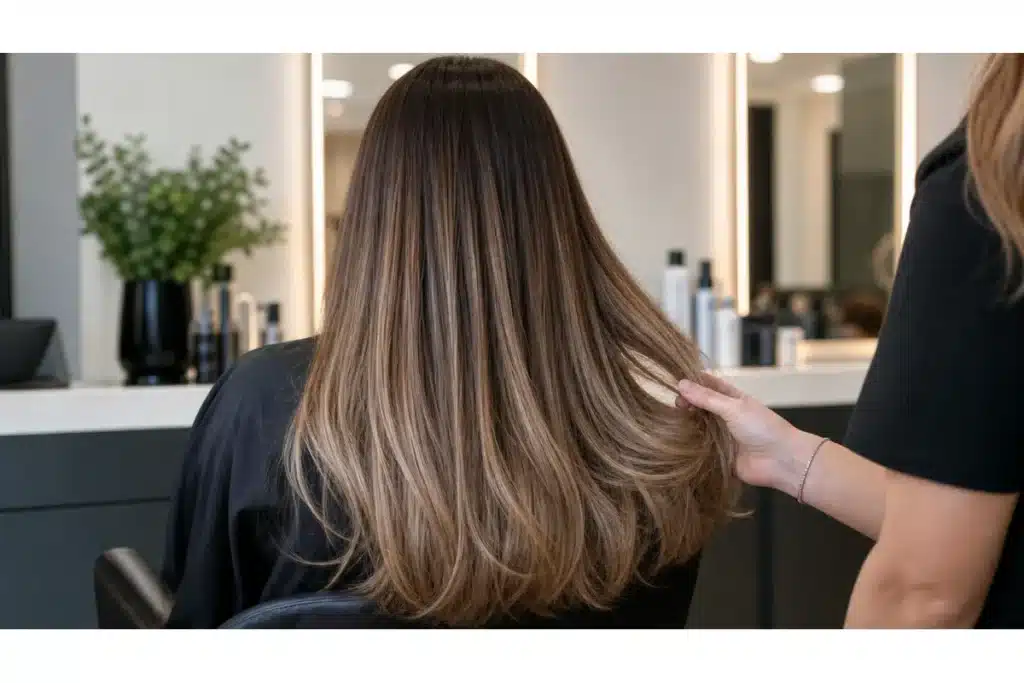
Hair weave names can be confusing because different suppliers use different terms for similar weft structures. The easiest way to understand them is to look at the seam, the base, and the installation method.
The main names of weaves include machine weft, volume weft, hand-tied weft, genius weft, volume genius weft, flat weft, butterfly weft, invisible tape weft, and long tape weft. Each type looks different at the top seam and fits different hair density, comfort needs, install time, and styling goals.
This guide explains the most common weave names with pictures, how each one is made, how salons usually install them, and which type may fit your hair or salon service best.

Main Names of Hair Weaves
Too many names can hide simple ideas.
Most weaves fit four families: machine-made, hand-made, hybrid-thin, and tape-assisted. These families differ in seam thickness, comfort, and how a stylist installs and maintains them.
A simple map anyone can use
Let’s use one idea to understand every weave: the seam. The seam is the thin line at the top where strands join. If the seam is very thin, the hair lies flatter. If the seam is thicker, the hair may feel a bit fuller at the base. Some seams can be trimmed to fit your head shape; some should not be cut. With that in mind, here’s the easy map:
- Machine-made family: regular machine wefts, volume wefts, and “hair bundles” (the way many sellers pack wefts). They are sturdy and can be trimmed. The seam is thicker than ultra-thin styles. People pick them for value, wide color ranges, and reliable quality.
- Hand-made family: handtied wefts. They are very thin and flat. They feel light and look natural. They shouldn’t be cut, so the stylist plans sizes before sewing them in. Many people love handtied for soft comfort and a “barely there” look.
- Hybrid-thin family: genius wefts, volume genius, flat wefts, and butterfly wefts. These aim to look as thin as handtied but keep trim-friendly seams. “Genius” wefts often remove short “return hairs” at the seam, which keeps the base smooth on sensitive scalps.
- Tape-assisted family: invisible tape weft and long tape weft. The top is very thin and comes with adhesive for quick installs. They’re great when you want speed, a smooth finish, and easy removal by a pro.
You can already guess the match: fine hair likes thin seams; big glam looks like denser builds; tight schedules like tape. Save that thought for the chooser later.
Machine weft hair/volume hair weft/ hair bundles?
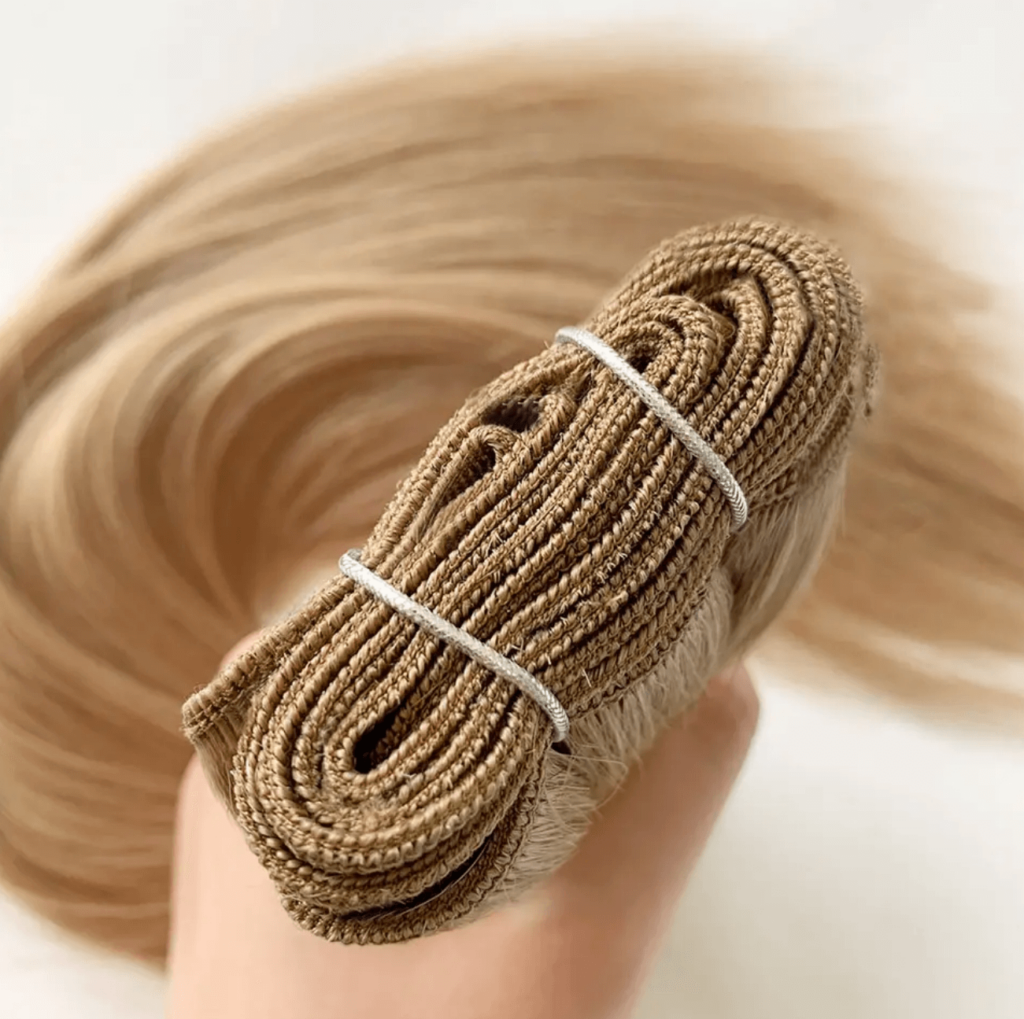
Seeing “machine weft,” “volume weft,” and “bundles” on a product page can be confusing.Machine and volume wefts describe how dense the hair is at the seam. “Bundles” describe the way sellers package wefts, often in 100g packs.
Definition
A regular machine weft is made by sewing two layers of hair into one seam. A volume weft uses three layers (or a similar dense build) on one seam, so you get more fullness with fewer rows. “Hair bundles” are simply individual packs of wefts—often 100 grams—so you can choose how many you need for your length and thickness goals.
Benefits
Regular machine wefts are strong and can be cut to fit. They’re a good balance of price and quality, which makes them a popular first choice. Volume wefts get you bigger hair faster, since you need fewer rows to reach your goal. This can feel comfortable because there are fewer “layers,” even though each seam is a bit thicker. Bundles make buying easy because you can order by weight, length, and color.
What a typical salon install looks like
- Consultation: you and your stylist agree on length, volume, and color blend.
- Prep: the stylist cleans and dries your hair fully.
- Base: the stylist creates a gentle “track” with tiny beads or a small braid to anchor the weft.
- Place: the weft lies along that track.
- Sew: the stylist sews the weft to the track with small, even stitches.
- Trim and seal: if the weft is cut to fit, the stylist seals edges as needed.
- Blend: the stylist shapes the ends and styles your hair so everything looks seamless.
Useful tips for shoppers
- Ask how many bundles you need for your length and fullness. Many people need 2–3 bundles; very full looks may need more.
- If your hair is fine, ask the stylist to spread weight across more rows to protect your roots.
- Keep aftercare simple: gentle brushing from ends to roots, heat protection, and regular move-up appointments.
| Choice | Good For | Things to Know |
|---|---|---|
| Machine Weft | Balanced price and quality | Seam is thicker than ultra-thin styles |
| Volume Weft | Big looks with fewer rows | Place rows carefully for comfort |
| Bundles | Easy planning by grams | Check color blend and length chart |
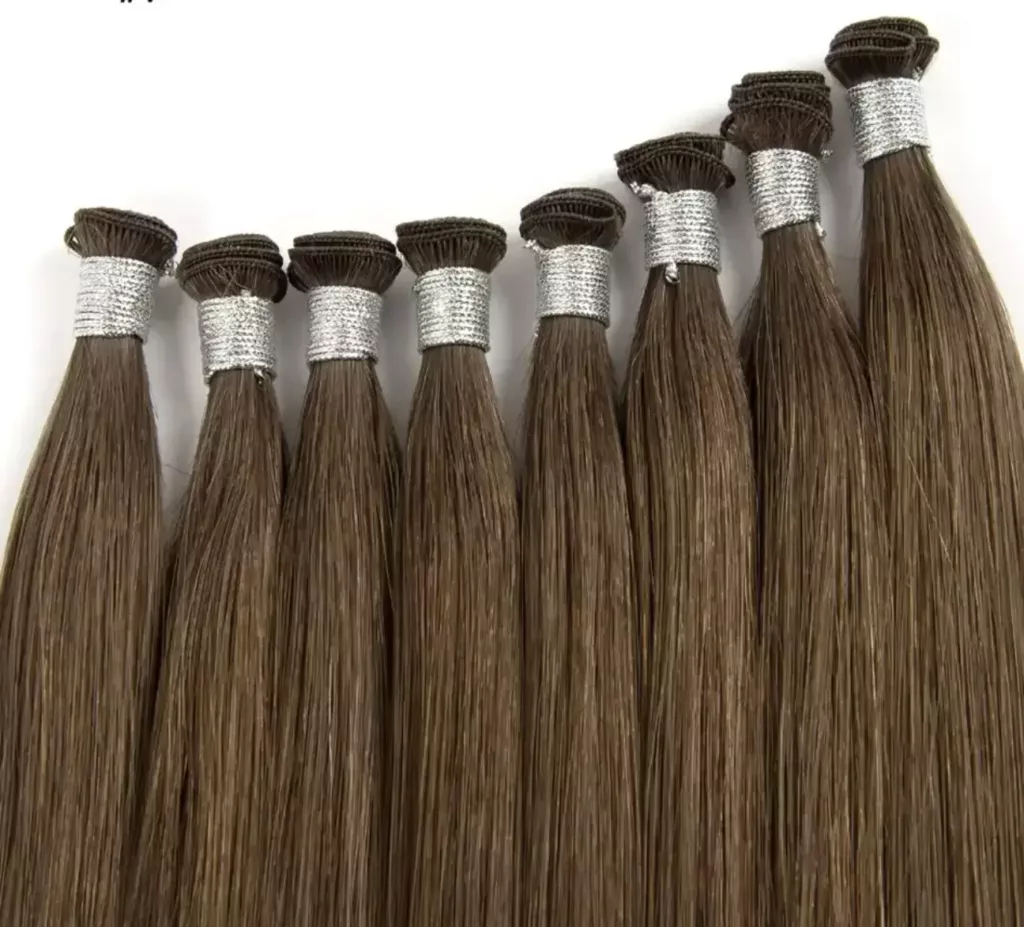
Handtied wefts hair
Many people choose handtied when they want the flattest, softest base.
Handtied wefts are stitched by hand. They lie very flat and feel light. They’re not meant to be cut, so the stylist plans the sizes before sewing them in.
Definition
A handtied weft is made strand by strand with careful hand stitching. That work creates a very thin seam, which is why these wefts sit so close to your scalp. The look is natural, and the feel is soft. Because the seam is delicate, it should not be trimmed.
Benefits
Handtied wefts almost disappear under light or fine hair. They are great for people who want a “no-bulk” look and a soft base. They can blend extremely well in real life and in photos. Many people say they forget they’re wearing them because the base feels so light.
What a typical salon install looks like
- Plan: your stylist measures your head and maps rows; they pre-select weft widths so cutting is not needed.
- Prep: hair is clarified and dried.
- Base: the stylist makes a gentle anchor line with beads or a small braid.
- Place: the handtied weft is laid along the anchor without folding the seam.
- Sew: tiny stitches keep the seam neat and flat.
- Stack: only if needed, since too many layers add weight.
- Blend: the hair is shaped and styled; the seam itself is left intact.
Useful tips for shoppers
- Ask for realistic grams for your hair strength. Fine hair often uses more rows with lighter grams per row for comfort.
- Book move-up visits on time. A clean schedule keeps tension gentle and your roots healthy.
- Never cut the handtied seam at home. That can cause shedding.
| Why People Pick It | What to Remember |
|---|---|
| Ultra-flat, soft, natural look | Not designed to be cut |
| Comfortable for many scalps | Needs good planning by a trained stylist |
| Great in bright light and photos | Usually costs more than basic options |
Genius Wefts hair /Volume Genius Wefts?
You might want a thin, smooth base that can still be trimmed to fit your head.
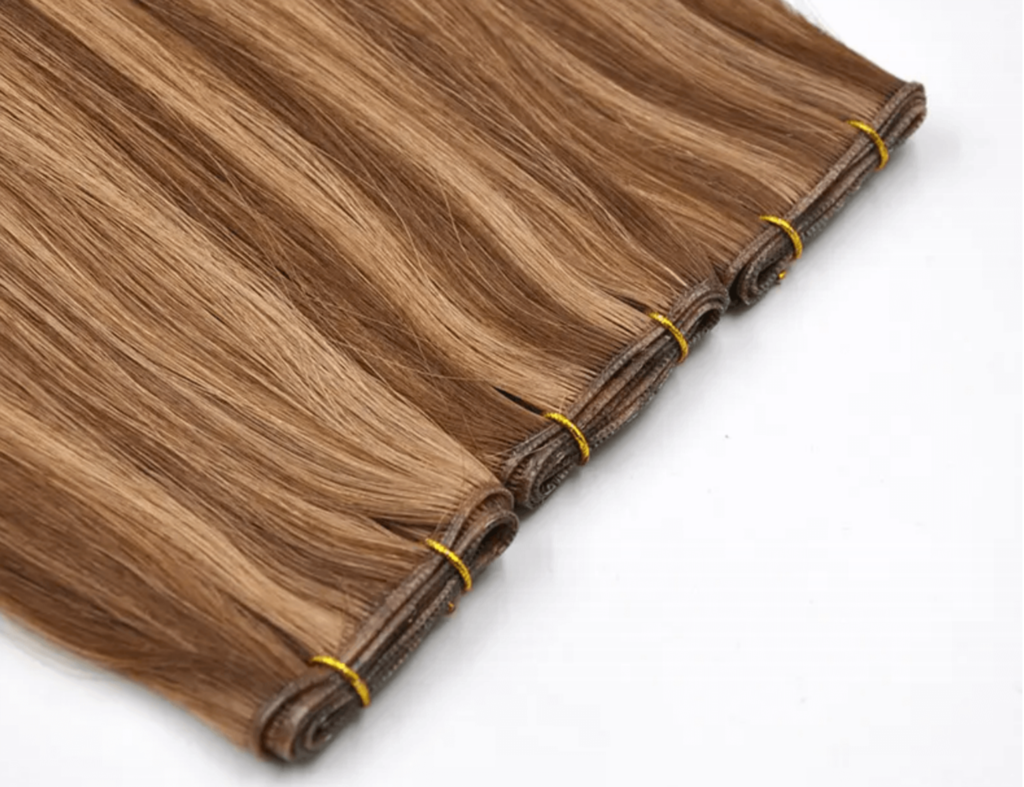
Genius wefts are trim-friendly and usually remove “return hairs” at the seam, so the base feels smooth. Volume Genius adds more thickness to each piece while keeping that thin, smooth seam.
What makes “genius” special
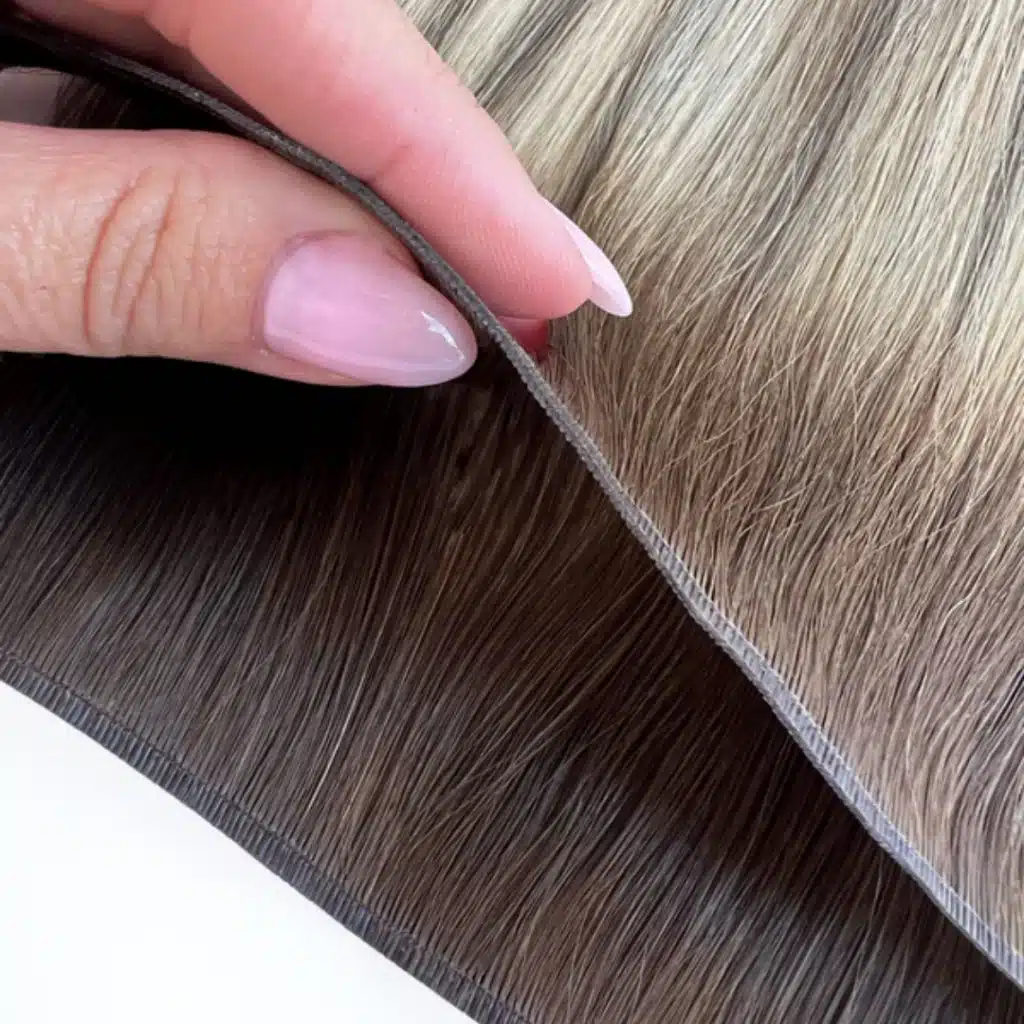
Genius wefts aim to mix the best of both worlds. The seam is thin for a natural lay, but the edge is sealed so a stylist can trim it to fit the exact area. Many brands remove short return hairs at the seam, so the base does not poke the scalp. This helps people with sensitive heads enjoy longer wear.
Why Volume Genius helps glam looks
Volume Genius uses the same thin, smooth seam idea but builds in more hair. Your stylist can place fewer rows and still reach your goal. This saves time and keeps the base tidy, which is great for events, photos, or any “wow” moment.
How salons usually install them
- Talk and map: goals, shade blend, row lines.
- Anchor: beads or a small braid line.
- Place: set the weft along the base.
- Trim to fit: the stylist trims if needed and seals edges per brand rules.
- Sew: small stitches and even tension keep the seam flat.
- Check comfort: no tight spots or pulling.
- Style: shape and finish.
| Choice | Best If You Want | Notes |
|---|---|---|
| Genius | Thin, smooth base with trim-to-fit | Nice for sensitive scalps |
| Volume Genius | Big results with fewer rows | Keep weight balanced |
Flat Wefts
You may want something slim and flexible that still trims easily.
Flat wefts have a neat, sealed seam. They hide well in day-to-day life and work with many hair types.
Definition
Flat wefts use a sealed seam that is thinner than a basic machine seam. The seal helps reduce shedding if the stylist trims the piece to fit. The seam flexes with your head, which helps it blend and feel comfortable.
Benefits you can feel
You get a slim look without the price of ultra-premium options. It trims well, so your stylist can shape it to you. It blends nicely with medium hair and hides in simple everyday styles. For many people, this is the “just right” balance of look, feel, and budget.
What a typical salon install looks like
- Plan: pick how many rows based on your goals.
- Prep: clarify and dry hair.
- Base: beads or braid line as usual.
- Place: align the flat weft so the seam lies smooth.
- Sew: gentle, even stitches; avoid bunching at curves.
- Trim and seal: stylist trims and seals edges as needed.
- Blend: light shaping for a natural finish.
Useful tips for shoppers
- If you have very fine hair, ask your stylist to check visibility around parts and up-dos.
- Keep brushing gentle and work from ends to roots.
- Use a heat protectant and avoid high heat near the seam.
| Why Choose Flat Weft | Keep in Mind |
|---|---|
| Slim, flexible seam | Not the absolute thinnest, but close |
| Trim-friendly | Follow pro edge care |
| Great everyday blend | Works well for many hair types |
Butterfly Wefts
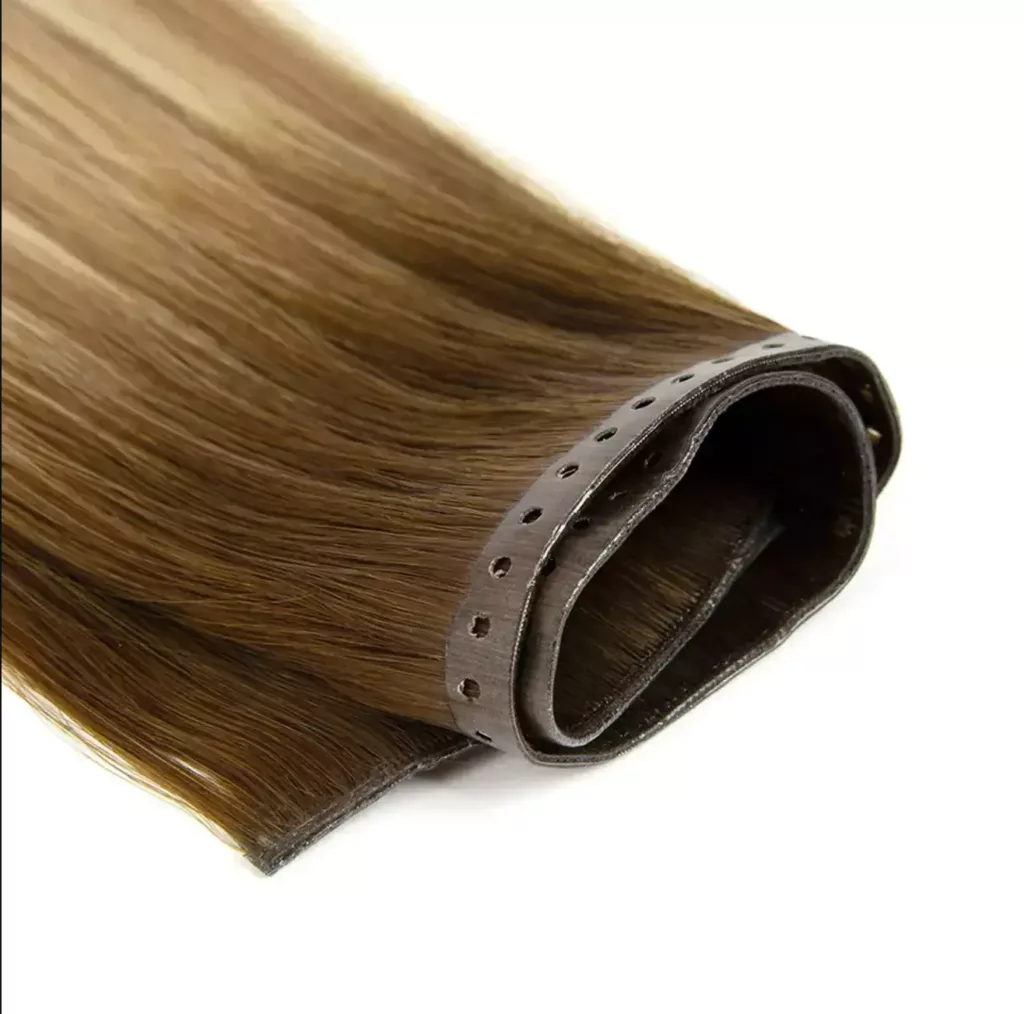
You might want faster installs and a smooth finish at the same time.Butterfly wefts have tiny, evenly spaced holes along the strip. These guide the needle, which helps the stylist move faster and keep tension even.
Definition
A butterfly weft is a thin strip with small holes that act like “stitch markers.” The stylist runs the needle through these markers, so each stitch lands in a consistent spot. That makes the seam even and flat across your head.
Benefits you can feel
Installs are quicker and more consistent. The base feels smooth and the look stays clean because the seam lies flat. This can also make training new stylists easier at salons, which helps more people get the same quality result.
What a typical salon install looks like
- Map: plan rows to match your face shape and part.
- Anchor: beads or a small braid.
- Place: line up the strip so the holes follow the curve of the row.
- Stitch through holes: the stylist moves from center outward, keeping tension even.
- Trim and seal: if trimmed, edges get sealed by brand rules.
- Blend and style: ends are shaped for a soft blend.
Useful tips for shoppers
- Ask your stylist if they offer butterfly installs and how long a typical appointment takes.
- Share any scalp sensitivity so they can adjust tension.
- Keep move-up visits on schedule so the seam stays comfortable as your hair grows.
| Benefit | What It Means for You |
|---|---|
| Faster appointments | Less time in the chair |
| Even tension | Smoother feel and neat look |
| Flat base | Good blend in everyday styles |
Invisible Tape Weft/long tape weft hair extension?
You may want speed and a very clean hairline.
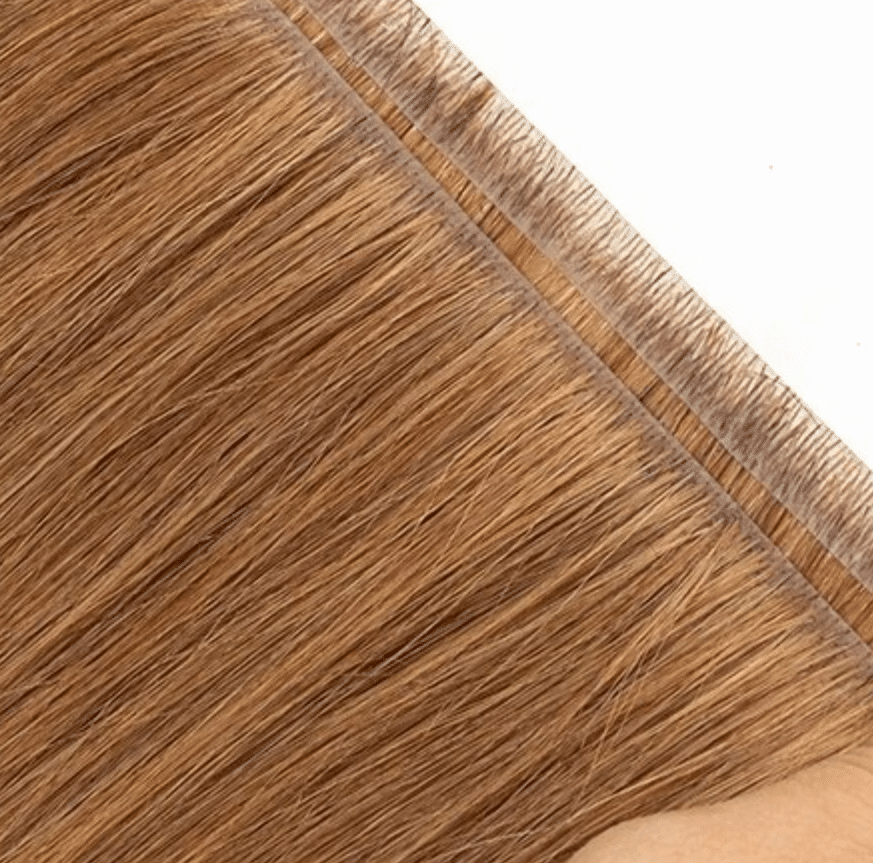
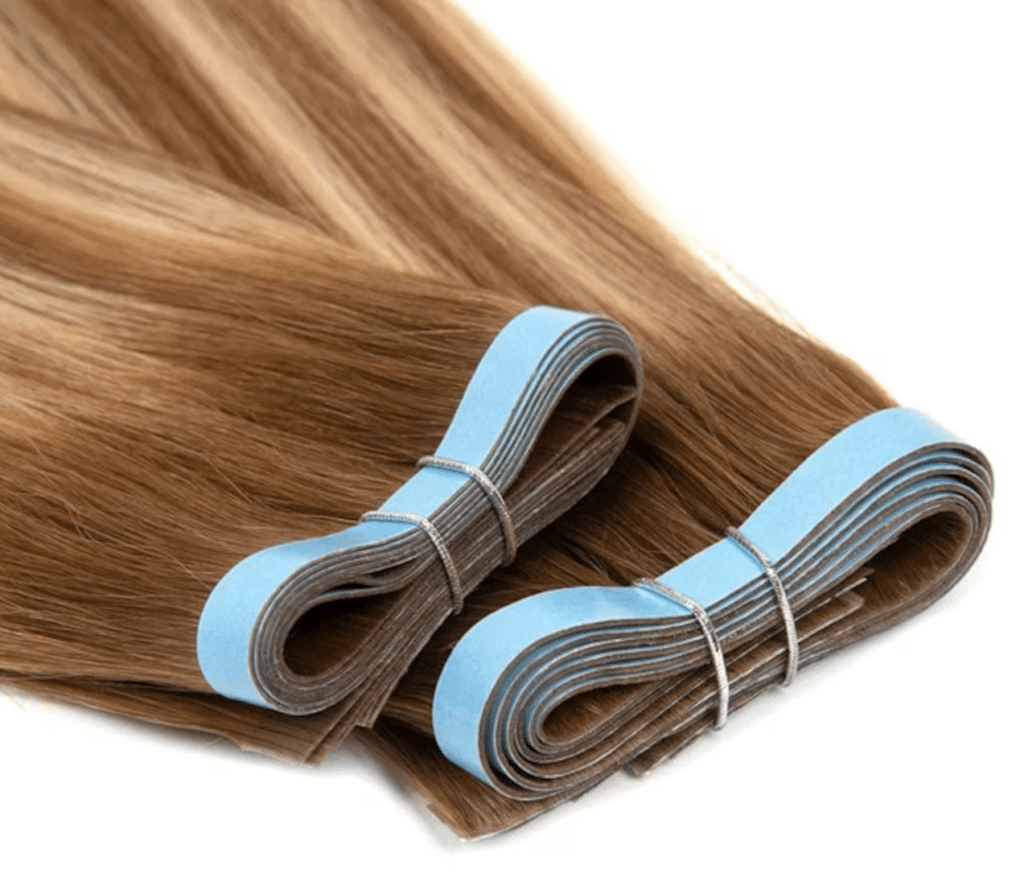
Invisible tape weft uses a super-thin top with pre-applied adhesive. Long tape weft stretches that idea across a longer strip for faster, more uniform coverage.
Definition
Invisible tape wefts have a clear, injected top and come ready with tape. The top lies very close to your head and hides well, even on fine hair. Long tape wefts are the same style but run longer, so your stylist covers more area with fewer joins.
Benefits you can feel
Appointments are quick. The top looks smooth and natural. Fewer joins can make the result look very neat in photos and real life. Removal is simple for a trained stylist, and re-taping keeps the hair usable.
What a typical salon install looks like
- Clean base: your hair is clarified and fully dried. Oils weaken adhesive.
- Section neatly: the stylist creates straight lines so the tape lies flat.
- Place strip: the tape is pressed firmly for a secure bond.
- Space strips: even spacing allows airflow and comfort.
- Warm and seal: if the brand suggests, a little warmth helps set the tape.
- Removal and re-tape: done later with approved remover and fresh tape.
| Choice | Good For | Notes |
|---|---|---|
| Invisible Tape Weft | Fast, thin finish on many hair types | Follow pro removal steps |
| Long Tape Weft | Large, uniform coverage | Great for wedding or photo looks |
Hair Weave Types Comparison Chart
| Weave Type | Top Seam Look | Best For | Main Advantage | Main Limitation |
|---|---|---|---|---|
| Machine Weft | Thicker sewn seam | Medium to thick hair | Strong, cuttable, good value | More bulk at the base |
| Volume Weft | Denser machine seam | Big volume looks | More hair with fewer rows | Heavier than regular weft |
| Hand-Tied Weft | Very thin hand-tied seam | Fine to medium hair | Flat, light, natural finish | Cannot be cut freely |
| Genius Weft | Thin sealed seam | Fine to medium hair | Thin, cuttable, no return hair | Higher cost |
| Volume Genius Weft | Thin but fuller seam | Full looks with less bulk | Volume with cleaner base | Weight still needs control |
| Flat Weft | Slim sealed seam | Everyday salon installs | Flexible, low-profile | Needs good sealing quality |
| Butterfly Weft | Guide-hole base | Controlled sew-in work | Easier stitching and even tension | Needs proper installation |
| Invisible Tape Weft | Transparent tape base | Fast flat installs | Quick, smooth, discreet | Adhesive needs maintenance |
| Long Tape Weft | Longer tape strip | Uniform coverage | Fewer joins, faster coverage | Must be removed professionally |
How to Choose the Right Hair Weave
The right hair weave depends on your natural hair strength, desired volume, scalp sensitivity, install time, and maintenance plan.
| Client Need | Better Options |
|---|---|
| Fine or sensitive hair | Hand-tied, genius, flat, invisible tape |
| Big volume | Volume weft, volume genius, machine weft |
| Fast salon appointment | Invisible tape weft, long tape weft |
| Best value | Machine weft, flat weft |
| Smooth base comfort | Genius weft, flat weft |
| Very discreet look | Hand-tied, genius, invisible tape |
| Custom cutting | Machine, genius, flat, butterfly weft |
Fine hair usually needs thinner seams and lighter weight. Thick hair can support stronger wefts and fuller density. If you are unsure, choose by comfort and hair health first, not only by volume.
My View
I usually suggest choosing wefts by seam structure, not only by product name.
For fine or sensitive hair, hand-tied, genius, flat, and invisible tape wefts usually make more sense because the base is thinner. For fuller salon looks, volume weft or volume genius can save time, but the stylist still needs to control weight.
From a supplier side, the real quality test is not only how the weft looks in pictures. You should also check shedding, cuttability, seam thickness, hair softness after washing, color consistency, and whether the bulk order matches the approved sample.
FAQs About Hair Weaves
What are the main names of hair weaves?
The main names include machine weft, volume weft, hand-tied weft, genius weft, volume genius weft, flat weft, butterfly weft, invisible tape weft, and long tape weft.
Which hair weave is best for fine hair?
Hand-tied, genius, flat, and invisible tape wefts are usually better for fine hair because they have thinner seams and create less bulk.
Which weave gives the most volume?
Volume weft, volume genius weft, and machine weft are good choices for fuller looks because they provide more density.
Can hand-tied wefts be cut?
No. Traditional hand-tied wefts should not be cut freely because the seam may unravel.
What is the difference between genius weft and hand-tied weft?
Genius weft is thin and usually cuttable. Hand-tied weft is also thin, but it should not be cut freely.
How do I choose the right weave?
Choose based on hair density, scalp sensitivity, desired volume, install time, maintenance habits, and whether the weft needs to be cut.
Conclusion
The main names of weaves include machine weft, volume weft, hand-tied weft, genius weft, volume genius weft, flat weft, butterfly weft, invisible tape weft, and long tape weft.
Each weave type has a different seam, comfort level, installation method, and best-use case. Fine hair usually needs thinner seams. Thick hair can support stronger and fuller wefts. Fast salon services may work better with tape-assisted wefts.
For salons and hair brands, pictures help clients understand the difference, but product testing is still important. You can explore our hair weft extensions, learn more about full cuticle hair, or contact Hibiscus Hair to request weft samples.