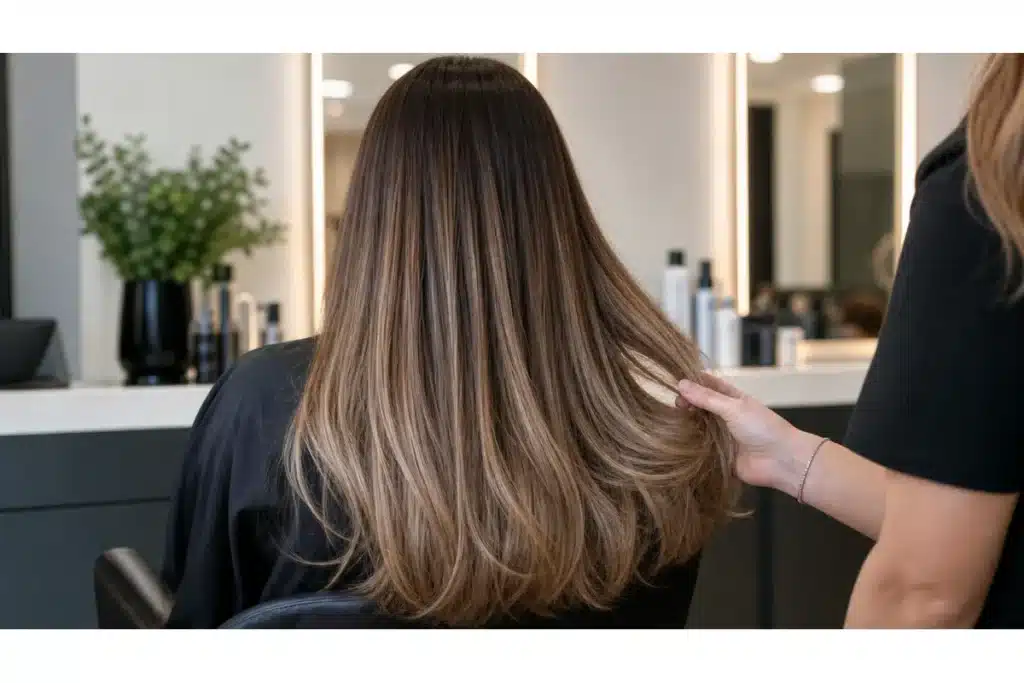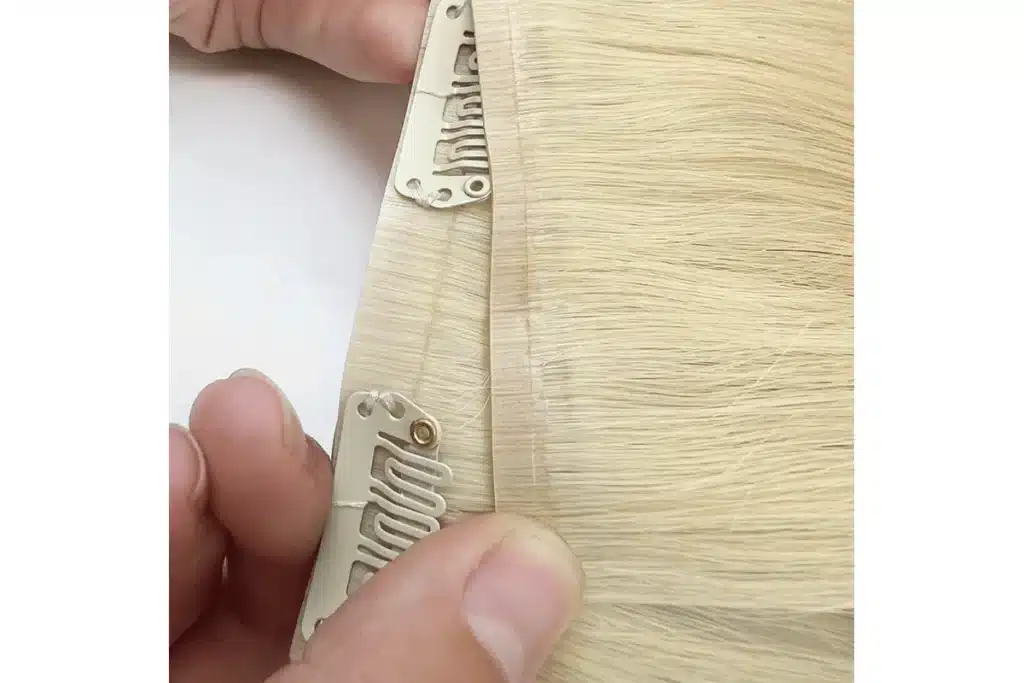
Many salons like Genius Weft samples, but bulk orders can still create complaints if the weft is bulky, rough, or hard to customize.
Genius Weft extensions are useful for US salons because they combine a flat top, flexible cutting, and light client comfort. I still check hair quality, seam strength, color control, weight accuracy, and aftercare fit before I recommend them for a salon menu or distributor order.
I use this guide when a salon owner asks me whether Genius Weft is worth adding beside hand tied weft or machine weft.
What Makes Genius Weft Different For Salon Use?
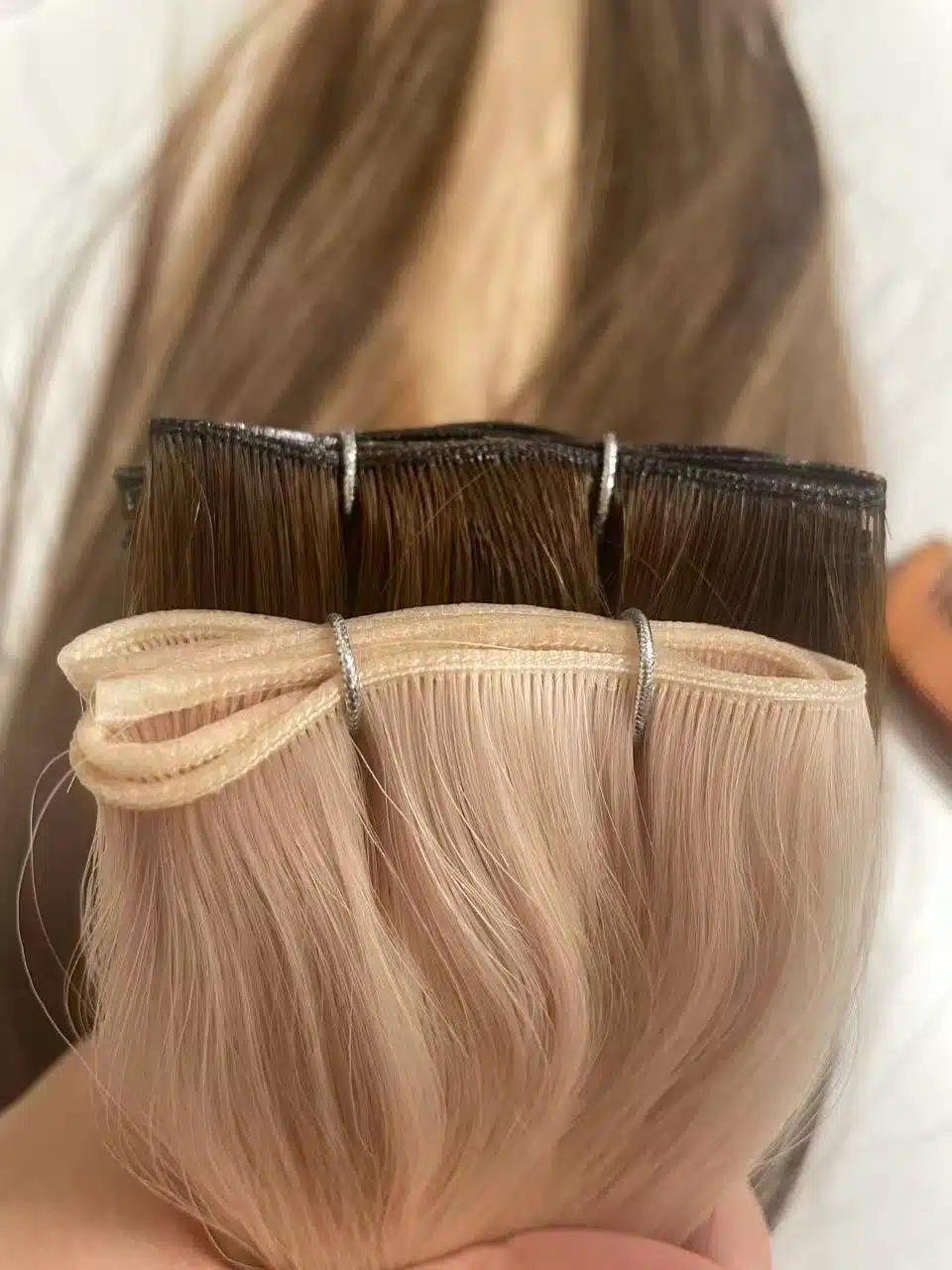
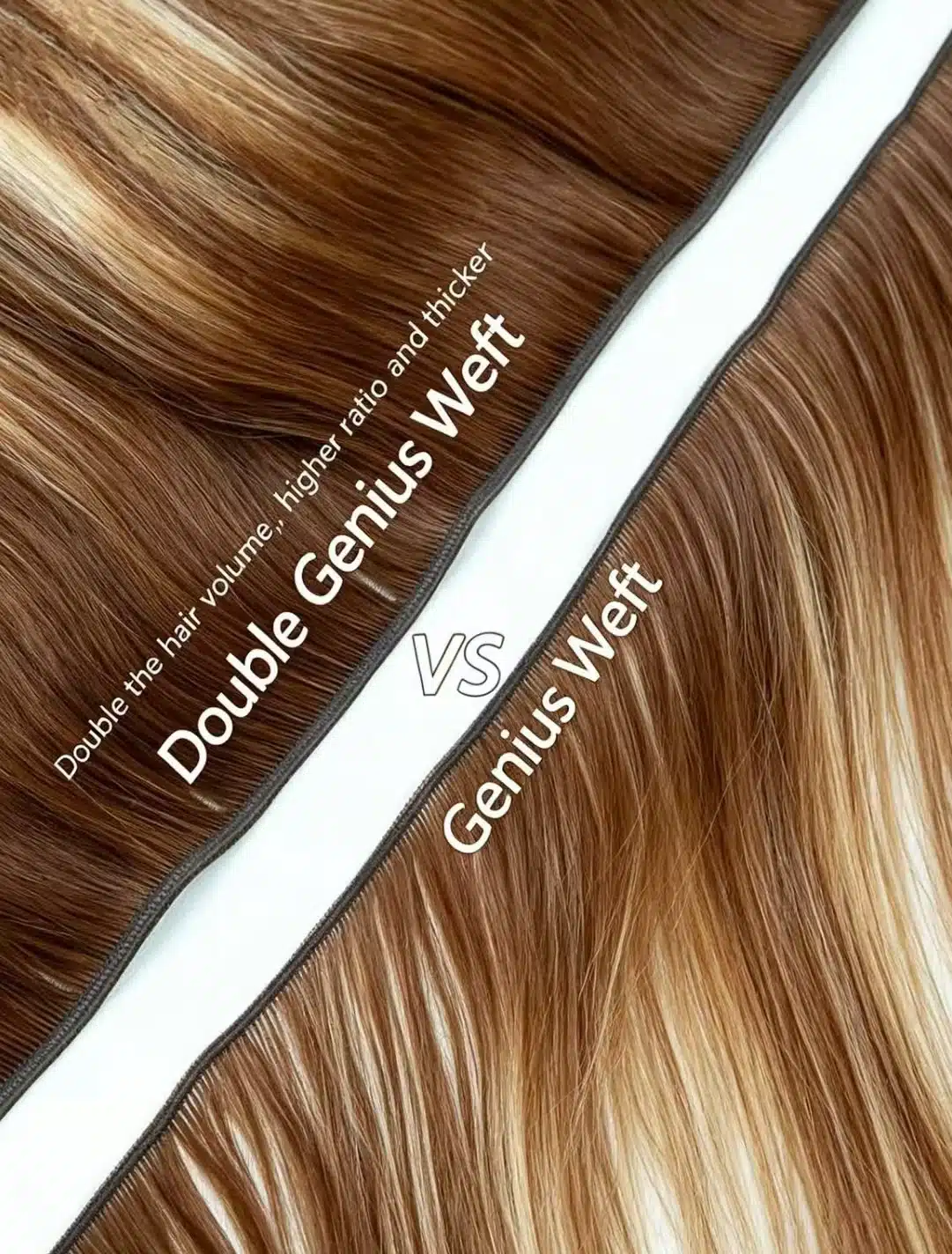
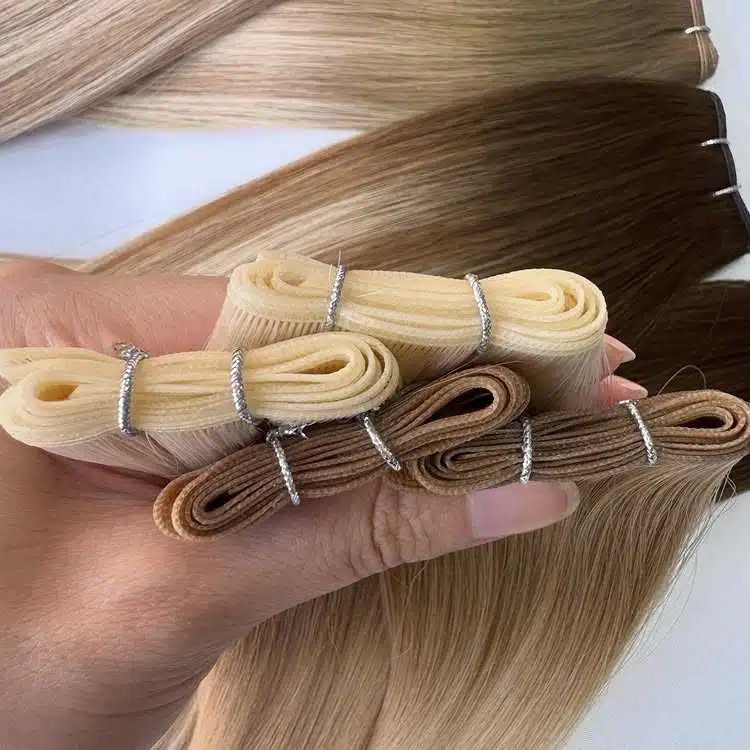
Genius Weft is different because it gives salons a thinner top like hand tied weft, but it can usually be cut like a more flexible weft structure.
Genius Weft helps solve one common salon problem. Stylists want a flat, hidden row, but they also need flexible sizing for different head shapes. Machine weft can be strong and cuttable, but it may feel thicker. Hand tied weft can be very flat, but many versions should not be cut freely.
This is why I often explain Genius Weft hair extensions as a practical middle option. It works well when the salon wants a clean row, flexible width, and a lighter feel for clients who dislike bulky wefts.
Factory Tip
I never judge Genius Weft by sample softness only. A soft sample can still fail if the seam opens after cutting or if bulk color changes. I check the top stitching, cut edge, brushing result, and wash result before I trust the product.
Genius Weft Sample Check Sheet
Use this simple request to compare seam flatness, cut edge behavior, weight, color, and washing result before a salon or distributor order.
Ask for a Genius Weft sample checkWhy Does Flatness Matter For US Salon Clients?
Flatness matters because clients want extensions that stay hidden under natural hair and feel comfortable near the scalp.
A flatter weft top can help stylists build cleaner rows. It can also help clients with medium or fine hair because the row does not push the natural hair up as much. I do not mean every fine-haired client should wear Genius Weft. I mean the stylist has more room to build a lighter row.
Flatness also affects client confidence. Many US clients wear extensions in daily life, not only for photos. If the top feels bulky, the client notices it quickly.
Stylist Note
I suggest stylists check flatness in three places: near the crown, behind the ear, and around the side row. These areas often show bulk first. If the weft is too thick, the stylist may need more blending work or fewer grams.
Can Genius Weft Be Cut During Installation?
Yes, Genius Weft is usually designed to be cut, but salons should still test the cut edge before they use it on paying clients.
Cutability is one main reason salons like Genius Weft. A stylist can adjust the row width more easily. This helps when the client has a smaller head, short layers, or different density on each side.
But I do not suggest cutting any weft without a test. I cut one small piece, brush it, wash it, dry it, and check whether the edge opens. Some loose hair after production is normal, but active shedding from the cut edge is a different problem.
For buyers comparing methods, hand tied weft extensions can still be a good premium option. But the salon must understand whether the exact hand tied weft can be cut or only trimmed at designed points.
How Should Salons Test Client Comfort Before Adding Genius Weft?
Salons should test client comfort by checking row weight, weft thickness, tension, placement, brushing feel, and home-care difficulty.
Comfort does not come from the weft name alone. A lightweight weft can still feel uncomfortable if the stylist uses too much hair in one row. It can also cause stress if the beads or stitches are placed with too much tension.
I like a simple salon test. Install a sample row on a mannequin first. Then test one model with normal daily movement, washing, and brushing. Ask how the row feels after one day, one week, and the first wash.
For US salons, comfort also connects to sanitation and service habits. Stylists should follow state board rules for clean tools and service standards [1].
Genius Weft Salon Buying Checklist
A salon should check the weft structure, hair quality, color match, pack weight, sample-to-bulk match, and supplier support before it orders Genius Weft in bulk.
| Check Point | What I Check | Why It Matters |
|---|---|---|
| Top flatness | I check whether the weft sits close to the scalp. | It affects invisibility and comfort. |
| Cut edge | I cut a small part and brush it after washing. | It shows whether the weft can be customized safely. |
| Hair direction | I check root-end control and tangling after wash. | Mixed direction can increase tangling risk. |
| Color control | I compare the sample with bulk pieces under clear light. | Color mismatch creates salon complaints. |
| Pack weight | I check gram weight after production. | Short weight affects pricing and install planning. |
| After-sales support | I ask how the supplier handles shedding, tangling, and color claims. | Good support lowers buyer risk. |
Buyer Check
If a supplier sells to the US market, I also check packaging and origin wording. Brands should be careful with any US origin or “Made in USA” claim. The FTC explains that marketers need truthful support for these claims [2].
What Mistakes Create The Most Genius Weft Complaints?
The biggest complaint risks come from testing only softness, choosing by price alone, ignoring cut-edge behavior, and giving clients weak aftercare instructions.
I see one mistake many times. A buyer approves one soft 20-inch sample and then orders bulk without washing or cutting the sample. The first salon feedback sounds good, but later clients report more shedding near cut areas or more tangling after home washing.
One salon buyer once asked us why her first order felt different from her sample. We checked the sample record, color, length, and batch timing. The salon had cut the weft into many small pieces without checking the edge. After that case, we added a cut-edge test before bulk orders.
This is why I do not like price-only comparison. Cheap weft can look good in a photo. But if it creates reinstall time, returns, and unhappy clients, the real cost becomes higher.
Should Distributors Stock Genius Weft Beside Hand Tied Weft?
Yes, many distributors should stock both if their salon buyers need different price points, installation habits, and client comfort options.
I do not see Genius Weft as a full replacement for hand tied weft. I see it as another tool for the salon menu. Some stylists love hand tied weft. Some prefer a cuttable weft because it saves time.
For distributors, the stronger product line is often a clear menu. You can explain weft hair extensions by structure, flatness, cutability, weight, and client type. This helps salon buyers choose with less confusion.
Distributors should also keep sample cards and color rings stable. US salons reorder common shades often. If the color ring changes too much, the stylist loses trust.
My View
I think Genius Weft is a strong product for US salons when the supplier can prove stable quality. I would not choose it only because it sounds popular. I would choose it because the structure solves real salon problems: flatter rows, easier cutting, and lighter client feel.
From the factory side, I care most about repeat stability. A good first sample is only the start. The real test is whether later orders still match the approved quality.
If I were helping a salon or distributor choose a supplier, I would ask for sample testing, bulk batch control, color records, and a clear after-sales process before I discussed a large order.
Conclusion
Genius Weft extensions can fit US salons that need flat, flexible, and comfortable weft services. They work best when the salon tests the sample, checks cutability, confirms color and weight control, and teaches clients proper aftercare. I see Genius Weft as a practical salon-menu upgrade, not just a trend.
FAQs
Are Genius Weft extensions good for fine hair clients?
They can be good for some fine hair clients because the weft top is flat and light. The stylist still needs to control row weight, tension, and placement.
Can stylists cut Genius Weft extensions?
Most Genius Weft products are designed to be cut, but I still suggest testing the cut edge first. The edge should stay stable after brushing and washing.
Is Genius Weft better than hand tied weft?
I do not call one product better for every client. Genius Weft gives more cutting flexibility. Hand tied weft can still be a strong choice for very flat premium rows.
What should salons test before ordering Genius Weft wholesale?
Salons should test seam flatness, cut edge behavior, washing result, shedding, color, weight, and comfort.
How can distributors reduce Genius Weft complaints?
Distributors can reduce complaints by keeping sample-to-bulk quality stable, checking color and weight, and giving salons aftercare guidance.