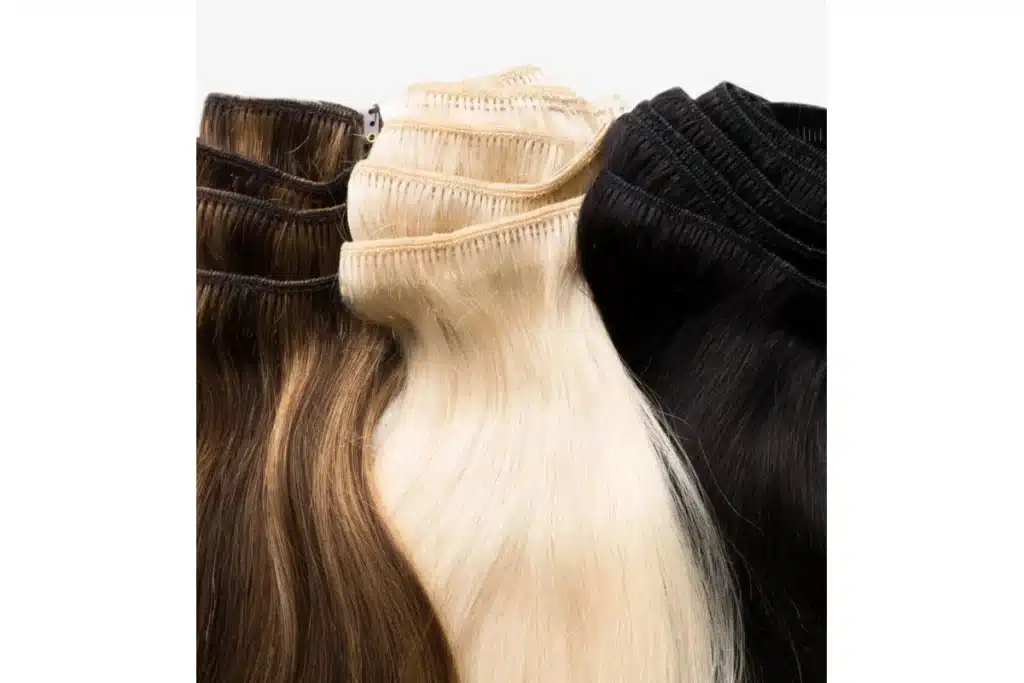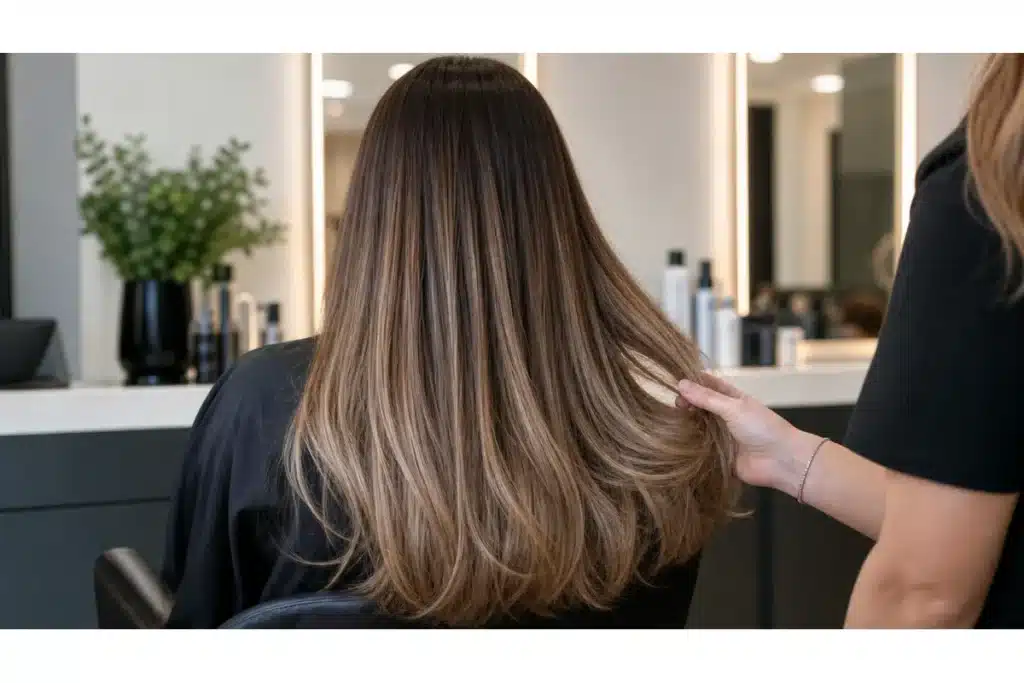
Double wefts can add efficient volume, but the wrong seam weight can create bulky rows, weak blending, and avoidable client discomfort.
Double weft hair extensions combine more hair in one weft structure, so salons should compare seam thickness, grams per width, cutability, row weight, and client density. They often suit fuller volume plans, but fine or tension-sensitive hair may need a lighter construction.
The product name does not define every specification. Buyers should measure the sample and plan the row around the client rather than assume all double wefts feel the same.
What Are Double Weft Hair Extensions?
Double weft hair extensions place more hair density into a weft structure, usually to provide fuller coverage with fewer separate pieces or layers.
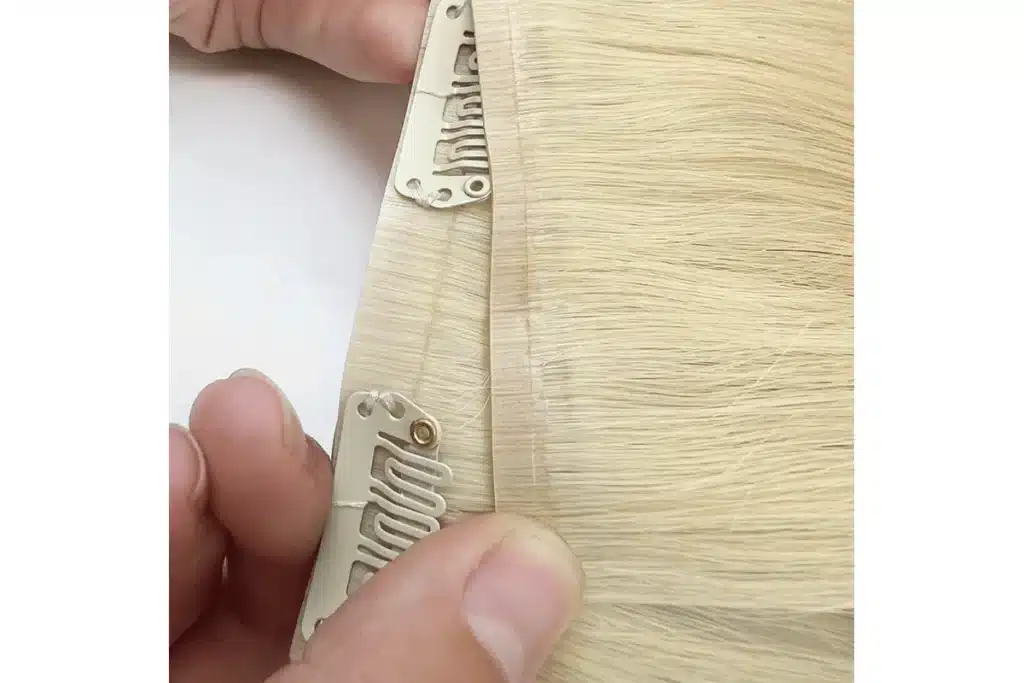
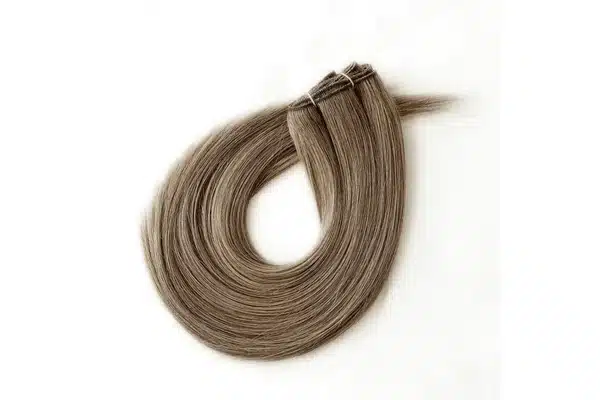
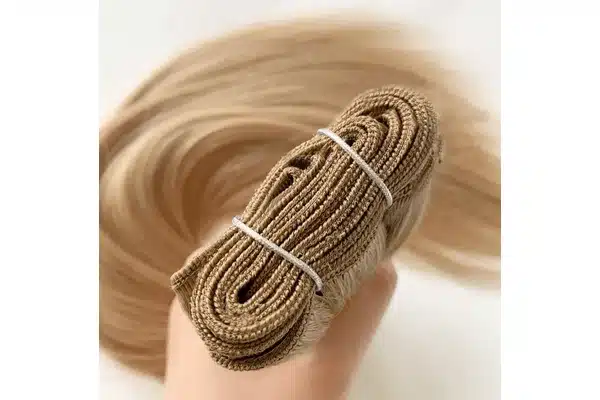
Suppliers may use the term differently. One double weft may be two machine-weft seams combined. Another may use a folded or reinforced construction. Buyers should ask for a seam photo, grams, total width, thickness, and cutting instructions.
Added hair weight and repeated pulling can contribute to traction-related hair loss when the style places sustained stress on the natural hair. The American Academy of Dermatology identifies pain and scalp irritation as warning signs. [1] A clinical review also notes that extensions and added hair can increase traction through weight and prolonged wear. [2]
| Parameter | Double-weft question | Salon consequence |
|---|---|---|
| Seam profile | How thick and flexible is the top? | Affects row bulk and concealment |
| Grams per width | How much weight sits across each inch? | Affects section load and client comfort |
| Cutability | Can the seam be cut, and must it be sealed? | Affects customization and shedding risk |
| End density | How full are the final inches? | Affects blending, material cost, and finished volume |
Send the client density, row method, target grams, length, and shade before approving a salon sample.
Request a double-weft specification reviewWhich Clients Can Fit a Double Weft?
Double wefts often fit clients with medium or dense natural hair who need fuller volume, but the stylist must confirm section strength and concealment.
A dense blunt haircut may benefit from concentrated weight because the stylist needs enough extension hair to soften the baseline. A fine-hair client may struggle to hide a thicker seam, even when the total grams seem reasonable.
The stylist should divide the planned total weight by the number and width of rows. Concentrating too much hair into one row can create pressure and make the seam harder to hide. Distributing the weight may improve comfort, but more rows also require enough healthy natural hair and installation space.
The hair weft extensions category helps salon buyers compare construction options. The final choice should follow the client assessment and the exact sample specification.
How Should Salons Compare Double Weft and Hand-Tied Weft?
Salons should compare seam profile, grams, flexibility, cutability, row count, and client density rather than choosing only by product name.
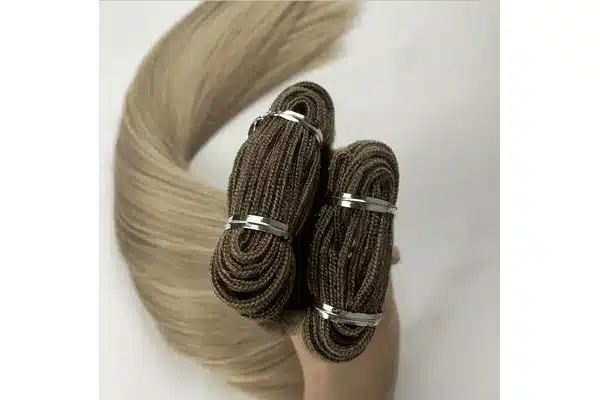
Hand-tied wefts are often light and flexible, but many constructions should not be cut freely without following supplier instructions. A double machine weft may provide more density in a compact width, but it can create a thicker top.
The hand-tied weft hair extensions page gives buyers a product reference for a lighter seam option. Salons that carry both methods should define which density, volume goal, and row technique belongs with each product.
From the production side, we often ask buyers to compare grams per piece and total width together. A heavier sample is not automatically fuller in the finished result if the width is also much longer. Grams per unit of width gives the salon a clearer view of local row weight.
What Should Buyers Test Before a Bulk Double-Weft Order?
Buyers should test seam consistency, cutting behavior, shedding, washing performance, end fullness, color stability, and row comfort before ordering in bulk.
The sample should match the intended length and shade. Very light colors and long lengths may create different dryness and density concerns from a short dark sample. Buyers should write down the approved grams, width, seam thickness, color code, and end-density target.
Cut testing is important. If the supplier allows cutting, the buyer should follow the stated sealing method and inspect the edge after washing. If cutting is not recommended, the stylist needs piece widths that fit the normal row plan.
The human hair weft buyer checklist gives wholesale buyers additional points for checking hair direction, ends, and repeat-order consistency.
How Can Salons Reduce Bulk and Tension Complaints?
Salons can reduce complaints by matching row weight to section strength, keeping the seam concealed, following move-up timing, and responding early to pain or irritation.
The installer should check the client while standing, sitting, and moving the hair. A row that looks flat on the table can still feel rigid on a curved head. The stylist should also leave appropriate space from the hairline and weak perimeter areas.
Aftercare should explain brushing, washing, drying near the seam, and when to return for maintenance. Pain is not a normal break-in requirement. A client who reports persistent pulling or tenderness needs a prompt professional assessment.
My View
From our factory perspective, double weft hair extensions should be sold by measurable specifications, not by a density label alone. We usually suggest checking total grams, total width, grams per width, seam thickness, flexibility, cutting instructions, and end fullness. These details help a salon decide whether the product belongs in one row, several rows, or a different client service. A heavier weft can be useful for dense hair and strong volume goals, but it may not fit fine hair or exposed sections. Buyers should approve the intended shade and length because processing and length can change feel and fullness. A retained sample and written order sheet also make repeat-order checks clearer. The safer decision is the construction that matches the client and installation method, not the product with the highest gram number.
Frequently Asked Questions
Is a Double Weft the Same as Two Wefts Stacked Together?
Not always. Supplier terminology varies. Buyers should request a seam photo and written construction details before comparing products.
Can Double Weft Hair Extensions Be Cut?
Some constructions can be cut when the edge is sealed correctly. Others may shed after cutting. The supplier’s written cutting instructions should be tested on a sample.
Are Double Wefts Too Heavy for Fine Hair?
They can be too concentrated for some fine-hair clients. The stylist should assess section strength, seam concealment, total row weight, and the client’s scalp comfort.
Do Double Wefts Reduce Installation Time?
They may reduce the number of separate pieces needed for a fuller row. The actual service time depends on the installation method, customization, head shape, and row plan.
Conclusion
Double weft hair extensions can provide efficient density when the seam, grams, width, and row plan fit the client. Salons should compare measurable specifications and complete a real wear and wash test before approving a bulk order.