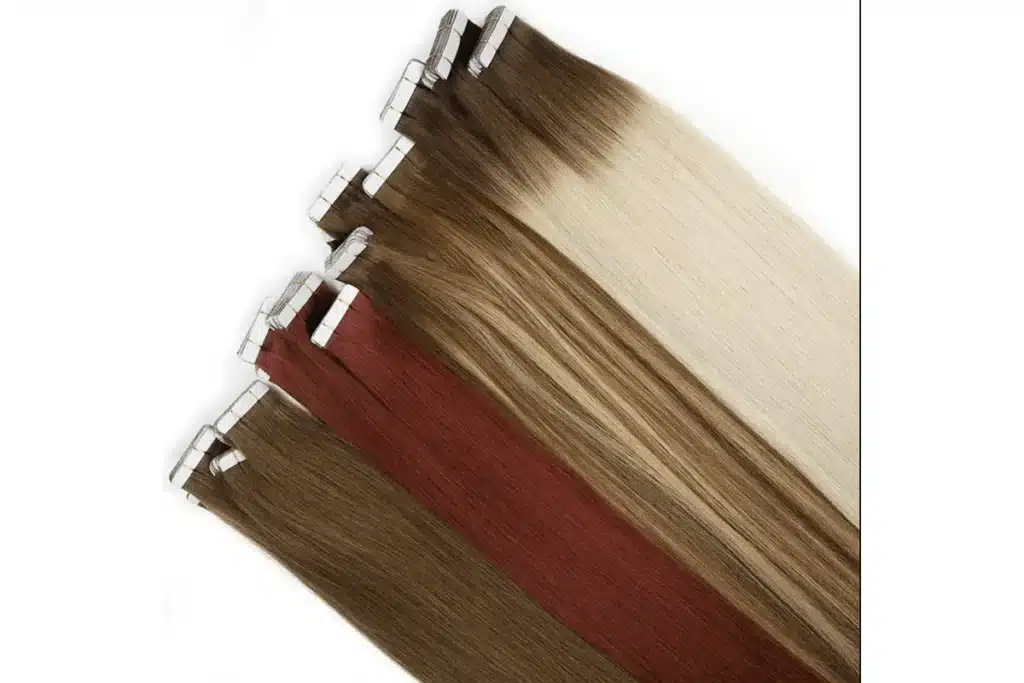
Buying clip in hair extensions online can create an expensive color problem. A shade that looks correct on a phone can look too warm, too dark, or too flat beside the client’s natural hair.
The most reliable way to match clip in hair extensions online is to compare the client’s mid-lengths and ends in daylight, identify the dominant tone rather than the root color, and confirm the match with a color ring or sample when the order is important. A close tonal match usually blends better than an exact name match.
For salon buyers and retailers, color matching is not only a styling detail. It affects returns, exchange requests, and whether a client feels confident wearing the set. The checks below help buyers make the decision with less guesswork.
What part of the client’s hair should buyers match?
Buyers should usually match the mid-lengths and ends, because clip in hair extensions sit through those areas rather than directly at the root.
Natural roots often look darker because of regrowth, shadow, and scalp contrast. If the buyer matches only the root, the added length can look heavy against lighter ends. For balayage, highlighted, or faded hair, the most useful question is which tone appears through most of the lower half of the hair.
Why daylight photos matter
Indoor yellow light can make ash shades look warmer. Cool phone screens can make golden shades look less warm than they are. We usually suggest that buyers take one photo in indirect daylight, with no beauty filter and no flash. A second photo against a plain light background makes the tone easier to judge.
In sample communication, we often see a client describe her hair as dark brown while the photo shows a soft medium brown with warm ends. The name is not wrong, but the photo gives the salon more useful information than the name alone.
How should buyers compare undertone online?
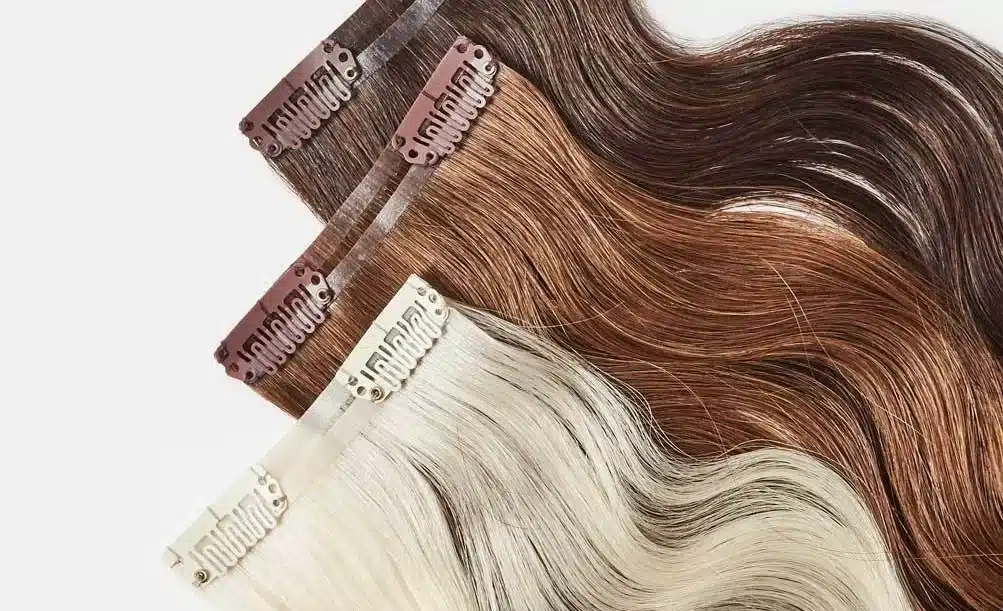
Buyers should identify whether the visible hair reads ash, neutral, golden, copper, or red before choosing a shade number.
Two extensions can both be called blonde or brown and still blend poorly when their undertones differ. Ash hair can look gray beside a golden extension. A warm brown extension can show orange against cool-toned natural hair, especially outdoors.
For a salon order, a color ring remains the safer tool. For an online retail order, use several unedited client photos and compare them to product photos taken in natural light. Product photos with strong studio contrast may make a shade appear deeper than it looks in normal wear.
When a blend shade is safer
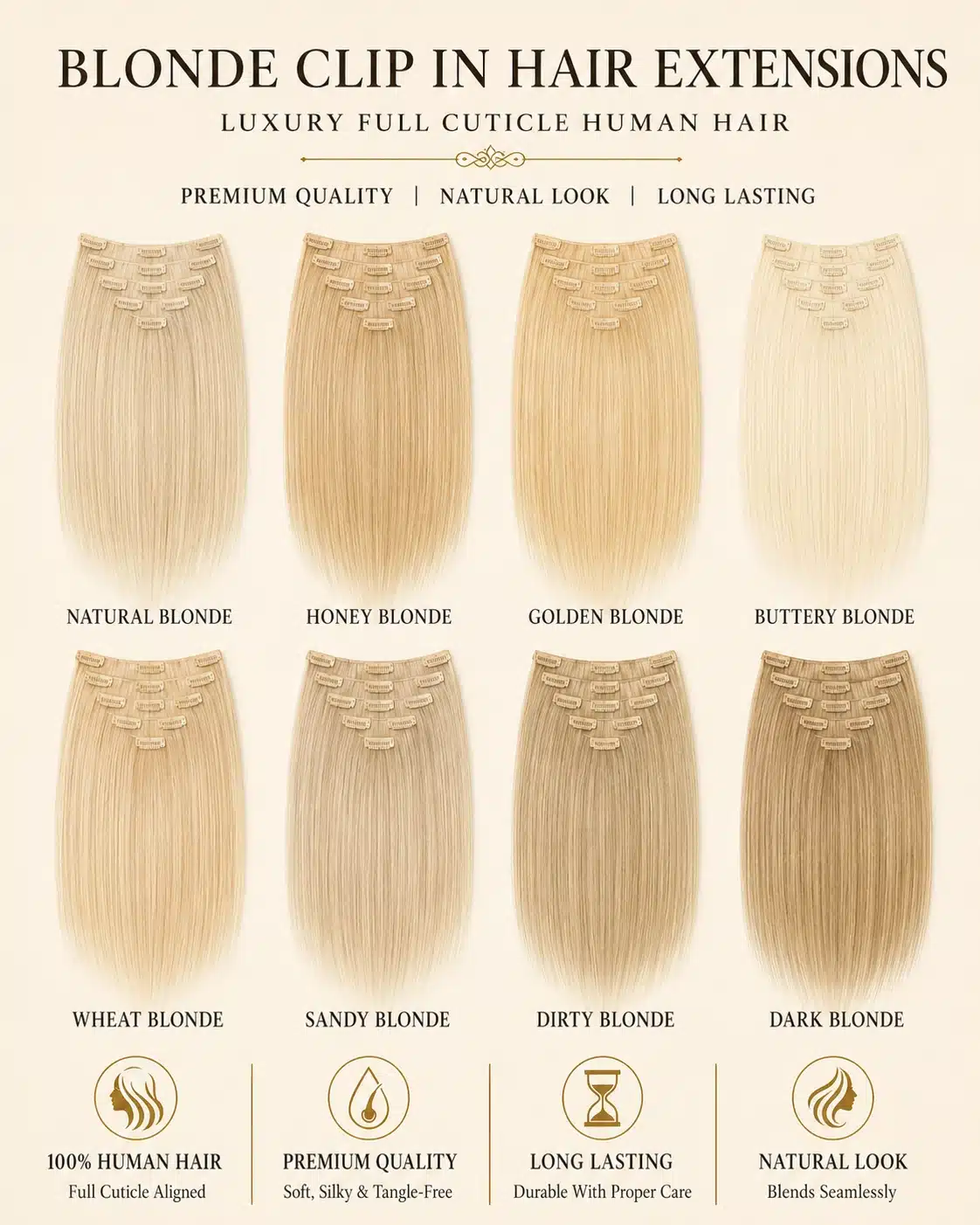
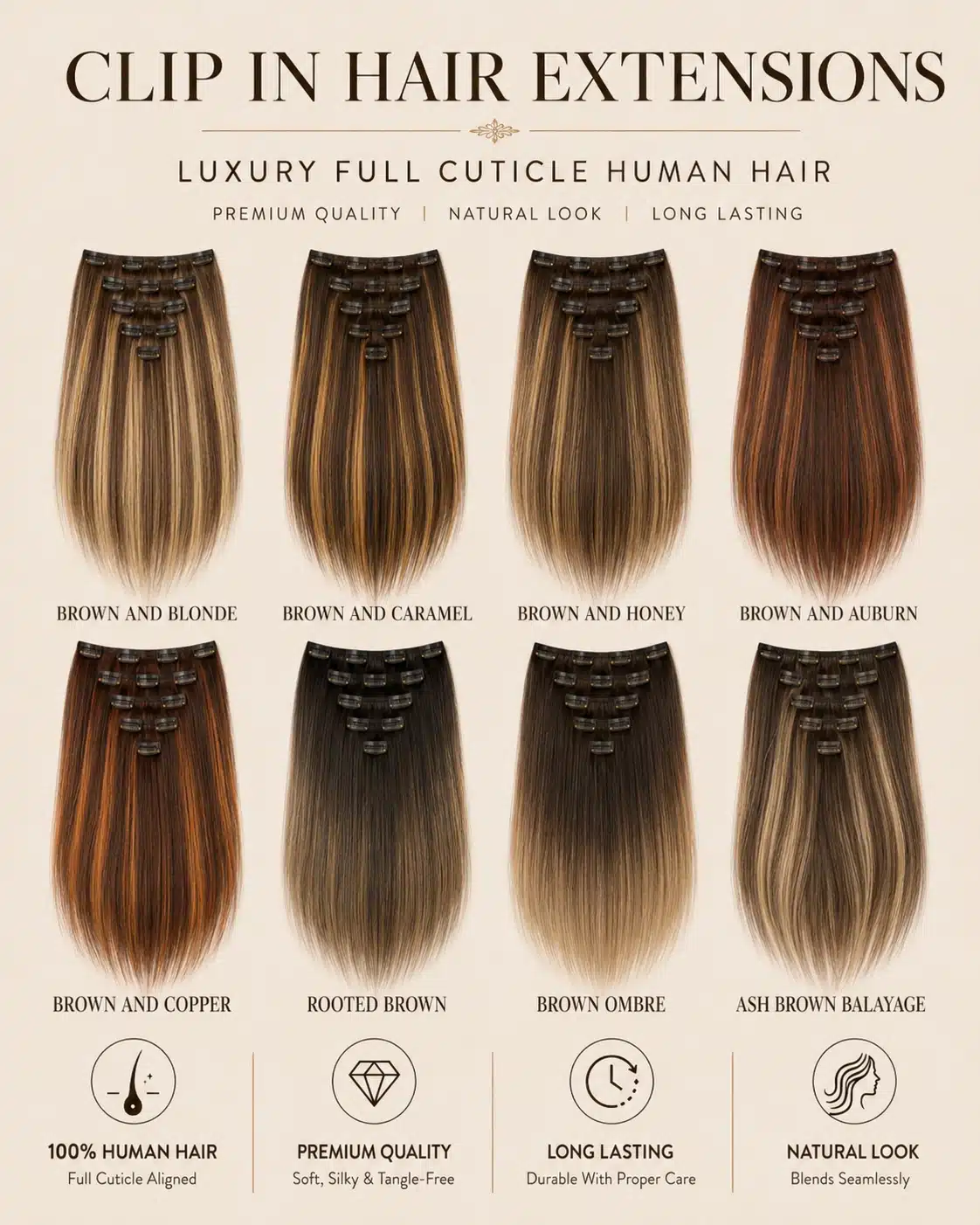
Blend shades are often useful when a client has highlights, lowlights, or a soft root shadow. They can reduce the hard line that a solid shade may create. They are not always the best solution, though. If the client has a very clean, single-process color, a blend shade may look busy. Buyers should check how the color is distributed through the wefts, not only the shade name.
Does hair length change the color decision?
Yes. Longer clip in hair extensions show more surface area, so a small tone difference can become easier to notice.
For short or medium-length hair, a slightly imperfect match can often disappear after trimming and blending. On long hair, the extension color remains visible over a larger section. This matters for salon buyers who stock 20-inch and 24-inch sets. A limited but well-planned shade range may perform better than many untested colors.
Buyers should also consider how much of the client’s own hair will cover the clips. A fine-haired client may need a closer shade match because less natural hair sits over the top weft. The clip count and weft width in a clip in hair extension set design can also change how visible the color transition becomes.
What should salons request before a larger color order?
For bulk orders, salons should confirm the color ring, root effect, highlight pattern, length, and batch standard before treating product photos as the final approval.
Color names are not enough for repeat orders. A private-label buyer should define the color code, the reference swatch, and whether a rooted or blended effect is acceptable. The same named shade can vary when the base hair, bleaching level, or toner changes.
A practical sample check
Lay the sample against a white towel and then against the client’s hair in daylight. Brush both sections together. Check the hair at the crown, through the mid-lengths, and near the ends. If the difference appears only under one light source, the shade may still be workable. If it shows in every light, the buyer should choose another tone or a blend option. This check also supports a more natural hair extension blending plan after the set is installed.
For repeat retail orders, we recommend keeping an approved sample or labeled color ring from the first successful order. It gives the buyer a physical reference if product photography or screen settings change later.
Which color matching mistakes create more returns?
The most common mistakes are matching only the root, relying on filtered photos, ignoring undertone, and ordering a single solid shade for clearly multi-tonal hair.
The risk is higher when the client has bright balayage, gray blending, faded color, or very porous ends. In those cases, a color consultation or sample order can cost less than an exchange cycle. Buyers should not promise an invisible match before the hair is checked in the same type of light where the client normally wears it.
My View
From our factory perspective, color matching should be treated as a small approval process, not a quick shade-name decision. Clip in hair extensions are removable, but that does not reduce the effect of a poor match on a retailer’s return rate or a salon’s reputation. We usually suggest that wholesale buyers build their first color range around stable core shades, then add rooted and blended colors after sample approval. This approach helps buyers avoid carrying too many similar colors that still leave gaps in real client needs. The safer choice is often to confirm one sample against several lighting conditions before a bulk order. A color ring, clear reference photos, and an agreed shade code give more control than a product image alone.
Frequently Asked Questions
Can a client match clip in extensions to highlighted hair?
Yes. A blended or highlighted extension can work well when its light and dark distribution is close to the client’s mid-lengths and ends. Buyers should confirm that the highlight pattern does not create obvious stripes after installation.
Should the extension shade be lighter or darker when the match is not exact?
That depends on the client’s hair pattern. A slightly lighter blend can work when the ends are lighter, while a darker shade may look more natural when the client has a rooted color. A sample remains the more reliable choice for a large difference.
Can salons tone clip in hair extensions after purchase?
Human hair clip ins can sometimes be toned, but the result depends on the starting shade, processing history, and product condition. Buyers should test one small section before changing an entire set.
Conclusion
Online color matching works best when buyers compare the client’s mid-lengths and ends in daylight, check undertone, and use a physical reference for important orders. For salon and wholesale buyers, the next check should be the shade standard and sample process, not only the color name on the product page.