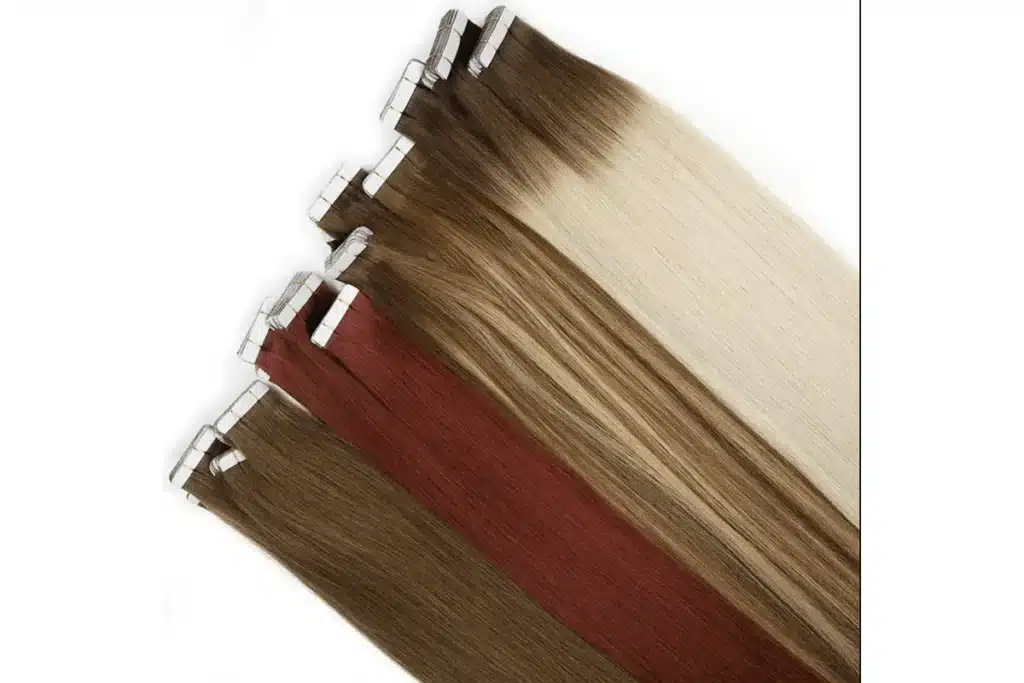
Choosing between K Tip and I Tip extensions can affect comfort, appointment time, and maintenance risk. A method that looks similar on a product list may behave very differently after a client starts wearing it.
K Tip extensions use a heat-softened keratin bond, while I Tip extensions are usually secured with a bead or ring. K Tips can suit clients who want small bonded sections, and I Tips can suit clients who prefer a cold-fusion method. The better choice depends on hair density, scalp sensitivity, stylist skill, and maintenance plan.
For salon owners, the choice should not be based only on the attachment method. Bond size, strand weight, placement, removal process, and client aftercare all affect how well either method performs.
How do K Tip and I Tip attachment methods differ?
K Tips use a keratin bond that is softened during installation, while I Tips use a small bead or ring to hold the extension strand in place.
K Tip installation gives the stylist control over the bond shape and bond placement. It can work well when the bond size is matched carefully to the client’s natural hair. I Tip installation does not use heat at the attachment point, but it needs clean sectioning and correct bead pressure. A bead that is too tight can create discomfort. A bead that is too loose can slip.
For professional buyers, this difference affects the salon’s training needs and service menu. A keratin hair extension maintenance guide will focus on bond care and removal, while I Tip maintenance also depends heavily on bead checks and move-up timing.
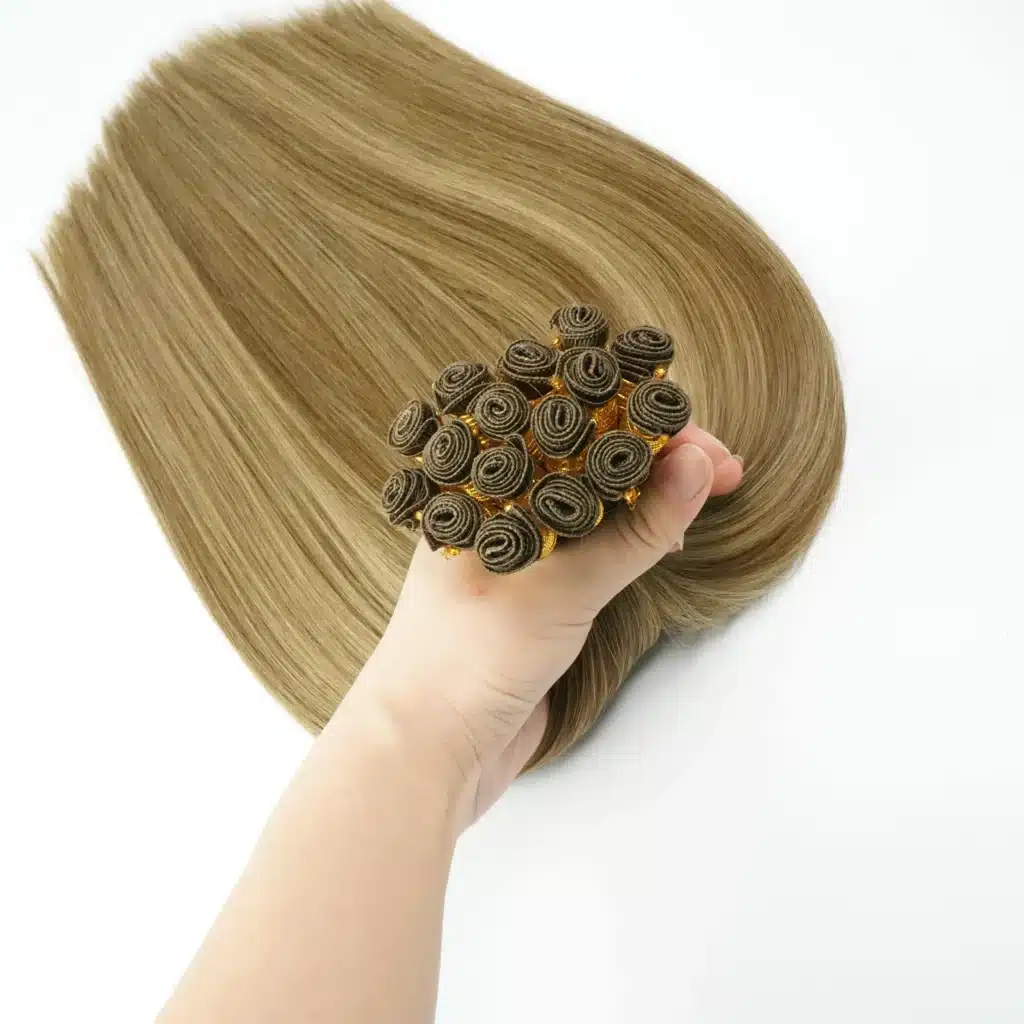
Which method can work better for fine hair?
Either method can work for fine hair when the strand weight is low, the sections are clean, and the stylist leaves enough natural hair to support the attachment.
K Tips can be useful for fine hair because a small bond can be placed with control around the head. Still, a larger bond or a heavy extension strand may concentrate too much weight on a small natural section. I Tips can also be adjusted to smaller sections, but bead visibility and pressure need close attention when the client has very fine hair.
From the production side, the most useful question is not whether K Tip or I Tip is automatically lighter. Buyers should compare grams per strand, bond or bead size, and the target client density. A soft sample hair strand does not prove that its attachment weight will fit every client.
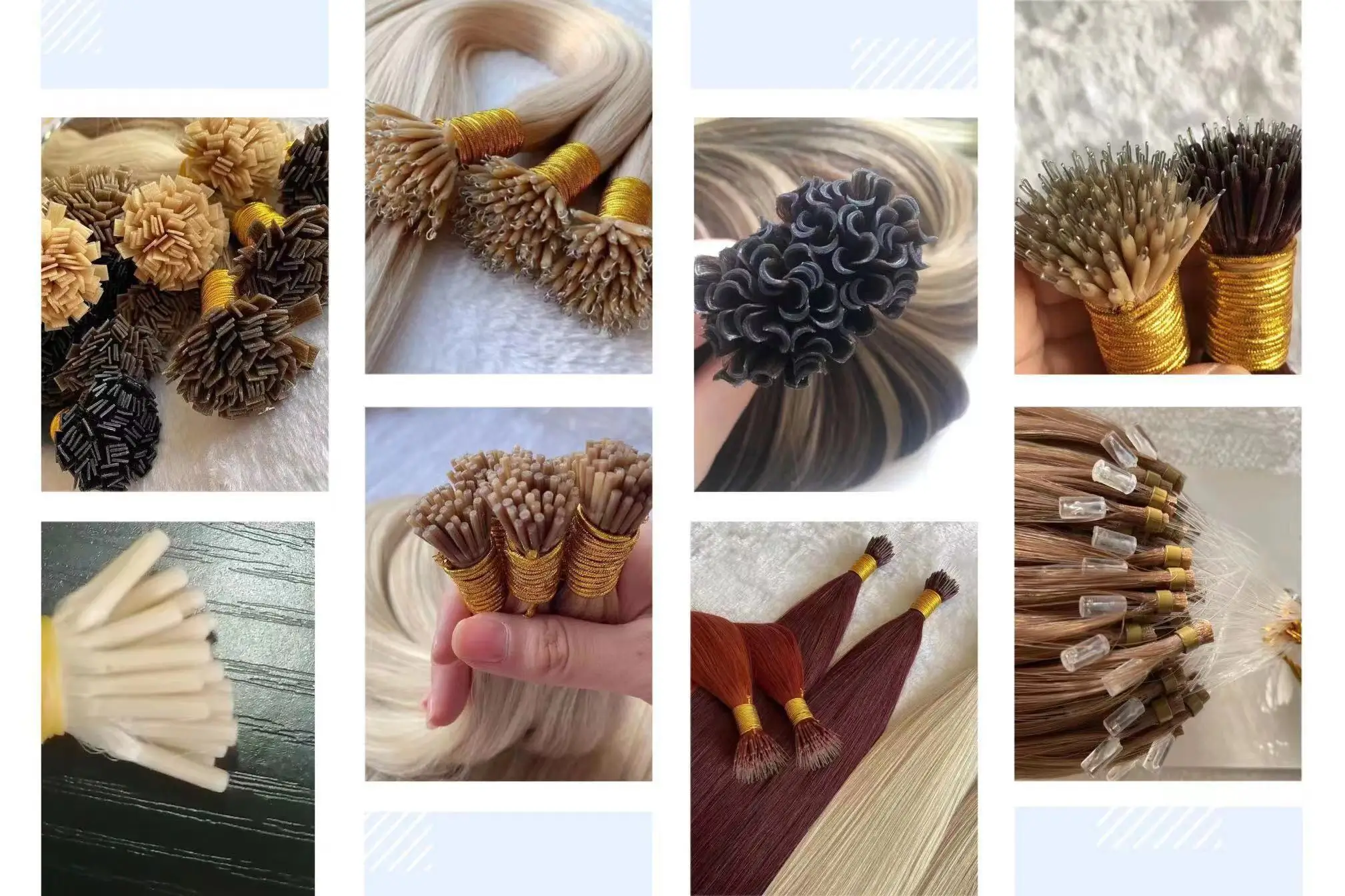
What should salon buyers check before choosing a method?
Salon buyers should check strand weight, attachment size, application time, removal supplies, training needs, and the client’s expected maintenance schedule.
K Tip services often need a clear removal process because the bond must be broken down carefully. I Tip services need reliable bead tools and a move-up plan. Neither method is a low-skill shortcut. The risk of client discomfort or breakage rises when the attachment is installed without a density and tension assessment.
Buyer checklist for a sample order
- Check the extension strand weight and the number of strands per pack.
- Confirm the keratin bond shape or bead compatibility.
- Test the hair after washing and brushing, not only at first touch.
- Ask how the color processing may affect dryness and tangling risk.
- Confirm removal and reinstallation instructions before placing a larger order.
For repeat orders, salons should keep the approved strand specification. This helps prevent a small change in bond size or hair weight from becoming an after-sales issue later.
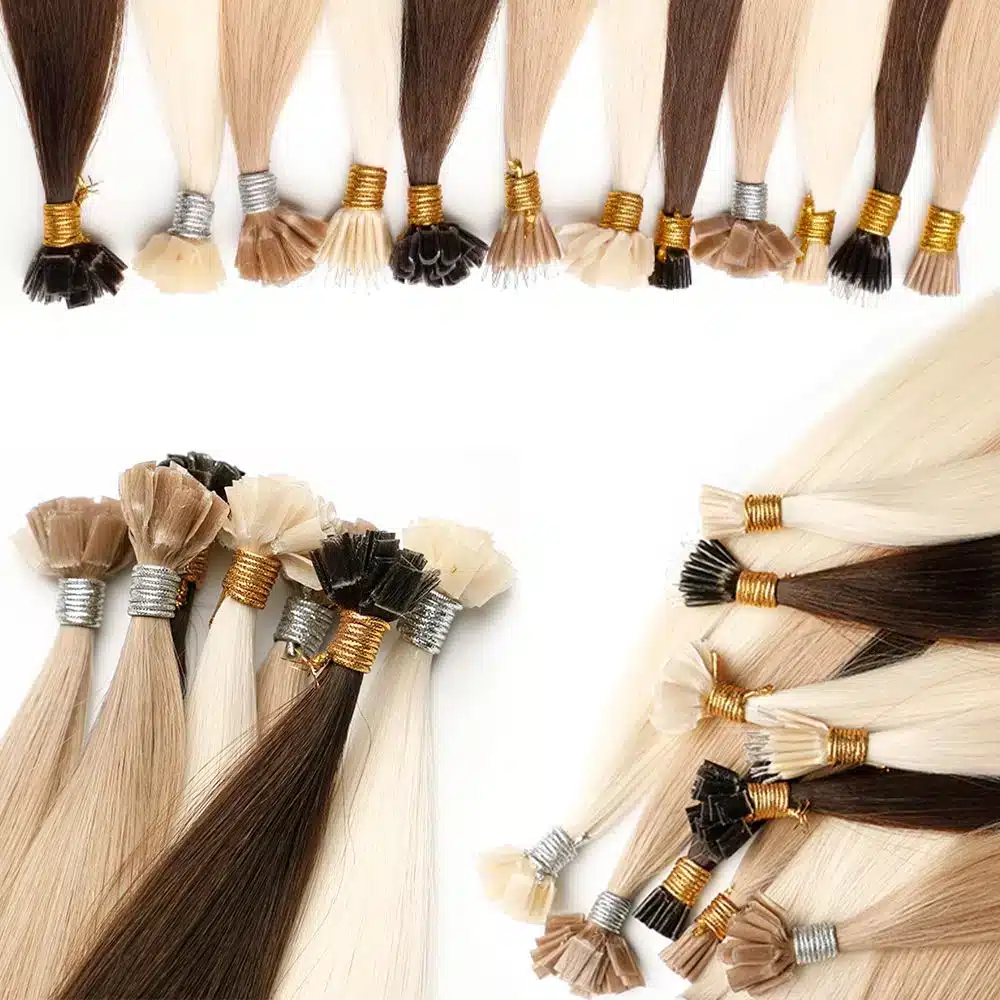
Which method changes the client’s maintenance routine?
K Tip clients usually need to protect the keratin bonds from unnecessary product buildup, while I Tip clients need regular checks for bead movement and tension.
Both methods need gentle brushing and realistic heat use. The exact result depends on the client’s hair, styling habits, and how consistently the stylist follows the maintenance plan. For I Tips, buyers can use this I Tip extension lifespan guide when preparing client education materials.
In after-sales communication, we usually ask when discomfort began, whether any attachment slipped, and whether the client changed shampoo, heat tools, or styling routine. Those details can help separate an installation issue from a material or aftercare issue.
When may neither method be the first choice?
Neither method may be the first choice when the client has severe fragility, active scalp concerns, or cannot maintain regular professional appointments.
Salon buyers should avoid treating every client as a fit for permanent extensions. A lower-commitment method may be more appropriate when the client cannot follow the required care routine. The stylist should also assess scalp comfort and natural hair condition before any installation decision.
My View
From our factory perspective, K Tip and I Tip extensions should be purchased as a service system rather than only as a hair product. K Tips can give a refined bond-based result when strand weight and placement are controlled. I Tips can fit salons that want a cold-fusion option and have the tools to manage bead application and maintenance. For wholesale buyers, the safer decision is often to sample both methods with the stylists who will actually install them. Compare the strand weight, attachment consistency, color result, and removal experience. This does not mean one method is always better. It means the salon should select the method that matches its training, client profile, and follow-up capacity.
Frequently Asked Questions
Are I Tip extensions reusable?
I Tip hair can often be reused when the extension hair remains in good condition and the stylist replaces the beads correctly. Reuse still depends on aftercare, removal, and how much tangling or product buildup has occurred.
Do K Tip extensions use glue?
K Tips use a keratin-based bond that is softened during installation. The bond should be applied and removed by a trained professional to reduce unnecessary stress on natural hair.
Which method takes longer to install?
Timing depends on the number of strands, client density, and stylist workflow. Buyers should ask their stylist team to test a sample service before setting a standard appointment time.
Conclusion
K Tip and I Tip extensions can both fit professional salon services, but they solve the attachment question in different ways. Before ordering, buyers should compare strand weight, bond or bead size, removal process, and the maintenance system their clients can realistically follow.