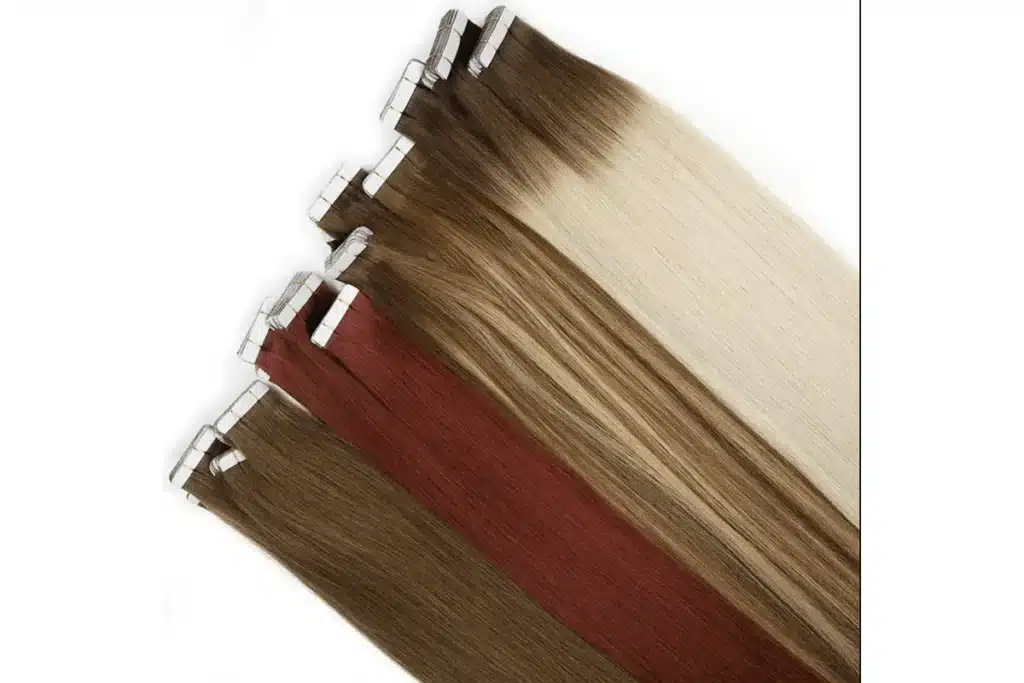
Many buyers ask this question in a very broad way. They say they want “good human hair,” “Remy hair,” or “virgin hair.” But in most cases, they are actually asking about raw material quality without realizing it.
The main types of hair used for extensions are usually discussed from the raw material angle: Remy hair, non-Remy hair, and virgin hair. Remy describes cuticle direction. Non-Remy means the cuticles are mixed. Virgin describes hair that has not been dyed or permed on the donor’s head.

From my point of view, the market still explains these words very poorly. Many buyers use the terms casually. Many suppliers also explain them in a vague way. But once I separate the terms by definition, the logic becomes much easier.
Why Do Buyers Get Confused About Hair Types for Extensions?
Most confusion starts because the market uses quality words like sales words. That makes the topic sound simple, but it is not.
Buyers get confused because the industry often mixes raw material terms, processing terms, and marketing terms together. But these hair types are actually defined from different raw material conditions.
One Word Does Not Explain Full Quality
This is the first thing I always explain. One term usually answers one question, not every question. “Virgin” is not the same as “Remy.” “Remy” is not the same as “premium.” “Human hair” is not the same as “high-end hair.”
Suppliers Often Use Terms Too Loosely
Some suppliers use these words because they sound strong in marketing. But when I ask them what the term really means, many cannot explain it clearly from the raw material angle.
I Prefer to Separate the Definitions Clearly
The simplest way is to ask three different questions:
| Question | Hair Term | Meaning |
|---|---|---|
| Has the donor hair been dyed or permed? | Virgin hair | No chemical processing on donor’s head |
| Do the cuticles face the same direction? | Remy hair | Yes, cuticles are aligned |
| Are the cuticles mixed in direction? | Non-Remy hair | Yes, cuticles are mixed |
That separation matters because buyers often compare these words as if they are one ranking ladder. I do not see them that way. I see them as raw material definitions that describe different things.
Virgin describes the donor hair’s chemical history. Remy describes cuticle direction. Non-Remy describes mixed cuticle direction. Once I keep those definitions separate, I can judge the material much more honestly.
For a premium extension product, that honesty matters. A salon owner, brand founder, or distributor cannot build a reliable extension line if the raw material terms are already misunderstood at the start. That is why I believe the first step is always definition clarity.
What Is Remy Hair?
Remy is one of the most commonly used words in the extension market. It is also one of the most misunderstood.
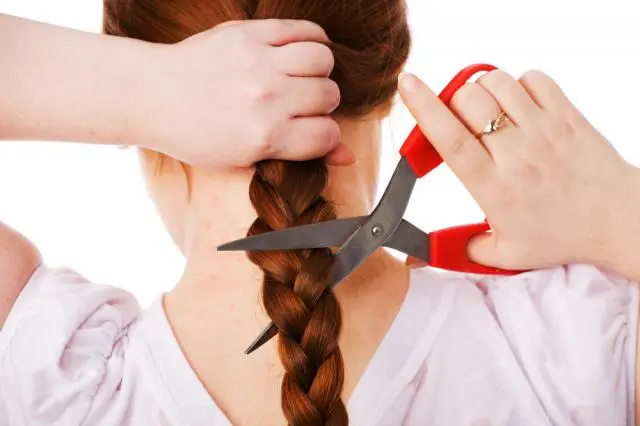
Remy hair means the hair cuticles face the same direction from root to tip. This usually comes from more controlled collection, such as ponytail-cut donor hair, where the direction stays consistent and does not get mixed.
Remy Is About Cuticle Direction
The key point is direction. Remy does not primarily describe whether the hair was dyed before collection. It describes whether the cuticles remain aligned.
Controlled Collection Helps Preserve Remy Structure
When the hair is collected in a more organized way, the direction is easier to keep from root to tip.
Remy Hair Usually Performs Better Than Mixed Hair
When the cuticles stay aligned, friction between strands is usually lower. That helps reduce tangling and supports smoother behavior in salon use. the hair cuticle as the outer protective layer of the strand[^1]
| Remy Hair Point | Meaning |
|---|---|
| Main definition | Cuticles face the same direction |
| Main advantage | Lower friction and less tangling |
| Common source pattern | More controlled donor collection |
| Same as virgin? | No |
| Suitable for premium extensions? | Usually yes |
In my experience, Remy is a very important term, but it is still only one part of the full quality picture. If the cuticles face the same direction, the hair usually performs better in washing, brushing, and daily wear. That matters a lot for extensions.
But I never treat Remy as a complete answer by itself. Remy does not automatically tell me whether the donor hair was chemically altered before collection. It does not automatically tell me how gently the hair was processed later. It only tells me one very important truth: the direction is aligned.
That is why I always say Remy is necessary for better extension performance, but it is not the whole story.
What Is Non-Remy Hair?
Non-Remy is usually the cheapest raw material category. It is also the one many suppliers avoid explaining directly.
Non-Remy hair means the cuticles are mixed in different directions. It often comes from uncontrolled mixed collection sources, such as very cheap salon floor hair, where the strands come from different donors and get mixed together.

Non-Remy Means Mixed Direction
The main problem is not just that the hair comes from multiple donors. The deeper problem is that the strands are mixed without preserving one root-to-tip direction.
Mixed Cuticles Create More Friction
When the cuticles face different directions, the strands rub against each other more aggressively.
Non-Remy Hair Usually Starts Cheap but Costs More Later
It may reduce the raw material cost at the beginning, but in real use it often creates more tangling, more processing need, and weaker long-term performance.
| Non-Remy Hair Point | Meaning |
|---|---|
| Main definition | Cuticles are mixed in different directions |
| Common source pattern | Mixed low-cost collection |
| Main risk | Tangling and matting |
| Processing need | Usually heavier |
| Premium salon use | Usually a weak fit |
This is why I do not recommend buyers look only at the starting price. Non-Remy hair often looks acceptable at the beginning after processing. But once the coating fades and the hair goes through real salon use, the weakness becomes easier to see.
That weakness usually appears as rougher feel, faster matting, less stable performance, and lower reinstallation value. For premium salons and serious brands, that creates complaint risk.
So when I explain non-Remy hair, I explain it as a raw material condition, not just a lower rank. The cuticles are mixed. That is the core fact. Once I understand that, the performance risk makes sense.
What Is Virgin Hair?
Virgin hair is another term many buyers use very casually. But the real meaning is very specific.
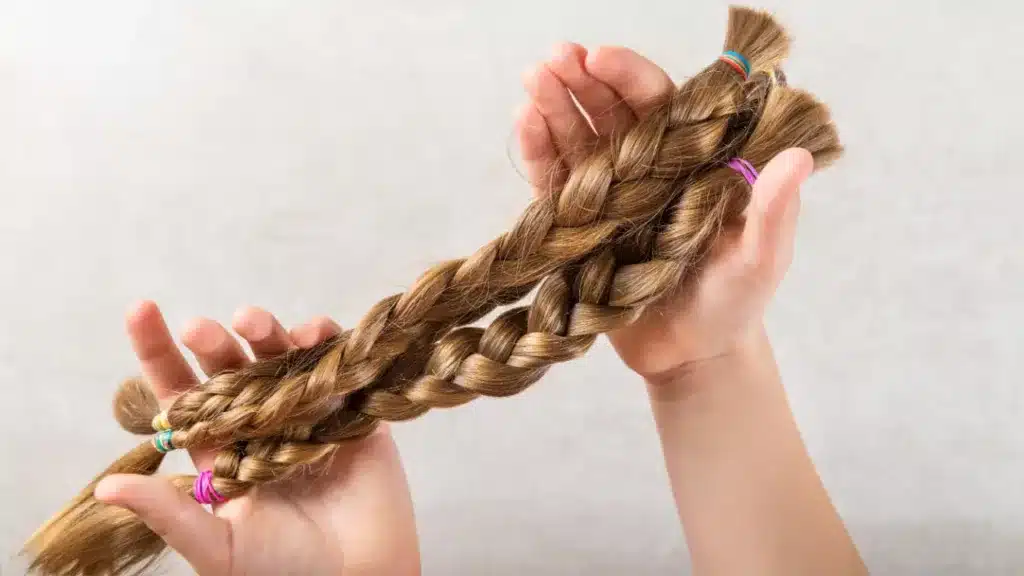
Virgin hair means the donor hair has never been dyed or permed on the donor’s head. It describes the chemical history of the raw hair before collection, not simply whether the hair is expensive or premium.
Virgin Hair Is About Previous Chemical History
If the donor hair was never dyed, permed, or chemically altered, it can be called virgin from the raw material point of view.
Virgin Hair Usually Starts in a More Natural State
Because it has not gone through chemical alteration on the donor’s head, it often begins in a healthier and more natural condition.
Virgin Does Not Automatically Mean Remy
This is a very important point. Virgin tells me the chemical history. It does not automatically tell me the cuticle direction.
| Virgin Hair Point | Meaning |
|---|---|
| Main definition | No dye or perm on donor’s head |
| Main focus | Chemical history |
| Typical benefit | More natural starting condition |
| Same as Remy? | No |
| Same as premium? | Not always |
This is where many buyers get misled. They hear “virgin hair” and assume the whole quality question is solved. But virgin is only one part of the raw material story.
It tells me the hair was not dyed or permed before collection. That is valuable. It often means the raw material starts in a healthier state. But it still does not fully answer whether the hair is Remy, whether the cuticle direction is aligned, or whether the production process later is gentle enough to preserve that value.
That is why I never use virgin as a complete quality answer. I use it as one important condition.
What Raw Material Makes the Best Hair Extensions?
This is the real buying question. Buyers do not just want definitions. They want to know which raw material combination creates the best result.
The best hair extensions usually start with raw material that is both virgin and Remy. When that stronger raw material is combined with advanced and gentle manufacturing, it can produce the best full cuticle grade hair extensions.
Best Raw Material Usually Needs Both Conditions
If the hair is virgin, I know the donor hair was not chemically treated before collection. If the hair is Remy, I know the cuticles stay aligned. When both conditions are present, the starting raw material is much stronger.
Gentle Manufacturing Still Matters
Even very good raw material can lose value if the processing is harsh. That is why I also care deeply about how the factory handles sorting, cleaning, coloring, and finishing.
Full Cuticle Grade Extensions Depend on More Than One Factor
The best result usually comes from this combination:
- virgin starting condition
- Remy cuticle direction
- gentle advanced production
- strong quality control
| Best-Quality Condition | Why It Matters |
|---|---|
| Virgin raw hair | Stronger natural starting state |
| Remy direction | Better alignment and smoother behavior |
| Gentle manufacturing | Helps preserve the cuticle condition |
| Quality control | Supports stable final product |
This is the most important point in the whole article. The best hair extensions do not come from one magic word. They come from the right raw material combination plus the right production standard.
From my perspective, the strongest raw material usually needs to satisfy both virgin and Remy conditions. Then, if that material is processed through advanced and gentle manufacturing instead of harsh treatment, I can produce the best full cuticle grade hair extensions.
That is why I do not reduce quality to a label. I look at the whole chain:
- what was the donor hair like before collection?
- was the cuticle direction preserved?
- was the later manufacturing gentle enough to protect that advantage?
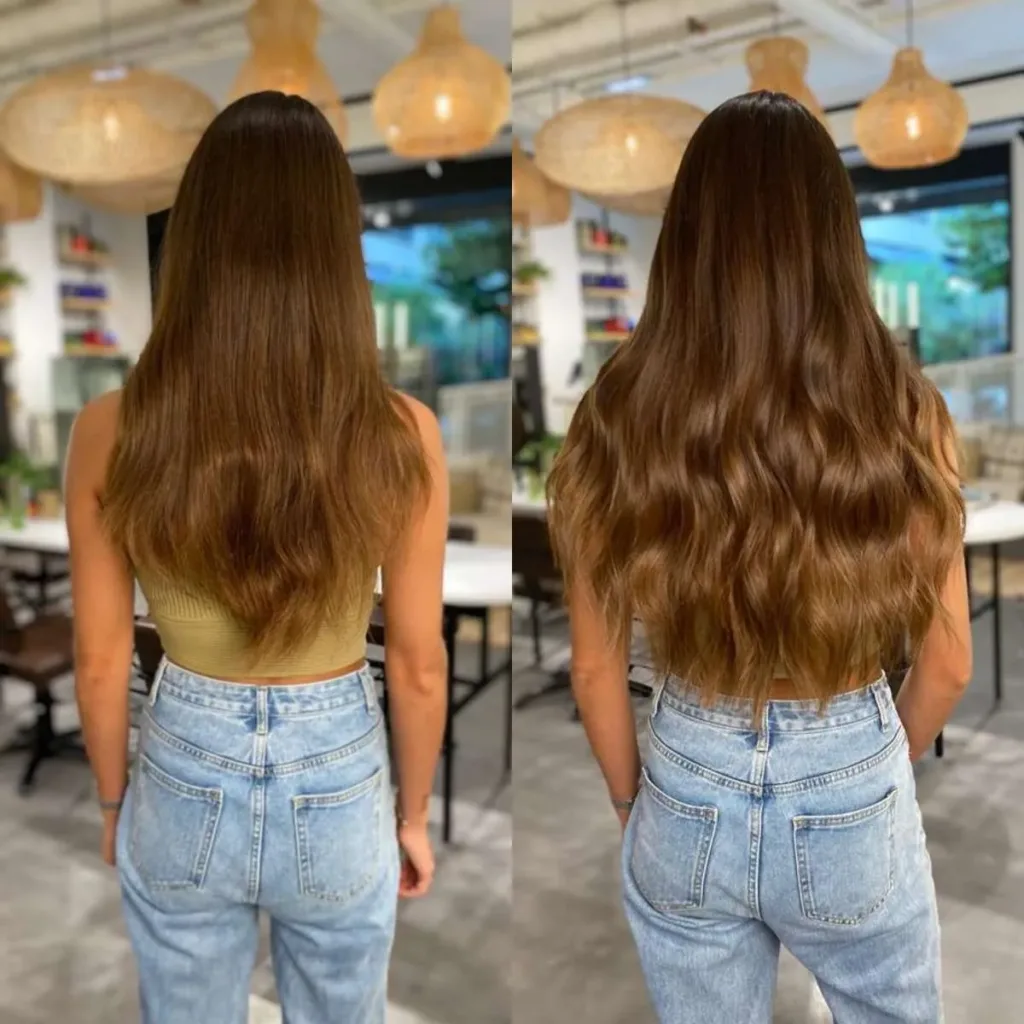
When those conditions come together, the result is not just “good hair.” It is premium extension-grade raw material with real long-term value.
My View
In my view, the market’s biggest problem is not only poor quality. The bigger problem is poor definition.
Too many buyers say “virgin” when they mean “premium.” Too many suppliers say “Remy” without explaining cuticle direction. Too many people treat these words like marketing labels instead of raw material conditions.
I prefer to explain them in a very simple way:
- virgin = chemical history
- Remy = cuticle direction
- non-Remy = mixed cuticle direction
And if I want the best hair extensions, I usually want raw material that is both virgin and Remy, then protected by advanced and gentle manufacturing so it can become true full cuticle grade extension hair.
Conclusion
The different types of hair used for extensions are best understood from the raw material angle: virgin, Remy, and non-Remy. The best extension quality usually starts with both virgin and Remy raw hair.
Hibiscus Hair Manufacturer has been dedicated to producing high-quality hair extensions for 25 years and is a recognized leader in the industry. If you are interested in finding a reliable hair extensions supplier and wholesale for your brand, please visit our website for more information: