A popular extension method can still be the wrong choice. If the hair quality is weak or the method does not fit the client, the result will never feel truly premium.
The best type of hair extensions to get depends on the client’s hair density, scalp condition, daily routine, and target result. Still, the best starting point is always high-quality full cuticle hair, because the method can change, but poor hair quality will limit every method.
When I answer this question, I do not try to force one method into every situation. I look at two things first. The first is the quality of the hair itself. The second is the real use case. A method that works well for a thin-haired client may not be right for a thick-haired client. A method that looks natural on day one may not be the easiest one to maintain. That is why this article separates quality, method, client fit, and business value.
What are the best quality of hair extensions to get?
A lot of extensions look soft when they are new. That does not mean they are truly high quality. Real quality shows up after washing, styling, brushing, and repeat wear.
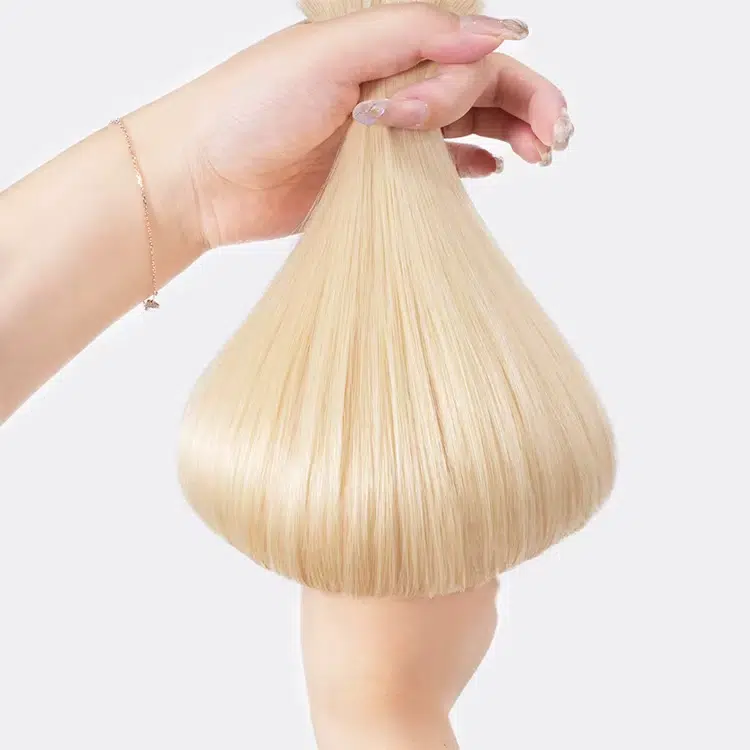
The best quality of hair extensions to get is full cuticle hair. I rank full cuticle hair first because it gives the strongest balance of softness, durability, natural shine, low tangling, and long-term salon performance.
When I judge hair quality, I do not begin with packaging language. I begin with the fiber itself. Full cuticle hair keeps the outer layer of the hair in much better condition. That matters because the cuticle helps protect the strand. If the cuticles stay aligned and remain more complete, the hair usually feels smoother and behaves better over time.
I also pay close attention to the raw material behind the product. Stronger hair quality usually begins with better source hair. One donor hair material is valuable here because it often gives more even texture, better consistency, and a more natural final result. This is especially important for salons and wholesale buyers who need repeat quality, not just one attractive sample.
Processing is another key point. Lower-grade hair often depends on heavy correction, coating, or strong chemical treatment to create a nice first impression. That surface-level beauty often fades quickly. Better hair does not need that kind of rescue. Full cuticle hair performs better because more of the quality is real and built into the hair itself.
This is why I think quality should be judged by performance, not by buzzwords. If the hair stays soft, brushes well, tangles less, and supports move-ups or reinstallation, that is real quality.
What makes extension hair truly premium
- intact cuticles
- aligned cuticle direction
- one donor consistency
- careful processing
- stable quality from order to order
Why quality matters more than method
A premium method made with poor hair still becomes a poor product. Good construction helps, but the hair fiber decides the ceiling.
| Quality point | Why it matters | Premium sign |
|---|---|---|
| Cuticle condition | Supports smoothness and low tangling | Full cuticle hair |
| Hair source | Improves texture consistency | One donor material |
| Processing | Protects long-term feel | Gentle processing |
| Lifespan | Supports better value | 1–2 years with care |
| Repeat consistency | Helps salons and brands reorder safely | Stable factory quality |
What are the best type of hair extensions to get?
There is no single best type for everyone. The right method depends on what the client wants, what the natural hair can support, and how much maintenance the client can handle.
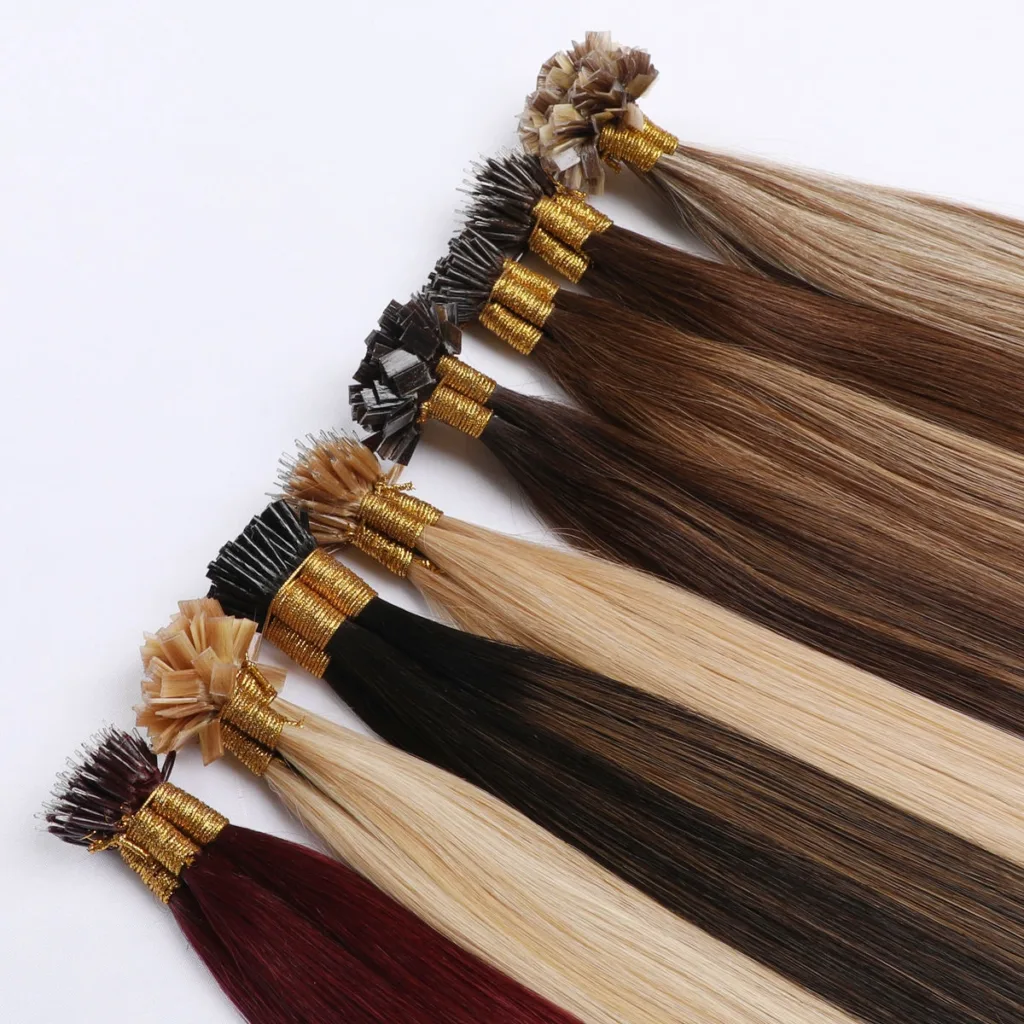
The best type of hair extensions to get should be chosen by fit, not by trend. Tape-ins, wefts, keratin tips, I tip hair, clip-ins, and halo hair can all be strong options when they match the client’s hair and lifestyle.
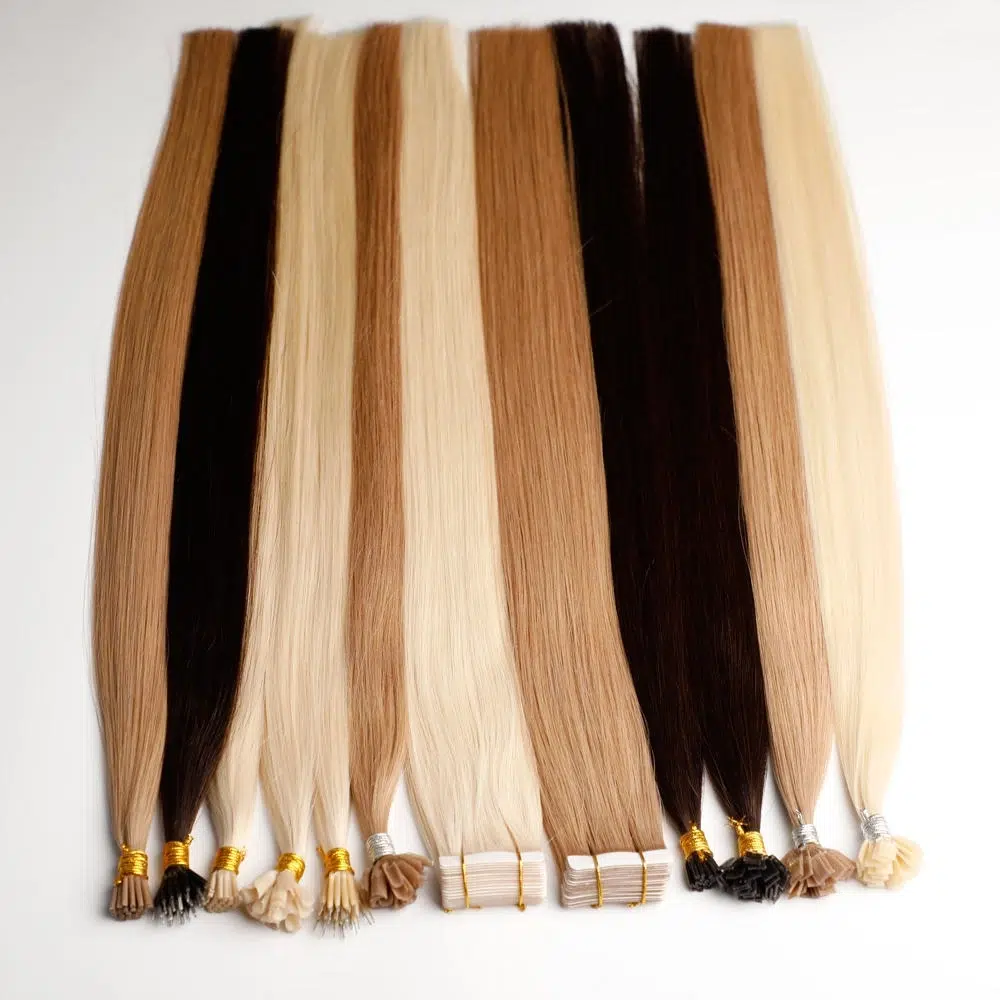
I think buyers get into trouble when they try to find one universal winner. Hair extensions are not like that. Each type solves a different problem. Some are better for speed. Some are better for invisibility. Some are better for density. Some are better for clients who do not want a long-term commitment.
Best for fine or thin hair
Fine hair needs light tension, flat attachment points, and discreet blending. That is why invisible tape-ins, slim tape-ins, nano ring hair, and lightweight hand tied wefts often make sense. The goal is to avoid obvious bulk while still adding enough support.
Best for thick hair
Thick hair needs enough extension density to match the client’s own fullness. This is why genius wefts, hand tied wefts, volume wefts, tape-ins in larger quantities, and some strand-by-strand methods can work well. Thick hair is not hard because it is “too much.” It is hard because it needs enough hair to blend properly.
What is the least damaging type of hair extension?
The least damaging type is usually the one chosen and installed correctly. Temporary options like halo hair and clip-ins are often low-risk because they are removed after wear. Still, attached methods can also be gentle if the technician uses correct sectioning, balanced placement, and proper removal.
What is the longest lasting hair extension method?
The method affects maintenance timing, but the actual hair grade affects long-term usability more. Full cuticle tape-ins, wefts, I tip hair, nano ring hair, and keratin tips can all perform well for a long time if the hair quality is high. The install cycle changes. The hair lifespan can still be similar.
What is the most natural looking extension?
A natural look comes from three things: better hair quality, better color match, and better top construction. Invisible tape-ins, hand tied wefts, genius wefts, nano ring hair, and seamless clip-ins usually perform strongly here.
What are the best extensions to avoid hair loss?
If a client is already dealing with hair loss or scalp weakness, the extension choice should be conservative. Lighter tension, correct spacing, temporary wear, and expert evaluation matter more than any marketing promise. Halo hair, carefully chosen clip-ins, and light well-spaced options may fit better than dense heavy installs.
| Client goal | Best-suited methods | Main reason |
|---|---|---|
| Fine hair blend | Invisible tape-ins, nano ring hair, slim tapes | Flat and discreet |
| Thick hair support | Genius wefts, hand tied wefts, volume wefts | Better density match |
| Lower commitment | Clip-ins, halo hair | Easy removal |
| Natural finish | Invisible tape-ins, genius wefts, nano sections | Less visible top |
| Long wear | U tip hair, I tip hair, wefts | Strong maintenance cycle |
How should the right hair extensions be matched to the client’s real goal?
The best recommendation does not begin with the method name. It begins with the client’s real problem. That is the part many buyers skip.
The right extension method should be matched by asking what the client wants to fix or create. Is the goal more fullness, more length, a hidden crown area, a luxury row install, or a temporary glam look? The right method becomes much clearer once the goal is honest and specific.
In my view, the most common mistake is choosing based on popularity alone. A trending method may sell well online, but that does not mean it fits the client in front of the chair. The better way is to look at the gap between the natural hair and the target result. That gap shows how much support the method needs to provide.
If the client only needs fullness, there may be no reason to choose a very heavy method. If the client wants dramatic length, the decision becomes more serious because end density matters much more. If the client wants the most invisible finish possible, then flatter and lighter top structures deserve more attention.
Daily routine matters too. A client who wants easy at-home use may be better matched with clip-ins or halo hair. A client who accepts regular salon maintenance can choose from more long-wear methods. This is why the consultation is not a small step. It is the step that protects the result and helps reduce disappointment later.
This also matters for B2B buyers. A salon, training academy, or hair brand should not build a product line only around trend. It should build around real customer categories. That usually creates a stronger and more useful extension range.
Key questions before choosing a method
- Is the goal volume, length, or both?
- Is the natural hair fine, medium, or thick?
- Does the client want daily removal or long-term wear?
- How often can the client return for maintenance?
- Is the scalp strong and healthy?
- Does the client want the flattest possible finish?
Why this matters in business
A good product range solves more real client needs. That is better for consultation quality, conversion, and repeat orders.
| Decision factor | Why it matters | What it changes |
|---|---|---|
| Hair density | Affects blend strength | Method and quantity |
| Target result | Affects product structure | Volume or length choice |
| Lifestyle | Affects wear style | Temporary or attached |
| Maintenance level | Affects service success | Move-up schedule |
| Scalp condition | Affects comfort and safety | Tension and placement |
Which extension types make the most sense for salon business?
The best-selling method is not always the best business method. A salon needs extensions that create good results, repeat visits, and low complaint risk.
For salon business, the strongest extension types are usually premium wefts, tape-ins, and selected strand-by-strand methods. These categories cover the widest range of client needs and allow salons to build different service levels around them.
When I look at this from a supplier’s angle, I think about more than just beauty. I think about service structure. A salon needs methods that are trainable, profitable, easy to explain to clients, and strong enough to support repeat appointments.
Wefts are excellent because they fit premium salon installs well. They are especially good for clients who want density and length together. Hand tied wefts and genius wefts can support luxury service menus and higher-value appointments.
Tape-ins are strong because they are fast, familiar, and flexible. Many salons like them because they fit a wide client range. They can also be easier to explain during consultation, especially for clients new to extensions.
Strand methods like U tip hair, I tip hair, and nano ring hair are useful because they offer more placement control. They work well when the client needs detail work or does not want row-based installs. These methods can also create premium service categories when the salon has the right skill set.
I also think temporary products matter for business. Clip-ins and halo hair can support retail sales even when they are not the salon’s main install service. They add another revenue line and give clients a lower-commitment entry point.
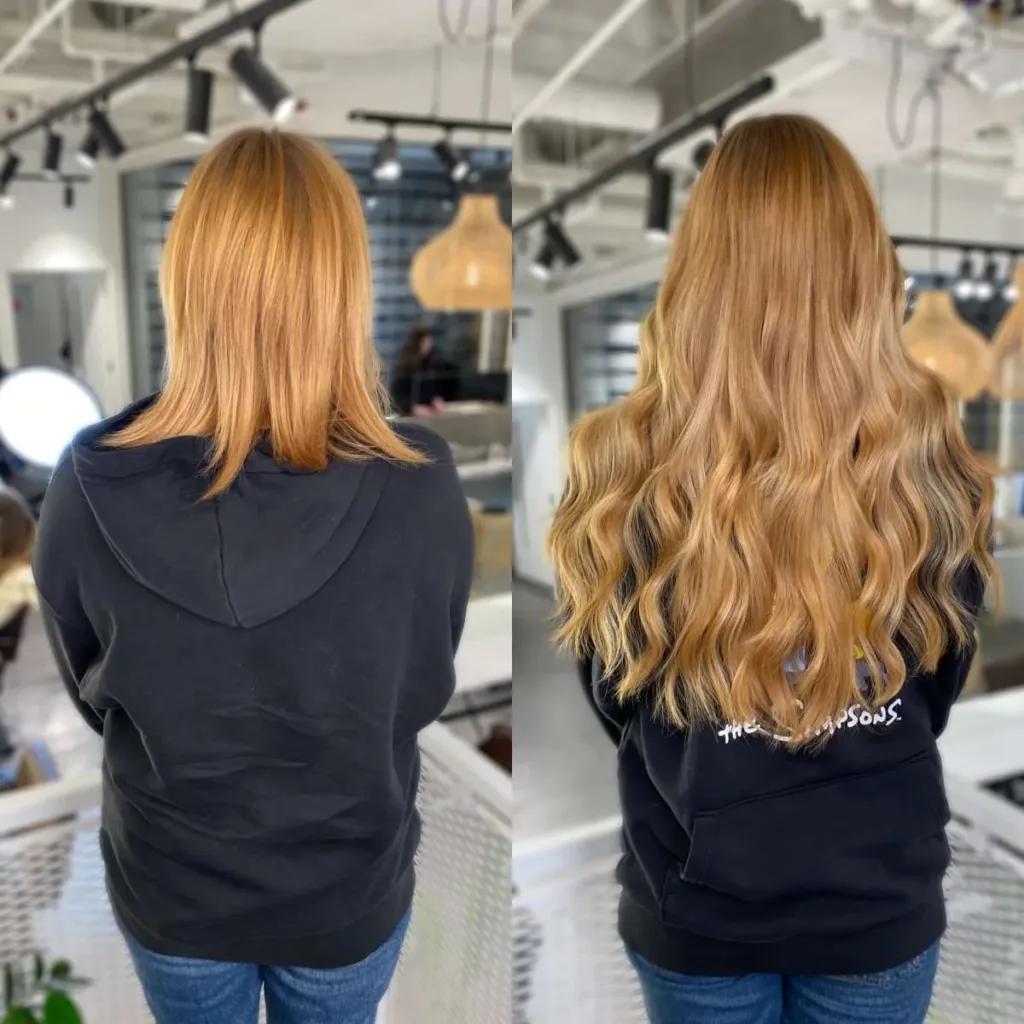
Strong salon categories to stock
Why a balanced product line works better
Different clients ask for different results. The salon that can answer more needs with better-quality hair usually builds stronger trust.
| Business goal | Strong extension category | Reason |
|---|---|---|
| Luxury service menu | Hand tied wefts, genius wefts | Premium positioning |
| Fast service option | Tape-ins | Salon efficiency |
| Detail placement | I tip, nano ring, U tip | Flexibility |
| Retail add-on sales | Clip-ins, halo hair | Wider customer range |
| Repeat bookings | Attached methods | Maintenance cycle support |
What should buyers avoid when choosing hair extension types?
Sometimes the wrong choice is easier to spot than the right one. Bad buying decisions often follow the same pattern.
Buyers should avoid choosing extension types only by trend, only by low price, or only by what looks good in a sample. Method fit, hair quality, consistency, and realistic maintenance planning all matter more than hype.
I see a few mistakes repeat again and again. The first is buying by method name alone. A buyer hears that genius wefts are popular or tape-ins are easy, then assumes that is enough. It is not enough. Without the right hair quality and the right client match, the method cannot save the result.
The second mistake is chasing low price too hard. Cheap hair can make any extension type look weak. The buyer may think the method failed, but often the real problem is the grade of the hair itself.
The third mistake is underestimating quantity. Some methods need more total hair to look right. Thick-hair clients especially expose this problem. If the method is chosen correctly but not enough product is used, the final result still looks unbalanced.
The fourth mistake is ignoring maintenance reality. Some clients simply will not follow a high-maintenance routine. In that case, the smartest method may be a simpler one, not the most advanced one.
What to avoid in extension buying
- low-grade hair dressed up with trendy names
- methods that do not fit the client’s hair density
- under-ordering for thick-hair or long-length clients
- over-promising low-maintenance results
- assuming one method fits every market
Better buying logic
Start with high-grade hair. Then match the method to the real use case. Then build quantity and care advice around that choice.
| Common mistake | Why it hurts results | Better approach |
|---|---|---|
| Choosing by trend only | Ignores client fit | Choose by consultation |
| Choosing by low price only | Quality problems show later | Start with full cuticle hair |
| Using too little hair | Blend looks weak | Plan packs and grams carefully |
| Ignoring maintenance | Client struggles later | Match method to routine |
| Copying one method for all | Limits service quality | Build a balanced range |
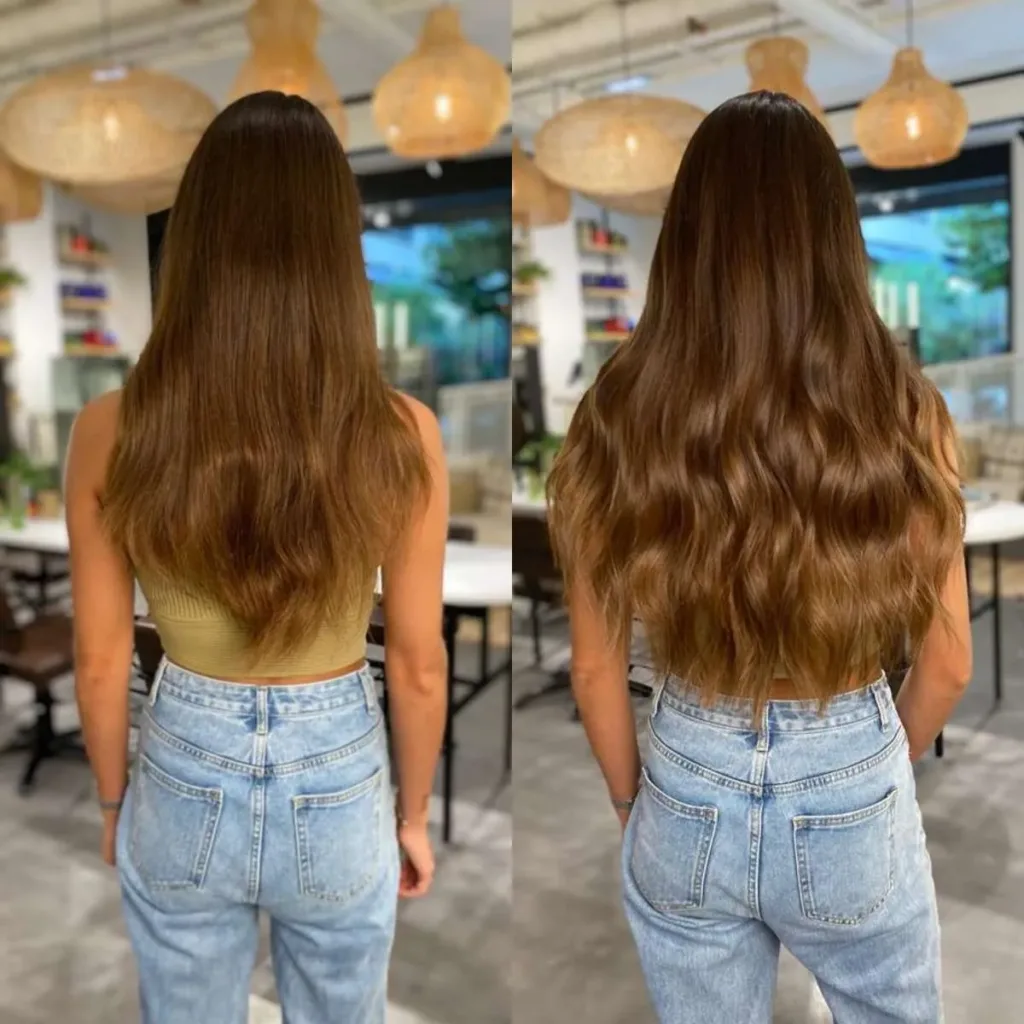
My opinion
In my view, this title should never be answered with one single method name. That answer would be too shallow. The best type of hair extensions to get depends on what the client is trying to achieve and what the natural hair can support.
Still, one part of the answer is fixed for me. The best quality base is full cuticle hair. That is the standard I trust most because it gives the strongest performance over time. After that, the right method should be chosen by fit. Fine hair, thick hair, low-maintenance clients, luxury salon installs, and retail buyers all need different solutions.
This is why I always separate quality from method. Quality decides the level. Method decides the match. When those two parts are chosen correctly, the result feels much more natural, durable, and professional.
FAQ
What are the best quality hair extensions to get?
The best quality hair extensions to get are full cuticle hair extensions because they offer the best softness, durability, and long-term performance.
What are the best type of hair extensions to get?
The best type depends on the client’s hair density, lifestyle, maintenance level, and goal. There is no single method that is best for everyone.
Which hair extensions look the most natural?
Invisible tape-ins, hand tied wefts, genius wefts, nano ring hair, and seamless clip-ins are among the most natural-looking options when installed correctly.
Which hair extensions last the longest?
Full cuticle hair lasts the longest overall. Methods like wefts, I tip hair, nano ring hair, and keratin tips can all perform well with correct care.
Which hair extensions are least damaging?
Halo hair and clip-ins are often lower-risk because they are temporary. Still, attached methods can also be gentle when chosen and installed properly.
Conclusion
The best hair extensions to get begin with full cuticle hair, but the best method depends on the client’s hair, goals, and maintenance reality.
where to buy Best hair extensions
Hibiscus Hair Manufacturer has been dedicated to producing high-quality hair extensions for 25 years and is a recognized leader in the industry. If you are interested in finding a reliable hair extensions supplier and wholesale for your brand, please visit our website for more information: