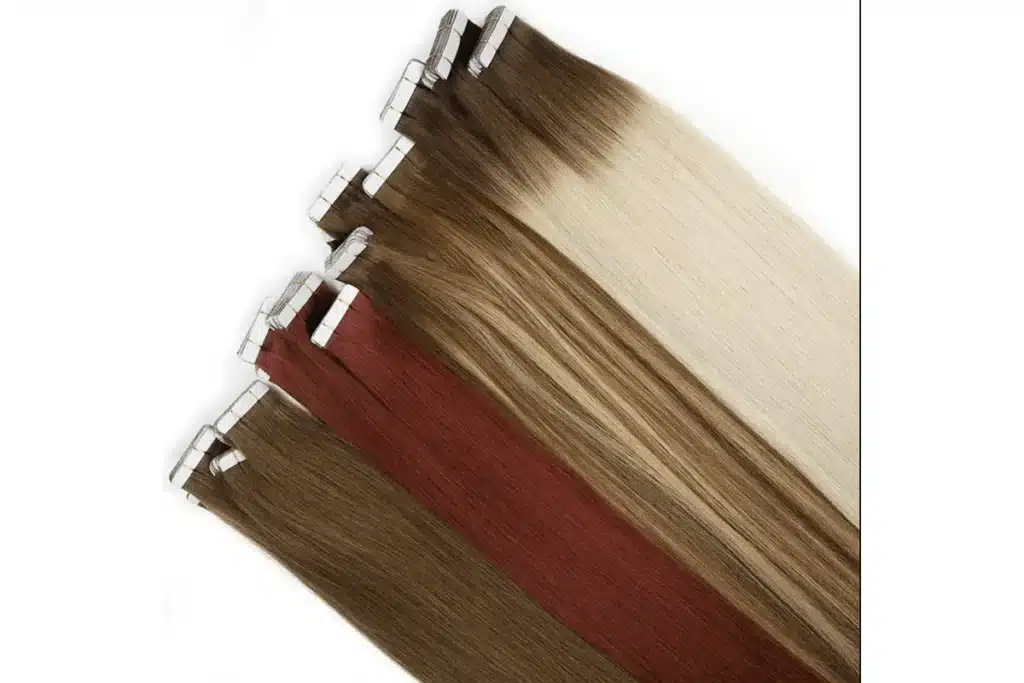
Are you curious about keratin bonded hair extensions, but you still wonder what the “after” really looks like in real life? Do you want a result that looks like your own hair, just better, not like obvious add-ons? You should understand the method before you invest.
Keratin bonded hair extensions can transform thin ends, flat crowns, and uneven shapes into a fuller, longer look with natural movement. The best before and after comes from correct bond size, correct placement, and strict care near the roots. If you match the method to your lifestyle, you can get a clean, premium finish.

If you want a clear guide that feels honest, you are in the right place. I will explain what keratin bonds are, who they fit, who should avoid them, what “before and after” should mean, and how you keep the result looking fresh.
What are keratin bonded hair extensions?
Have you heard people call them “bonded hair” or “keratin tips” and you feel lost? Do you wonder if this is tape, glue, or something else? This method is its own category.
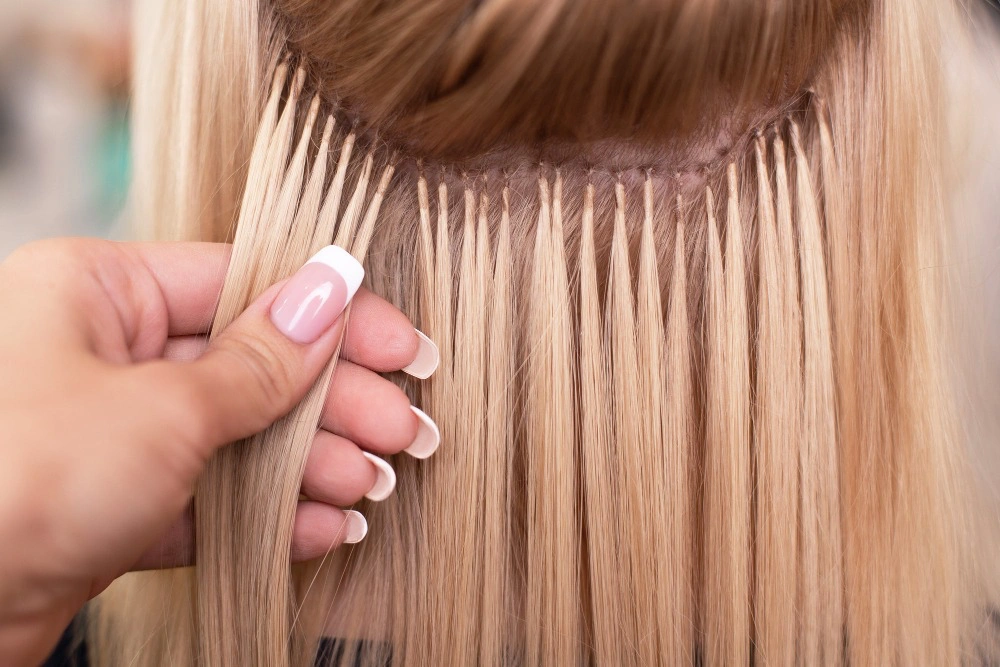
Keratin bonded hair extensions are individual hair strands with a pre-keratin tip at the top. A stylist uses a heat tool to soften that keratin tip. The stylist then shapes the softened keratin around a small section of your natural hair. After it cools, the bond becomes firm again. This is why the hair can stay in for weeks and still move naturally.
What you should notice when it is done well
You should see small, neat bonds. You should feel comfortable tension, not pulling. You should be able to move your hair and style it without bulky tabs.
The three common pre-tipped types you may hear
Some salons use different names, but these are the most common pre-keratin tip styles.
| Type | What the bond feels like | What it is often used for | Why it matters for the “after” |
|---|---|---|---|
| U tip hair | Classic, rounded bond | Full installs, balanced density | Stable hold and natural movement |
| V tip hair | More discreet bond look | Fine zones and blending | Helps hide bonds in delicate areas |
| Flat tip hair | Low-profile finish | Comfort-focused mapping | Can feel flatter when placed well |
What “keratin” does and what it does not do
Keratin is a bonding material. Keratin is not a magic hair healer. Your natural hair still needs protection from tension, residue, and rough removal.

Who is the best candidate for keratin bonded hair extensions?
Do you want the most natural finish and you do not mind following some rules? Do you like wearing your hair down, curled, or in low ponytails? This method can be a strong fit when your hair and habits match it.
The best candidates for keratin bonded hair extensions have healthy hair, stable shedding patterns, and the ability to follow root-area product rules. This method works well when you want detail placement, natural movement, and a finish that does not look bulky. It also works well when you are ready to book proper removal, not DIY removal.
Best candidate profile (simple checklist)
- Your hair is healthy enough to hold bonds
- Your scalp is not extremely oily every day
- You can avoid oils and masks near the root area
- You can brush gently and regularly
- You can commit to professional removal
Hair density and texture notes
This method can suit fine, medium, and thick hair, but the plan changes.
- Fine hair needs lighter strands and careful mapping
- Medium hair is the easiest match for this method
- Thick hair needs correct spacing to avoid bulk
| Hair situation | Why it can work | What you should confirm with your stylist |
|---|---|---|
| Fine hair with healthy strands | Small bonds can blend well | Strand weight and bond size plan |
| Medium density hair | Balanced hold and comfort | Placement zones and styling goals |
| Thick hair | Strong support for bonds | Spacing and comfort around crown |
Lifestyle fit
If you want a method you can forget, this is not that. If you want a method that looks premium, and you can follow routines, this method can feel worth it.
Who should avoid keratin bonded hair extensions?
Do you have fragile hair at the hairline? Do you have scalp issues that flare up? Do you change your hair color with strong bleach often? You should be careful, because keratin bonds are strong, and strong bonds need strong natural hair support.
People should avoid keratin bonded hair extensions if their hair is very fragile, their scalp is sensitive or inflamed, or they cannot follow aftercare rules. This method also becomes risky when someone tries home removal or delays removal too long. The risk is not only “damage.” The risk is also discomfort, matting, and breakage from tension.
High-risk situations
- Very weak hairline or traction history
- Active scalp irritation or dermatitis
- Severe bleach damage and elastic breakage
- Heavy shedding phases or medical shedding
- You hate brushing and you sleep with wet hair
Behavioral red flags that matter
You do not need a perfect lifestyle, but you do need a realistic one.
If you use scalp oils daily and you will not stop, bonds can slip.
If you will remove them at home, your natural hair can suffer.
| Avoid group | Why it is risky | Safer alternatives to discuss with a stylist |
|---|---|---|
| Fragile hairline | Tension can break short hairs | Weft methods with less point tension |
| Active scalp issues | Products and bonds can irritate | Temporary options or medical guidance |
| Severe bleach damage | Hair can snap under stress | Gentle, low-tension methods |
| DIY removal mindset | Pulling breaks hair | Professional removal only |
A simple self-check question
If you cannot follow a root-safe routine for 12 weeks, you should not choose keratin bonds.
Keratin bonded hair extensions before and after
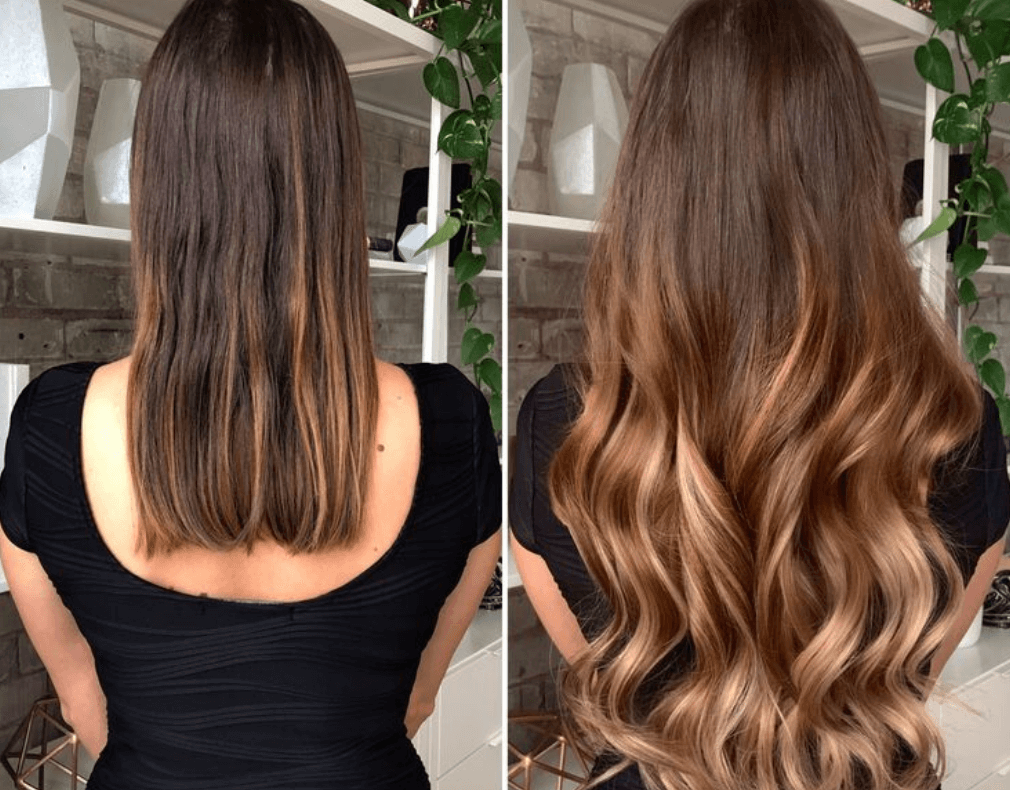
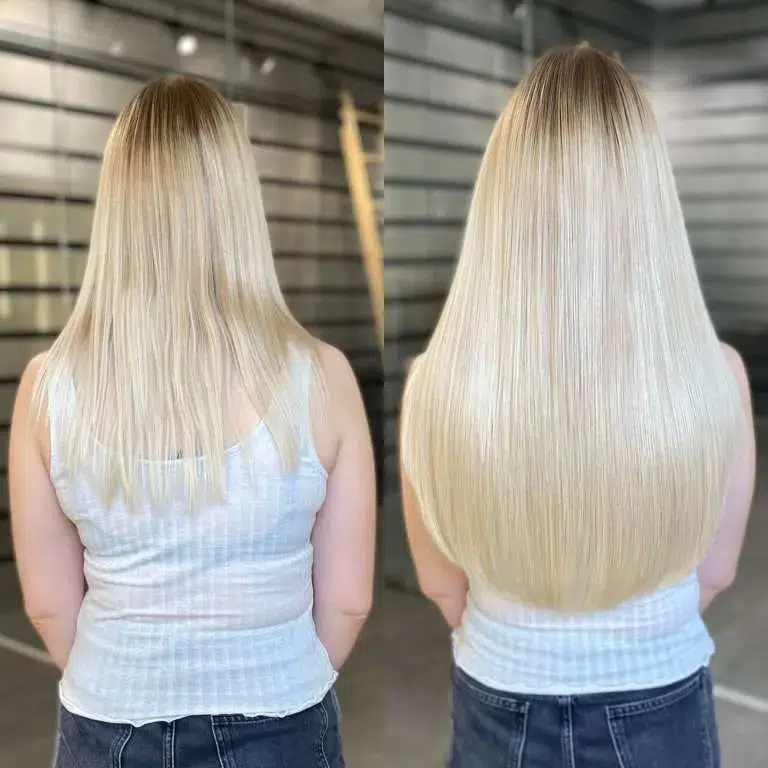
Do you want your after photo to look like your hair grew naturally? Do you want ends that look thick, not stringy? The best “before and after” is not only about length. It is about shape, density, and blending.
Keratin bonded hair extensions before and after often shows four changes: fuller ends, more balanced shape, added length, and smoother overall movement. A good after result does not show visible bonds, bulky points, or uneven density. The hair should look like it belongs on your head, even when you move.



How to care keratin bonded hair extensions?
Do you want the after result to stay smooth for months, not just for day one? Care is the difference between a beautiful transformation and a stressful one.
To care for keratin bonded hair extensions, you should keep heavy products away from the bond area, brush with control, dry the roots after washing, and secure hair for sleep. You should also reduce high heat near bonds and avoid rough pulling when detangling. These rules protect both your natural hair and the bonds.
The root-area rule
You can use conditioner, masks, and oils, but placement matters.
You should keep them on mid-length and ends.
You should keep the bond area clean and light.
Washing and drying habits
- You should shampoo your scalp gently
- You should rinse longer than usual
- You should not scrub bonds aggressively
- You should dry the root area after washing
Brushing system
- You should brush ends first, then move upward
- You should support the hair near the root with your hand
- You should brush before sleep and before washing
| Care action | What it protects | What happens if you skip it |
|---|---|---|
| Keep oils off bonds | Bond grip | Slipping and residue |
| Dry roots | Root area | Matting and tangles |
| Brush daily | Detangling | Knots and pulling |
| Secure hair for sleep | Bond stability | Twists and matting |
Sleep rules
You should sleep with a loose braid or a loose low ponytail. You should use a silk or satin pillowcase if possible. You should never sleep with wet hair.
Common problems and fast fixes
Have you ever felt a bond flip and poke you? Have you ever seen small knots at the roots and you panic? Many problems feel scary at first, but most have simple causes.
Common keratin bond problems include slipping, sticky bonds, root tangling, itchy scalp, and visible bonds. Fast fixes start with one rule: you should not pull or panic. You should diagnose the cause, then change one habit or book a quick salon check.
Problem 1: Bonds feel sticky
This often comes from product buildup near the roots.
Fix: you should rinse better and keep heavy products off bonds.
Problem 2: Slipping strands
This often comes from oils near bonds, wrong product placement, or very oily scalp.
Fix: you should stop oils near the scalp and book a check if it continues.
Problem 3: Root tangles and early matting
This often comes from sleeping with damp hair, not brushing enough, or waiting too long.
Fix: you should dry roots, braid at night, and detangle gently daily.
Problem 4: Itchy scalp
This can come from buildup or sensitivity.
Fix: you should cleanse the scalp correctly and avoid heavy sprays near roots.
| Problem | Most common cause | Fast fix you can try today | When you should see your stylist |
|---|---|---|---|
| Sticky bonds | Product buildup | Cleanse and rinse well | If it stays sticky after 2 washes |
| Slipping | Oil near bonds | Stop oils at roots | If more than a few strands slip |
| Root tangles | Friction and damp sleep | Dry roots and braid | If matting forms close to scalp |
| Itchy scalp | Buildup or sensitivity | Gentle scalp cleanse | If redness or pain appears |
| Visible bonds | Placement or growth | Change styling | If bonds show even in loose hair |
What should you ask your stylist before booking?
Do you want the best chance of a true “before and after” transformation? You should ask better questions, not only ask the price.
You should ask about strand weight, bond size, mapping, and removal plan. You should also ask what products to avoid. These questions protect your natural hair and protect your investment.
The most useful questions
- How many strands will you use for my goal?
- What strand weight will you choose for my hair density?
- How will you place bonds around my hairline and crown?
- What is the removal plan and cost?
- What products should I avoid near the bond area?
A simple expectation rule
You should not expect one method to fit everyone. The best stylist will match the plan to your hair and your lifestyle.
My opinion
Keratin bonded hair extensions can create one of the most natural before and after results when the plan is correct. The method looks premium because the bonds are small and placement is flexible. But the method needs rules near the roots, and it needs professional removal. If you want a transformation that still looks like you, this method can be a strong option when your hair and your routine match it.
FAQ
What should a good before and after look like?
A good after should look like better hair, not obvious extensions. Ends should look fuller and blending should look seamless.
How long do keratin bonded hair extensions last?
Many people wear them for around 3–4 months, but hair growth, scalp oil, and care habits can change the timeline.
Do keratin bonded hair extensions damage hair?
They can if strands are too heavy, sections are wrong, or removal is rushed. They can be safe with correct installation and correct care.
Can I use hair oil with keratin bonds?
You can use oil on the ends, but you should avoid oil near the bonds because it can reduce grip and increase slipping.
Why do I see a lot of hair during removal?
You may see trapped shed hair that collected while you wore the extensions. That shedding is often normal.
Can I swim with keratin bonded hair extensions?
You can, but you should rinse after swimming and keep the hair detangled. You should also avoid leaving chlorine or salt on the hair.
What is the fastest way to avoid root matting?
You should dry roots after washing, brush daily, and sleep with a loose braid.
Conclusion
Keratin bonded hair extensions can deliver a high-end before and after transformation when the installation plan is correct and your care routine protects the bond area. If you choose the right stylist and follow simple rules, the result can look very natural.