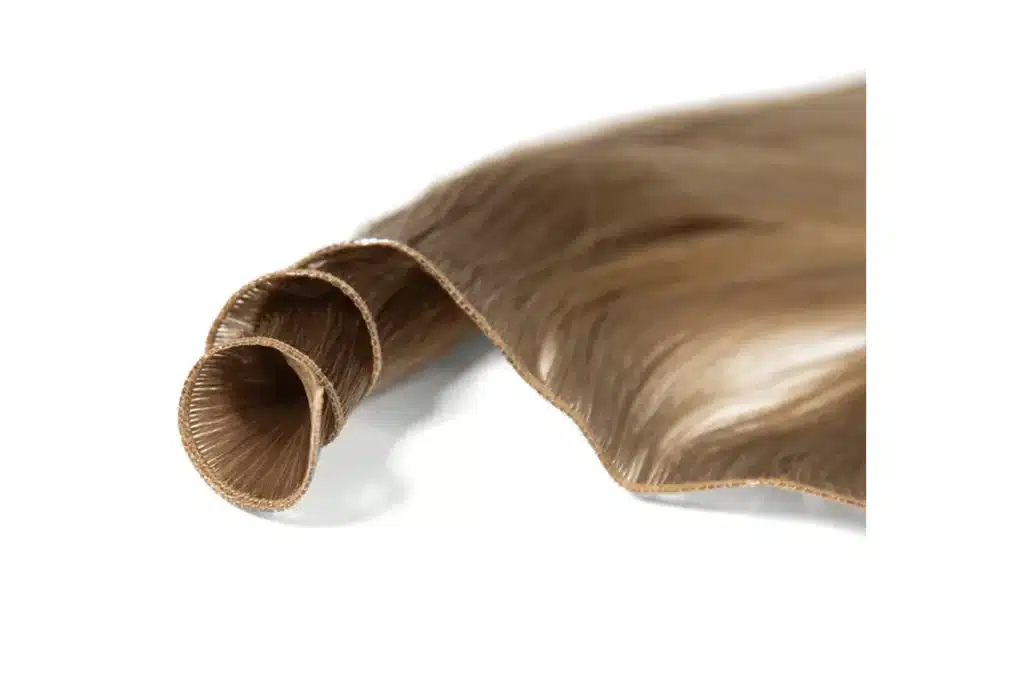
Are you thinking about bonded hair extensions, but you still feel unsure? Do you want the “real” pros and cons before you sit in a salon chair? If you are investing time and money, you should understand what you are signing up for.
Bonded hair extensions can look very natural and give you free movement, but they need correct installation, careful aftercare, and professional removal. The biggest pros are discreet blending and long wear. The biggest cons are longer appointment time, more rules around products, and higher risk if removal is rushed.

In this guide, bonded hair extensions means one clear category only: pre-keratin tip hair extensions. That includes U tip hair, V tip hair, and flat tip hair. If you are considering this method, you will know what to expect, how long it lasts, and how to protect your natural hair.
What are bonded hair extensions?
Have you heard the word “bonded” and imagined glue everywhere? Do you feel confused because different people use the word differently? You are not alone. So let us keep it simple and specific.
Bonded hair extensions are individual hair strands with a pre-made keratin tip at the top. A stylist uses a heat tool to soften that keratin tip. Then the stylist wraps and shapes it around a small section of your natural hair. After the bond cools, it becomes firm again. That firm keratin bond is what holds the strand in place.
What bonded means for you in daily life
This method is strand-by-strand. That means the stylist can add hair exactly where you need it. It also means the final look can be very natural if the bond size matches your hair.
The three types you will see most often
When people say bonded hair extensions in salons, it usually means one of these three pre-keratin tip types.
| Type | What you may notice | Why it is chosen | Best for |
|---|---|---|---|
| U tip hair | A classic, rounded bond | Stable and familiar method | Medium density hair and full installs |
| V tip hair | Smaller, narrower bond look | More discreet placement | Fine zones and detailed blending |
| Flat tip hair | Flatter, low-profile feel | Neat bond finish | Comfort-focused installs |
A quick reality check before you book
Bonded hair is not a fast appointment. This method needs time because each strand is placed one by one. If you want the most natural result, this extra time is often the reason.

Bonded hair extensions pros and cons?
Do you want the benefits, but you do not want surprises later? The best way is to look at pros and cons together, because each “pro” usually comes with a “rule.”
Bonded hair extensions offer a natural blend, flexible styling, and strong hold when your routine supports the bonds. The trade-offs are longer salon time, stricter product rules near the scalp, and the need for professional removal. If you accept the routine, many people love the result. If you ignore the routine, problems appear quickly.
The biggest pros you can feel
- Very natural look because bonds are small and placed strand-by-strand
- Easy to style because hair moves more like natural hair
- Strong wear time when aftercare is consistent
- No wide tape tabs, and no weft track feeling
The biggest cons you must be ready for
- Installation can take many hours depending on fullness
- You must brush correctly and more carefully near the roots
- You must keep heavy oils away from the bond area
- Removal needs patience and the correct remover
| Topic | Pro | Con | What you should do |
|---|---|---|---|
| Look | Discreet and natural | Visible if placed wrong | Choose an experienced stylist |
| Feel | Light and flexible | Bonds can feel new at first | Give it a short adjustment period |
| Routine | Works with normal styling | Product rules near scalp | Keep oils and masks off bonds |
| Long wear | Can last months | Needs maintenance planning | Do not wait until matting starts |
| Removal | Clean when done right | Damage risk if rushed | Book professional removal only |
A simple way to know if this method fits you
If you love very low-effort hair and you do not want rules, bonded hair may feel annoying. If you want a high-end, natural finish and you can follow a routine, bonded hair can feel worth it.

Do bonded hair extensions damage your hair?
Are you worried about heat and keratin bonds? Do you think damage is guaranteed? The truth is more balanced than that.
Bonded hair extensions can damage your natural hair if the bond is too heavy for your hair, the sections are too small, the heat is too high, or removal is done by pulling. But bonded hair can also be safe when your stylist matches strand size to your hair density, uses controlled heat, and removes the bonds by softening first. Safety depends on technique and habits, not on the name of the method alone.
The three most common reasons damage happens
1) The strands are too heavy for your hair
If your hair is fine, heavy strands create tension. Tension can lead to breakage.
2) The sections are wrong
If the stylist takes sections that are too thin, your hair carries too much load. If the stylist takes sections that are too thick, bonds may slip and get reworked too often.
3) Removal is rushed
Many problems happen during removal. If the bond is not softened first, hair can snap.
| Risk factor | What you may notice | Why it happens | What you can ask for |
|---|---|---|---|
| Too heavy strands | Tight feeling, soreness | Too much weight | Lighter grams per strand |
| Too small sections | Breakage near root | Load is not balanced | Correct section sizing |
| Overheating | Brittle bonds, dry hair | Heat too high | Controlled tool and timing |
| Rushed removal | Hair loss feeling | Pulling a firm bond | Professional keratin remover use |
What you can do before you commit
You can ask for a consultation. You can ask how your stylist chooses strand size. You can also ask what removal looks like and how long it takes. Good salons will answer clearly.
How long do bonded hair extensions last?
Do you want a clear timeline so you can plan your life and your budget? You should, because this method has a real maintenance cycle.
Bonded hair extensions usually last until your hair growth and daily movement make the bonds sit lower and twist more. Many people plan a refresh or removal around 3–4 months. Your timeline can be shorter if you have fast hair growth, oily roots, or heavy sweating. Your timeline can be smoother if you keep the bond area clean and you prevent tangling.
What changes from month to month
Your hair grows every week. That growth pushes bonds down. When bonds sit lower, they can twist more. Twisting can create root tangles, and root tangles are what make removal harder.
| Time stage | What you may notice | What you should do |
|---|---|---|
| Weeks 1–4 | Bonds feel neat and stable | Learn brushing and product rules |
| Weeks 5–8 | Hair settles, bonds feel normal | Keep roots clean and dry after washes |
| Weeks 9–12 | More movement near roots | Detangle more carefully and check knots |
| Weeks 13–16 | Bonds sit lower | Plan removal or refresh, do not delay |
The hidden factor: hair quality and tangling
If the extension hair tangles easily, you will brush harder. That adds stress near bonds. This is why smoother hair often feels easier to wear. Less tangling means less pulling.But if the hair quality is good enough, it can reuse to 1year with proper care.
How to sleep with bonded hair extensions?
Do you wake up with knots near your roots? Do you feel the bonds twist overnight? Sleep habits can decide whether you love your extensions or fight them.
To sleep with bonded hair extensions, you should reduce friction and keep hair organized. You should go to bed with dry roots, then secure your hair in a loose braid or loose low ponytail. You should also use a silk or satin pillowcase to reduce rubbing. These habits lower tangling and protect your bond area.
The most common sleep mistakes
- Sleeping with damp hair
- Sleeping with hair loose and long
- Using a rough cotton pillowcase
- Sleeping without brushing first
A simple sleep routine you can follow
- Brush gently before bed.
- Make a loose braid or loose low ponytail.
- Use a soft scrunchie.
- Sleep on silk or satin.
- If hair is damp, dry the root area first.
| Habit | What it prevents | Why it works |
|---|---|---|
| Dry roots | Matting near bonds | Wet hair tangles faster |
| Loose braid | Twists and knots | Hair stays aligned |
| Soft tie | Root tension | Pressure stays low |
| Silk pillowcase | Friction | Hair slides instead of catching |
If you already have tangles in the morning
You should hold the root area with one hand and detangle from ends with the other. You should not pull through knots fast. If the tangles repeat, your sleep routine needs a change.
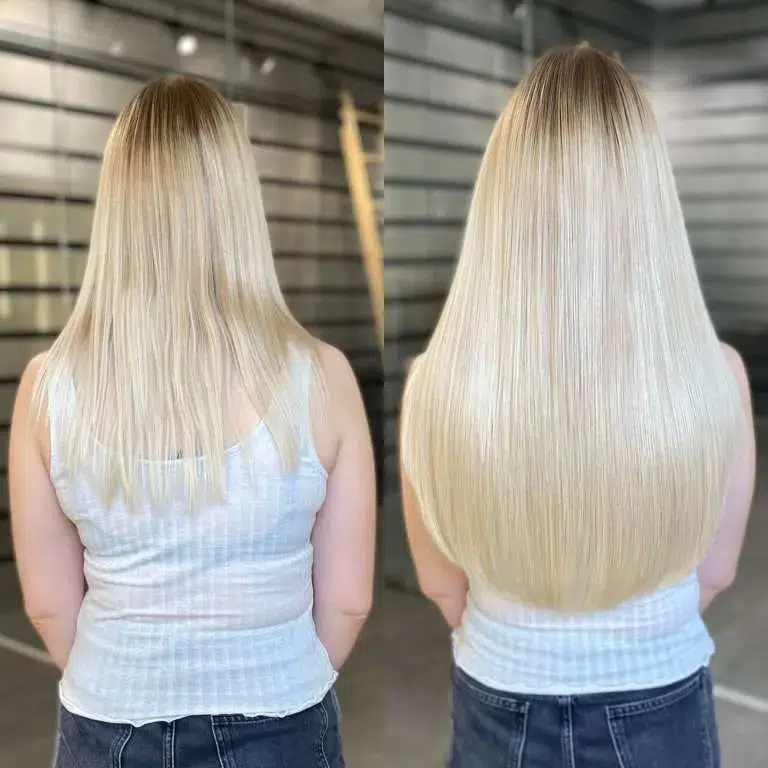
What daily care rules make bonded hair easier?
Do you want bonded hair to feel soft and easy, not dry and stressful? Daily habits matter more than people think.
Bonded hair becomes easier when you keep the bond area clean, keep heavy products away from the roots, brush with control, and dry the root area after washing. You can still use masks and oils, but you should place them on mid-length and ends only. Your bond area should stay light and clean.
The “product placement” rule
You can use good products. You just cannot put heavy products near the bonds.
| Product | Safe area | Risk area | Why |
|---|---|---|---|
| Conditioner | Mid-length to ends | Near bonds | Slip increases and tangles rise |
| Hair oil | Ends only | Roots and bonds | Oil reduces bond grip |
| Mask | Mid-length to ends | Bond line | Heavy residue builds up |
| Heat protectant | Lengths | Direct bond contact | Some formulas add slip near bonds |
Washing and drying habits that protect bonds
You should shampoo your scalp gently, then rinse well. You should not pile hair roughly on top of your head. After washing, you should dry the root area. Damp roots are a fast path to tangles.
Gym and sweat advice
If you sweat often, you should not let sweat dry at roots. You should rinse or cleanse as needed, then dry roots. This is simple but very effective.
What signs show you need maintenance or removal?
Are you trying to “push it longer” because you want to save money? That can backfire. When you wait too long, tangles turn into matting, and removal becomes harder.
You should plan maintenance or removal when bonds sit lower, twist often, or when you see repeated root tangles. You should act early if you feel pulling, soreness, or matting close to the scalp. Early action protects your hair and saves time during removal.
Clear warning signs
- Root tangles happen every day
- Bonds flip or twist often
- Brushing takes much longer than before
- You feel tight pulling in one zone
- You see matting near the scalp
| Sign | What it may mean | What you should do next |
|---|---|---|
| Daily root knots | Bonds are twisting lower | Book a salon check |
| Pain when brushing | Tension or matting | Stop pulling, get help |
| Sticky feeling near bonds | Product buildup | Clarify correctly and adjust products |
| Slipping strands | Oil or section mismatch | Review routine and bond condition |
A simple rule to protect your hair
If you have to fight your hair every day, it is time to check the bonds. You should not wait until it hurts.

My opinion
Bonded hair extensions can be a beautiful option when you want a natural, strand-by-strand result. But this method has rules. If you follow the rules, you will enjoy the pros: discreet blending, flexible styling, and long wear. If you ignore the rules, you will meet the cons: tangles, slipping, and stressful removal. You should choose a stylist who understands strand weight and section balance. You should also treat aftercare like part of the service, not like an extra task.
FAQ
What are the biggest pros of bonded hair extensions?
The biggest pros are natural blending, flexible styling, and strong wear time when aftercare is consistent.
What are the biggest cons of bonded hair extensions?
The biggest cons are longer install time, stricter product rules near roots, and removal that must be done professionally.
Do bonded hair extensions damage natural hair?
They can if the strands are too heavy, the sections are wrong, or removal is rushed. They can be safe with correct installation and careful removal.
How long do bonded hair extensions last?
Many people plan 3–4 months, but hair growth, scalp oil, and routine can change that timeline.
Can you sleep with bonded hair extensions?
Yes. You should dry roots, secure hair in a loose braid, and use a silk pillowcase to reduce friction.
Can you use conditioner and hair oil?
Yes, but you should keep heavy products away from the bond area. You should place conditioner and oil on mid-length and ends.
What should you do if bonds start to tangle near the roots?
You should not pull. You should detangle slowly and book a salon check before matting forms.
Which tip type is best: U tip, V tip, or flat tip?
The best choice depends on your hair density and where the stylist places bonds. U tip is classic, V tip can be discreet, and flat tip can feel low profile.
Can bonded hair be reused?
High-quality hair can often be reused, but it usually needs re-tipping before reinstall.
Conclusion
Bonded hair extensions can give you a very natural finish and long wear, but they need careful installation, strict aftercare, and safe removal. If you follow the rules, the pros are strong and the cons stay manageable.