If you’re a licensed cosmetologist looking to expand your salon offerings or build your own extension brand, you’re in the right place. Buying wholesale hair extensions can transform your business by helping you offer more variety, better quality, and stronger profit margins. This guide will walk you through how to source Hair Extensions for Licensed Cosmetologists, what to look for, the best types, and how to get the most value from your investment.
Licensed cosmetologists should buy wholesale hair extensions that offer consistent quality, multiple installation methods, and full-cuticle human hair. The best options include wefts, tape-ins, keratin fusion, micro bead extensions, clip-ins, halos, and hair bulk. Choosing a reliable supplier ensures better performance, client retention, and long-term value.
In the sections ahead, you’ll learn how each extension type works, who it suits, and how to select products that match your client base and salon goals. You’ll also see what to look for in a supplier and how to maintain long-term quality and inventory stability.

Why Buy Wholesale Hair Extensions for Licensed Cosmetologists?
Buying wholesale hair extensions allows licensed cosmetologists to offer more options at a lower cost. Whether you’re reselling or using the hair in salon services, buying in bulk provides clear advantages.
1. Lower Costs, Higher Margins
Bulk pricing greatly reduces your per-unit cost. This lets you keep more profit or pass savings to your clients. It also makes it easier to build package services that include both hair and installation. Especially buy from hair manufacturers will get better prices and margins.
2. Consistency and Reliability
Working with a reputable Hair Extension Supplier ensures consistent quality and availability. Clients expect color, texture, and weight to remain the same with every visit. Reliable stock also helps you plan your booking schedule and avoid last-minute shortages.
3. Variety of Options
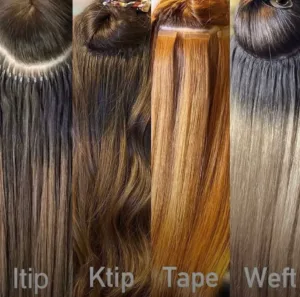
Wholesalers usually offer a full range of methods—tape-in, weft, keratin fusion, I-tip, nano, clip-in, and more. This variety helps you serve different client needs, from everyday wear to special events, and gives you flexibility when designing custom looks.
Types of Hair Extensions for Licensed Cosmetologists
Licensed cosmetologists can offer a wide range of extension methods depending on client needs, install time, budget, and hair type. Below are the most popular options and how they typically fit into salon workflows.
1. Hair Wefts
Hair wefts include machine wefts, hand-tied wefts, genius wefts, butterfly wefts, tape wefts and more. They are used for clients who want a natural, seamless look with long-lasting wear.
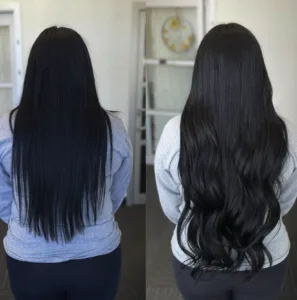
In the salon, you can install weft extensions using sew-in methods, beaded row techniques, or hybrid methods. Hand-tied and genius wefts are thin and flat, so they are very comfortable and ideal for fine to medium hair. Machine wefts are stronger and thicker, making them a good choice for clients who want high density or wear their hair very long.
Weft systems work well for clients who like full transformations, regular maintenance visits, and higher-ticket services. They are also a strong choice for Hair Extensions for Licensed Cosmetologists who want to position themselves as premium extension specialists.
2. Tape-In Hair Extensions
Tape-in extensions are one of the most popular salon options due to fast application and natural-looking results. This category includes classical tape in hair, seamless tape, invisible tape, flower tape, stitched tape and more. The panels lay flat against the scalp, which makes them a great choice for fine or thin hair clients who still want good coverage.
For licensed cosmetologists, tape-ins are efficient because a full head can often be completed within 45–90 minutes. They are also reusable when the hair quality is high and the adhesive is replaced. Tape-in systems fit clients who like regular move-up appointments and prefer a method with good comfort and flexibility in styling.
3. Clip-In & Halo Hair Extensions
Clip-in extensions and halo hair extensions are perfect for clients who want temporary volume and length. Clip-ins attach with small pressure clips, while halo extensions use a clear, thin wire that sits comfortably on the head and is covered by natural hair.
These systems do not require permanent installation, so they are ideal for events, photo shoots, weddings, or clients who do not want long-term commitment. For licensed cosmetologists, clip-ins and halos also work very well as retail products. You can color-match, cut, and style them in the salon, then clients can wear them at home as needed. This creates an extra profit channel in addition to in-salon services.
4. Hot Fusion Hair Extensions (Keratin Fusion)
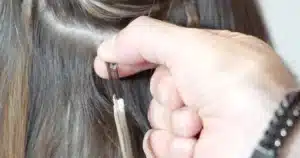
Hot fusion or keratin fusion extensions include flat tip, U-tip, and V-tip hair. These strands have keratin tips that are melted with a fusion tool and attached to small sections of natural hair. The method is strand-by-strand, which gives very natural movement and detailed control over placement.
This system works best for clients who want long-lasting, semi-permanent extensions that can handle daily styling and active lifestyles. Licensed cosmetologists often choose hot fusion when they need precise work on clients with uneven density, layered cuts, or when they want to blend highlights and lowlights using different shades of strands.
5. Micro Bead Hair Extensions
Micro bead extensions, including I-tip and nano ring hair extensions, are installed by inserting the tip into a small ring and clamping it to the client’s natural hair. This method does not use glue or heat, which makes it a good choice for clients who want minimal chemical or heat exposure.
I-tip extensions are suitable for many hair types, while nano ring extensions are especially good for fine or thinner hair because the rings are smaller and more discreet. For licensed cosmetologists, bead systems can be removed and adjusted more easily, and in many cases the hair can be reused if the quality is high and well maintained.
6. Hair Bulk
Hair bulk is loose, untied human hair that is not sewn or bonded. It is an essential material for more advanced or customized services. You can use hair bulk for:
- V-Light hair extension installation
- Creating custom keratin tips when installation
- Blending custom color mixes for unique shades
For licensed cosmetologists who want to differentiate their brand, hair bulk is very valuable. It gives you the flexibility to design custom strands for specific clients, repair or fill small gaps, and respond quickly to new trends such as V-Light or hybrid installations. When you work with a factory-level Hair Extension Supplier, high-quality full-cuticle bulk hair can become the base of your own signature system.
How to Choose the Right Types of Hair Extensions for Licensed Cosmetologists
Choosing the right extension types is key to both client satisfaction and business growth. You should look at your licensing, your local market, and current industry trends.
1. Consider Your Certification & Allowed Methods
In some areas, specific methods such as keratin fusion or chemical-based adhesives require special training or certification for Hair Extensions for Licensed Cosmetologists. You should always check local regulations first.
If your region does not require separate certification, you can focus on what fits your skills, salon positioning, and client demand. Your choice of method should still follow safe practice and proper technical standards.
2. Consider Local Client Preferences
Client habits differ from city to city and country to country. In some markets, tape-in extensions dominate because clients like fast services. In other regions, weft or beaded row methods are the main choice, especially in high-end balayage and lived-in color salons. Some clients love micro bead or nano systems because they want no glue and no heat.
As a licensed cosmetologist, you should observe what your current and potential clients ask for most often. Your core inventory should match their lifestyle, hair type, and budget. This helps you choose the right wholesale hair extensions for licensed cosmetologist and avoid dead stock.
3. Consider Current Extension Trends
Trends in extension methods change quickly. Knowing what is popular in the industry helps you stay competitive.
- Tape wefts are very popular now because they offer fast installation and a flat, comfortable result for many hair types.
- Butterfly wefts are a newer style of weft that has become popular in the last few years. They do not require heat or sewing, which makes them efficient and comfortable.
- V-Light extensions are rising sharply because they solve problems in the bangs, crown, and hairline areas where other systems are more visible.
When you choose new inventory from your Hair Extension Suppliers, you should balance classic methods (wefts, tape-ins, keratin fusion) with a few trending systems that fit your brand and skill level. This mix helps you attract both loyal and new clients.

What to Look for in Wholesale Hair Extensions for Licensed Cosmetologists
Not all hair is equal. Here’s what licensed cosmetologists must evaluate before choosing a Hair Extension Supplier.
1. Quality of the Hair
The best choice is 100% human hair, especially full-cuticle, single-donor hair. This hair can handle coloring, heat styling, and multiple re-installations when cared for correctly. Synthetic or mixed fibers may look good at first but do not offer the same performance.
2. Range of Textures and Shades
Your supplier must offer straight, wavy, curly, and coily options with consistent coloring. A strong shade range makes color matching easier and reduces the time you spend adjusting and toning.
3. Application Methods
Choose a wholesaler offering multiple methods—tape, weft, fusion, bead, clip-in, halo, hair bulk—so you can serve every client type and expand your menu over time.
4. Durability & Longevity
Full-cuticle hair can last 1–2 years with proper care and repeated installation. This is very important when you position yourself as a premium Hair Extensions for Licensed Cosmetologists provider because clients notice when hair quality stays beautiful over time.
Where to Buy Wholesale Hair Extensions for Licensed Cosmetologists
1. your local Hair Extension Brands
Many of your famous local companies focus only on hair extensions and understand salon requirements. They usually have more professional product support, training resources, and consistent quality.
2. Online Wholesale Marketplaces
Platforms like Amazon and Global Sources give you access to many international trade suppliers. However, you must vet each supplier carefully, request samples, and test consistency before placing large orders , because the quality varies among different suppliers.
3. Direct From Manufacturers
Buying directly from manufacturers works well for licensed cosmetologists who want:

- Better and more stable pricing
- Custom products with specific colors, lengths, or methods
- Long-term cooperation
- Private label or OEM services
Hibiscus Hair Manufacturer has been producing luxury extensions for 25 years. If you’re looking for a reliable wholesale Hair Extension Supplier for your brand, you can visit our website and speak with our team for factory-direct options.
How to Ensure Client Satisfaction with Wholesale Hair Extensions
1. Customize the Fit
Cut, blend, and texturize the extensions so they match the client’s natural hair perfectly. The more seamless the blend, the higher the client satisfaction.
2. Offer Aftercare Guidance
Give every client clear instructions for washing, drying, brushing, and sleeping with extensions. Recommend suitable products, such as sulfate-free shampoo, hydrating conditioner on mid-lengths and ends, and leave-in care.
3. Provide Regular Maintenance Services
Maintenance visits such as move-ups, re-taping, tightening beads, or refreshing bonds give you recurring income and help preserve the hair’s lifespan. Clients feel more secure when they know you will support them after the initial install.
Frequently Asked Questions (FAQ)
Q1: Can licensed cosmetologists buy hair extensions at wholesale prices?
Yes. Many Hair Extension Suppliers and manufacturers offer wholesale pricing for licensed professionals, especially when you order in bulk.
Q2: What type of hair extensions are best for salons?
Full-cuticle human hair is the best choice for salons because it offers a natural look, durability, and better performance under heat and styling tools.
Q3: How do I choose the right wholesale hair extensions for my clients?
Look at hair texture, application method, shade range, and expected wear time. Choose products that fit your clients’ lifestyle and maintenance habits.
Q4: How can I ensure the hair extensions I buy are high quality?
Request samples, test them with heat and washing, and work with Hair Extension Suppliers that focus on full-cuticle, ethically sourced human hair.
Q5: How often should I replace my client’s extensions?
As a general guide:
- Tape-ins: move up every 6–8 weeks
- Keratin fusion, I-tip, nano: replace or reinstall every 3–5 months
- Hair Wefts:move up every 6-8months
The exact timing depends on the client’s hair growth and care routine.
Conclusion
Licensed cosmetologists who choose high-quality wholesale extensions, understand local client preferences, and work with reliable suppliers can build a strong, profitable extension business. The right products and strategy help you deliver consistent results and long-lasting client trust.
Hibiscus Hair Manufacturer has been dedicated to producing high-quality wholesale hair extensions for 25 years and is a recognized leader in the industry. If you are interested in finding a reliable hair extensions supplier and wholesale for your brand, please visit our website for more information: