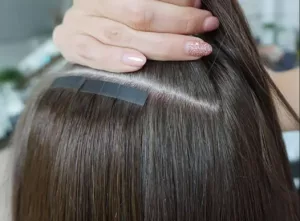
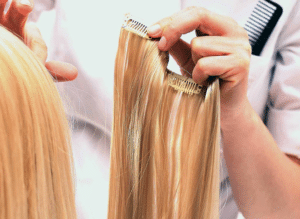
Many extensions look beautiful at first. But not all of them keep the same softness, wear pattern, and long-term value. That is where many buyers and salon clients get confused.
The hair extensions that last the longest are usually made from high-quality full cuticle human hair. After that, the product type matters less than many people think. Weft, keratin, tape, clip-in, and beaded methods can all perform very well. The main difference is usually the maintenance cycle, move-up schedule, wearing habits, and what fits the client’s lifestyle best.
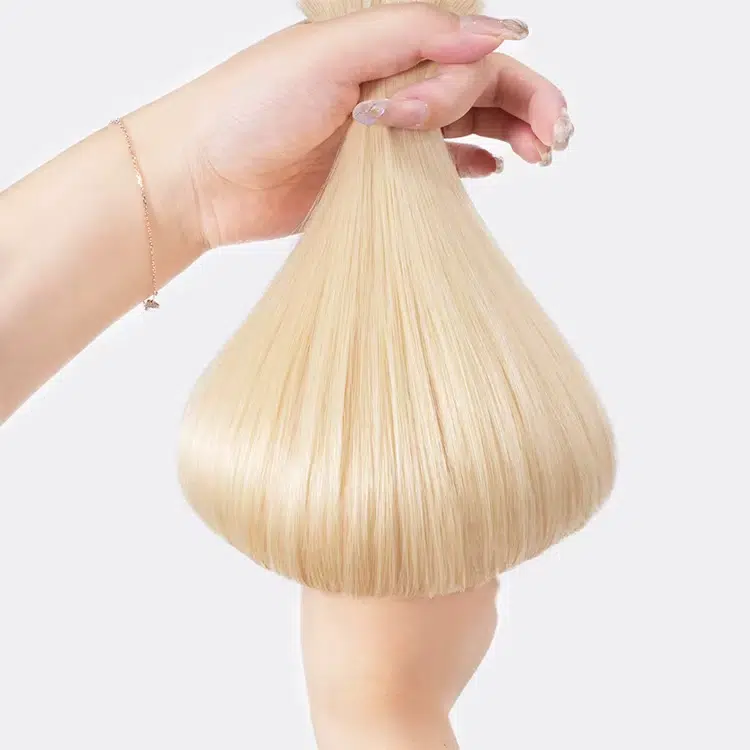
When I answer this question, I do not rank one extension type as the winner in every case. I first separate hair lifespan from method wear cycle. Then I compare maintenance needs, move-up timing, client routine, and how the hair will actually be used in real salon life.
What Does “Last Longest” Really Mean?
Many people ask which extensions last longest, but they are often mixing several different ideas together.
“Last longest” can mean how long the hair itself stays beautiful and reusable, or how long one installation method stays on the head before maintenance, move-up, or reinstallation. These are not the same thing.
I think this is the most important starting point, because many articles confuse hair quality with extension type. In real salon work, those are connected, but they are not the same thing.
The first meaning is hair lifespan. This refers to how long the extension hair itself stays soft, smooth, strong, and reusable. This is where full cuticle hair stands out clearly. If the raw hair is excellent, the cuticle is intact, and the processing is controlled, the hair can last much longer than lower-grade hair. This is true whether the hair is made into wefts, keratin tips, tape-ins, clip-ins, or other methods.
The second meaning is wearing cycle. This refers to how long a specific installation can stay in before it needs move-up, reinstallation, or removal. This part depends much more on method, client growth rate, scalp condition, home care, and the salon’s maintenance system. A shorter move-up cycle does not mean the product is lower quality. It only means the method works on a different schedule.
The third meaning is reuse value. Some methods are easier to remove, reinstall, or refresh. Some are more flexible for salon maintenance. Again, that does not make one category universally better. It only changes how the hair fits the client’s goals.
This is how I separate the topic:
| Meaning | What it really asks | Main factor |
|---|---|---|
| Hair lifespan | How long the hair stays beautiful | Hair quality |
| Wear cycle | How long it stays in before maintenance | Method + client routine |
| Reuse value | How many times it can be worn again | Hair quality + method |
So when I answer which hair extensions last longest, I do not give one flat answer. I first ask whether we are talking about the hair itself, the install cycle, or the overall long-term value.
Which Hair Extensions Last Longest Overall?
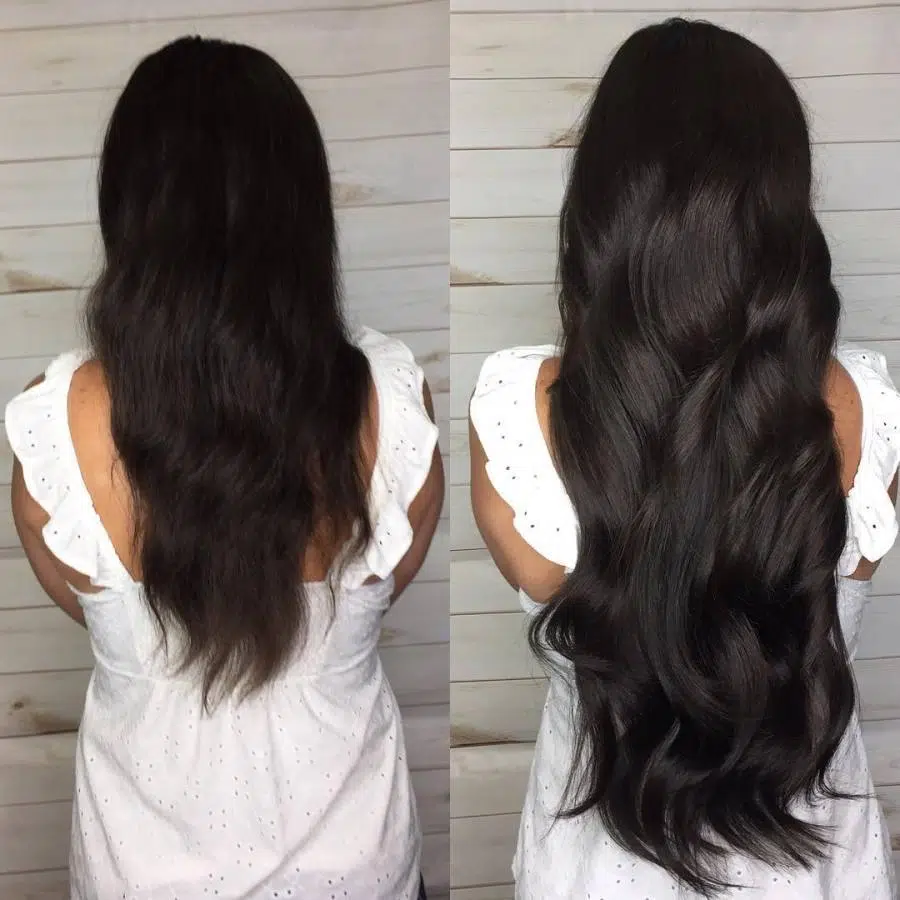
If I look at the full picture, the longest-lasting hair extensions are usually the ones made from premium full cuticle human hair and matched with the right method for the client’s maintenance needs.
There is not one single extension type that always lasts the longest in every case. Weft, keratin, tape, clip-in, and beaded methods can all be excellent when they are made from high-quality hair and used in the right way. The bigger difference is usually the move-up cycle and how the client wears and cares for them.
This is the point I think many people miss. They try to compare methods as if one category is automatically the longest-lasting choice. I do not see it that way. If the hair quality is poor, no method will create true long-term value. If the hair quality is excellent, many extension types can perform very well.
That is why I always put full cuticle hair first in this discussion. Once the hair itself is premium, the decision becomes more about lifestyle and maintenance than about one method being “the best.” A weft can be excellent. Keratin tips can be excellent. Tape-ins can be excellent. Clip-ins can be excellent for the right use. Beaded methods can be excellent too. The difference is not that one is high quality and another is low quality. The difference is how they fit the client’s schedule, care habits, and salon plan.
For example, tape-ins may need a different move-up rhythm than keratin tips. Wefts may suit one client’s salon maintenance routine better than individual bonds. Clip-ins may last a long time as a product because they are not worn continuously. Beaded methods may be ideal for clients who want reusability and salon flexibility. None of this means one type is weak. It means the service plan is different.
This is how I explain the topic now:
| Extension type | Can it be long-lasting? | What really decides it |
|---|---|---|
| Weft | Yes | Hair quality + move-up routine |
| Keratin tip | Yes | Hair quality + wear cycle + aftercare |
| Tape-in | Yes | Hair quality + maintenance timing |
| Clip-in | Yes | Hair quality + frequency of wear |
| Beaded method | Yes | Hair quality + install and move-up care |
So if I give one professional answer, it would be this: the longest-lasting hair extensions are usually premium full cuticle human hair extensions, and after that, the best product type depends on the client’s maintenance cycle, lifestyle, and wearing goals rather than one category being universally better.
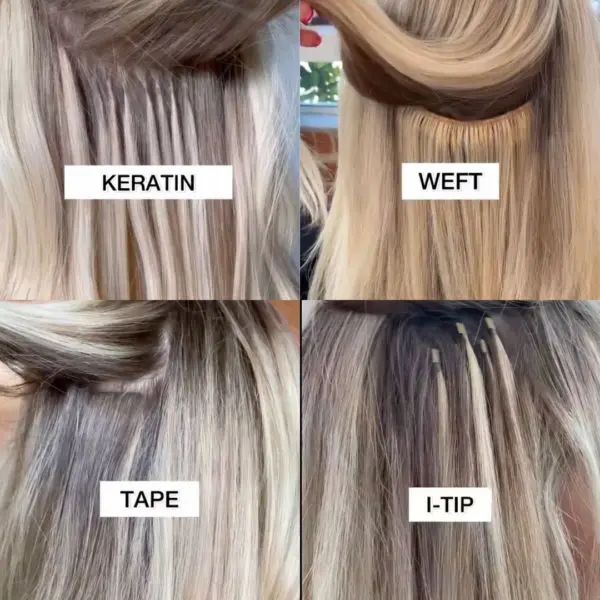
Which Hair Quality Lasts the Longest?
Hair quality is still the biggest factor in extension lifespan, no matter what product type the hair is made into.
Full cuticle human hair usually lasts the longest. Regular Remy hair can still perform well, but it usually does not last as long as true full cuticle hair. Non-Remy hair usually has the shortest lifespan.
This is the part I feel most confident about, because here the answer is much clearer. When we talk about the lifespan of the hair itself, full cuticle hair is still the best standard in most professional cases.
The reason is simple. When the cuticle remains intact and aligned, the hair usually keeps its softness, smoothness, and strength much better over time. It tangles less. It handles repeated washing and styling better. It is also more suitable for long-term salon use and professional reinstallation. This matters a lot for salon owners, stylists, and high-end buyers.
Regular Remy hair can still be a decent option, but it is not always equal to full cuticle hair. Remy usually means the hair direction is aligned, but it does not always mean the cuticle stayed fully intact through sourcing and processing. That is why Remy hair can vary a lot from one supplier to another and from one batch to another.
Non-Remy hair usually has the shortest life in salon use. It may look smooth at first, often because of coating or processing, but it usually declines much faster in softness, tangling control, and reuse value.
This is the quality comparison I use:
| Hair quality | Typical lifespan | General result |
|---|---|---|
| Full cuticle hair | 1–2 years | Best long-term wear and reuse |
| Regular Remy hair | 4–6 months | Medium lifespan |
| Non-Remy hair | 1–3 months | Shortest lifespan |
So on the hair quality side, the answer is still very clear to me: full cuticle hair lasts the longest. That part does not really change.
Do Weft, Keratin, Tape, Clip-In, and Beaded Extensions All Last Well?
Yes, they all can last well when the hair quality is high and the method matches the client’s needs.
Weft, keratin, tape, clip-in, and beaded extensions can all be very good long-term options. The main difference is not that one is clearly superior in quality. The main difference is how often they need move-up, reinstallation, daily removal, or salon maintenance.
This is the section I would use to correct the oversimplified idea that one extension category always wins. In my experience, that is not how real salon work works.
Weft extensions can absolutely last well, especially when made from full cuticle hair. They are popular because they can offer strong salon value, reusability, and good maintenance flexibility.
Keratin tips are also a very strong option. They suit clients who want individual movement and a longer wear cycle before full removal. They are not automatically better than wefts or tape-ins. They are simply different in how they are maintained.
Tape-in extensions can also last very well. They often have a different move-up schedule, and they ask for good root care and timing. But when the hair and tape quality are strong, they are still a premium salon option.
Clip-ins are different because they are not worn continuously. But that can actually support long product life, especially when the client wears them occasionally and stores them well. So clip-ins should not be dismissed just because they are temporary.
Beaded methods are also very valuable in the right hands. They can offer flexibility, reusability, and salon-friendly maintenance. Again, the main issue is not quality ranking. It is fit.
Here is the better comparison:
| Type | Can it be premium and long-lasting? | Main difference |
|---|---|---|
| Weft | Yes | Row maintenance and move-up cycle |
| Keratin | Yes | Longer wear cycle before removal |
| Tape | Yes | Faster service and different move-up timing |
| Clip-in | Yes | Not continuous wear, user-controlled use |
| Beaded | Yes | Flexible maintenance and reusability |
So yes, I would now frame the answer much more carefully: all of these categories can be excellent. The better question is not “which one is the only good one?” The better question is “which one fits the client’s care routine and maintenance cycle best?”
Which Installed Method Stays In the Longest Before Maintenance?
Different methods have different wear cycles, but that does not make one method universally better than another.
Some methods can stay in longer before move-up or removal, while others need earlier maintenance. This difference is about service rhythm, not product quality. The best choice depends on what the client wants from the wearing schedule.
I think this is where many readers really mean to ask, “Which one needs the least frequent adjustment?” That is a fair question, but it still should not be confused with hair lifespan.
Keratin tip extensions often have a longer wear cycle before full removal, because they are individual bonds and move naturally with the hair. That makes them attractive for clients who want a longer uninterrupted wear period.
Weft and beaded methods can also perform very well, but they often follow a different maintenance rhythm. As the natural hair grows, move-ups become part of the service plan. That does not reduce their value. In fact, many clients and salons prefer this structured maintenance model.
Tape-ins usually need a different schedule again. They may ask for earlier repositioning compared with some other methods, but they also offer speed, a flatter finish, and a very clean salon service result.
Clip-ins sit outside this comparison because they are not installed full-time. Their “maintenance” is more about how often the client uses and cares for them.
This is how I would explain the wearing cycle:
| Method | General wear cycle idea | What that means |
|---|---|---|
| Keratin tips | Often longer before removal | Fewer full reinstallation points |
| Weft | Strong salon wear with move-ups | Structured maintenance |
| Tape-in | Different, often earlier move-up cycle | Fast service, regular upkeep |
| Beaded | Flexible with move-up routine | Reusable and maintenance-based |
| Clip-in | Per-wear use | No continuous install cycle |
So yes, some methods may stay in longer before major maintenance. But I would never present that as proof that they are automatically better. It only means the service calendar is different.
What Makes One Client Get Longer Wear Than Another?
Even when two clients choose the same extension type, their results can still be very different.
Longer wear depends on hair quality, install quality, maintenance timing, scalp and hair condition, daily habits, and how closely the method matches the client’s lifestyle.
I think this section matters because even the best article can become too simple if it ignores real client differences. Two people can wear the same tape-ins, the same keratin tips, or the same wefts and still get very different results.
The first reason is installation quality. Even premium hair cannot perform at its best if the install is weak. Tape-ins need clean roots and strong sealing. Keratin tips need correct bond size and balance. Wefts and beaded methods need correct sectioning and maintenance planning.
The second reason is client care. Some clients are very careful. They brush well, sleep correctly, use the right products, and return on time for maintenance. Others are harder on the hair without realizing it. That changes wear a lot.
The third reason is scalp and natural hair condition. Oily roots, very fine hair, fragile hair, or fast growth can all change how a method behaves. This is why I do not like absolute ranking.
The fourth reason is whether the method actually suits the client. A method that works perfectly for one lifestyle may be frustrating for another.
| Factor | Supports longer wear | Shortens wear |
|---|---|---|
| Installation | Correct and balanced application | Poor technique |
| Daily care | Gentle routine | Rough routine |
| Maintenance timing | On-time move-ups | Delayed maintenance |
| Hair/scalp condition | Good match to method | Poor match |
| Hair quality | Full cuticle premium hair | Lower-grade hair |
So when I compare extension types, I always keep this in mind: method matters, but client fit matters too.
Which Hair Extensions Last Longest for Different Needs?
The best long-lasting option changes depending on what the client values most.
For the longest hair lifespan, premium full cuticle hair is the best base. After that, the best extension type depends on whether the client wants longer uninterrupted wear, easier move-ups, faster service, occasional wear, or more flexible maintenance.
I do not think one universal recommendation helps most salon clients. I think matching the extension type to the real goal is much more useful.
If the client wants the best long-term hair quality, I would focus first on full cuticle human hair, no matter whether it becomes weft, keratin, tape, clip-in, or beaded products.
If the client wants a longer uninterrupted wearing cycle, keratin tips may be very attractive.
If the client wants strong salon reusability and a structured move-up system, weft and beaded methods can be excellent.
If the client wants flat installation and a fast salon service, tape-ins can be a very smart choice.
If the client only wears extensions sometimes, clip-ins may actually deliver great long-term value because they are not worn daily.
| Client need | Strong option | Why |
|---|---|---|
| Best hair lifespan | Any full cuticle product type | Quality matters most |
| Longer uninterrupted wear | Keratin tip | Wear cycle advantage |
| Salon-friendly reuse | Weft / Beaded | Structured move-up value |
| Flat and fast service | Tape-in | Clean and efficient |
| Occasional use | Clip-in | Long product life with limited wear |
So the better answer is not one winning type. The better answer is the right high-quality type for the right maintenance plan.
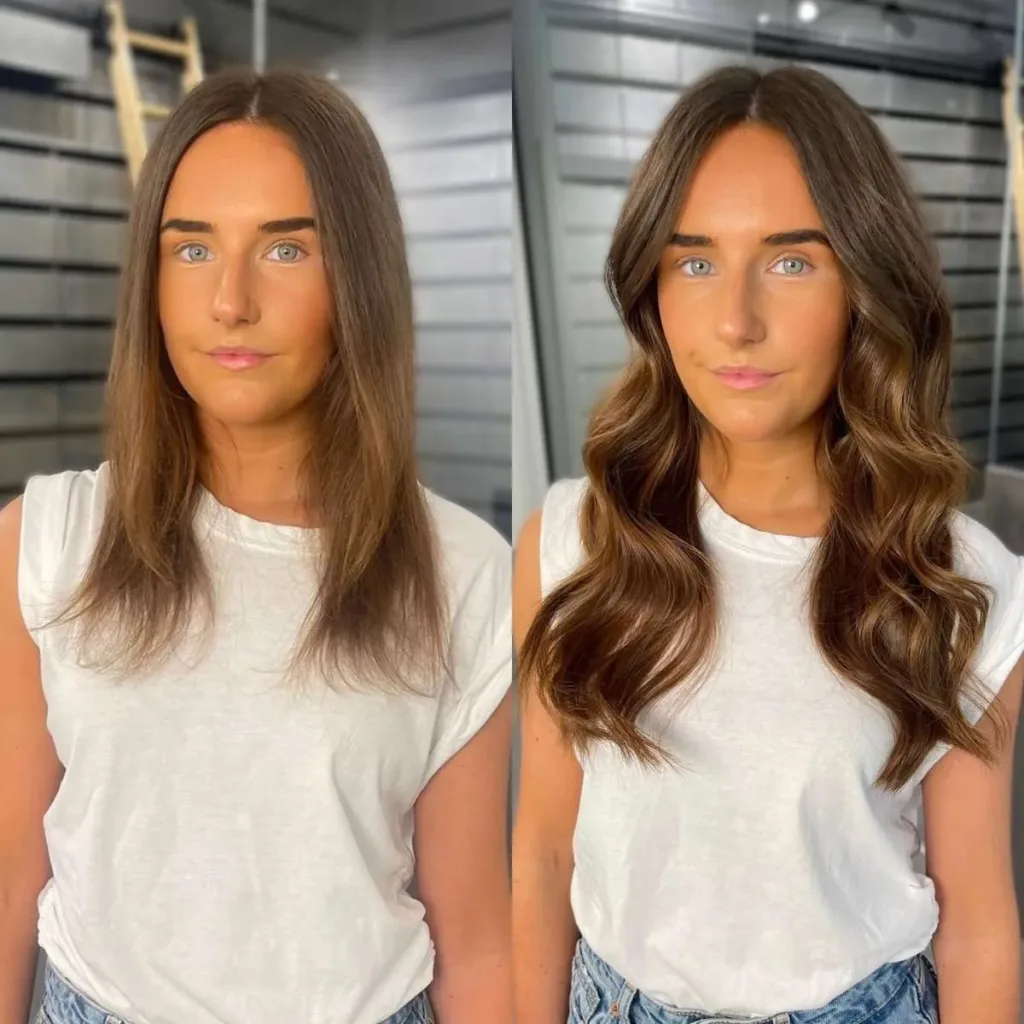
My Opinion
I think the clearest answer is this: full cuticle hair lasts the longest as hair, and after that, no single extension type should be treated as the only best option. Weft, keratin, tape, clip-in, and beaded methods can all be excellent when the hair quality is high. The real difference is usually the move-up schedule, wear cycle, and the client’s care habits.
In my view, salons make better recommendations when they stop asking only which type is “best” and start asking which type fits the client’s real wearing routine. That gives a much more honest and professional answer.
FAQ
Which hair extensions last the longest overall?
In terms of hair lifespan, full cuticle human hair extensions usually last the longest.
Do tape-ins last as well as wefts or keratin tips?
They can absolutely last well. The main difference is usually the maintenance and move-up cycle, not whether they are high quality.
Are clip-in extensions lower quality because they are temporary?
No. Clip-ins can also be made from premium full cuticle hair and can last very well as a product. They simply follow a different wearing pattern.
Are beaded extensions a good long-term option?
Yes. Beaded methods can be a very good long-term option when the install is done well and the maintenance routine is followed correctly.
What matters most, the method or the hair quality?
Hair quality matters most for the lifespan of the hair itself. Then the method matters for maintenance cycle, wearing routine, and client fit.
Conclusion
The longest-lasting hair extensions are usually made from full cuticle human hair. After that, the best type depends less on ranking and more on maintenance cycle, wear habits, and client fit.