Many buyers want the best hair extensions, but the market often makes this question confusing. They see labels like 12A, 10A, and 7A. They also hear terms like Remy hair and full cuticle hair. These words are often mixed together, even though they do not mean the same thing.
The best grade of hair extensions is full cuticle hair extensions. That is the clearest answer. In my experience, full cuticle hair stands at the top because it offers the best softness, durability, natural shine, low tangling, and long-term salon performance.
I do not think this topic should stay only at the label level. Buyers do not really want a number. They want hair that performs well in the salon, lasts well after washing, and supports a premium business. That is why this article explains the grade label issue, but also goes beyond it. The real answer is not just about what a supplier calls the hair. The real answer is about what the hair actually is.
What is the best grade of hair extensions?
A lot of buyers ask this question because they want the highest level of quality. They want hair that feels soft, lasts long, and gives fewer problems after installation.
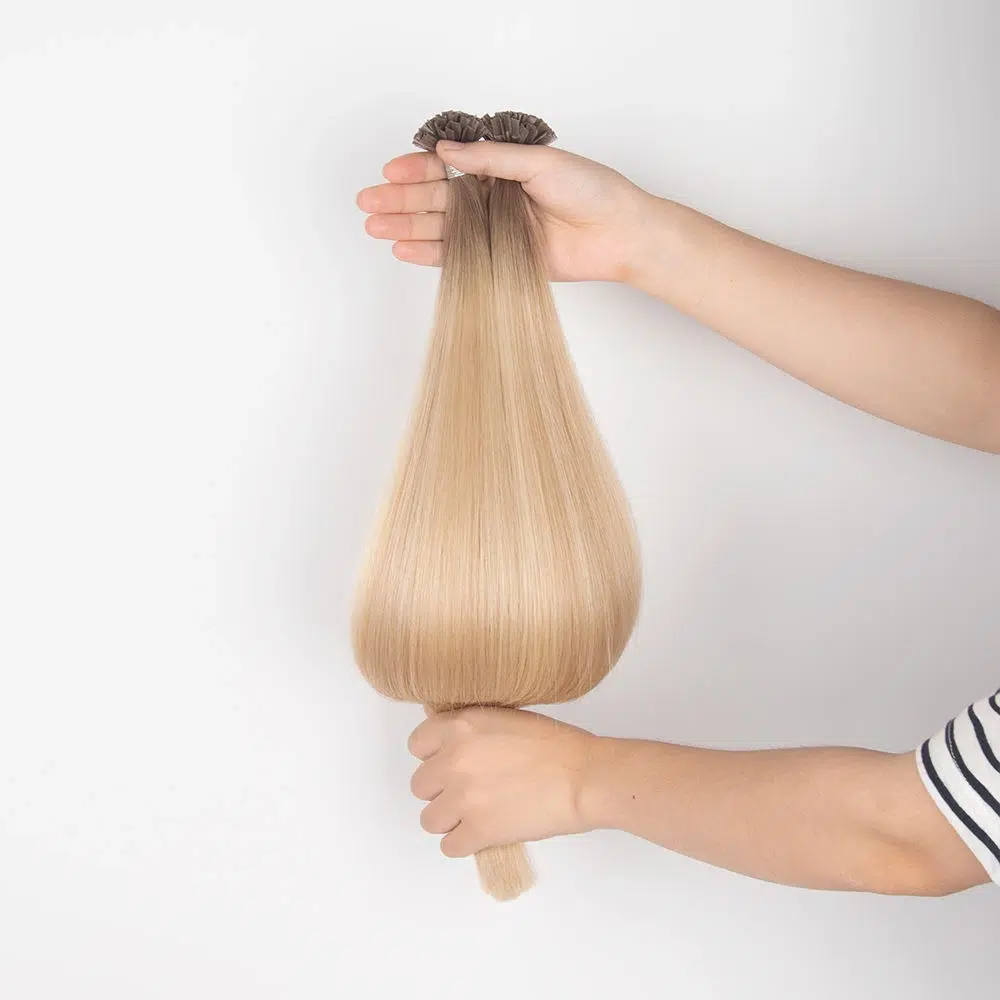
The best grade of hair extensions is full cuticle hair extensions. I say that because full cuticle hair keeps the cuticles intact and aligned, which helps the hair stay smoother, stronger, and more durable over time.
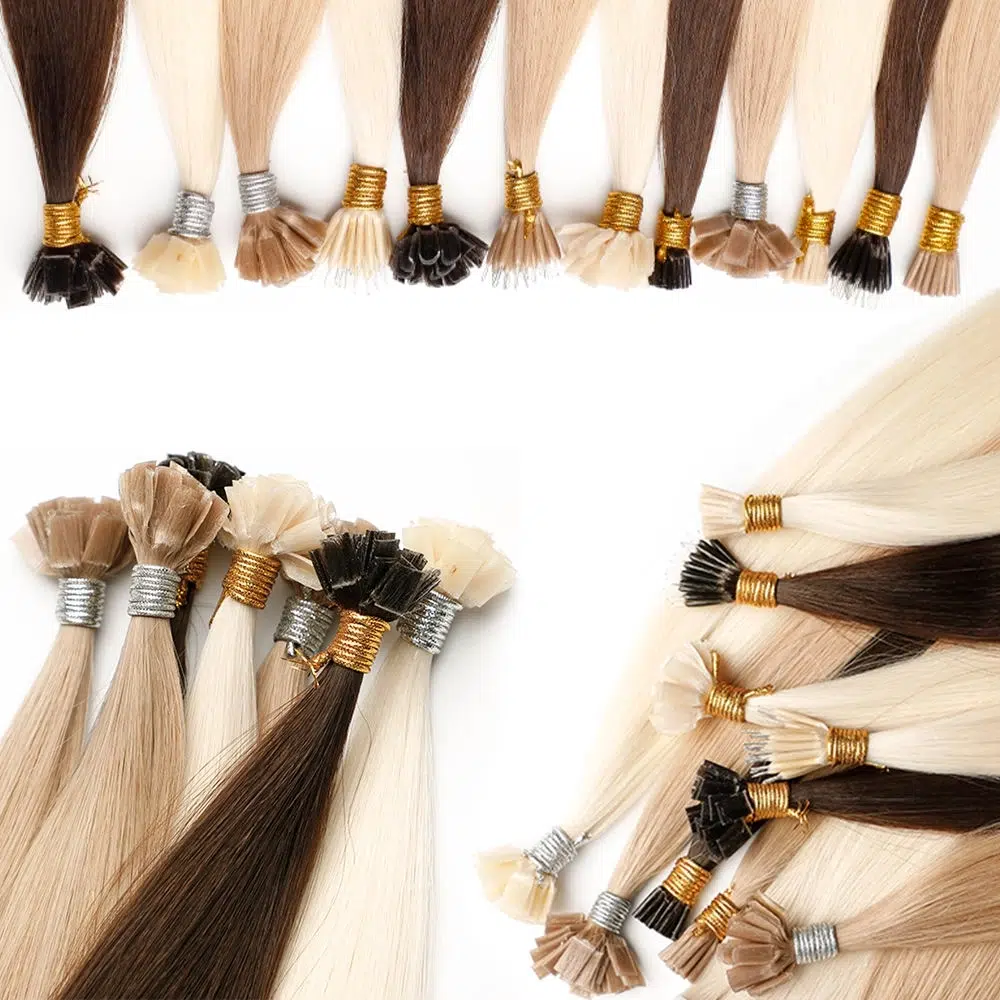
When I answer this question, I always start with performance, not just labels. The best grade should mean the hair performs at the highest level in real use. It should not only look good when it is new. It should still feel soft after washing. It should still brush smoothly. It should still support a natural look after wear, styling, and move-up.
That is why I place full cuticle hair at the top. The cuticle is the outer layer of the hair. When it stays more complete and stays aligned, the hair usually feels smoother and behaves better. It also has better protection against dryness and friction. This is one of the biggest reasons why full cuticle hair stands above lower-grade options.
I also look at the raw material behind the finished product. Better grade hair usually starts with better raw hair. If the original material is weak, mixed too much, or damaged during early processing, the final product cannot become truly premium. Full cuticle hair extensions usually begin with stronger raw material and go through a more careful process.
I also care about long-term business value. A premium grade should help salons reduce complaints. It should help brands keep customer trust. It should help wholesalers offer more reliable products. Full cuticle hair does that better than lower-quality levels.
Why full cuticle hair ranks highest
- the cuticles remain intact
- the cuticles stay aligned
- the hair feels softer
- the hair tangles less
- the hair lasts longer
- the hair supports premium salon services better
What “best grade” should really mean
For me, the best grade is not the loudest label. It is the hair that gives the strongest real result.
| Hair grade type | What it shows | Quality level |
|---|---|---|
| Full cuticle hair | Intact and aligned cuticles | Highest |
| Remy hair | Aligned cuticles | Good to high |
| Non-Remy hair | Lower cuticle quality | Lower |
| A-grade labels like 12A | Supplier-defined level | Limited by itself |
Do labels like 12A, 10A, and 7A really define hair grade?
Many buyers see these labels and assume they are official quality standards. This is where a lot of confusion starts.
Labels like 12A, 10A, and 7A do not come from one official industry standard. In most cases, these grades are defined by suppliers themselves. That is why I do not treat them as the final answer when I judge hair quality.
This part is important, but I do not want to overcomplicate it. The simple truth is this: there is no one global rule that says what 12A must be, what 10A must be, or what 7A must be. One supplier may define 10A one way. Another supplier may define 10A differently. A third supplier may call similar hair 12A. So the number alone does not tell me enough.
That is why I see these labels more as market language than as a strict technical standard. They can be used to separate product lines inside one supplier’s system, but they do not create a universal benchmark across the whole industry.
I have also noticed that this A-grade language is used much more often in the Black hair products market, especially in bundle and wig selling. One reason is that many sellers in that market may work with broadly similar raw material categories, so they create their own internal grade system to show levels. In that context, 7A, 10A, or 12A can work as a sales tool.
But in the white professional hair extension market, the quality language is usually different. Buyers in that market care more about raw material, cuticle condition, longevity, softness, and reusability. So instead of focusing on 12A or 10A, the market more often uses terms like:
- full cuticle hair
- Remy hair
- non-Remy hair
- single donor hair
- raw hair quality
- processing method
I think this way is much more useful for serious buyers. It tells more about the real structure and treatment of the hair. It explains why one hair performs better than another. That is much more valuable than a number that only exists inside one supplier’s own system.
So when I talk about the best grade of hair extensions, I do not want buyers to stay trapped inside the A-grade label conversation. That label system is only one small part of the market, and it is not the clearest one for professional extension buying.
Why A-grade labels are limited
- there is no fixed industry rule behind them
- suppliers often define them differently
- the same number can mean different things from different sellers
- the number does not explain cuticle condition clearly
- the number does not explain processing quality clearly
Why professional buyers should look deeper
A salon owner or wholesale buyer needs more than a label. They need to know how the hair will perform after installation, washing, styling, and repeat use.
| Label system | Where it is more common | Main problem |
|---|---|---|
| 7A / 10A / 12A | More common in bundle and wig selling | No universal standard |
| Full cuticle / Remy / non-Remy | More common in professional extension buying | Much clearer for real quality |
Why is full cuticle hair better than Remy hair and non-Remy hair?
Many buyers hear these three terms, but they do not always know the real difference. This is the part that matters most when judging true hair grade.
Full cuticle hair is better than Remy hair and non-Remy hair because it preserves the hair structure at a higher level. In simple terms, it keeps more of the hair in its natural strong condition.
When I compare these three levels, I always look at the cuticle first.
Full cuticle hair means the cuticles remain intact and aligned. This is the highest level because the outside layer of the hair is kept in much better condition. That helps the hair stay smooth, soft, and durable.
Remy hair usually means the cuticles are aligned in one direction. That is still better than mixed hair, and it can still be a good quality level. But Remy hair does not always mean the cuticles are fully preserved through the whole process. This is why I place full cuticle hair above Remy hair.
Non-Remy hair is the lower level. The cuticles may be mixed, damaged, or removed. This type of hair is much more likely to tangle, dry out, and lose its quality faster. It may fit a lower budget market, but it is not the best grade.
This is why I believe full cuticle hair is the clearest and most meaningful answer to the article title. It is not just a nicer term. It points to a real structural difference in the hair.
A simple comparison
- full cuticle hair: aligned and more fully preserved cuticles
- Remy hair: aligned cuticles
- non-Remy hair: mixed or damaged cuticle condition
| Hair type | Cuticle direction | Cuticle condition | Overall grade |
|---|---|---|---|
| Full cuticle hair | Aligned | More intact | Highest |
| Remy hair | Aligned | Varies | High |
| Non-Remy hair | Mixed | Weaker | Lower |
What makes full cuticle hair extensions the best?
Many products claim to be premium, but real premium hair has to prove itself in daily salon use. It has to do more than look nice in the package.
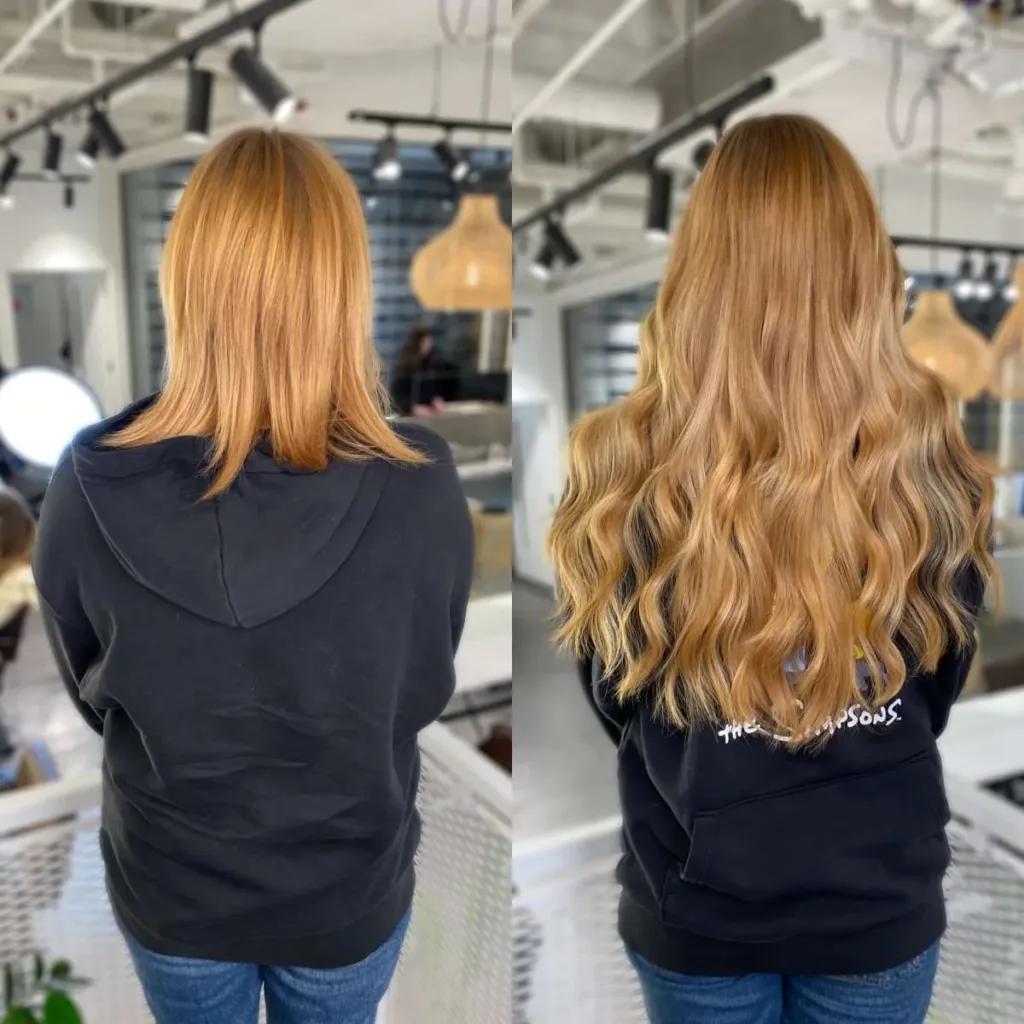
Full cuticle hair extensions are the best because they keep more of the hair’s natural structure. That gives better softness, better movement, less tangling, better longevity, and better value for premium salons and brands.
I think the strongest point here is not just softness on day one. It is softness over time. Low-grade hair can feel smooth at first because of silicone coating or heavy surface treatment. But after washing, that artificial feel often drops away. Full cuticle hair usually performs better because the quality is deeper, not only on the surface.
I also look at tangling and dryness. These are two of the biggest problems in the extension world. Hair that loses smoothness too quickly becomes difficult for the client and stressful for the salon. Full cuticle hair usually holds up much better in this area because the hair fiber has more natural protection.
Then there is durability. Better cuticle condition supports better lifespan. This matters for tape-ins, wefts, keratin hair, and temporary products too. If the hair is full cuticle grade, it often keeps its value through more wearing time and more service cycles.
From a business angle, better grade hair supports better trust. A salon owner can charge with more confidence. A stylist can recommend the service more comfortably. A brand can position itself at a higher level. A wholesaler can reduce after-sales problems.
Why it performs better
- stronger natural structure
- less need for harsh correction
- smoother feel after washing
- better resistance to tangling
- longer useful life
- stronger premium value
| Quality factor | Full cuticle hair | Lower-grade hair |
|---|---|---|
| Softness | More stable | Often drops faster |
| Tangling resistance | Better | Weaker |
| Shine | More natural | Often more coated |
| Durability | Longer | Shorter |
| Reuse potential | Higher | Lower |
What types of full cuticle hair extensions are best to get?
Some buyers look for one perfect method, but I do not think method alone decides the answer. Hair quality comes first. Method comes second.
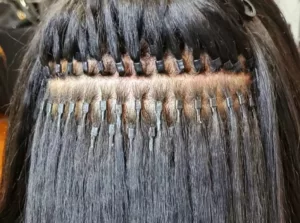
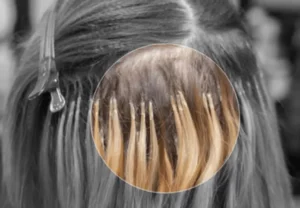
The best types to get are full cuticle versions of the extension methods that fit the client’s needs. Tape-ins, hand tied wefts, genius wefts, keratin hair, I tip hair, nano ring hair, clip-ins, and halo hair can all be strong choices when the hair itself is true full cuticle grade.
I think this is where many buyers make mistakes. They ask whether tape-ins are better than wefts, or whether keratin is better than clip-ins. But if the hair itself is poor, the method cannot fix that. A low-grade genius weft is still low grade. A low-grade tape-in is still low grade.
For salon owners, hand tied wefts and genius wefts are often very strong choices because they fit luxury services well. Tape-ins are a strong choice for faster, flatter installs. Keratin hair and I tip hair give more strand-by-strand placement flexibility. Temporary products like clip-ins and halo hair can also be premium when the hair material is right.
So my answer here is simple. The best type is the one that combines true full cuticle quality with the right method for the client or business model.
Common premium types in full cuticle grade
- tape in hair
- invisible tape in hair
- hand tied wefts
- genius wefts
- flat wefts
- U tip hair
- I tip hair
- nano ring hair
- clip-ins
- halo hair
| Extension type | Why buyers choose it | Can it be top grade? |
|---|---|---|
| Tape-ins | Fast install, flat finish | Yes |
| Hand tied wefts | Luxury feel, thin result | Yes |
| Genius wefts | Thin and flexible | Yes |
| Keratin hair | Precise placement | Yes |
| I tip / nano ring | No glue, detailed work | Yes |
| Clip-ins | Easy wear and removal | Yes |
| Halo hair | Temporary and gentle use | Yes |
How long can the best grade of hair extensions last?
Many buyers connect hair grade with lifespan, and they should. The better the grade, the better the long-term performance usually is.
The best grade of hair extensions, which is full cuticle hair, can often last 1 to 2 years with proper care. Different extension methods may have different move-up cycles, but the total usable hair lifespan is often similar when the grade is full cuticle.
I think it is important to separate two ideas here. One is maintenance timing. The other is total hair lifespan. They are not the same.
Tape-ins may need move-up around every 6 to 8 weeks. Hand tied wefts and genius wefts may need maintenance around 6 to 10 weeks. I tip and nano ring hair may need move-up around 8 to 12 weeks. U tip hair may stay in place around 3 to 4 months. But if all of these are made from real full cuticle hair, the actual hair can often stay usable for 1 to 2 years.
This is one more reason why I keep returning to grade first. The best grade gives long value across different methods. The method changes the schedule. The grade changes the real long-term result.
| Method | Move-up or wear cycle | Full cuticle hair lifespan |
|---|---|---|
| Tape-ins | 6–8 weeks | 1–2 years with proper care |
| Hand tied wefts | 6–10 weeks | 1–2 years with proper care |
| Genius wefts | 6–10 weeks | 1–2 years with proper care |
| I tip hair | 8–12 weeks | 1–2 years with proper care |
| Nano ring hair | 8–12 weeks | 1–2 years with proper care |
| U tip hair | 3–4 months | 1–2 years with proper care |
| Clip-ins | Removed after each wear | 1–2 years with proper care |
| Halo hair | Removed after each wear | 1–2 years with proper care |
Are full cuticle hair extensions worth the higher price?
Some buyers hesitate because better grade hair usually costs more. That is understandable. But I think the smarter question is about value, not only price.
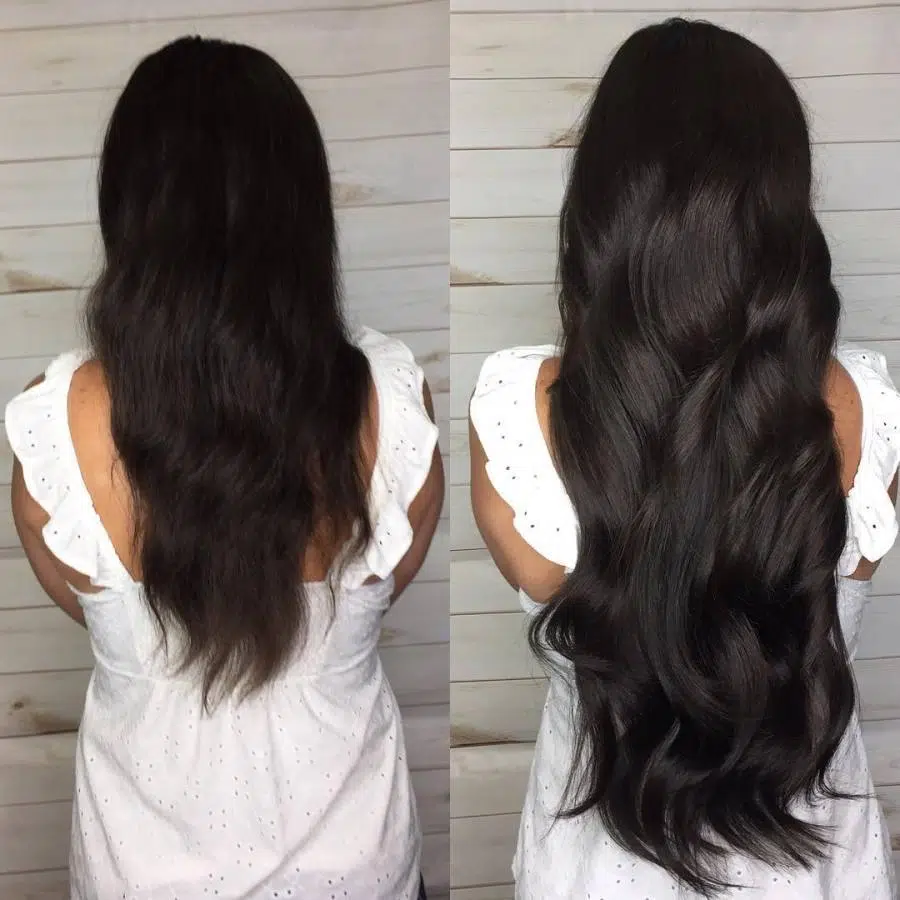
Yes, full cuticle hair extensions are worth the higher price when the goal is premium salon work, stronger client satisfaction, fewer complaints, and longer-term use. Better grade hair costs more because it gives more.
I always look at this from a business angle. Cheap hair may look attractive at first. But if it tangles, dries out, or disappoints the client, the real cost comes later. It appears in complaints, replacement pressure, refunds, wasted time, and lost trust.
Full cuticle hair usually lowers those risks. It stays better longer. It supports better install results. It also helps premium salons and brands maintain a stronger image.
That is why I do not think of full cuticle hair as only “more expensive hair.” I think of it as better-value hair for the right market.
| Lower-grade hair | Full cuticle hair |
|---|---|
| Lower upfront price | Higher upfront price |
| Shorter useful life | Longer useful life |
| More complaint risk | Lower complaint risk |
| Harder to support premium image | Stronger premium positioning |
| Lower repeat confidence | Better long-term business value |
My opinion
In my view, the answer to this title should be direct. The best grade of hair extensions is full cuticle hair extensions. That is the answer I trust because it is based on the real structure and condition of the hair, not only on a market label.
I do think the grade label topic matters. Buyers should know that 12A, 10A, and 7A are not one official global standard. Those labels are used more as supplier-defined ranking language, and they are seen more often in parts of the wig and bundle market. But for professional extension buying, I believe raw material and processing language tells the truth more clearly.
That is why I always come back to full cuticle hair. It is the highest standard because it reflects what the hair actually is. For salon owners, wholesalers, and premium brands, that is far more useful than chasing the biggest number on a supplier sheet.
FAQ
What is the best grade of hair extensions?
The best grade of hair extensions is full cuticle hair extensions because they offer the best softness, durability, and long-term performance.
Is 12A hair the best quality?
Not necessarily. 12A is usually a supplier-defined label, not one fixed industry-wide standard.
Why do some suppliers use 10A, 12A, and 7A?
They often use these labels to separate product lines, especially in parts of the bundle and wig market.
Is full cuticle hair better than Remy hair?
Yes, in most premium extension cases. Full cuticle hair usually preserves the cuticle more completely.
Which extension methods can be top grade?
Tape-ins, wefts, keratin hair, I tip hair, nano ring hair, clip-ins, and halo hair can all be top grade when made from true full cuticle hair.
Conclusion
The best grade of hair extensions is full cuticle hair extensions, because true premium quality comes from the real hair structure, not from a supplier-created number label.
where to buy the Best Grade of Hair Extensions
Hibiscus Hair Manufacturer has been dedicated to producing the best-grade hair extensions for 25 years and is a recognized leader in the industry. If you are interested in finding a reliable hair extensions supplier and wholesale for your brand, please visit our website for more information: