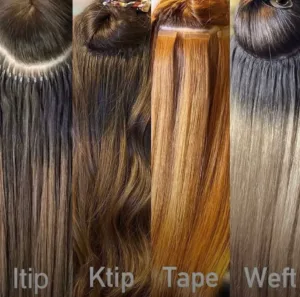
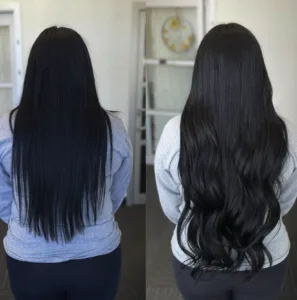
Choosing between weft and tape-in extensions can feel confusing when every client needs something different. I help salons, stylists, and wholesalers understand the real differences so choosing the right system becomes simple. Which one opens to longer-lasting results? Which one is best for your client’s hair type—or your wholesale line?Whether you want a stronger hold or fast installs, you will find clear guidance here.
Weft extensions are sewn or beaded in for strong hold and long-term wear, ideal for clients who need fullness. Tape-ins use adhesive tabs for fast, flat installs and work well for fine hair or quick services. A newer option, tape in weft extensions, offers a balance of speed and volume.
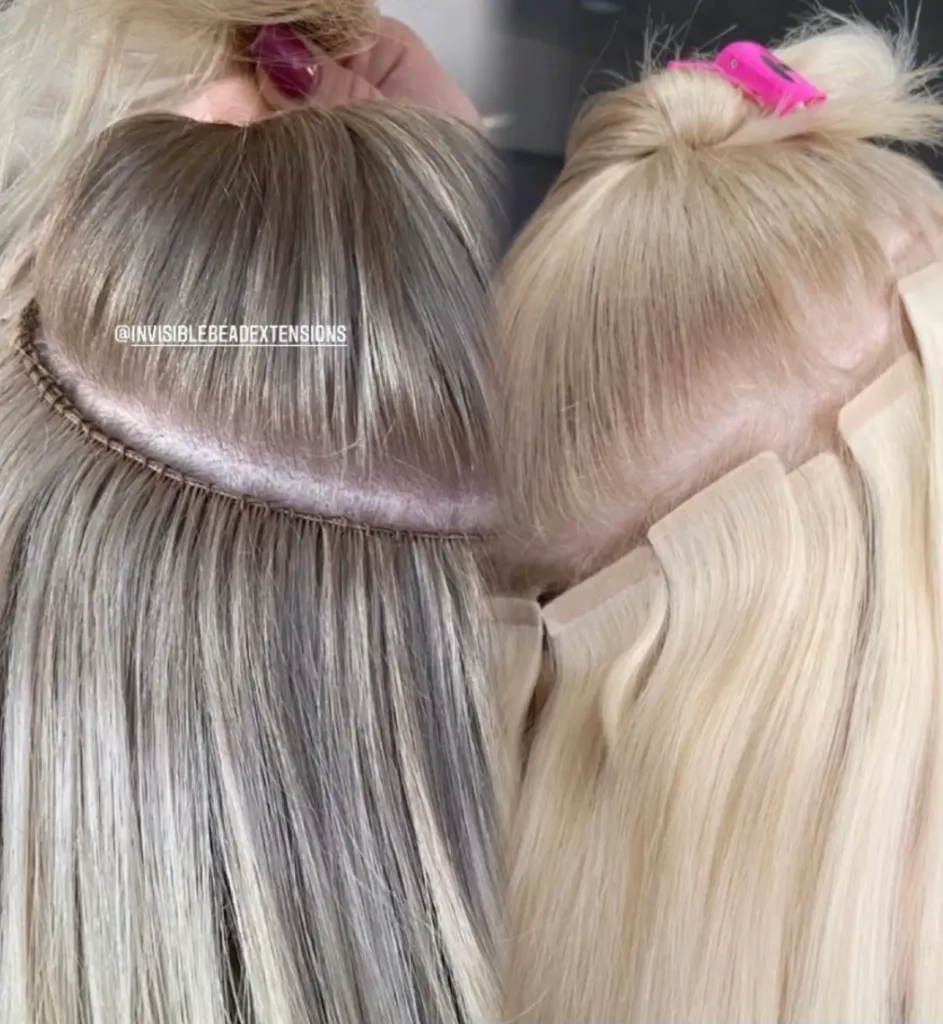
Each method has clear advantages depending on your clients and your workflow. Below, I break down the key differences, real salon use cases, and a full comparison including the newer tape-in weft hybrid. These insights help you choose the best system for your clients or your brand.
What Are Weft Hair Extensions?
When your clients need durable, luxurious length, wefts are a top-tier choice. But that doesn’t mean they’re right for every situation.
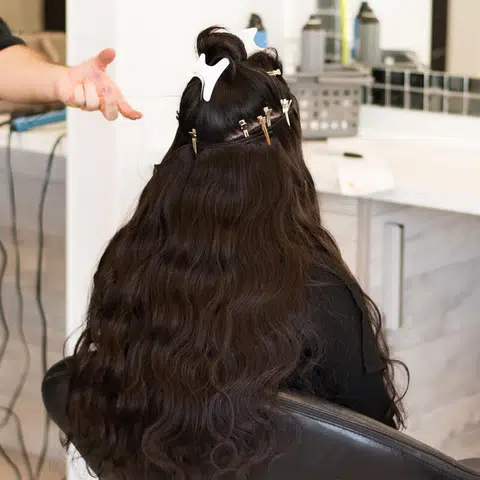
Weft extensions are horizontal tracks of hair sewn or sealed together at the top, typically applied using sewing (braided), beading, or gluing methods.

Understanding the Weft Category
Let’s break it down into more detail, because not all wefts are created equal:
Types of Weft Extensions
| Weft Type | Description | Best For |
|---|---|---|
| Machine Weft | Thick seam, highly durable, best for double-row installations | Coarse or dense hair |
| Hand-Tied Weft | Ultra-thin, tied by hand, lays flat against the scalp | Fine to medium hair, invisible results |
| Genius Weft | Cuttable, seamless, no return hair | Clients with sensitive scalps or fine hair |
| Flat Weft | Hybrid between machine and hand-tied | Stylists who want flexibility and ease |
Wefts are versatile. They allow custom installations, from full head volume to spot-coverage for thickness.
What Are the Cons of Weft Extensions?
While they’re strong and durable, wefts are not always beginner-friendly:
- Installation takes longer. Especially hand-sewn techniques.
- Some tension risk. If applied incorrectly, they may stress the scalp.
- Not ideal for ultra-fine hair. May slip or be too heavy without proper anchoring.
- Maintenance requires skill. Regular tightening and check-ins are a must.
How Much Do Wefts Typically Cost?
For salons and professionals, cost is a strategic factor:
- Wholesale: $200–$300 per 100g of full cuticle weft hair, depending on the length and grade.
- Retail: $300–$600+ installed (including stylist service fees).
- Reusability: About 1 year with proper care (full cuticle quality like Hibiscus Hair offers longer reuse).
When budgeting, don’t just think about purchase price—consider lifespan, reusability, and client satisfaction.
What Are Tape In Hair Extensions?
If speed and flexibility matter most in your service flow, tape-ins deserve your attention.
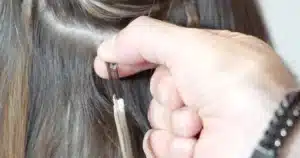
Tape-in extensions use pre-taped hair strips installed using a “sandwich” method—one piece above and one below the natural hair strand.

Why Stylists Love Them
- Install in less than an hour
- Lightweight and comfortable
- Perfect for clients who want temporary length or volume
- Easy to re-tape and reapply
Popular Tape-In Types
| Tape-In Type | Features | Ideal Use |
|---|---|---|
| Classic Tape | Widely used, affordable, reusable | General salon services |
| Invisible/Injection | Hair injected into PU for scalp-like appearance | Hairline areas or discreet installs |
| Wide Tape | Stronger hold, more hair per section | Quick installs and long-lasting wear |

What Are the Cons of Tape-In Extensions?
Every system has trade-offs. With tape-ins, keep these in mind:
- Tapes can slip if not installed on clean, dry hair
- Avoid heavy oils. Oils and serums near the tape degrade the bond
- Shorter lifespan. Typically last 6–8 weeks per install, even with great care
- May show under thin hair. Unless you choose invisible tape types
How Much Do Tape-Ins Typically Cost?
- Wholesale: $200–$300per 100g for full cuticle tape-in sets.
- Retail: $250–$500+ installed
- Maintenance: Every 6–8 weeks move-up, re-tape every 2–3 uses
In markets like the USA, where stylists charge for service and hair separately, tape-ins offer attractive margins for salons and online stores.
Are Tape or Weft Extensions Better?
Let’s break down the wefts vs tape-ins question by comparing the key factors that matter to professionals like you.
Comparison Table: Weft vs Tape In Hair Extensions
| Factor | Weft Extensions | Tape-In Extensions |
|---|---|---|
| Installation Time | 1.5–3 hours | 45–60 minutes |
| Skill Level | Intermediate to advanced | Beginner to intermediate |
| Longevity | 6–10 weeks per install, reusable up to 2 years | 6–8 weeks per install, reusable 2–3 times |
| Comfort | Seam can be bulky if not placed correctly | Lays flat and light on the scalp |
| Hair Type Fit | Best for medium to thick hair | Works well for most types, esp. fine hair |
| Reusability | Very high with full cuticle quality | Moderate; tape weakens after reuse |
Which One Should U Choose?
- Salon owners: Wefts offer professional value, perfect for branding owners.
- Mobile stylists or newer techs: Tape-ins provide speed and simplicity.
- Wholesalers and brands: Offer both to serve different segments. Tape-ins sell better online. Wefts shine in salon settings.
Do the Kardashians Use Tape In Extensions?
Yes, and more. Celebrities like Kim Kardashian often use a mix of extension types—tape-ins for fullness around the face and wefts or keratin tips for long-term density. The key is blending methods for the perfect red carpet look.

Are Tape-Ins Cheaper Than Wefts?
On same quality hair, yes. Tape-ins are cheaper upfront,because of the fast installation. But wefts need longer time to install and move up, so the labor cost is higher than tape in hair.
Are Wefts Bad for Thin Hair?
Not necessarily—but it depends on the installation method. Hand-tied wefts or genius wefts work well on fine hair when applied with care. Machine wefts, on the other hand, may be too bulky or cause traction stress.

What are tape in weft hair extensions?
Tape-in weft hair extensions combine features from both tape-ins and traditional wefts. They give flat and fast application like tape-ins while offering the fullness and longer wear of a weft. This hybrid method is becoming popular in 2025 because many stylists want a balance between speed, comfort, and durability.
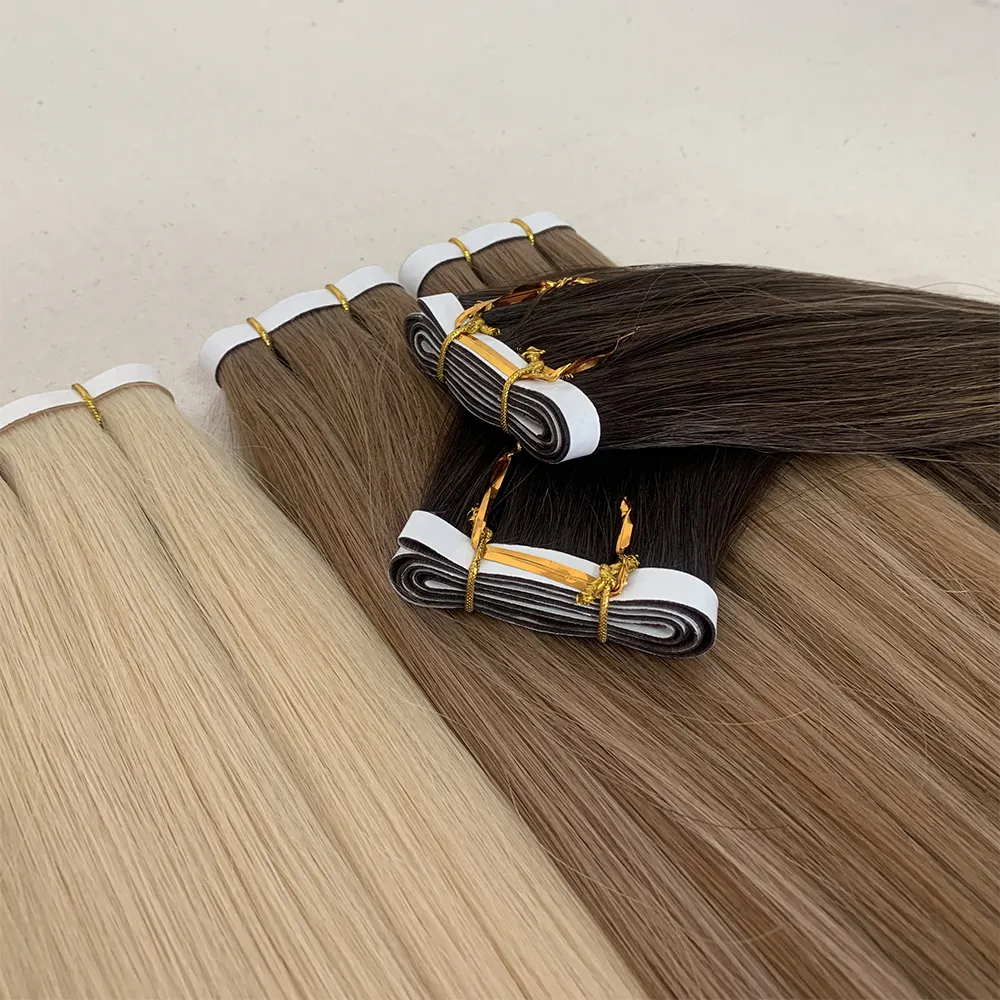
Tape-in weft extensions use a thin weft track with pre-attached tape adhesive. I see stylists choose them when they want stronger hold than classic tape-ins but less bulk or tension than machine wefts. They work well for fine and medium hair clients who want volume without heavy weight. This hybrid structure allows clean blending, flexible movement, and reliable retention during daily wear. Many salons now add tape-in wefts because they shorten installation time without sacrificing hold strength.
Key Benefits
- Faster installation than sew-in wefts
- Stronger hold than traditional tape-ins
- Low tension for sensitive clients
- Reusable with re-taping
- Good for fine to medium hair
- Ideal for stylists who want a flexible extension type
Tape-In vs Weft vs Tape-In Weft Comparison
Below is a clear comparison of the three systems. This helps stylists and wholesalers understand when to choose weft extensions, tape-in extensions, or the newer tape-in weft hybrid.
Comparison Table
| Feature | Weft Extensions | Tape-In Extensions | Tape-In Weft Extensions |
|---|---|---|---|
| Install Time | 2–3 hours | 45–90 minutes | 30–45 minutes |
| Best For | Fullness and long-term wear | Quick installs and fine hair | Balanced needs (speed + volume) |
| Hold Strength | Very strong | Medium | Medium |
| Tension Level | Medium | Low | Low |
| Reusability | High | Medium | Medium–High |
| Seam Visibility | May show if placed wrong | Very discreet | Discreet |
| Skill Level | Intermediate–Advanced | Beginner–Intermediate | Intermediate |
Tape-in weft extensions sit in the middle of both systems. They offer better retention than tape-ins while avoiding the bulk or longer installation time of sew-in wefts. Many wholesalers now include tape-in wefts in their catalog because this category meets the needs of clients who want discreet roots, flexible wear, and easy maintenance.
Why Hibiscus Hair Is Different from Other Factories
Hibiscus Hair stands out because we begin with full cuticle, single-donor hair material for a pack. This gives a longer lifespan, softer texture, and better color retention. Many factories mix hair from many donors or remove cuticles with acid, which makes it smooth only in the beginning. After a few washes, that hair becomes dry and tangled. Because we keep the cuticle intact, the hair stays soft even after months of wash and wear.
I work with many salons and wholesalers that need a stable supply every month. They want the same grams, same color, and same softness across every batch. We follow strict sorting and production rules to keep each order consistent. Many UK stylists now work with us because they want full cuticle quality for wefts, tape-ins, and keratin tips to reduce customer complaints and build repeat clients. A reliable factory partner is important for any long-term brand.
FAQs
Q: Can I sleep with tape-in extensions?
A: Yes, just tie your hair in a loose braid to avoid tangling.
Q: How often should I move up my wefts?
A: Every 6–8 weeks depending on your client’s hair growth.
Q: Are full cuticle wefts really better?
A: Absolutely. They reduce tangling, hold color better, and can be reused for up to 1 year.
Q: Do I need heat to install tape-ins?
A: No, they’re pre-taped and require no heat tools—just clean prep and proper pressure.
Q: Is wide tape better than regular tape?
A: Wide tape offers a stronger hold and faster installs. It’s ideal for thicker or longer wear clients.

My Opinion
We’ve produced with both systems for hundreds of wholesalers and get feedbacks. If you’re building a professional brand, I recommend starting with hand-tied or genius wefts for luxury and longevity, especially when sourcing full cuticle hair from factories like ours. But tape-ins remain a strong performer in e-commerce and quick-service salon models.
Conclusion
Wefts, tape-ins, and tape-in wefts all work well when matched to the right client. Focus on hair type, install speed, and long-term goals to make the best choice. Quality always matters most, so choose full cuticle hair for the best results.
Hibiscus Hair Manufacturer has been dedicated to producing high-quality hair extensions for 25 years and is a recognized leader in the industry. If you are interested in finding a reliable hair extensions supplier and wholesale for your brand, please visit our website for more information: