You want longer, fuller hair, but you do not want a method that feels obvious or hard to manage. Tape ins and microlinks both look great, but they do not fit every hair type the same way.
Tape ins often suit fine to medium hair that needs a flat, blended finish. Microlinks often suit medium to thick hair that can handle small bead points and regular move-ups. Your scalp oil, density, and daily styling habits decide the best match.
If you feel stuck because both methods look “good online,” you are not alone. The real answer sits in the details: your roots, your density, your wash routine, and how you like to wear your hair. Let’s walk through it in a clear way.
Tape Ins vs Microlinks: What Are They?
You might hear many names and feel confused. That is normal. Tape ins and microlinks are two different attachment systems. They behave differently on your scalp and hair.
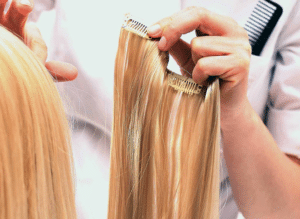
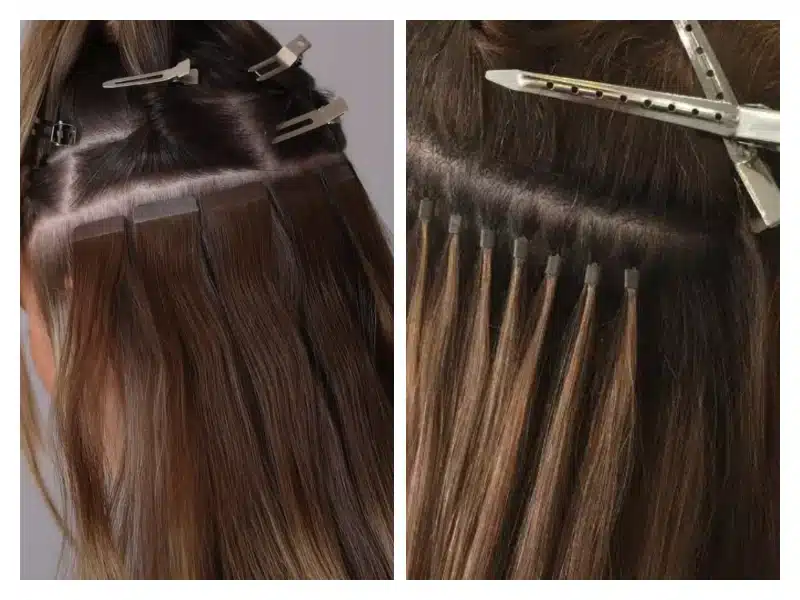
Tape ins use adhesive tabs that attach to your natural hair in a sandwich pattern. Microlinks use small beads or rings that clamp hair together, either as strands or as weft rows.
Dive deeper
You do not need to memorize technical words. You only need to understand what touches your hair and how it holds.
Tape ins in simple words
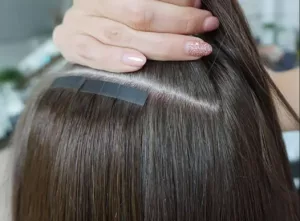
Tape ins are pre-made hair pieces with a tape tab at the top. Your stylist places your natural hair between two tape tabs. Then the tabs press together. The bond is flat. That flat shape is why tape ins often feel smooth under your hair.
Tape ins usually work well when you want fast installation and a sleek finish. Still, tape is an adhesive system. Adhesive systems dislike oil and heavy residue near the bond area. If your scalp gets oily fast, you need to be careful with product placement.
Microlinks in simple words
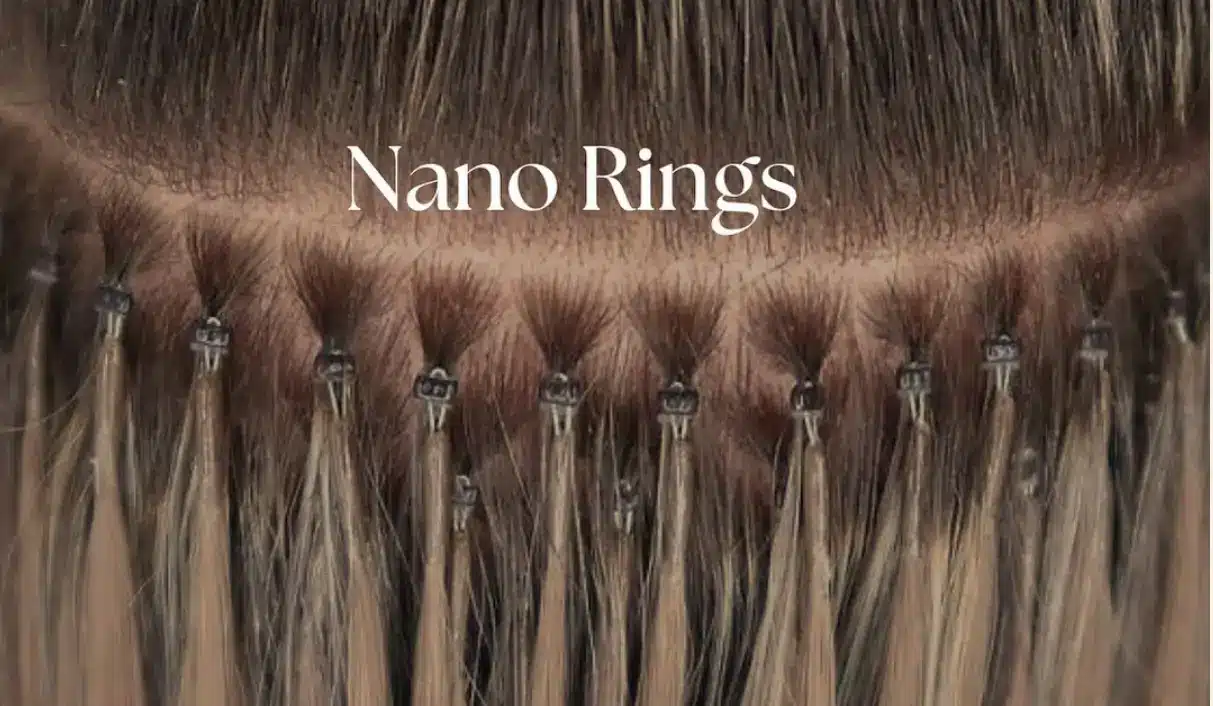
Microlinks are also called micro beads, micro rings, or microlink extensions. The bond is a small bead that clamps hair. Some microlinks are strand systems. Some microlinks are beaded weft systems. Your stylist inserts hair into the bead and clamps it. The hold is mechanical, not sticky.
Microlinks often feel different because the bead is a small point, not a flat tab. Many clients get used to it quickly. Some clients feel it more on the pillow at first.
Why this definition matters for your hair type
Your hair type decides how much cover hair you have, how much oil you produce, and how much tension your roots tolerate. Tape ins spread contact across a wider tab. Microlinks concentrate contact at bead points. That is why “best method” is not universal.
This table makes the structure clear:
| Method | What holds the hair | What it feels like at the root | Main thing it dislikes |
|---|---|---|---|
| Tape ins | Adhesive tabs | Flat and smooth | Oil, heavy residue, poor cleanup |
| Microlinks | Small beads/rings | Small points | Overgrowth, matting, strong pulling |
If you are choosing between tape ins vs microlinks, you are choosing between a flat adhesive bond and a small clamped bond. That is the core difference.

Installation and Remove: What Should You Expect?
You might be asking a simple question: which one is easier? The honest answer depends on your stylist’s skill and your schedule. Tape ins are usually faster to install and remove. Microlinks often take more time, but they can feel very flexible once you get used to them.
Tape ins are installed by placing adhesive tabs around a thin section of hair. Microlinks are installed by clamping beads onto hair, either strand by strand or along a weft row. Removal is also different: tape needs remover solution, microlinks need bead opening.
Dive deeper
If you want a good experience, you should understand what happens during install and removal. This helps you avoid surprises and helps you ask better questions before booking.
Tape ins installation and removal
Tape ins installation often follows this flow:
- Your stylist sections your hair into clean rows.
- Your stylist places a tape tab under a thin slice of hair.
- Your stylist places a second tape tab on top and presses them together.
- Your stylist checks alignment and spacing for comfort and blending.
Removal often needs a specific remover. The remover breaks the adhesive bond. Then the tape slides apart. After that, the hair needs cleanup. If the cleanup is rushed, residue can stay behind. Residue can cause tangling. That is why “removal quality” matters as much as “install quality.”
Tape ins usually feel fast and neat in the chair. The risk is in shortcuts. If the stylist places tape too close to the scalp, you may feel tightness. If the stylist places tape too close to the hairline, you may see tabs when you move your hair.
Microlinks installation and removal
Microlinks installation can be:
- strand microlinks (beads + individual strands)
- beaded weft rows (beads + a weft)
The flow often looks like this:
- Your stylist sections hair carefully and chooses bead size.
- Your stylist threads your hair and the extension into the bead.
- Your stylist clamps the bead with a tool.
- Your stylist checks tension and direction so beads do not flip.
Removal is usually cleaner in one way because there is no adhesive residue. Your stylist opens the beads and slides them out. Still, microlinks can collect shed hair near the beads or rows. That shed hair needs to be released during maintenance. If it is ignored, matting can happen.
What you should ask before booking
You can ask these simple questions:
- How long does install take for my hair density?
- How often do I need move-ups?
- What will removal look like and how long will it take?
- What problems do you see most with my hair type?
This table gives you a quick view:
| Topic | Tape ins | Microlinks |
|---|---|---|
| Install speed | Often faster | Often slower |
| Removal style | Solvent + cleanup | Open beads + slide out |
| Mess risk | Adhesive residue | Shed hair matting risk |
| Skill sensitivity | Placement + cleanup | Tension + sectioning |
If you want a smoother experience, choose the method that matches your schedule and your tolerance for maintenance.

Which Hair Types Usually Do Better With Tape Ins?
You might love tape ins because they look flat and natural. Still, tape is not perfect for everyone. Your scalp oil level and hair density decide if tape stays clean and secure.
Tape ins often fit fine to medium hair, especially when you want a flat root area and quick installs. They can be less ideal for very oily scalps or clients who love heavy root products.
Dive deeper
If you have fine hair, you usually care about two things: visibility and weight. Tape ins can help because the bond lies flat. That means less bump. It can look smooth under the top layer when placement is correct.
Tape ins tend to fit you if:
- You have fine to medium density hair
- You want a flatter feel at the root
- You wear your hair down often
- You like faster maintenance appointments
- You do not use heavy oils near your scalp
Tape ins can be tricky if:
- Your scalp gets oily fast
- You sweat heavily and wash very often
- You use scalp oils, thick serums, or heavy conditioners near roots
- You have very thin perimeter hair and want high ponytails daily
Tape bonds need a clean and stable area. Oil and residue reduce grip. If you have oily roots, you can still wear tape. You just need strong aftercare habits. You also need correct placement. Tape should not be placed too close to the scalp. You need a small gap so it moves naturally.
What “good tape placement” feels like
Good tape placement feels secure but not tight. Your scalp should not feel pinched. Your tape should not feel like it is “pulling” when you turn your head. If you feel constant tension, placement may be too close or the section may be too thick.
Here is a quick match table:
| Your hair/scalp feature | Tape ins result | Why |
|---|---|---|
| Fine hair with good cover layer | Often very natural | Flat bond hides well |
| Medium density hair | Very stable | Enough hair to support tabs |
| Very oily scalp | Mixed | Oil can weaken adhesive hold |
| Very thin hairline | Mixed | Tabs can show in up styles |
| Very active lifestyle | Depends | Sweat + washing needs careful routine |
If you want tape ins to look premium, your aftercare must keep bonds clean and dry.
Which One Is More Invisible: Microlinks vs Tape Ins?
You probably care about invisibility more than anything. You do not want people to “see something.” Both methods can look invisible, but they hide in different ways.
Tape ins usually look more invisible at the root because the bond is flat. Microlinks can look extremely invisible when the bead size, placement, and cover hair are correct, but beads can show more on very fine hair.
Dive deeper
“Invisible” is not only about the bond. It is also about where you part your hair, how you style it, and your density at the crown and sides.
Tape invisibility strengths
Tape lies flat, so it blends well under a top layer. Tape works well for clients who wear hair down and want a smooth look at the root. Tape can be harder to hide if you do high ponytails often, because the tab area can be exposed near the sides if placement is not planned for ponytails.
Microlinks invisibility strengths
Microlinks can be very hidden because beads are small and can be placed in safe zones. If your hair density is medium to thick, beads can sit under cover hair easily. If your hair is very fine, beads may feel more visible in certain partings. Rotation can also expose beads if maintenance is delayed.
The real-life invisibility tests
You can think in these tests:
- Bright light test: sunlight shows structure faster than indoor light.
- Wind test: wind lifts the top layer and reveals hardware.
- Ponytail test: high ponytails pull cover hair away.
This table makes it practical:
| Situation | Tape ins | Microlinks |
|---|---|---|
| Hair worn down most days | Often very hidden | Often hidden if placed well |
| Bright light and thin cover hair | Usually better | Can show beads if too high |
| High ponytail daily | Can show tabs at sides | Can show beads at perimeter |
| Fine hair and center part | Often strong | Needs careful mapping |
| Medium-thick hair and movement styles | Strong | Strong |
If invisibility is your top goal, you should ask your stylist to plan placement around your part and your ponytail habits.
Which One Is Better for You: Microlinks vs Tape Ins?
You do not need a “perfect method.” You need a method that fits your hair type and your routine. That is the only way you get a comfortable wear cycle.
Tape ins often suit you if you want a flat bond and you can keep root products light. Microlinks often suit you if you want a non-adhesive system and you can commit to brushing and move-ups on time.
Dive deeper
Use two questions to decide faster:
1) What does your scalp do? Oily or balanced?
2) What does your hair give you? Fine cover or strong cover?
Then add your lifestyle:
- Do you work out a lot?
- Do you sleep roughly?
- Do you wear ponytails daily?
- Do you like hair oils near the scalp?
Choose tape ins more often if:
- You have fine to medium hair and you want a flat look
- You want faster salon appointments
- You wear hair down often
- You can keep oils away from the bond area
- You want a sleek blend and soft movement
Choose microlinks more often if:
- You have medium to thick hair and stable density
- You want to avoid adhesives
- You can maintain a strict detangling routine
- You can book move-ups on time
- You want flexibility with strand or weft options
If you have very fine hair
You can wear both, but placement becomes the deciding factor. Tape may look flatter. Microlinks may need smaller beads and safer placement. You should prioritize comfort and tension control.
If you have oily scalp
Tape can still work, but you need strong habits. Microlinks may feel easier because there is no adhesive to weaken. Still, oil can also reduce bead grip by increasing slip at roots, so root product control still matters.
This match table gives you a fast answer:
| Your profile | Better first option | Why |
|---|---|---|
| Fine hair, wants flat look | Tape ins | Flat bond hides well |
| Medium hair, balanced scalp | Either | Both can look natural |
| Thick hair, wants flexibility | Microlinks | Strong cover hides beads well |
| Oily scalp, heavy workouts | Microlinks | No adhesive bond to weaken |
| Loves scalp oils near roots | Neither without change | Root oils can weaken both systems |
If your habits do not match your method, problems feel “random.” They are not random. They are predictable.
How to Maintain them?
You do not need a long list of products. You need a clean schedule and a few rules that protect the bond zone. Maintenance is where results are won or lost.
Tape ins need clean removal, retaping, and correct reinstall timing. Microlinks need move-ups, bead checks, and shed-hair release to prevent matting. Both need proper brushing and fully dried roots.
Dive deeper
Maintenance is not only “going back to the salon.” It is also what you do daily at home. If you want a calm wear cycle, you need both parts.
Tape ins maintenance basics
Tape maintenance usually includes:
- removal with remover
- cleanup of adhesive
- retaping or replacing tabs
- reinstall
What you should watch for:
- sticky residue near roots
- tabs slipping lower
- tangling near the tab area
If you see residue, you should not scratch it out. You should book a cleanup. Rough removal can damage your natural hair.
Tape timing matters. If you wait too long, hair grows out and tabs sit lower. Then they can flip or show.
Microlinks maintenance basics
Microlinks maintenance usually includes:
- opening beads
- moving them up closer to the scalp
- reclamping with correct tension
- releasing shed hair near beads or rows
What you should watch for:
- beads rotating outward
- tight knots near the row line
- soreness in one area
- beads sitting very low from the scalp
If you wait too long, the beads have more leverage. That can create pulling and matting.
Daily habits that protect both
- Brush ends first, then move up
- Do not brush aggressively at the bond zone
- Keep heavy conditioner away from roots
- Dry the root area fully after washing
- Sleep with a loose braid or low ponytail
- Use satin pillowcase or bonnet to reduce friction
This maintenance chart keeps it simple:
| Area | Tape ins | Microlinks |
|---|---|---|
| Salon maintenance | Remove + clean + retape | Move-up + release shed hair |
| Biggest home risk | Oily products near tabs | Skipping detangling and row checks |
| Best daily habit | Keep bond zone clean and dry | Brush in sections + check nape |
| Timing trigger | Tabs flip or slide | Beads drop, rotate, or feel tight |
If you choose a method, you should also choose the lifestyle that supports it.
What Mistakes Make Both Methods Fail Faster?
You can have great hair and still get a bad experience. Small mistakes create big problems over time. If you avoid these, your result improves fast.
The biggest mistakes are sleeping with wet roots, using oils near the attachment zones, skipping daily detangling, delaying maintenance, and wearing tight high-tension styles too often.
Dive deeper
If you want your extensions to feel “easy,” you need to remove the habits that cause the same issues again and again.
Mistake 1: Sleeping with damp roots
Damp roots create knots. Knots tighten around attachments. This affects tape and beads. You should dry the root area before bed. If you cannot, you should at least dry the attachment zones.
Mistake 2: Putting heavy products near the bond zone
Tape bonds lose hold when oil reaches the adhesive. Beads can slip and rotate when hair is coated and soft. You can still use oils, but keep them on mid-lengths and ends.
Mistake 3: Brushing the wrong way
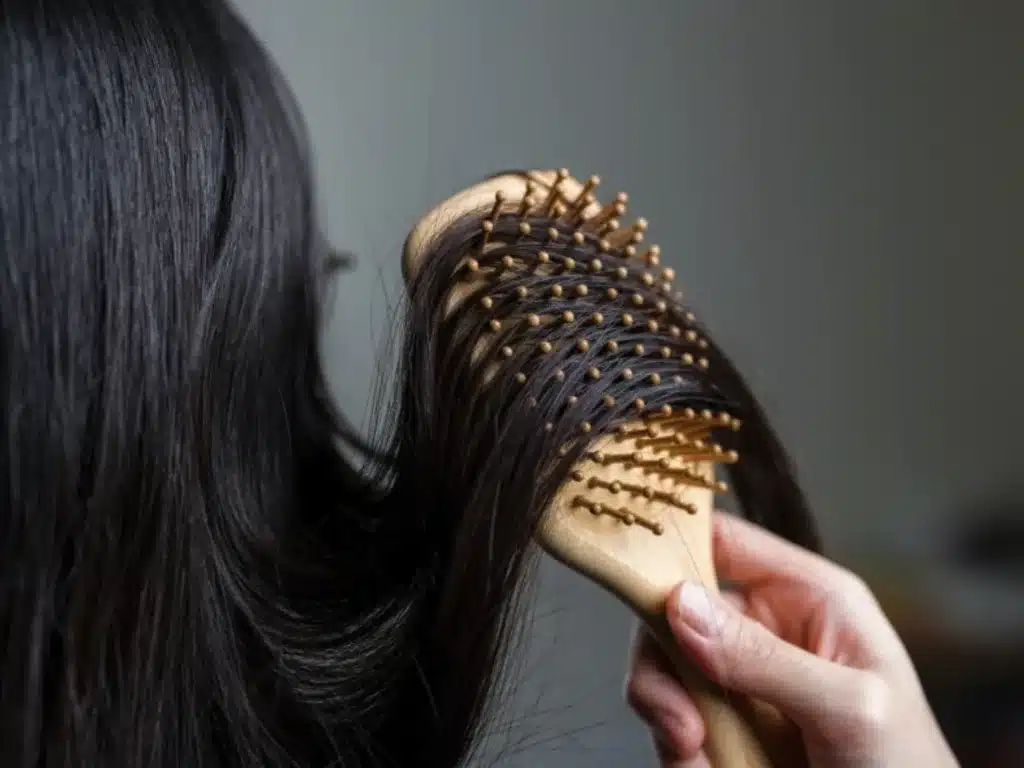
If you start brushing from the root, you pull on attachments. You should start at the ends. You should move up slowly. If you hit resistance, you should use fingers first.
Mistake 4: Waiting too long for maintenance
Overgrowth changes everything. Bonds drop lower. They pull more. They show more. They tangle more. You should book maintenance before pain or matting begins.
Mistake 5: Tight ponytails every day
Tight styles pull the perimeter. They also expose hardware. You can wear your hair up, but you should use low tension styles most days.
Here is a quick prevention table you can follow:
| Problem you see | What it often means | What you do next |
|---|---|---|
| Tape feels sticky | Residue buildup | Book salon cleanup, avoid picking |
| Tabs slipping | Oil or overgrowth | Clarify scalp, keep roots light, refit |
| Beads rotate | Overgrowth or tension | Book move-up, avoid pulling styles |
| Nape matting | Friction + trapped shed hair | Detangle daily, satin sleep, row check |
| Sore scalp | Too much tension | Loosen styles, book quick check |
If you follow this, your extensions stay comfortable and look more natural.
My opinion
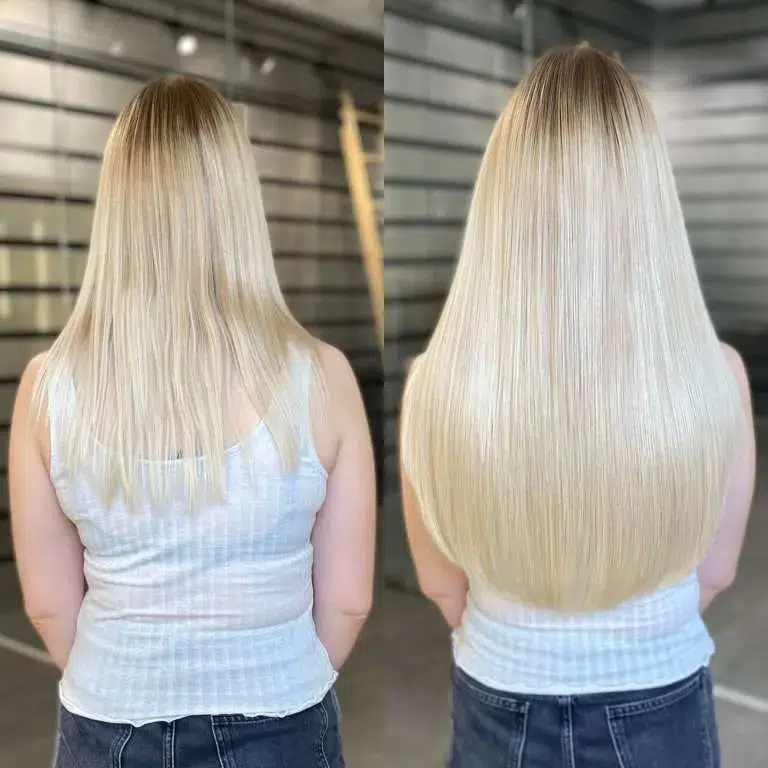
I see clients get the best results when they choose based on their hair type, not based on trends. Tape ins can look very clean on fine hair because the bond is flat. Microlinks can feel very flexible on medium to thick hair because the system is mechanical. Your care routine decides your outcome more than your method.
FAQ
Are tape ins or microlinks better for fine hair?
Tape ins often suit fine hair because the bond is flat and can hide well. Microlinks can still work, but bead size and placement must be very careful.
Which one lasts longer?
Both can last well. Tape ins usually need refit cycles. Microlinks usually need move-up cycles. Your maintenance timing controls longevity.
Which one is easier to remove?
Tape removal needs remover and cleanup. Microlinks removal needs bead opening. Many clients feel microlinks removal is cleaner because there is no adhesive residue, but time can be similar.
Can you swim with tape ins or microlinks?
You can swim with both. You should rinse after, detangle, and dry the root area well. Chlorine and salt can increase dryness in any extension hair.
Which one is more comfortable to sleep with?
Tape ins often feel flatter. Microlinks can feel bumpy at first. A satin pillowcase and a loose braid improve comfort for both.
Can you wear your hair up?
You can wear your hair up with both, but you should plan styles. High ponytails can expose tabs or beads near the perimeter. Low tension styles are safer.
What if you have oily scalp?
You can still wear both, but you need stronger root control. Many oily-scalp clients prefer microlinks because there is no adhesive bond to weaken.
What should you ask your stylist before choosing?
You should ask about placement mapping, maintenance schedule, and what problems they see with your hair type. You should also ask how they handle cleanup for tape or shed-hair release for microlinks.
Conclusion
Tape ins often fit fine-to-medium hair that wants a flat, blended root. Microlinks often fit medium-to-thick hair that can handle bead points and on-time move-ups. Your hair type and routine decide the best match.