Permanent hair extensions solve many clients’ problems, but many still feel unsure about which method is right for them. Some want longer hair, some want fullness, and some simply want confidence that lasts. When stylists understand permanent extensions clearly, it becomes easier to guide clients and build long-term trust.
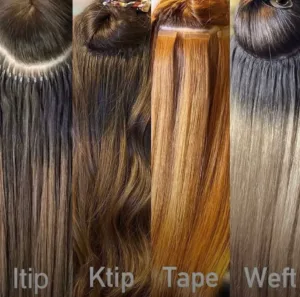
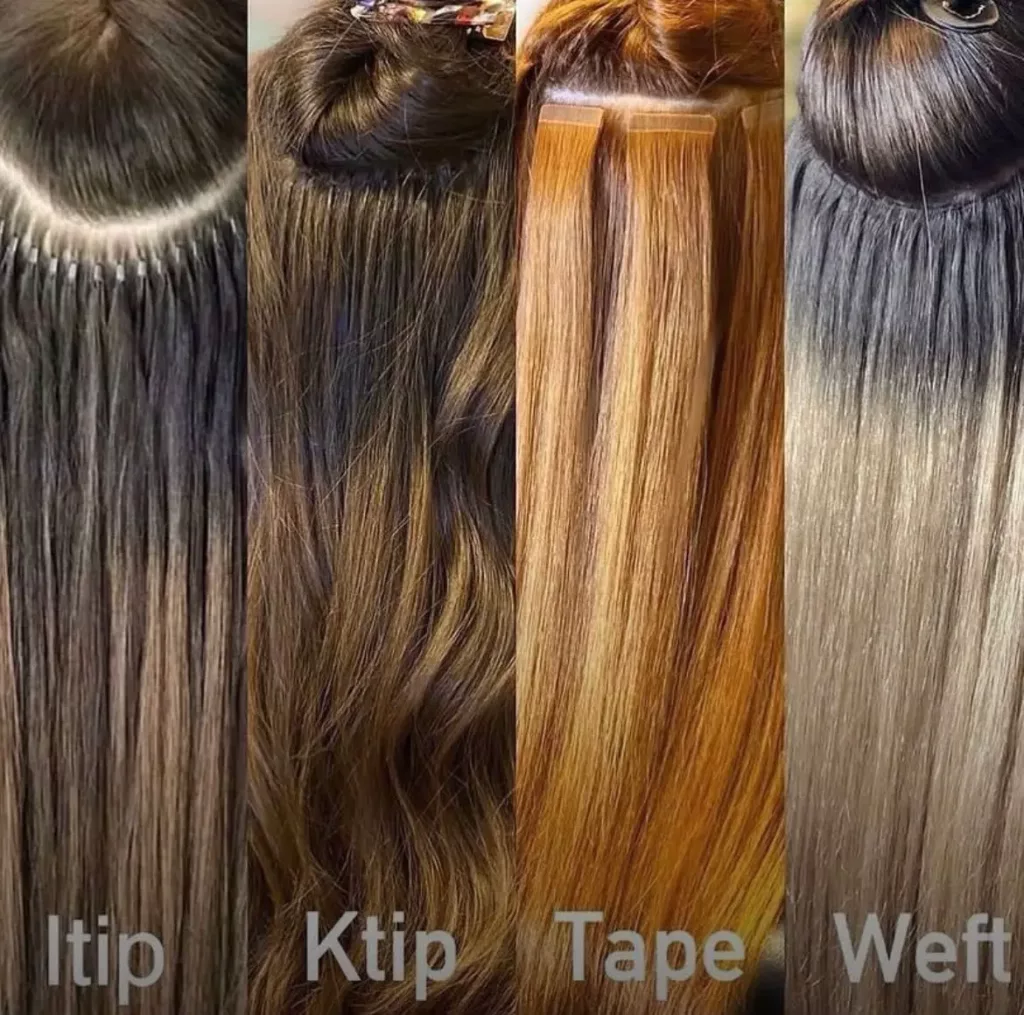
Permanent hair extensions include keratin fusion, micro bead, tape-in, and sewn-in weft systems.
Pros: Long-lasting results; natural movement; customizable placement; works for most hair types; discreet and flexible styling.
Cons: Higher installation time; requires professional skill; needs regular maintenance; can cause stress on hair if applied or cared for incorrectly.
Transitioning from short-lived solutions to permanent extensions is a big step for clients. As stylists, we must offer clear guidance about the options, results, and care routines. Let’s break down everything professionals need to know.
What are Permanent Hair Extensions?
Many clients want a long-term extension solution that blends naturally and stays secure through daily activities. Permanent hair extensions provide that stability when installed and maintained correctly.
Permanent hair extensions are semi-permanent methods applied by professional stylists to add volume, length, or texture. They stay in the hair for 6–12 weeks or longer, depending on the method. These methods include keratin fusion strands, micro bead extensions, tape-in extensions, and sewn-in wefts.
Permanent extensions are not “forever extensions”—they last for weeks or months before requiring maintenance. The goal is durability without compromising natural hair health. Stylists choose the method based on the client’s density, lifestyle, and styling habits. For example:
- Keratin fusion extensions blend well and move naturally.
- Micro beads offer a reusable method without heat.
- Tape-ins provide efficient installation and a flat surface.
- Sewn-in wefts give strong support for thicker hair types.
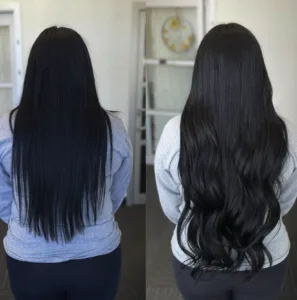
Permanent extensions are ideal for clients who dislike removing and reinstalling hair often. They benefit active clients, frequent travelers, and salon clients who prefer low daily maintenance. They provide 24/7 fullness, which temporary extensions cannot match.
Permanent methods also allow stylists to design the hair shape strategically. You can fill weak sides, rebuild the perimeter, or add length to even out uneven haircuts. Strand-by-strand systems create precise control, while wefts cover larger areas faster.
Stylists should always evaluate natural hair health, elasticity, and scalp condition before installation. Choosing the right weight, number of strands, and proper placement prevents tension and shedding. With the right technique, permanent extensions become one of the safest long-term solutions.
What are the types of Permanent Hair Extensions?
Permanent extensions come in several categories, each with different installation styles and long-term effects. Understanding these types helps stylists recommend the best method for each client.Permanent extensions typically fall into four major groups:
1. Keratin Fusion Extensions
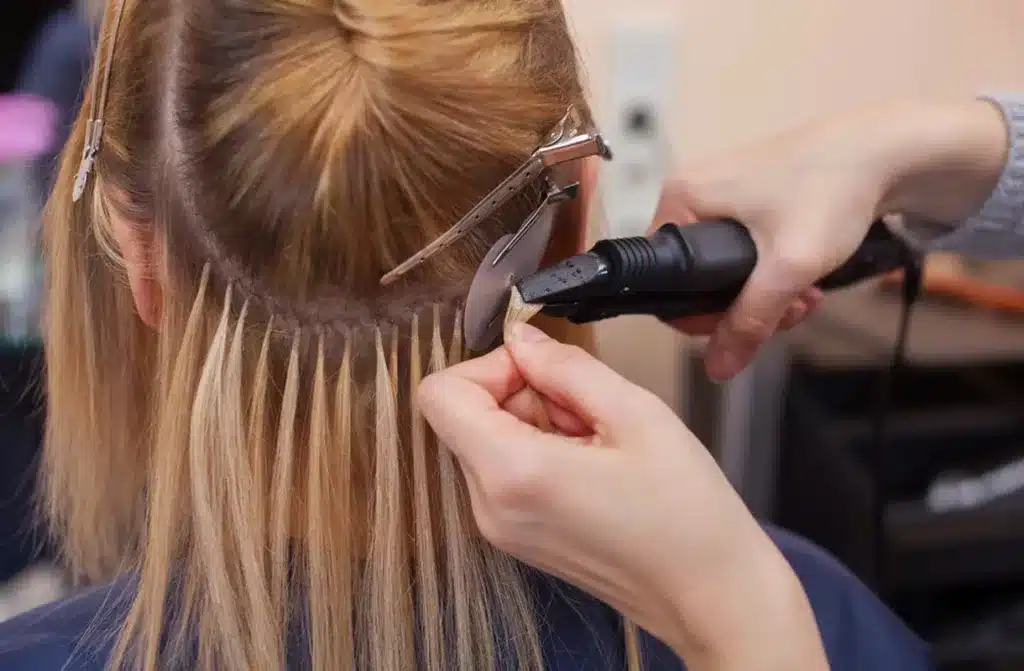
Keratin fusion extensions are individual strands tipped with keratin adhesive. They are applied with a heat tool that softens the keratin bond so it wraps around the natural hair.
They offer natural movement, discreet bonds, and long-lasting wear. They suit clients who want the most natural feel without visible attachment points.
2. Micro Bead Extensions
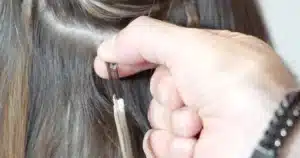
Micro bead extensions include I-tip and nano ring extensions. The stylist attaches each strand using tiny beads that secure the tip to the natural hair.
No heat is used, and the extensions can be reused. Nano rings offer the smallest and most invisible installation, ideal for fine-haired clients.

3. Tape-In Extensions
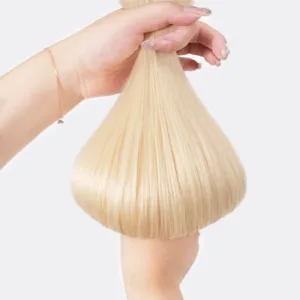
Tape-in extensions are pre-taped hair panels applied close to the scalp in a sandwich technique. Tape-in extensions lay flat, feel comfortable, and offer fast installation.
They are ideal for clients with fine or medium density who want a seamless look without bulk.

4. Sewn-In or Weft Extensions
Weft extensions—including hand-tied wefts, genius wefts, machine wefts, and butterfly wefts—are installed by sewing the weft onto a beaded or braided track.
This method suits medium to thick hair and creates dense volume quickly.

These categories cover almost all permanent extension needs—from natural movement to volume-building to speed and flexibility.
Pros and Cons of Permanent Hair Extensions?
Permanent extensions provide many benefits but also come with certain limitations. Stylists must balance both sides to guide clients.
Permanent hair extensions offer long-lasting volume, natural movement, and versatility. However, they require proper installation, routine maintenance, and careful at-home care to prevent damage.
Pros of Permanent Hair Extensions
1. Long-lasting fullness and length
Permanent extensions stay in the hair for weeks or months, giving clients reliable daily confidence.
2. Natural look and movement
Strand systems move freely and blend seamlessly when installed correctly.
3. Styling flexibility
Clients can curl, straighten, braid, and style freely without exposing attachment points.
4. Multiple methods to fit different needs
Fine hair, thick hair, active clients—there is a suitable method for each.
5. Great for correcting hair shape
Stylists can fill gaps, rebuild sides, or create balanced proportions.
Cons of Permanent Hair Extensions
1. Requires professional installation
Incorrect placement or tension leads to discomfort or damage.
2. Maintenance appointments needed
Most extensions require move-up sessions every 6–10 weeks.
3. At-home care responsibility
Clients must brush properly and avoid products that weaken adhesives.
4. Higher initial cost
But the long-term effect often makes it worthwhile.
Permanent extensions remain one of the most rewarding methods when applied and cared for correctly.
What are the healthiest permanent hair extensions?
Stylists often get asked which method is safest. The truth is that the “healthiest” method depends on the client’s hair type, density, lifestyle, and tolerance.
The healthiest permanent hair extensions are those installed with correct weight distribution, proper sectioning, and high-quality hair. Nano rings, I-tips, and lightweight keratin bonds are often considered gentle when matched correctly to the client’s hair.
No extension method is universally the healthiest. Instead, the safest option depends on proper placement and customization. For example:
- Fine hair often does best with nano rings or small keratin bonds.
- Medium density hair handles most methods well.
- Thick hair supports wefts and larger bonds.
The real “health factor” comes from:
- Weight matching
- Strand distribution
- Proper tension
- Regular maintenance
- Quality of the hair itself
- The client’s brushing and washing habits
Healthy installation and high-quality full cuticle extensions reduce shedding and prevent breakage. When stylists choose premium hair and correct technique, permanent extensions remain gentle and safe.

Are permanent hair extensions worth it?
Most clients want to know if the investment truly pays off. For many, the answer is yes.
Permanent hair extensions are worth it for clients who want long-lasting volume, styling freedom, and a consistent look every day. They provide natural movement, durability, and a lifestyle-friendly solution that temporary options cannot match.
Clients find permanent extensions worthwhile because:
- They save daily styling time.
- They improve confidence.
- They offer stability, even during sleep or workouts.
- They blend with natural hair better than clip-ins.
- They support better hair shape and fullness on the sides.
Clients should choose permanent extensions if:
- They want a long-term solution.
- They like waking up with perfect hair.
- They want natural movement, not temporary volume.
- They are willing to maintain the hair properly.
The value comes from confidence, daily convenience, and a polished appearance that lasts for months.
How to take care of permanent hair extensions?
Proper care determines longevity and prevents tangling or slipping.
You take care of permanent hair extensions by brushing gently, avoiding conditioner on the roots, washing with sulfate-free products, keeping heat off the bonds, and sleeping with hair secured.
Daily care
- Brush morning and night
- Hold roots while brushing
- Use a loop brush or soft-bristle brush
- Keep bonds clean and dry
Washing routine
- Wash 1–2 times per week
- Avoid heavy oils on the roots
- Apply conditioner only to mids and ends
- Rinse thoroughly between sections
Styling care
- Use heat protector
- Avoid heat directly on attachment points
- Keep temperatures moderate
Sleeping habits
- Braid or tie hair loosely
- Use silk or satin pillowcases
With proper habits, permanent extensions stay soft, manageable, and healthy for weeks or months.

My opinion
Permanent extensions remain one of the most customizable and elegant solutions in the salon industry. When salons choose high-quality full cuticle hair and apply the correct technique, the results stay beautiful and healthy. Good installation and good hair create loyal clients.
FAQ
1. How long do permanent hair extensions last?
Most last 6–12 weeks before moving up, the lifespan of hair depends on hair quality and maintenance.
2. Are permanent extensions damaging?
They are safe when installed correctly with proper weight distribution.
3. Which method is best for fine hair?
Nano rings or small keratin bonds.
4. Can clients wash their hair normally?
Yes, but only 1–2 times per week with sulfate-free shampoo.
5. Do permanent extensions fall out?
A few natural sheds are normal. Excess loss means improper care or installation.
6. Can clients swim with extensions?
Chlorine and saltwater weaken bonds. Not recommended.
7. Can extensions be reused?
Tape-ins, micro beads, and wefts often can. Keratin fusion usually cannot.
8. How many strands are needed?
100–200 for volume, 180–300 for full length.
9. Can clients color permanent extensions?
Only go darker. Never bleach.
10. Do permanent extensions hurt?
They should not. Any pain indicates tension issues.
11. Are permanent extensions good for active clients?
Yes. They remain secure through daily activity.
12. What products should be avoided?
Heavy oils, conditioners at the roots, and alcohol-based sprays.
13. Can clients use heat tools?
Yes, but avoid applying heat directly to bonds.
14. What age can clients start extensions?
Generally 16+, depending on hair health.
15. Do extensions cause headaches?
Only if installed too tight.
16. How often should maintenance occur?
Every 6–10 weeks depending on method.
17. Are permanent extensions good for very short hair?
Only when enough length exists for coverage—usually 3–4 inches.
18. Which method lasts the longest?
Keratin fusion typically lasts the longest before slipping.
19. Can permanent extensions add highlights?
Yes, they are excellent for color effects without chemicals.
20. Can permanent extensions fix uneven haircuts?
Yes, stylists often use strand-by-strand extensions to balance shape.
Conclusion
Permanent hair extensions offer long-lasting volume and flexibility for clients who want a natural and stable result. With proper installation and care, they remain one of the most dependable and customizable extension methods in the industry.
Hibiscus Hair Manufacturer has been dedicated to producing high-quality hair extensions for 25 years and is a recognized leader in the industry. If you are interested in finding a reliable hair extensions supplier and wholesale for your brand, please visit our website for more information: