Your micro bead extensions can feel amazing at first. Then one bad wash or one messy night can lead to slipping, tangles, or itchy roots. Do you want them to stay smooth and secure for weeks? The routine matters.
You take care of micro bead extensions by keeping the bead area clean and dry, using conditioner only on the lengths, brushing in sections, avoiding oils near the roots, sleeping with low friction protection, and booking move-ups on time.

Most “extension problems” are not random. They come from small habits. You can fix them fast once you know what to do. Let’s break it down step by step so your hair stays soft, neat, and easy.
What Are Micro Bead Extensions?
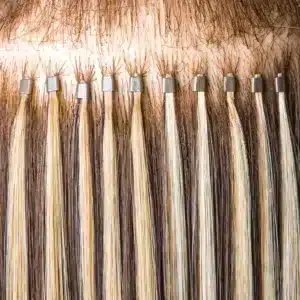
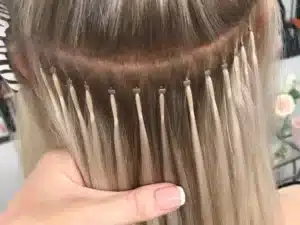
Micro bead extensions are hair extensions attached with small beads or rings that clamp onto your natural hair. There is no glue in the bead itself. In most cases, there is no heat either. Sounds simple, right? It is simple, but your care routine must protect the bead zone.
Micro bead extensions work best when you protect two areas: your root area around the beads, and your hair lengths that need moisture and gentle handling.
Dive deeper
If you understand what type you have, your aftercare gets easier. Many people say “micro beads” like it is one method. It is not always one method. You will usually see two formats.
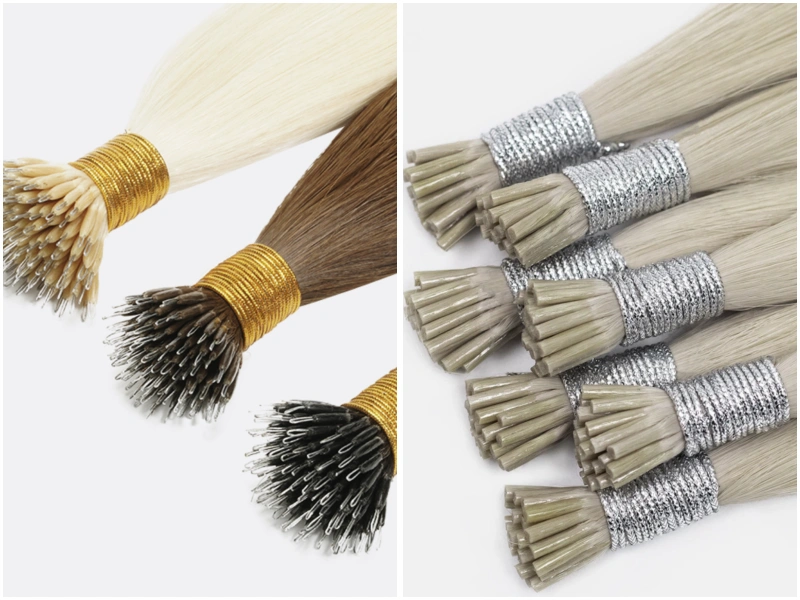
1) Strand-based micro bead extensions
These are single strands attached with beads. You may hear names like I tip. You may also hear nano tip with nano beads. Each strand has its own bead. That means you have many small attachment points.
What does that mean for you? It means your biggest risks are slipping and rotation.
- Slipping happens when oils and conditioners reach the bead zone.
- Rotation happens when a bead twists because the section was stressed, brushed too hard, or became oily.
If you notice beads turning outward, or beads showing more after a few weeks, rotation is often the reason.
2) Weft-based micro bead extensions
These are wefts installed in rows with beads. Your salon may call them beaded wefts or micro bead wefts. Common weft types include hand tied weft and thin machine wefts like genius weft. These can sit very flat when the row is clean.
What is your biggest risk here? It is matting along the row.
Your natural hair sheds every day. That shed hair can get trapped near the row. If you do not release it, it wraps and tightens into knots. You often feel this at the nape because jackets and collars rub there.

Micro beads are a mechanical bond. That matters. Mechanical bonds dislike oil, buildup, and friction. So your care is about clean roots, light products, and gentle control.
| Your micro bead type | What is attached | What usually goes wrong | What you focus on |
|---|---|---|---|
| Micro bead strands (I tip, nano tip) | Single strands | Slipping, rotation | Keep bead zone clean and dry, brush gently |
| Micro bead weft rows (hand tied, genius weft) | Weft rows | Matting at the row line | Daily detangling, weekly row checks, sleep protection |
If you are not sure which one you have, ask your stylist. That one question can save you weeks of frustration.
How to Take Care of Micro Bead Extensions?
You take care of micro bead extensions by following a simple system: brush before washing, wash your scalp gently, condition only your lengths, dry the bead zone fully, keep oils away from roots, and protect hair from friction at night.
If you want a routine that actually works in real life, keep it boring and consistent. That is what keeps beads stable.
Dive deeper
Do you want fewer tangles and less shedding panic? Then you need rules you can repeat on autopilot. Here is the care system many clients succeed with.
1) Brush like you are protecting the beads
How often should you brush? Most people need at least twice per day. If you wear hoodies, scarves, or coats, you may need more. Friction builds knots faster than you think.
Use this method:
- Hold your hair near the roots with one hand.
- Brush the ends first.
- Move up slowly in small sections.
- If you feel a snag near the beads, stop and use your fingers first.
Do you know what ruins bead retention fast? Pulling a brush straight through the attachment area. That action stresses the same small section of natural hair again and again.
2) Treat the bead zone as a “no oil zone”
Do you love hair oil? You can still use it. You just need to place it lower.
- Put oils from mid-length to ends.
- Keep conditioner away from the bead area.
- Avoid scalp oils on the bead line.
Why? Oil is a slip layer. Beads need grip. Grip and oil do not work well together.
3) Wash your scalp, not your rows
When you wash, your job is scalp cleansing. Your job is not “scrub everything.” You should not pile your hair on top of your head and rub in circles. That motion twists hair around beads and rows.
A safer wash looks like this:
- Brush before the shower.
- Wet hair fully.
- Shampoo your scalp with your fingertips.
- Let the foam slide down the lengths.
- Condition only the mid-lengths and ends.
- Rinse downward.
Ask yourself this question: do you wash like you are washing a wig? If you do, you will tangle your beads faster.
4) Dry the bead zone completely
Air-drying sounds gentle, but it often causes problems for beads. Why? Damp roots increase friction and tangling. Damp beads also increase slipping risk because the hair stays heavier and more elastic.
After washing:
- Towel blot gently.
- Blow dry the root area first.
- Keep heat moderate and keep airflow moving.
- Make sure the bead zone feels dry before you stop.
If you only change one habit, change this one. Many “mystery tangles” come from damp roots.
5) Keep a maintenance rhythm
You can have the best hair in the world. You still need move-ups. When the beads grow out, they sit lower and pull more. That increases tangling and stress.
| Step | What you do | What you avoid | Why it helps you |
|---|---|---|---|
| Brushing | Ends first, then upward | Pulling from roots | Less stress, fewer twists |
| Washing | Clean scalp gently | Piling hair, rough scrubbing | Less matting around beads |
| Conditioning | Lengths only | Conditioner near beads | Less slipping |
| Drying | Dry bead zone fully | Air-drying roots | Fewer knots and less slip |
| Styling | Low tension styles | Tight ponytails daily | Less strain on your hair |
| Maintenance | Move-up on time | Waiting too long | Less pain, better look |
Simple rules give you consistent results.
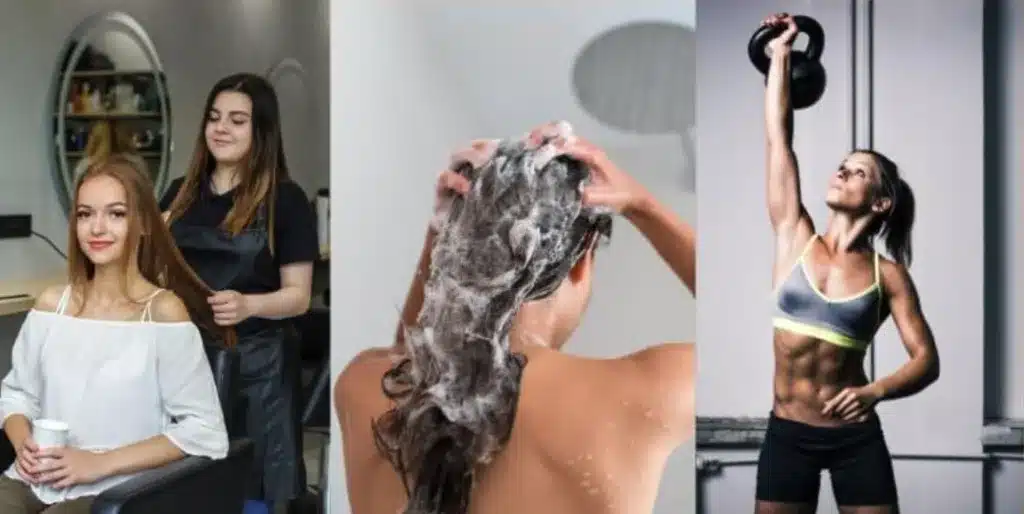
How Long Can You Keep Micro Bead Extensions In?
You can keep micro bead extensions in for a wear cycle, then you need a move-up. Most people need a move-up before the beads drop too far from the scalp. That is normal.
Many clients keep micro bead extensions in for about 6–10 weeks before a move-up. If you have fine hair, fast growth, oily roots, or heavy workouts, you may need maintenance earlier.
Dive deeper
When you ask “How long can I keep them in?” you may really be asking two things:
- How long can the install stay in place?
- How long can the hair itself stay nice?
Micro bead installs need repositioning because your natural hair grows. That growth changes the attachment.
1) What happens when you wait too long
Have you ever felt beads getting “bumpy” or “tight” after a while? That is often overgrowth.
As beads sit lower:
- They get more leverage.
- They can flip and show.
- They collect more shed hair.
- They tug on the same small section of hair.
That is why waiting longer can create more tangling and more discomfort. It does not usually create “more value.”
2) How you know you are due
Look for these signs:
- Beads feel lower than before.
- You feel more tangles at the root area.
- You see beads more when you part your hair.
- You feel soreness in one row area.
If you notice these, you are not “doing something wrong.” You are likely due for maintenance.
3) A realistic timing guide
This is a simple guide many clients follow:
| Your situation | Typical move-up timing | Why you need it |
|---|---|---|
| Fine hair or oily scalp | 5–7 weeks | Less grip and less tolerance for leverage |
| Medium density, normal routine | 6–8 weeks | Balanced stability |
| Dense hair, careful routine | 7–10 weeks | Better cover and less visibility risk |
| Heavy gym or swimming | 5–7 weeks | More friction and more tangles |
If you want the cleanest look, book before problems start, not after.
How to Sleep with Hair Extensions?
You sleep with micro bead extensions best when your hair is dry, detangled, and secured with low tension. You also need low friction. A satin or silk surface makes a big difference.
A good sleep plan is a loose braid or low ponytail, a satin pillowcase or bonnet, and a quick detangle around the bead line before bed.
Dive deeper
Do you wake up with knots at the nape? That is common. Night movement and fabric friction cause it. You can reduce it a lot with a few habits.
1) Never sleep with wet roots
Wet hair tangles faster. Wet hair also knots tighter. If you wash at night, you must dry the bead zone fully before bed.
2) Do a quick “bead line check”
This is fast and helps a lot:
- Split your hair into two or three sections.
- Brush ends first.
- Use your fingers near the beads to release wrapped hair.
- Brush through the lengths.
If you have weft rows, this step is even more important because shed hair can trap along the row line.
3) Secure with low tension
A loose braid controls movement without pulling. A low ponytail with a soft scrunchie also works. Tight elastics create stress and can make beads feel sore.
4) Reduce friction
Cotton pillows create friction. Satin reduces it. If you move a lot in sleep, a bonnet can help too.
| Sleep step | What you do | What you avoid | What you get |
|---|---|---|---|
| Dry | Dry bead zone fully | Sleeping wet | Less knotting |
| Detangle | Brush in sections | Skipping the row area | Less matting |
| Secure | Loose braid or low pony | Tight styles | Less tension |
| Protect | Satin pillow or bonnet | Cotton friction | Less frizz and breakage |
If you want smoother mornings, this routine matters more than most products.

How Often Should You Wash Your Hair With Micro Bead Extensions?
You should wash your hair with micro bead extensions when your scalp needs it, not every day by habit. Many people do well with 2–3 washes per week. Some need more. Technique still matters most.
A safe plan is 2–3 washes per week, gentle scalp cleansing, conditioner only on lengths, and full drying around beads after every wash.
Dive deeper
Do you worry that washing will ruin your extensions? You do not need to fear washing. You just need a method that does not twist hair around the beads.
1) What decides your best wash frequency
You need to consider:
- How oily your scalp is
- How often you work out
- Whether you sweat a lot
- Whether you use styling products at the roots
- Your local weather
If you sweat daily, you may need to wash more. If your scalp is dry, you may need less.
2) Wash technique that keeps beads stable
Use these rules:
- Brush before washing.
- Keep your head upright in the shower when possible.
- Shampoo your scalp gently.
- Rinse downward.
- Condition only the lengths.
- Dry the bead zone completely.
3) Clarifying use
If you feel buildup, you can use a clarifying wash sometimes. You should not use it too often. After clarifying, keep moisture on the ends, not on the bead zone.
| Situation | Wash frequency range | Your main focus |
|---|---|---|
| Normal scalp | 2–3x per week | Gentle scalp wash + full drying |
| Oily scalp | 3–4x per week | Avoid oils near roots |
| Heavy workouts | 3–5x per week | Rinse sweat, detangle after |
| Dry scalp | 1–2x per week | Moisture on ends only |
If you want the easiest days, keep your routine consistent.
Can You Wear Your Hair Up With Micro Bead Extensions?
Yes, you can wear your hair up with micro bead extensions, but you should choose low tension styles most of the time. Tight high ponytails often expose beads and increase stress near the roots.
The safest up styles are low ponytails, loose low buns, half-up looks, and claw-clip styles that do not pull on the bead line.
Dive deeper
Do you love ponytails? Most clients do. The key is to avoid pulling from the perimeter and the bead zones.
1) Why tight high ponytails can cause problems
High ponytails lift your top hair away from the bead line. That lift can expose beads. It also creates strong tension at the roots. If you wear that style daily, you may feel soreness or more slip.
2) Better everyday choices
Try these instead:
- Low ponytail with a soft scrunchie
- Loose low bun
- Half-up style with light volume at the crown
- Claw clip placed above the bead line
3) Event styles are still possible
If you need a sleek look for an event, you can do it sometimes. You should keep it short and remove tension after the event.
| Style | Visibility risk | Tension risk | Best use |
|---|---|---|---|
| Low ponytail | Low | Low | Daily |
| Loose low bun | Low | Low | Daily |
| Half-up | Medium | Low | Work and events |
| High ponytail | High | High | Occasional |
| Tight sleek bun | High | High | Short events only |
If you want both style freedom and long retention, keep high tension styles as a “sometimes.”
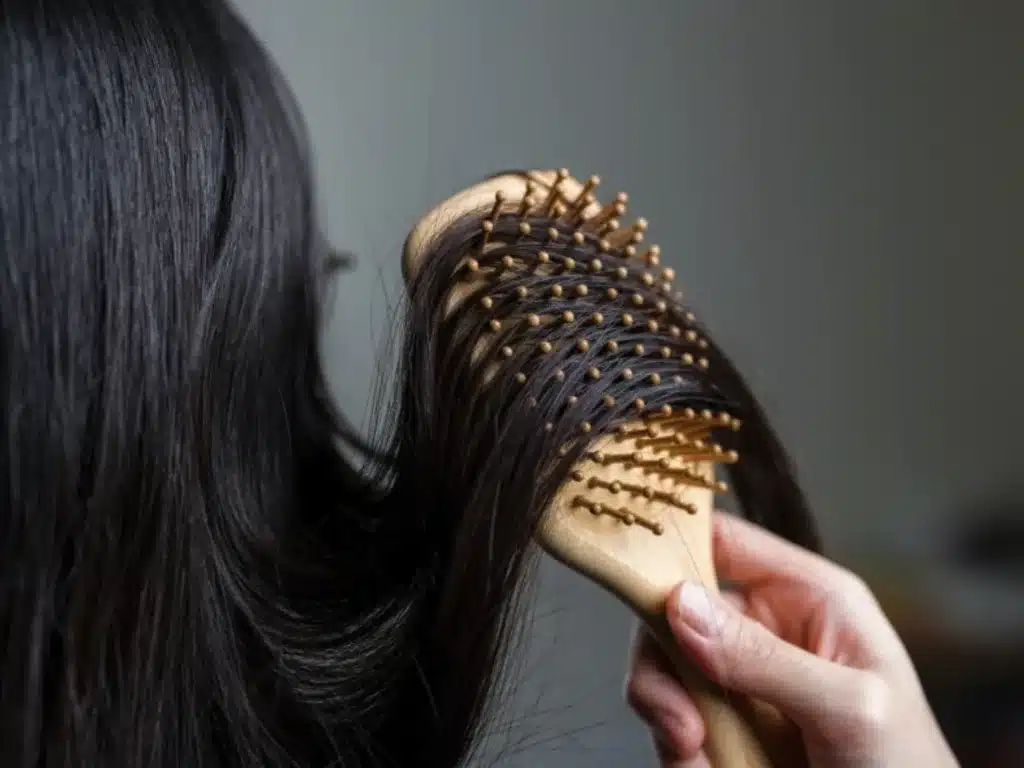
How Can You Prevent Slipping and Tangling Between Visits?
You prevent slipping and tangling by keeping oils away from the bead line, brushing daily in sections, doing a weekly row check to release trapped shed hair, protecting hair at night, and booking move-ups on time.
A strong prevention plan is clean roots, light products near beads, consistent detangling, satin sleep protection, and early maintenance when overgrowth starts.
Dive deeper
If you want your extensions to feel “easy,” you need to stop problems early. Small tangles turn into mats fast. Small slips turn into visible beads fast.
1) The most common slipping triggers
Ask yourself these questions:
- Did conditioner touch the bead zone?
- Did hair oil reach your roots?
- Did you leave your roots damp after washing?
- Do your roots feel coated with product?
If the answer is yes, slipping risk goes up.
2) The weekly row check
This is one of the best habits you can add. It takes minutes.
- Lift hair above each row or bead zone.
- Use your fingers to release wrapped shed hair.
- Brush below the row gently.
- Repeat across your head.
3) Watch out for friction days
Windy days, winter coats, and scarves increase tangling. On those days, brush more and use satin sleep protection.
4) Know the warning signs
Contact your stylist early if:
- A bead feels loose
- You feel tight knots near the bead line
- You see beads suddenly
- You feel soreness in one area
Early help is easier than a correction.
| Problem | What you notice | What you do | What your stylist does |
|---|---|---|---|
| Slipping | Beads feel lower | Stop root oils, dry bead zone | Check clamp, adjust or move-up |
| Matting | Tight knots near row | Finger separate daily, satin sleep | Clean out shed hair, reset row |
| Visibility | Beads show at part | Change part, add soft volume | Adjust mapping at next visit |
| Discomfort | Sore root area | Loosen styles | Check tension and placement |
If you follow this plan, your wear cycle feels calmer and more predictable.

My opinion
You do not need a complicated product list to keep micro bead extensions looking premium. You need a clean root zone, controlled brushing, full drying, low friction sleep habits, and on-time maintenance. When you follow those basics, you protect both your natural hair and your extension hair quality.
FAQ
Can you put conditioner on micro bead extensions?
You can, but you should keep conditioner on mid-lengths and ends. You should avoid the bead area because it can cause slipping.
Why do micro bead extensions feel dry?
Extensions do not get natural oils from your scalp the same way. You should add moisture to the lengths, but keep heavy moisture away from the bead zone.
Can you use hair oil with micro bead extensions?
Yes, but use it from mid-length to ends. Keep it away from the roots and bead line.
What should you do if beads start slipping?
You should stop using oils near the roots, wash off buildup, dry the bead zone fully, and book a quick check. Do not wait until the beads rotate and show.
How often should you brush micro bead extensions?
You should brush at least twice per day. You may need more if you wear winter clothing, work out often, or have long hair.
Can you swim with micro bead extensions?
Yes, but you should rinse after swimming, detangle right away, and dry the bead zone fully. Swimming increases dryness and tangling.
Can you use heat tools?
Yes, you can use heat tools on the lengths. Avoid direct high heat at the bead area. Use heat protection on the lengths.
When should you get a move-up?
Many clients need a move-up around 6–8 weeks. You may need earlier maintenance if you have fine hair, oily scalp, or heavy workouts.
Can you wear a high ponytail?
You can sometimes, but it often increases bead visibility and tension. Low tension styles are safer for daily wear.
What is the fastest way to reduce tangles at home?
You should finger separate near the bead line, brush in sections, and protect hair with satin sleep habits. If knots feel tight, book a salon check early.
Conclusion
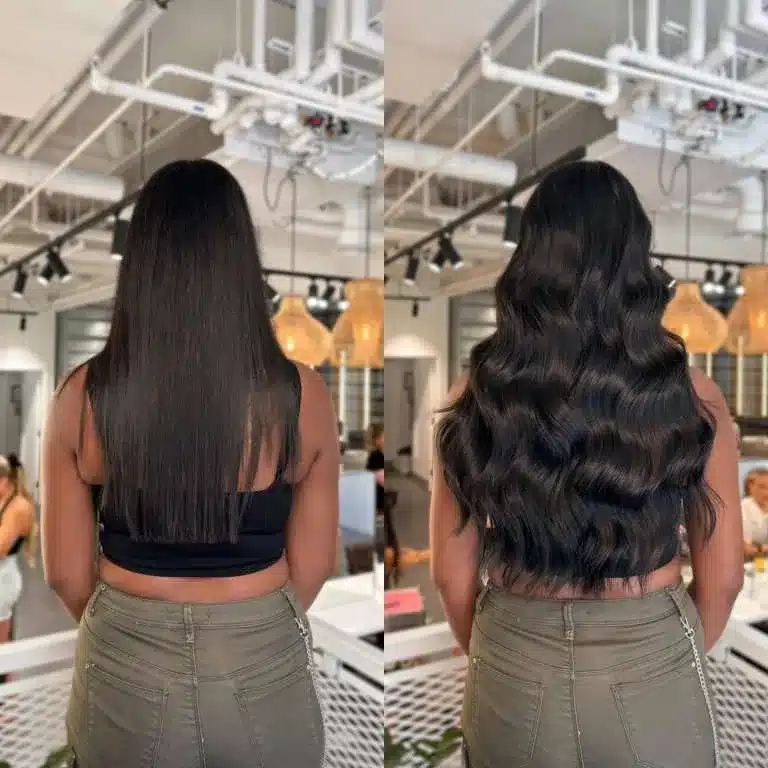
You keep micro bead extensions soft and secure by keeping beads clean and dry, conditioning only the lengths, brushing gently in sections, sleeping with low friction protection, and doing move-ups on schedule.