Hair thinning after nano ring extensions scares many salon owners and stylists. Clients panic, blame the method, and lose trust. I know this pressure well.
Nano ring extensions do not automatically cause hair loss. Most shedding comes from tension, poor installation, wrong hair weight, or skipped maintenance. When the method and habits are corrected, hair loss can be controlled and often reversed.

I want to walk through this topic slowly and clearly. I will explain what is normal, what is not, why problems happen, and how professionals can prevent damage before it starts.
Is It Normal to Lose Nano Hair Extensions?
Some shedding feels alarming, but not all loss is a problem. The key is knowing the difference.
Yes, it is normal to see a small amount of shedding with nano ring extensions. This usually happens during brushing, washing, or removal. It becomes abnormal only when shedding turns into visible thinning, breakage, or pain.
Understanding Natural Hair Shedding vs Extension Loss
Every person loses hair daily. On average, natural hair sheds 50–100 strands per day. When extensions are installed, these shed hairs stay trapped inside the nano rings instead of falling out naturally. During maintenance, they release all at once, which looks dramatic.
This sudden release often makes clients think the extensions caused hair loss, even when it is normal shedding that was delayed.
When Shedding Is a Warning Sign
Hair loss becomes a concern when clients notice:
- Bald spots around the nano rings
- Hair breaking close to the scalp
- Pain or soreness after installation
- Excessive shedding within the first two weeks
These signs usually point to installation or weight issues, not the nano ring method itself.
Professional Red Flags Stylists Should Watch
As a professional, I always check:
- Ring placement symmetry
- Distance from scalp
- Client discomfort during installation
- Hair density match between natural hair and extensions
If any of these are off, shedding will increase over time.
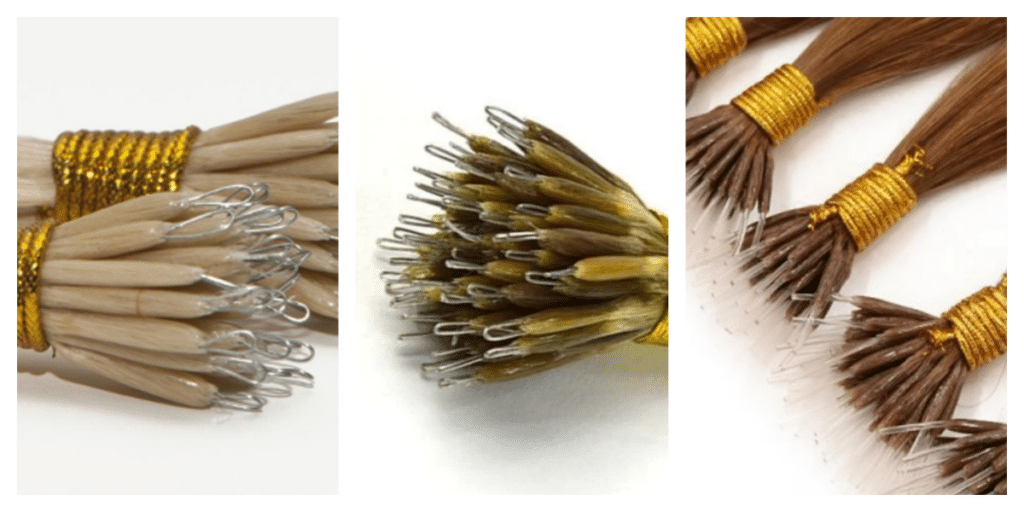
Why Nano Rings Cause Hair Loss
Nano rings are small and precise, but that also means mistakes show results faster.
Nano rings cause hair loss when tension, weight, or technique exceeds what the natural hair can handle.
Excessive Tension During Installation
The most common cause I see is tight clamping. Nano rings must be secure, but not crushed flat. Over-clamping creates constant tension at the root. This tension slowly weakens the follicle and leads to traction alopecia.
Many stylists think tighter equals safer. In reality, balanced pressure is safer.
Wrong Hair Weight per Strand
Nano ring extensions require correct strand-to-hair ratio. Using heavy strands on fine natural hair is a silent killer. The hair may look fine at first, but damage appears weeks later.
Fine hair should always use lighter grams per strand. I never compromise on this, even if clients want more volume.
Incorrect Placement Distance
Nano rings placed too close to the scalp restrict movement. This creates pulling during daily activities like sleeping or tying hair.
I always leave enough space so the ring can move naturally without pulling the root.
Poor Hair Quality Extensions
Low-quality hair tangles faster. Tangling causes clients to brush harder. Hard brushing pulls at the roots and causes breakage near the ring.
Hair quality and hair loss are always connected.
How to Stop Hair Loss After Nano Ring Extensions
Stopping hair loss is possible, even after problems start.
The solution always combines technique correction, maintenance changes, and client education.
Adjust Installation Technique Immediately
If a client reports discomfort, I never wait. I check:
- Clamp pressure
- Strand size
- Ring alignment
Often, simply loosening or redistributing rings reduces tension instantly.
Reduce Strand Weight
If shedding continues, I downsize the extension strands. Fewer grams per strand lower stress on follicles and allow recovery.
Clients may worry about volume, but healthy hair always comes first.
Shorten Maintenance Cycles
Long gaps between move-ups increase matting and tension. I recommend maintenance every 6–8 weeks for nano rings, especially for fine hair clients.
Regular maintenance prevents trapped shed hair from causing stress.
Educate Clients on Daily Care
I always explain:
- Gentle brushing from ends upward
- No brushing when wet
- Sleeping with hair tied loosely
- Avoiding heavy oils near rings
Education reduces damage more than any tool.

Proper Nano Ring Installation Standards for Professionals
Standards protect both the client and the stylist.
Consistent installation rules reduce complaints, refunds, and reputation damage.
[Image Placeholder]
Sectioning Rules
Clean, even sections prevent uneven weight distribution. I never rush sectioning, even under time pressure.
Ring Size Matching
Nano rings must match the nano tip size exactly. Loose rings slide. Tight rings cut hair.
Direction Control
Extensions must follow the natural fall of the hair. Wrong direction creates pulling when the client moves.
Post-Install Check
I always ask clients to move their head, smile, and tilt side to side. Discomfort shows immediately if something is wrong.
Client Hair Type Assessment Before Nano Rings
Not every client is suitable for nano rings.
Assessment protects long-term results and avoids damage claims.
[Image Placeholder]
Fine Hair Clients
Fine hair needs:
- Fewer strands
- Lighter grams
- Wider spacing
Ignoring this leads to fast thinning.
Oily Scalps
Oily scalps cause rings to slip. Slipping leads to tightening during adjustments, which causes breakage.
Active Lifestyles
Clients who exercise daily need stronger maintenance plans and shorter cycles.
How Many Times Can You Reuse Microlinks?
Reuse is possible, but only under the right conditions.
Microlinks can usually be reused 2–4 times, depending on ring quality, installation pressure, and maintenance habits.
[Image Placeholder]
Ring Deformation Matters
Once a nano ring loses its round shape, it should not be reused. Deformed rings create uneven pressure points.
Hygiene and Grip Loss
Old rings collect oil and residue. This reduces grip and increases slipping.
Professional Rule I Follow
If I question a ring’s integrity, I replace it. Rings cost little. Hair loss costs trust.
My Opinion
I have worked with nano ring extensions for many years. I do not see them as dangerous. I see them as unforgiving.
Nano rings demand discipline, correct weight control, and honest client assessment. When used correctly, they are one of the cleanest and least invasive methods. When shortcuts happen, damage follows fast.
Hair loss is rarely about the method. It is about decisions made during installation.
FAQ
Can nano ring extensions cause permanent hair loss?
Yes, but only if traction continues for a long time. Early correction usually allows full recovery.
How long should nano rings stay in?
Most clients need a move-up every 6–8 weeks.
Are nano rings safe for thin hair?
Yes, when strand weight and spacing are adjusted correctly.
Why does hair hurt after installation?
Pain usually means tension or placement too close to the scalp.
Can clients wash hair normally?
Yes, but they should avoid rough scrubbing near the rings.
Do nano rings damage the scalp?
The rings do not damage the scalp. Incorrect tension does.
Is shedding worse in the first month?
It can appear worse because trapped shed hair releases during early maintenance.
Should nano rings be removed if shedding starts?
Not always. Often, adjustment solves the issue.
Conclusion
Nano ring hair loss is preventable. With correct technique, proper hair weight, and regular maintenance, professionals can protect natural hair and client trust.
Hibiscus Hair Manufacturer has been dedicated to producing high-quality hair extensions for 25 years and is a recognized leader in the industry. If you are interested in finding a reliable hair extensions supplier and wholesale for your brand, please visit our website for more information: