Do you wake up with tight knots near your roots or a sore scalp? Micro bead extensions can tangle overnight fast. Your night routine decides how your hair feels in the morning.
You sleep well with micro bead extensions when you go to bed with dry roots, detangled sections, a low-tension style, and a low-friction pillow or bonnet. You also avoid sleeping with wet hair and tight hairstyles.

Night time is where many extension problems start. You can prevent most of them with a few simple steps. The sections below give you a complete sleep system, from bedtime prep to morning checks.
Why Does Sleeping With Micro Bead Extensions Feel Uncomfortable?
Do your beads feel “bumpy” on the pillow? Do you feel pulling when you turn your head? That usually happens because your hair shifts all night and creates tension at the bead points.
Sleeping feels more comfortable when you control movement, reduce friction, and keep pressure off the bead zones. You do not need a complicated setup. You need the right sequence.
Dive deeper
Many people think discomfort means the install is wrong. Sometimes the install needs adjustment. Still, many cases come from sleep habits. Your hair moves for hours while you sleep. Your natural shed hairs also collect during the day. When you lie down, friction and movement tighten everything.
Pressure is the first cause
When your head presses into a pillow, the bead area can feel like small points. If you sleep on one side, the same bead line receives pressure for hours. That pressure can make you feel soreness in the morning. You can reduce this by changing sleep position and using a softer, smoother surface.
Friction is the second cause
Cotton pillowcases create drag. Drag makes hair twist. Twist makes knots. Knots pull on the bead line. Satin or silk reduces this friction. That one change can make your mornings easier.
Movement is the third cause
If your hair is loose, it spreads and rolls under your shoulders. Your body turns. Your hair gets trapped. This creates tugging at the roots and matting near the nape. A low-tension braid or low ponytail reduces this movement without pulling.
Moisture makes it worse
Wet hair stretches, tangles, and tightens easily. If you sleep with damp roots, you wake up with more knots and more bead rotation risk. Dry roots are not optional for most clients.
Use this quick check to identify your main discomfort trigger:
| What you feel | Most likely cause | What to change tonight |
|---|---|---|
| Sore scalp in one area | Pressure on one bead line | Change sleep side, use bonnet, keep hair low |
| Knots at the nape | Friction + loose hair movement | Loose braid, satin pillowcase, nape detangle |
| Beads feel “stiff” in morning | Damp roots or buildup | Dry roots fully, reduce heavy root products |
| Hair feels pulled | Style too tight | Switch to loose braid or loose low pony |
When you match the fix to the cause, comfort improves fast.
What Should You Do Before Bed With Micro Bead Extensions?
Do you go to bed in a hurry and skip brushing? That habit is expensive later. A short bedtime routine prevents the tight knots that take hours to remove.
Before bed, you should detangle in sections, do a quick bead-line check, make sure the bead zone is fully dry, and secure hair with low tension. Then you add a satin surface to reduce friction.
Dive deeper
A bedtime routine should feel easy. If it feels hard, you will not do it every night. So the best routine is short and repeatable. You can finish it in a few minutes.
Step 1: Make sure your roots are dry
Did you wash your hair at night? If yes, check your roots. You can touch the bead area and feel if it is cool or damp. Damp roots create more knots. Damp roots also increase slip risk for bead systems. You should dry your bead zone first, then dry the lengths.
A simple rule helps: if your scalp still feels cool, your roots are not fully dry.
Step 2: Detangle in sections, not all at once
If you brush fast and hard, your brush can catch at the bead area. That can pull your natural hair. It can also twist beads. Instead, split your hair into two or three sections.
Use this order:
- brush the ends first
- move up slowly
- stop at the bead area if you feel resistance
- use your fingers to open the knot
- finish with gentle strokes through the lengths
Step 3: Do a bead-line check with your fingers
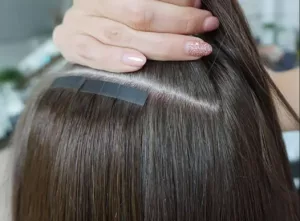
You do not need to inspect every bead. You only need to feel for wrapped hairs. Wrapped hairs are shed hairs that coil around the bead line. They act like tiny threads that tighten overnight.
Use your fingers to separate the area near the roots. If you feel a tight spot, open it now. This one step prevents morning matting.
Step 4: Decide your sleep style
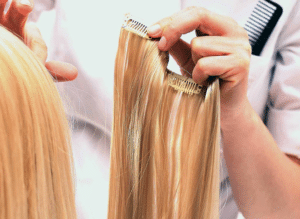
Loose braid and loose low ponytail are the top choices. If you have weft rows, a braid often works best because it keeps hair together. If you have strand beads, a low ponytail can also work well when it is loose.
Here is the bedtime checklist you can screenshot:
| Bedtime step | What you do | What you avoid | Why it helps you |
|---|---|---|---|
| Dry | Dry bead zone fully | Sleeping with damp roots | Less knotting and less pull |
| Detangle | Brush in 2–3 sections | One aggressive brush session | Less snagging at beads |
| Check | Finger separate near beads | Ignoring tight spots | Less matting in morning |
| Secure | Loose braid or low pony | Tight ponytail | Less tension and pressure |
When you repeat these steps, your mornings become predictable.
What Is the Best Hairstyle to Sleep in With Micro Bead Extensions?
Do you sleep with your hair loose? That is usually why you wake up tangled. Loose hair moves too much and traps under your shoulders.
The best hairstyle to sleep in is a loose braid or a loose low ponytail. You want control without tension. The goal is to keep hair from spreading and twisting during the night.
Dive deeper
There is no one style that fits everyone, but there is one rule that fits everyone. The style must be loose. Tight styles pull on your roots. Tight styles can also cause scalp soreness and stress your natural hair.
Option 1: Loose braid
A loose braid keeps hair together. It reduces friction because hair does not spread across the pillow. It also reduces tangles at the nape. This is a strong choice if you have longer hair or if you wake up with knots often.
A good braid feels secure but soft. Your scalp should not feel tight. Your braid should not pull at the bead line. If you feel pulling, the braid is too tight or the braid started too high.
Option 2: Loose low ponytail
A loose low ponytail works well for many clients. It is simple. It keeps hair off your face. It reduces hair movement under your shoulders. Use a soft scrunchie, not a tight elastic.
You should keep the ponytail low. A higher ponytail can pull on the perimeter and expose beads when you move. A low ponytail usually stays calm during sleep.
Option 3: Two loose braids
If your hair is thick or very long, two loose braids can reduce bulk. This also helps if you feel a single braid is too heavy at the back.
What to avoid at night
- tight high ponytails
- tight buns
- twisting hair into a hard rope
- sleeping with clips or pins that press into your scalp
Use this guide to choose:
| Sleep style | Best for | Risk level | Simple tip |
|---|---|---|---|
| Loose braid | Long hair, nape tangles | Low | Keep braid low and soft |
| Loose low pony | Quick routine | Low | Use a soft scrunchie |
| Two loose braids | Thick hair | Low | Keep parts clean and loose |
| Tight bun | None for most clients | High | Creates pressure and tension |
If you want comfort and clean hair in the morning, choose the style that controls movement with the least tension.

Should You Sleep With a Silk Bonnet or Satin Pillowcase?
Do you wake up with frizz and dryness even when you used good products? Your pillow may be the reason. Cotton creates friction. Friction creates frizz, knots, and breakage.
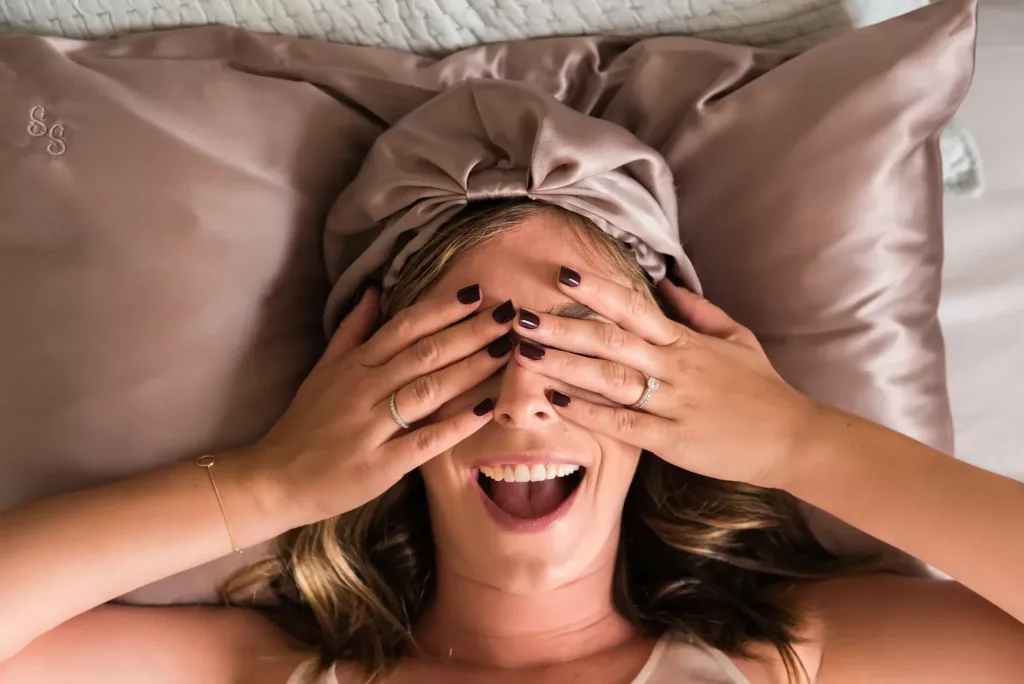
A satin pillowcase is a great start. A silk or satin bonnet adds extra control, especially if you move a lot at night. Many clients use both for the best result.
Dive deeper
Your sleep surface is not a small detail. It is a daily contact point for 7–9 hours. If you want long-lasting softness, you need lower friction.
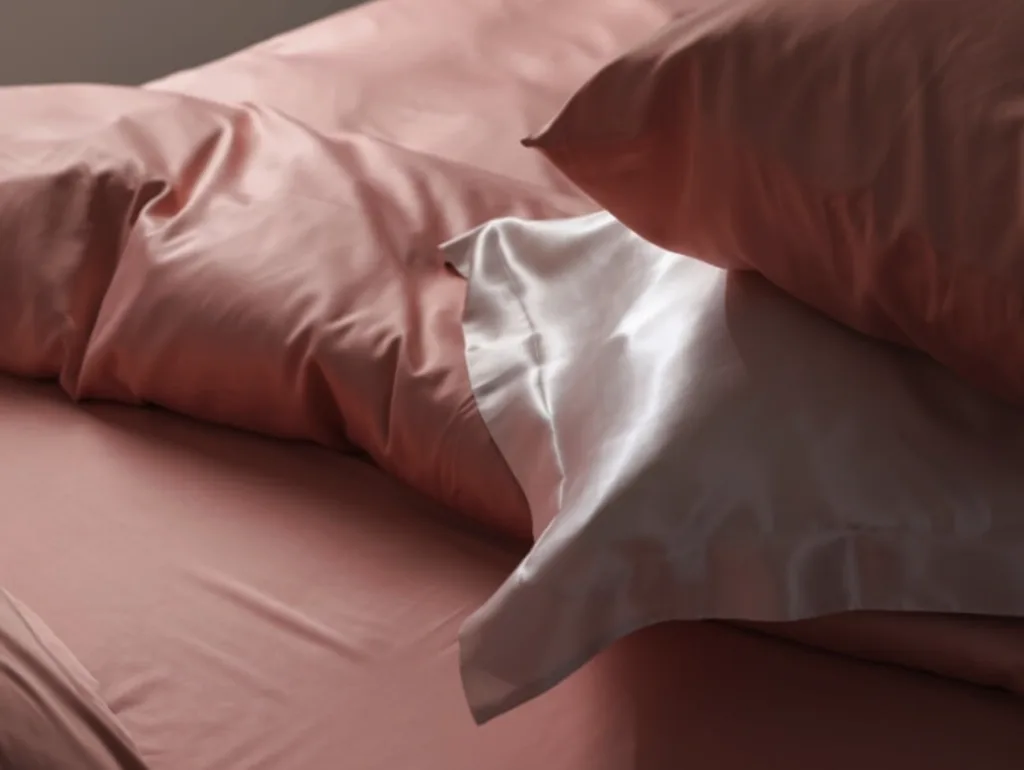
Satin pillowcase
A satin pillowcase reduces drag. That helps your hair slide instead of snag. This is helpful for bead systems because it reduces the twisting that tightens around the bead line.
If you choose only one thing, start here. It is easy. It does not change your routine.
Silk or satin bonnet
A bonnet holds your hair together. It prevents hair from spreading and rolling under your shoulders. It also keeps the bead zone more stable because the hair stays contained.
This is especially useful if you:
- toss and turn
- wake up with nape mats
- have very long hair
- wear weft rows that collect shed hair easily
Using both
Using both can feel like “too much,” but it is often the fastest path to smooth mornings. The pillowcase reduces friction. The bonnet reduces movement. Together they reduce knots.
What about silk vs satin?
Both can help. Many clients use satin because it is easier to find and easier to care for. The key is not the label. The key is the friction level and the comfort.
Here is a simple selection guide:
| Sleep protection | What it improves | Who benefits most | Common mistake |
|---|---|---|---|
| Satin pillowcase | Less friction and frizz | Everyone | Choosing rough fabric that feels “satin” only |
| Bonnet | Less movement and tangles | Heavy movers, long hair | Bonnet too tight at the edge |
| Both | Best overall control | Clients with matting issues | Skipping detangle before wearing bonnet |
If you want to stop waking up tangled, a low-friction surface is one of the most effective changes.
Can You Sleep With Wet Hair and Micro Bead Extensions?
Do you ever wash late and think, “It will dry overnight”? With micro bead extensions, that habit often leads to mats and sore roots.
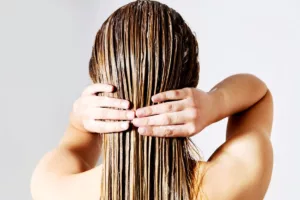
You should not sleep with wet hair when you wear micro bead extensions. Wet roots increase knotting, increase friction, and increase bead movement. You should dry the bead zone fully before you sleep.
Dive deeper
Wet hair behaves differently from dry hair. It stretches. It clumps. It tightens when it dries. If you add beads into that system, the risk increases.
Why wet hair tangles more at night
When hair is wet, strands stick together. Your head moves on the pillow. Wet hair twists into tight shapes. Those shapes dry into knots. In the morning, you feel pulling near the bead line because the knot has anchored itself.
Why wet roots can increase slipping
Bead systems rely on grip. If your hair stays damp at the root, it remains softer and more elastic. That can increase movement around beads. If your routine also includes conditioner near the root, slipping risk increases again.
What to do if you must wash at night
Sometimes life happens. If you wash at night, use a focused drying plan:
- towel blot, do not rub
- dry the bead zone first
- dry the nape next
- dry the lengths enough so hair is not heavy
- then secure with a loose braid
If you do this, you can still sleep well without waking up tangled.
Use this quick rule:
- If your scalp feels cool, your roots are not dry.
- If your roots are not dry, you are not ready for bed.
This is strict, but it saves your hair.
What Should You Do in the Morning to Prevent Matting?
Do you wake up and pull a brush through fast? That can turn small knots into big ones. Morning care should be gentle and structured.
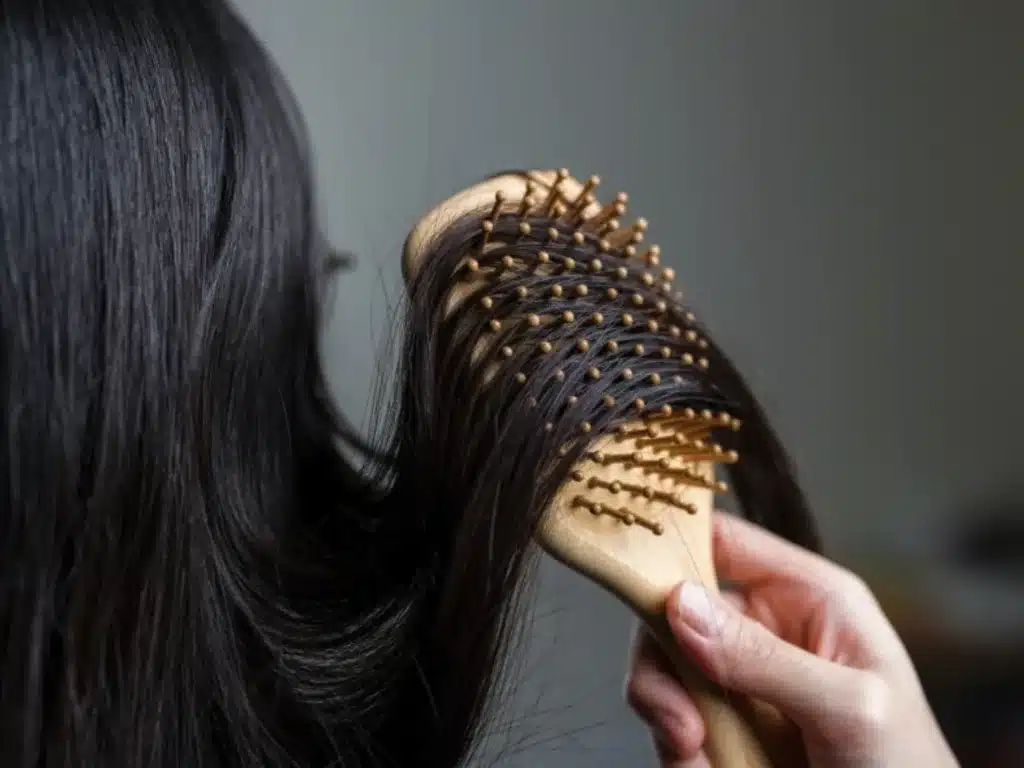
In the morning, you should loosen your sleep style slowly, finger separate near the bead line, brush in sections from ends to mid-length, then check the nape and row areas for trapped shed hair.
Dive deeper
Your morning routine decides whether your day feels easy or stressful. If you start with rough brushing, you create tension at the bead line. If you start with gentle steps, you protect your natural hair.
Step 1: Open your braid or pony slowly
Do not rip it out. Your hair may have minor twists. You want to release them gently.
Step 2: Finger separate near the bead line
Use your fingers first. If you find a tight spot, open it with your fingers before you use a brush. This reduces stress on the attachment.
Step 3: Brush in sections
Start at the ends. Move upward in small zones. If you feel resistance near the roots, stop and use your fingers again.
Step 4: Check the nape area
The nape is the friction zone. Jackets and pillows both affect it. If you have weft rows, the nape can trap shed hair. A quick check prevents matting.
Step 5: Add light control, not heavy oil
If you need shine, use a small amount on the ends only. If you use oil near the roots, you may increase slipping.
Here is a simple morning sequence:
| Morning step | What you do | What you avoid | Result |
|---|---|---|---|
| Release | Open style slowly | Pulling fast | Less breakage |
| Separate | Fingers near beads | Brushing knots first | Less tension |
| Brush | Ends to mid-length | Root ripping | Fewer snags |
| Check | Nape and rows | Ignoring tight zones | Less matting |
| Finish | Light serum on ends | Oil near roots | Better retention |
If your mornings are calm, your wear cycle usually stays calm too.
My opinion
You do not need a long routine to sleep well with micro bead extensions. You need control. You need dry roots, low tension, and low friction. When you do those three things, you reduce tangles, reduce soreness, and protect your natural hair. A satin surface and a loose braid often change the whole experience in the first week.
FAQ
Do you need a bonnet every night?
You do not always need one, but it helps if you toss and turn or wake up tangled often. Many clients start with a satin pillowcase, then add a bonnet if needed.
Why do you get knots at the nape?
Friction and trapped shed hair cause it. A loose braid, satin pillowcase, and quick nape check reduce the problem.
Can you sleep with your hair loose?
You can, but it often increases tangles and pulling. If you want smoother mornings, you should secure hair loosely.
Can you sleep with wet hair if you braid it?
It is still not a good idea. Wet hair tightens as it dries and can create mats. You should dry the bead zone before bed.
What is better, a braid or a ponytail?
A braid often controls movement better for long hair and reduces nape knots. A loose low ponytail is faster and still works well for many clients.
Why do beads feel sore in the morning?
Pressure and tension are common reasons. Your sleep style may be too tight, or you may be sleeping on one side for too long. Move-ups can also matter if beads have grown out.
Should you use oil before bed?
You can use a small amount on the ends if needed. You should avoid oil near the roots and bead line because it can increase slipping.
What if you still wake up matted?
You should stop and finger separate first. Do not rip a brush through it. If matting repeats, you should contact your stylist for a quick check.
Conclusion
You sleep better with micro bead extensions when you keep roots fully dry, detangle in sections, secure hair loosely, reduce friction with satin or silk, and do a gentle morning check to stop matting early.