Hair extensions can transform volume and length quickly, but many clients worry when it is time for removal. Some feel unsure about the right method, while others fear damaging their natural hair during the process. I want to help you remove bonded extensions safely and with confidence.
If you want to remove bonded hair extensions at home, you must use the correct remover, break down the keratin bond gently, and slide the extensions out without pulling. The key is patience, the right tools, and good aftercare to protect your natural hair.

Many people want a simple way to remove extensions without visiting the salon. With the right method, you can do it safely at home. Let’s walk through everything you need to know.
What are Bonded Hair Extensions?
Many clients hear the word “bonded” and feel confused. Some think bonded extensions are glued, while others mix them up with tape-ins. Bonded extensions refer to any extension attached using a keratin bond or fusion point.
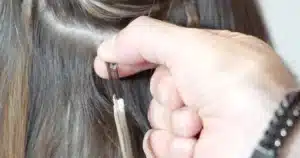
Bonded hair extensions are installed strand by strand using a keratin adhesive that is melted and attached to small sections of natural hair. These bonds stay secure for months and offer natural movement and flexibility.

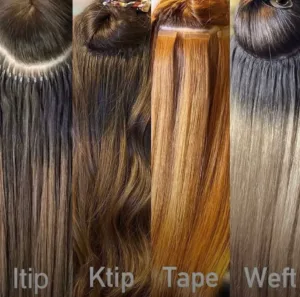
Bonded hair extensions include several types, such as U-tip, V-tip, and Flat-tip extensions. All these methods use a keratin bond that is melted around the natural hair using a heated fusion tool during installation. The bond is small, lightweight, and designed to mimic natural hair movement. This installation method is popular for clients who want a long-lasting solution without large wefts or tape panels.
Bonded extensions are known for their long wear time, but they require proper removal. When clients try to pull them out or remove them without the correct solvent, the risk of breakage increases. The keratin bond must be softened first before it slides out smoothly. This is why choosing the right remover and proper technique is essential.
Although bonded extensions look natural and feel lightweight, they must be removed carefully to avoid stress on the natural hair. When done correctly, bonded extensions do not damage hair. Most problems occur when clients rush the process, use the wrong products, or use too much pressure.
How to Remove Bonded Hair Extensions at Home?
Many clients ask if it is possible to remove bonded extensions at home. The answer is yes—but only when you follow a safe step-by-step method.
To remove bonded extensions at home, apply a keratin bond remover, break down the bond with gentle pressure, and slide out the strand without pulling. Work slowly and section by section.
Removing bonded hair extensions requires patience. Most removers contain alcohol or oil-based ingredients that break down the keratin bond. The key is timing. When the remover sits long enough, the bond softens and cracks easily. When clients rush this part, they often tug too hard and pull out their own hair.
The safest removal method includes:
- Sectioning the hair into small, clean parts.
- Applying keratin bond remover generously.
- Waiting for the remover to dissolve the bond.
- Using a removal tool or fingers to crack the softened bond.
- Sliding the extension strand out gently.
- Combing out residue with a fine-tooth or loop brush.
A common mistake is using household oils like coconut oil to break the bond. While oil helps loosen residue, it is not strong enough to break down keratin. Professional remover works faster and reduces the need for pulling, so the process becomes safer for your natural hair.
What tools do you need to remove bonded hair extensions?
Many people attempt removal using only their fingers, which leads to pulling and breakage. The right tools make the process smooth and safe.
You need keratin bond remover, removal pliers, sectioning clips, a tail comb, and a loop or detangling brush to remove bonded extensions correctly.
Every tool plays an important role in protecting your natural hair:
Essential Tools
| Tool | Purpose |
|---|---|
| Keratin bond remover | Breaks down the adhesive |
| Removal pliers | Cracks the softened keratin bond |
| Sectioning clips | Keeps hair organized |
| Tail comb | Helps isolate small sections |
| Loop brush | Removes residue gently |
Using proper tools ensures you can work in small, controlled sections without pulling. Removal pliers are designed to apply pressure evenly so the bond cracks instead of tugging at the natural hair.
Some clients also like using a clarifying shampoo after removal to remove surface oil and residue. This helps reset the scalp and leave it clean after the process.
What mistakes should you avoid when removing bonded extensions at home?
Removing bonded extensions at home can be safe, but only when you avoid common mistakes.
Avoid pulling the extensions, skipping the remover, using too much force, or removing extensions while the hair is wet. These mistakes lead to breakage.
Here are the most common mistakes clients make:
1. Pulling bonds without fully softening them
This is the most damaging mistake. Natural hair can snap when the keratin bond is still firm.
2. Using heat incorrectly
Some online videos suggest reheating the bond. This is unsafe because it melts the adhesive and sticks to more hair.
3. Removing when hair is wet
Wet hair stretches and breaks easily, especially near the bond area.
4. Rushing the process
Clients often underestimate how long bonded extensions take to remove. Working slowly protects your roots.
5. Using the wrong products
Conditioner, cooking oils, and serums may soften residue but cannot crack the bond. Only proper remover works effectively.
By avoiding these mistakes, your natural hair stays healthy and strong throughout the process.

How to care for your natural hair after removing bonded extensions?
After removal, your natural hair may feel dry or tangled, especially near the roots. Post-removal care helps restore softness and strength.You should wash your hair, use a hydrating mask, remove residue with a clarifying shampoo, and let your scalp rest before reinstallation.
Bonded extensions sit on your hair for months. During this time, natural oils cannot reach the mid-lengths and ends. After removal, it is normal for hair to feel slightly dry.
Post-Removal Care Steps
- Clarifying shampoo: Removes remover residue and buildup.
- Deep conditioning mask: Restores moisture balance.
- Protein treatment (optional): Helps strengthen weak ends.
- Trim the ends: Removes any split ends.
- Scalp massage: Promotes blood circulation after long-term bonding.
- Wait 3–7 days before reinstalling: Gives roots time to recover.
Good aftercare prepares your hair for the next extension installation and keeps your scalp healthy.
When should you NOT remove bonded hair extensions at home?
Not every client should remove bonded extensions at home. Some cases require professional help to avoid damage.
Do not remove bonded extensions at home when the bonds are severely tangled, extremely grown out, stuck together, or when your natural hair is fragile or breaking.
Here are clear signs that you should visit a stylist instead:
- Matting at the roots
- Multiple bonds stuck together
- Severe shedding or breakage
- Extensions installed too close to the scalp
- Extensions installed incorrectly
- You have a sensitive scalp or medical hair issues
A stylist has access to stronger removers, professional tools, and controlled techniques that reduce stress on the hair. When extensions tangle together at the root, a stylist can separate them safely without ripping or thinning the natural hair.
How to prevent bond damage in future installations?
Prevention helps ensure that removal will be easier in the future.
You can prevent bond damage by choosing the correct bond size, having them installed by a trained stylist, avoiding oils near the roots, and following proper maintenance routines.
Future damage prevention starts with the correct installation. The stylist must choose a bond weight that matches the client’s natural density. Lightweight bonds prevent tension, especially for clients with fine hair.
Key Prevention Tips
- Choose the right strand weight for your hair type.
- Avoid oily products at the roots.
- Brush gently using a loop brush.
- Sleep with hair tied loosely.
- Avoid exposing bonds to high heat.
- Schedule timely maintenance.
Proper care keeps both your natural hair and extensions in top condition.

My opinion
Bonded extensions are safe when installed and removed correctly. I see many issues only when clients try to rush removal or use the wrong products. High-quality extensions with clean keratin tips are always easier to remove and safer for the natural hair. Proper technique protects your roots and gives you a smooth experience every time.
FAQ
1. Can I remove bonded hair extensions without remover?
No. You need a proper keratin remover to soften and break down the bond.
2. Does removing bonded extensions hurt?
It should not hurt. Pain means pulling or using too much force.
3. Can I shower before removal?
No. Removing bonds on wet hair causes breakage.
4. What remover works best?
Keratin bond remover with alcohol-based ingredients works fastest.
5. How long does removal take?
1–2 hours depending on how many strands you have.
6. Will my hair shed after removal?
Some shedding is normal because bonded extensions hold naturally shed hairs.
7. Can I reinstall extensions the same day?
Yes, but waiting 2–3 days is healthier for your scalp.
8. Are bonded extensions damaging?
No, damage happens only with incorrect installation or rushed removal.
9. Can oil remove bonded extensions?
Oil helps soften residue but cannot break keratin bonds.
10. Should I cut the bonds?
Never. Cutting bonds risks cutting your natural hair.
Conclusion
Removing bonded hair extensions at home is safe when you use the right remover, tools, and patient technique. With careful steps and good aftercare, your natural hair stays healthy, strong, and ready for your next installation.