Many clients with very short hair worry about visible bonds and uneven blending. This creates pressure for stylists to find the right methods for coverage and natural results.
You can hide extensions in very short hair by choosing the right extension type, placing bonds in hidden zones, and using blending techniques that soften edges and add structure to short cuts.

Short hair requires strategy. You need the right extension type, the right placement, and the right cutting method. Below is a complete guide designed for salon owners, wholesalers, and professional stylists.
permanent hair extensions for short hair?
Many clients with very short hair want a long-term solution instead of temporary coverage. Stylists need to choose methods that last through daily styling and washing.
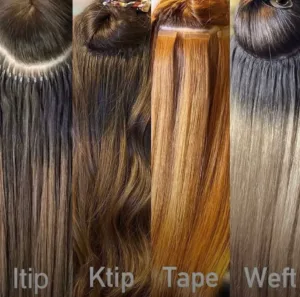
Permanent extensions for short hair include keratin U tip, V-light extensions, micro wefts, and tape-in extensions. These methods stay secure for months and blend well with short layers.
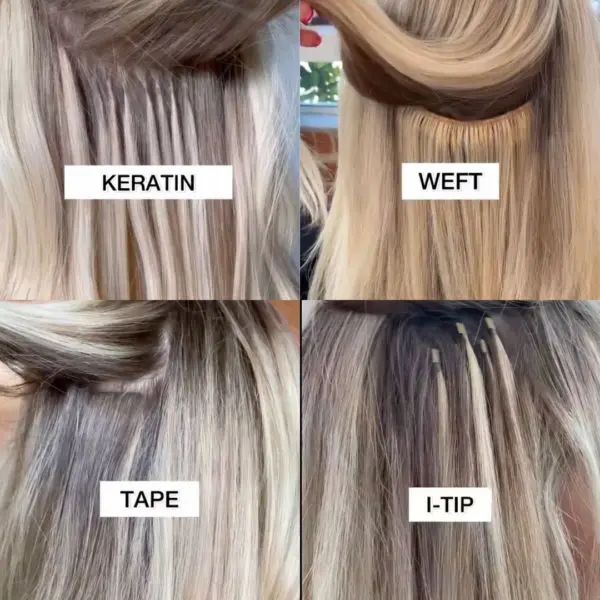
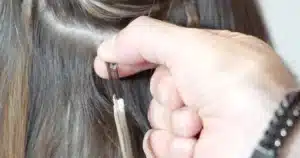
Permanent extensions sit on the head for 6–12 weeks. Short hair needs small, invisible bonds so the base does not show during movement. The installation must consider hair density, growth direction, and head shape.
The best permanent methods
1. Keratin U Tip
- Small and flexible
- Easy to place in hidden zones
- Blends well with short layers
2. Tape-in Extensions
- Flat and lightweight
- Good for increasing volume on sides
- Works well for lobs and bobs
3. V-Light Extensions
- Most invisible in the industry
- Perfect for hairline, crown, and sides
- Works well for extreme short hair
4. Micro / Genius Wefts
- Ultra thin
- Good for structured short cuts with enough coverage
Placement strategy for short hair
| Zone | Best Method |
|---|---|
| Hairline | V-light |
| Sides | Tape-in + V-light |
| Crown | Keratin tips |
| Back | Micro wefts |
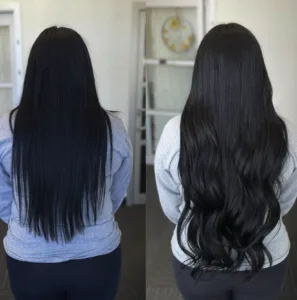
Permanent extensions must follow the natural growth pattern of the hair. When installed with purpose, even very short hair can support a clean transformation.
how to hide extensions in very short hair?
Stylists often struggle with short hair because every bond can become visible. Short layers move freely, exposing attachment points.
You can hide extensions in very short hair by mixing methods, using micro-section placement, and adding small anchor layers around the bonds.
Hiding extensions in very short hair requires technical precision. You must build a foundation, create internal structure, and use soft layering to mask the bonds.
Here are the main techniques:
1. Build a Base Layer
Short hair lacks lower coverage. You must create a stable “base row” using:
- Tape-ins
- U tips
- Thin wefts
This anchors the extension length.
2. Add Micro Fillers
In short haircuts, the weight line is visible. You need micro bonds to fill gaps:
- V-light strands
- Micro U-tips
- Mini tape-ins
These help blend harsh lines.

3. Use the “Sandwich Layer” Technique
Place:
- One layer of extensions
- One thin layer of natural hair
- One smaller extension piece on top
This increases coverage in thin zones.
4. Directional Cutting
Directional point cutting hides transitions and reduces bulk.
5. Mix Color Dimensions
Clients with short hair benefit from:
- Lowlights
- Root shadows
- Blending tones
Color blending hides extension seams.
Table summary
| Technique | Purpose | Result |
|---|---|---|
| Base layer | Support extension weight | Smooth structure |
| Micro fillers | Fill gaps | Strong blending |
| Sandwich layering | Add coverage | Hidden bonds |
| Soft cutting | Remove bulk | Natural movement |
When these techniques combine, even a very short pixie can support believable extensions.
how to hide extensions when putting hair up?
Clients with short hair worry that bonds will show when styling their hair up. Stylists must plan placement carefully for updos.
You can hide extensions in updos by placing bonds away from exposed zones, using micro bonds for edges, and building hidden anchor rows.
Short hair adds difficulty because the natural hair is stiff and short. When pulling it up, the base sections become visible. Planning the installation with updos in mind prevents exposure.
Key placement rules
1. Avoid the “Exposure Triangle”
The triangle around the ear-to-nape area is highly visible when pulling hair up. Keep all bonds at least ½ inch above this zone.
2. Use Micro Bonds for Sides
Side areas lift when tied up. Use:
- V-light strands
- Mini U tips
- Micro tapes
These stay flat and hidden.
3. Build Hidden Back Anchors
Use wefts or U-tips in the lower midsections so the hair can flip upward without showing bonds.
4. Check the “Flip Test”
Ask the client to lift all hair upward.
Adjust placements that appear exposed.
Extra blending techniques
| Technique | Result |
|---|---|
| Edge thinning | Softer blend |
| Root shadow | Hides transitions |
| Face-framing | Covers side bonds |
Stylists who plan installation based on the client’s daily styling routine create the most natural results in updos.
My opinion
I believe very short hair requires more strategy than any other extension service. You need the right method, smart placement, and fine blending work. V-light, tape-ins, and keratin tips help stylists create natural results even on challenging short hair. When working with short cuts, the detail always decides the quality.
FAQ
Can very short hair support extensions?
Yes. With proper placement, even pixie-length hair can support extensions.
Which extensions are best for very short hair?
Tape-ins, keratin tips, and V-light extensions blend the best.
How long should hair be to get extensions?
Usually 2–3 inches, depending on the method.
Are extensions obvious in short hair?
No, when installed with micro sections and fine blending.
Conclusion
Short hair extensions require precise placement, smart layering, and the right extension method to stay invisible and blend naturally.