Hair extensions look beautiful, but they require a structured maintenance routine to stay secure, comfortable, and invisible. Many clients feel unsure about how often extensions should be moved up, and stylists want a clear answer for each method. This guide gives you a simple, professional schedule you can use for consultations and salon planning.
Hair extensions should be moved up based on their type and your hair’s growth rate. Typically:
Tape-ins: 6-8 weeks.
Sew-ins: 8-10 weeks.
Micro-links: 10-12 weeks.
Fusion Hair: 12-14 months.
It’s essential to consult with your hair technician, who can provide personalized advice based on your specific circumstances.
Each extension type behaves differently as the hair grows. Your client’s scalp condition, lifestyle, and aftercare also affect the move-up schedule. Keep reading to see the full timing breakdown and how to guide your clients with confidence.
1

Why Hair Extensions have to Move-Up?
Many clients feel confused when their extensions start to shift. Some think this means the hair is damaged. Others fear the install failed. These worries push them to ask questions without clear facts.
Extensions need regular move-ups because natural hair keeps growing. When roots grow, the bonds shift downward. This creates tension, discomfort, and visible attachments. The move-up keeps the install safe, clean, and invisible.
The idea of why extensions need to be moved up sounds simple, but the reasons behind it have layers. I explain these layers to my clients because it helps them understand why a stable schedule matters. I normally describe four main reasons. The first reason is the natural hair growth cycle. Every client grows about half an inch per month. When this happens, the attachment point slides down from the scalp. This distance increases tension because the extension now pulls from a weaker area. If the tension keeps building, the root becomes stressed.
The second reason is stability and security. When a bond or bead moves too far from the scalp, it becomes loose. Loose attachments flip, twist, or roll. This movement creates friction between the natural hair and the extension strand. Friction leads to tangles near the root, and tangles lead to matting. This is the main cause of breakage when extensions stay too long without a move-up.
The third reason is visibility. Clients love an invisible, seamless blend. When the attachment point moves down, it becomes easier to see or feel. For tape-ins, the tab may peek out. For wefts, the track becomes more obvious. For beaded methods, the bead may show when the client parts her hair. These small signs can hurt the final look.
The fourth reason is hygiene. When attachments sit far from the scalp, oils, dust, and product buildup collect between the bonds. This buildup is very difficult to clean, even with the best shampoo. This is why the move-up not only improves the appearance but also improves scalp health.
When stylists explain these four reasons, clients understand that move-ups are not optional. They are part of safe and long-lasting extension wear. This makes the service feel professional and trustworthy, and it helps clients plan for long-term maintenance.

how often to move up extensions?
Salon owners and stylists want a clear schedule so they can guide clients with confidence. They ask how often to move up extensions in general, but also how often to get extensions moved up for each method.
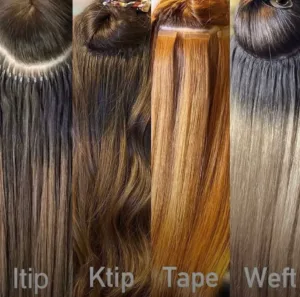
Most tape-ins need 6–8 weeks. Most beaded methods need 10–12 weeks. Wefts need 8–10 weeks. Fusion methods need 12–14 weeks before removal and reinstall.
Clients wear different extension systems. This means each system needs a different move-up timeline. I guide stylists to use clear numbers. This helps them set expectations during consultation.
how often to move up tape in extensions?
Tape-ins need the most frequent move-ups. I see the best results at 6–8 weeks. Natural oils soften the adhesive over time. When the tape grows too far from the scalp, the tab becomes more visible. Clients with oily scalps, fine hair, or active lifestyles may need move-ups closer to six weeks. This is why the question how often to move up tape in hair extensions is one of the most searched.
how often to move up fusion hair extensions?
Fusion bonds hold the longest. These keratin tips sit close to the scalp and stay stable for months. They do not move like beads or tapes. Most stylists move them up by removing and reinstalling every 12–14 weeks. This is why people ask how often to move up fusion hair extensions. Fusion hair gives the longest wear, but still needs timely removal to avoid tension.
how often to move up weft hair extensions?
Wefts sit on rows. This means regrowth affects the entire track, not just individual points. Most stylists move up sew-in or beaded wefts every 8–10 weeks. When the row grows too far down, it becomes loose and heavy. Many salon owners search how often to move up weft hair extensions because timing affects comfort and stability.
how often to move up beaded hair extensions(Micro-links)?
Beaded or micro-link extensions use small metal or silicone-lined beads. These beads slide when the hair grows. Most clients need a move-up every 10–12 weeks. The bead placement must stay close to the scalp so it remains flat and comfortable. This is why people ask how often to move up beaded hair extensions.
These numbers help stylists create a structured maintenance plan. When clients understand the timeline, they book earlier, avoid damage, and trust the process more.
1

What Factors Influence The Move-Up Schedule
1
Delving into the meticulous world of hair extension care, one quickly realizes that there isn’t a ‘one size fits all’ approach. The nuances of determining the optimal move-up schedule for extensions are influenced by a spectrum of factors, each playing a pivotal role in ensuring that the added locks blend seamlessly with the natural ones.
Hair Growth Rate: Just like the seasons change and plants grow, so does your hair. As your natural hair thrives, extensions start to drift away from the scalp. This movement necessitates adjustments, ensuring that extensions don’t become overtly noticeable. Individuals blessed with faster growth rates might find themselves booking salon appointments a tad more frequently.
Type of Extensions: In the realm of extensions, variety is abundant. From tape-ins to fusion hair, each comes with its own set of characteristics and longevity. For instance, while tape-ins may demand more frequent adjustments due to their design, fusion hair, with its robust keratin bonding, might allow for more extended periods between move-ups.
Maintenance Routine: The longevity and vibrancy of extensions are akin to plants. Just as a plant needs the right amount of water, sunlight, and nutrients, extensions thrive with the right care. This includes using products specifically tailored for extensions, avoiding excessive heat, and following the aftercare instructions to the letter. Effective care not only extends their lifespan but also maintains their luster.
Lifestyle Choices: Our daily activities, often overlooked, have a substantial impact on extension care. Regular swimmers, for instance, expose their extensions to chlorine, which can compromise the bonding. Fitness enthusiasts might notice that sweat affects the grip of certain extensions. Being mindful of these factors and adjusting care routines accordingly can make all the difference.
Salon Expertise: Just as an experienced chef knows the perfect blend of spices, a seasoned hairstylist understands the intricacies of hair extensions. The proficiency and techniques employed during installation and move-up play a colossal role in how long extensions maintain their prime condition. It’s not just about moving them up, but doing so in a manner that preserves their integrity and appearance.
In conclusion, understanding these dynamics offers a holistic approach to hair extension care. With this knowledge in hand, one can ensure their extensions not only look impeccable but also stand the test of time, creating a harmonious blend with the natural tresses.
1

1
The Warning Signs That It’s Time to Move Up Hair Extensions
1
Your hair communicates in its unique ways, and it’s essential to be attuned to its signals. Regularly scheduled move-ups are great, but there are immediate signs indicating when your extensions need attention:
Tangling at the Roots: Increased tangling, especially near the base of the extensions, often suggests that the extensions have shifted due to natural hair growth. It’s a clear sign that adjustments are needed.
Loose Extensions: Extensions should be firmly anchored. If they begin to feel unstable or excessively mobile, it’s a telltale sign that they require professional tightening.
Visible Gaps: Extensions should blend seamlessly. If you start noticing visible gaps or separations between the extensions and your natural hair, it’s time for a move-up.
Uncomfortable Pulling: As your hair grows, the extensions might exert more pressure on your roots. Any sensation of consistent discomfort or pulling indicates the need for repositioning.
Matting: Matting, particularly close to the roots, shows that the extensions are not aligning correctly with the natural hair and require intervention.
Changed Hair Texture: Extensions should maintain consistency with your natural hair. Any perceptible difference in texture or feel signals that they might need some care or adjustment.
Being proactive and addressing these signs promptly will ensure the longevity of your extensions and maintain the health of your natural hair. It’s all about being observant and timely!
1
Move-Up Cost Guide (For Salon Owners)
Salon owners ask for a cost guide because they want clear pricing rules. Move-up services depend on time, method, and labour. The price of hair extensions varies depending on the regions, the stylists’ skill level, service fees, and other factors. The following are just reference prices based on different types of hair extensions.
Most salons charge a fixed fee per method. Tape-ins start lower. Wefts and beads sit in the middle. Fusion methods require a full reinstall.
Simple rules make pricing clear for both stylists and clients. Tape-ins usually cost less because they take less time. Most salons charge between 120 and 300 USD for a full head move-up. The price changes based on volume and length.
Weft move-ups cost more because they require skills in sewing or beading. A typical range is 150 to 350 USD per row. Many salons charge by the row because clients often wear one to three rows. This keeps the pricing flexible.
Micro-links or beaded extensions sit between tape-ins and wefts. These take longer to move up because each strand or micro-row must be reattached. Prices range from 150 to 300 USD for a full head.
Fusion methods do not have a true move-up. The stylist must remove and reinstall the entire set. This takes hours and costs more. Most salons charge 300 to 600 USD for this service. This is why fusion clients book less often but spend more per visit.
Salon owners also add service upgrades. These include clarifying treatments, bond replacements, retaping new tabs, and hair treatments. These upgrades increase revenue and improve client satisfaction. Clear pricing helps clients plan their maintenance budget and helps salons keep a stable income flow.
Tips For Extending The Life of Your Extensions
1
Extensions, when seen through the prism of an investment, are not just about monetary value but also about the time, effort, and trust placed in them. To ensure that they flourish, it’s pivotal to foster an environment of care. Here’s an expanded guide to making sure your extensions serve you beautifully for the longest time:
Avoid Excessive Heat: While the allure of styling tools is undeniable, it’s essential to use them judiciously. Overuse can strip extensions of their luster. It’s similar to sun exposure; a little might be refreshing, but too much can be damaging. When heat styling is inevitable, applying a heat protectant acts as a shield, preserving the integrity of your extensions.
Use Extension-Friendly Products: Extensions have specific needs. By opting for products that are specifically designed for them, you’re not just washing and conditioning; you’re providing a tailored nutrition plan. These products, often sulfate-free, ensure that the extensions retain their vibrancy while avoiding potential harm.
Gentle Brushing: Tangles are the arch-nemesis of extensions. But combatting them requires a delicate hand. Initiating brushing from the ends and gradually moving upwards is like charting a roadmap, ensuring minimal breakage and maximum smoothness.
Night-time Care: As you rejuvenate in sleep, ensuring your extensions have a peaceful rest too can make a world of difference. Simple acts, like braiding or loosely tying them up, prevent them from entering into a tangle war.
Regular Maintenance Checks: Just as you would periodically review any valuable investment, scheduling consistent salon visits ensures that your extensions remain in prime condition. An experienced stylist can spot minor issues before they escalate, thus preempting potential challenges.
Avoid Chlorine & Salt Water: The refreshing embrace of pool or sea water might be invigorating for you, but for extensions, they can be adversaries. Chlorine and salt can be harsh, compromising the bond and texture of extensions. A quick rinse post-swim and applying a leave-in conditioner can act as a protective barrier.
In the realm of hair extensions, care isn’t just about preservation; it’s about amplification. By imbibing these practices, you’re not just maintaining; you’re enhancing. The dividends? A cascading waterfall of hair that echoes beauty, strength, and grace with every move.
1

1
conclusion
1
A consistent move-up schedule is the key to safe, long-lasting, and seamless hair extension wear. When clients follow the right timing for their method, the hair stays healthier and the results stay flawless. With the right plan, extensions remain a reliable long-term service in any salon.