Have U ever paid for microlinks and then worried they will slip in two weeks? Do U want a clear timeline before U book the next install or put this service on your salon menu?
Micro link extensions usually stay in good condition for about 6–10 weeks before a move-up is needed. The exact timing depends on hair growth, section sizing, bead type, and aftercare. The extension hair can be reused longer across several move-ups when the hair quality is high and the tips stay stable.

This guide explains what microlinks are, what affects their lifespan, and what daily habits keep them neat. I write from a manufacturer view, so I focus on the system and the rules that reduce complaints.
What are micro link hair extensions?
Do U see “micro links,” “microlinks,” “micro rings,” and “micro beads” used in the same sentence? Most of the time, they are talking about one method.
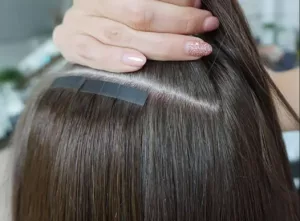
Micro link hair extensions are single-strand extensions attached using a small ring that clamps around a small section of natural hair and the extension tip. The method uses pressure, not adhesive and not melted keratin. Many salons pair microlinks with I tip hair because the tip size fits common micro ring sizes.

Dive deeper
Microlinks work because the ring acts like a tiny clamp. When the ring is pressed closed, it grips the natural hair and the extension strand at the same time. This is why people often call the method “no-glue.” The hold does not come from sticky tape or fused keratin. The hold comes from the ring shape and closing pressure.
Because the hold is mechanical, the method is sensitive to sizing. I break sizing into three parts:
- the ring size
- the natural hair section size
- the extension strand tip size
If the natural hair section is too thick, the ring cannot compress evenly. That can lead to slipping. If the section is too thin, the bond can feel tight and can stress hair. If the extension tip is not sized for the ring, the ring may not close properly or may need too much pressure.
Microlinks also have ring options. Some rings are silicone-lined. These can grip better on slippery hair or oily roots. Some rings are unlined. These can feel smaller and lighter, but they can slide more for some people. The ring coating and edge finish matter too. A smooth edge reduces snagging and makes daily brushing easier.
This is why microlinks last longer when the system is matched. A good install is not only “good hair.” It is also correct rings, correct sizing, and correct pressure.
| Micro link part | What it is | Why it matters | What goes wrong when it is off |
|---|---|---|---|
| Micro ring / bead | the clamp hardware | controls grip and comfort | slipping or snagging |
| Natural hair section | the hair inside the ring | carries the strand load | too big slips, too small pulls |
| I tip strand | common strand used with microlinks | fits ring size | mismatch reduces stability |
| Closing pressure | how tight the ring is pressed | controls stress level | over-pressing causes breakage |
| Placement plan | where bonds sit | hides rings | rings show near part lines |
How long does microlinks last?
Do U want the honest answer, not the marketing answer? Microlinks do not last “for months” without maintenance. The look can last months, but only with move-ups.
Microlinks usually need a move-up around 6–10 weeks. Fine hair and fast growth often need the shorter end. Thick hair and careful routines often reach the longer end. Hair reuse can continue longer when the hair grade is high and the tips stay strong.
Dive deeper
I separate microlink lifespan into two timelines, because people mix them up.
Timeline A: time until move-up
Natural hair growth moves the rings down. When rings sit lower, they swing more. When they swing more, they catch nearby hairs. This creates root tangles. Root tangles create pulling during brushing. Pulling shortens the neat look. So the “move-up window” is the true lifespan of a microlink install.
Common real-life ranges:
- 6–8 weeks: fine hair, oily scalp, active lifestyle, or poor aftercare
- 8–10 weeks: medium density, steady brushing routine, and clean root care
Timeline B: time the extension hair itself stays worth using
This depends on hair quality and tip stability. If hair tangles less, clients brush with less force. Less force means less stress on the rings. That helps bonds stay in place and keeps tips intact. If hair tangles more, clients brush harder and tug at the bonds. That shortens both the install life and the hair reuse life.
What makes microlinks last longer in real life
- correct section size for each strand weight
- correct ring type for the client’s hair and scalp
- correct closing pressure that is firm but not crushed
- a strict move-up schedule before tangles start
I also suggest that salons treat microlinks as a program, not a one-time appointment. When move-ups are pre-booked, the method becomes stable. When clients “wait until it feels messy,” the method becomes stressful.
| Factor | Pushes lifespan longer | Pushes lifespan shorter |
|---|---|---|
| Hair growth speed | slow growth | fast growth |
| Hair density | medium to thick | very fine hair |
| Ring type | lined ring when needed | wrong ring choice |
| Section sizing | consistent sizing | random section sizes |
| Aftercare | gentle daily routine | heavy oils at roots, rough brushing |
| Maintenance timing | early move-ups | delayed move-ups |
Are microlinks damaging to hair?
Do U worry that a metal ring will “cut” hair? Damage is not automatic, but the risk is real if the method is done without control.
Microlinks can be low-damage when rings are smooth, sections are sized correctly, and rings are closed with controlled pressure. Damage risk rises when rings are over-pressed, when sections are too small, or when clients delay move-ups and create matting.
Dive deeper
Hair damage usually comes from stress. Stress has three main sources in microlinks: tension, friction, and pulling.
1) Tension from wrong section size
If the natural hair section is too small, the strand load becomes heavy for that section. The bond pulls. The client feels tightness. Over time, that pull can lead to breakage near the root. This is why section sizing is the first safety rule.
2) Friction from poor ring finish
If ring edges are rough, hair can snag during brushing. Snagging makes clients pull harder. Pulling increases breakage risk. A smooth ring with stable coating reduces snagging.
3) Over-pressing the ring
Some technicians press rings very flat because they fear slipping. A ring that is crushed too much can form sharp corners. Sharp corners pinch hair. Pinched hair breaks. The hold should come from a clean closure, not from crushing.
4) Late maintenance and matting
When rings grow out too long, they move more and tangle more. Tangling leads to aggressive brushing. Aggressive brushing is one of the fastest paths to breakage.
If U are a salon owner, the easiest way to reduce damage complaints is to set rules:
- minimum section size rule per strand weight
- maximum strand weight rule for fine hair clients
- move-up booking rule before tangling begins
| Risk source | What U may notice | Why it happens | What reduces risk |
|---|---|---|---|
| Too small sections | soreness, breakage | high tension | correct sizing and lighter strands |
| Rough rings | snagging | poor edge finish | smooth rings with stable coating |
| Over-pressed rings | short hairs at roots | sharp pressure points | controlled closing pressure |
| Delayed move-ups | matting | rings sit too low | maintenance routine |
| Heavy oils at roots | slipping | grip reduces | keep roots clean |
Can you wash your hair with microlinks?
Do U feel afraid to wash because U think water will loosen the rings? Washing is allowed, but technique matters.
U can wash hair with microlinks. U should focus shampoo on the scalp, rinse very well, and avoid heavy oils near the rings. U should dry the root area fully because damp roots increase tangling and can create odor.
Dive deeper
Washing is part of making microlinks last. Many people avoid washing because they fear slipping. In reality, dirty roots and product build-up often cause more slipping. Build-up reduces grip and increases tangling.
A safe wash routine looks like this:
1) Brush before washing
Brushing removes loose shed hair. Shed hair trapped near rings becomes tangles later.
2) Shampoo the scalp, not the bonds
The goal is to clean the scalp. Fingertips should work in small circles. Nails should not scratch. Shampoo foam should flow down the lengths.
3) Rinse longer than U think
Rinse is the secret. Leftover shampoo causes itching and build-up. Build-up causes slipping and matting.
4) Conditioner stays on mid-lengths and ends
Heavy conditioner near roots can reduce grip and attract residue. Keep it away from the ring area.
5) Dry the root area fully
Damp roots increase tangling. Damp roots also create odor and irritation. Blow drying the root area helps maintain a neat base.
If U want microlinks to last closer to 8–10 weeks, clean roots and dry roots help. If roots stay oily and damp, slipping and matting appear sooner.
| Wash step | What it does | What to avoid |
|---|---|---|
| Brush before wash | reduces shed-hair tangles | washing without detangling |
| Shampoo on scalp | keeps roots clean | scrubbing bonds aggressively |
| Long rinse | prevents build-up | quick rinse |
| Conditioner low only | keeps grip stable | conditioner on rings |
| Dry roots fully | reduces tangles | air-drying roots for hours |

How to maintain microlinks?
Do U want the simplest routine that keeps microlinks neat? Maintenance is mostly small daily habits plus on-time salon visits.
Microlink maintenance includes gentle daily brushing, keeping heavy products away from the rings, sleeping with protection, and booking move-ups before the bonds drop too far. The goal is to prevent tangles and reduce pulling stress.
Dive deeper
Microlinks last longer when U treat them like a system that needs low stress. Stress comes from pulling, tangling, and residue. So the maintenance plan should reduce those three things.
Daily: brushing and control
Brushing should start from the ends and move upward. A soft approach reduces tugging at the rings. Brushing near the roots should be gentle. The goal is to separate hair around the bonds, not to rip through.
Daily: product rules
Lightweight products belong on mid-lengths and ends. Heavy oils and thick creams near the scalp can reduce grip and collect residue. That residue then increases tangling and slip risk.
Night: reduce friction
A simple braid or loose ponytail reduces rubbing. A silk or satin pillowcase reduces friction. Less friction means less tangling.
Weekly: check the root area
Microlinks can trap shed hair. Shed hair is normal. The issue is when shed hair stays trapped and becomes a knot. A weekly root check helps.
Salon: move-ups and ring checks
Move-ups keep bonds close to the scalp and reduce swinging. During move-up, the stylist also checks for rings that are distorted or placed poorly. This resets the whole system.
For salon owners, the easiest way to keep clients happy is to provide a short aftercare sheet and book move-ups at checkout. When clients leave without a next appointment, they often return too late, and the method looks “bad” even if the install was fine.
| Maintenance area | What to do | Why it helps |
|---|---|---|
| Brushing | gentle, twice daily | reduces pulling stress |
| Products | light at roots, richer on ends | keeps grip stable |
| Sleep | braid + low-friction fabric | reduces tangling |
| Root checks | separate shed hair | prevents matting |
| Move-ups | book before 10 weeks | keeps bonds neat |
What makes microlinks fail early?
Do U see microlinks that slip fast or look messy after a short time? Early failure usually has a few clear causes.
Microlinks fail early when section sizing is wrong, when rings are mismatched to hair type, when roots are oily with build-up, or when move-ups are delayed. Fixing the process and routine often fixes the lifespan.
Dive deeper
Early failure feels random to many people. It is not random. It usually follows a pattern.
Slipping pattern
Slipping often starts with a too-thick section or oily roots. The ring cannot grip well. Product build-up makes it worse. A lined ring can help some clients, but correct section sizing matters more.
Matting pattern
Matting starts when rings grow out. Rings swing. Hair wraps around the bond. Shed hair gets trapped. The root area becomes a knot. The client brushes harder. Hard brushing creates breakage. This is why move-up timing is a lifespan lever.
Soreness pattern
Soreness often comes from sections that are too small or too much hair weight placed in one zone. It can also come from bonds placed too close to the scalp. Comfort is a signal. It should not be ignored.
Visibility pattern
Rings show when the placement is too high near part lines, or ring color is far from root shade. Even a small ring can reflect light. Placement planning solves most of this.
If U want longer wear time, U need a repeatable method, not “hope.” A salon SOP and a client routine together create stability.
| Early failure | First sign | Usual root cause | Fix direction |
|---|---|---|---|
| Slipping | rings slide down | wrong sections, oily roots | sizing + cleaning + ring choice |
| Matting | tangles at roots | delayed move-ups | earlier maintenance |
| Soreness | tight scalp feel | too small sections | resize and rebalance |
| Visible rings | dots near part | placement, color mismatch | map and shade match |
| Breakage | short hairs | over-pressure, pulling | controlled closure + routine |

My opinion
Microlinks last longer when the client understands the method is not “set and forget.” I think the best results come when salons build a simple plan: correct section sizing, smooth rings, controlled pressure, and a move-up schedule that is booked in advance.
I also see that hair quality changes the whole experience. Smooth hair tangles less. Less tangling reduces pulling. Less pulling protects both bonds and natural hair.
FAQ
Is 12 weeks too long for microlinks?
For many people, yes. Some can reach 10 weeks, but 12 weeks often increases tangling and stress. Fine hair usually needs earlier move-ups.
Can microlinks last 3 months?
The install may still be in the hair, but the neat look usually declines without a move-up. Many people need maintenance before 3 months.
Do microlinks fall out easily?
They should not fall out when sizing and pressure are correct. Early slipping often means wrong sections, oily roots, or ring mismatch.
Can microlinks be tightened?
Yes. A stylist can open and reposition rings during maintenance. This is part of the move-up process.
Do I need special shampoo for microlinks?
U do not need a special brand, but U should avoid heavy oily products near the roots. Clean rinsing is more important than brand.
Can I swim with microlinks?
U can, but U should rinse after swimming, keep hair controlled, and dry roots well. Chlorine and salt can increase dryness and tangling.
Conclusion
Micro link extensions usually look best for 6–10 weeks before a move-up. Lifespan depends on correct sizing, clean roots, gentle care, and on-time maintenance.
Hibiscus Hair Manufacturer has been dedicated to producing high-quality hair extensions for 25 years and is a recognized leader in the industry. If you are interested in finding a reliable hair extensions supplier and wholesale for your brand, please visit our website for more information: