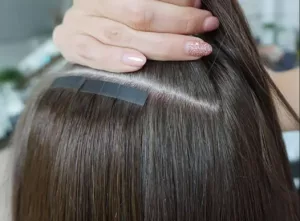
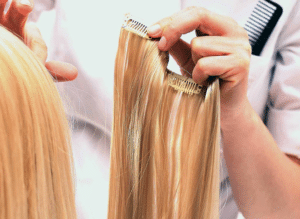
Have clients ever asked why microlink extensions seem safe in theory, yet still develop problems in real wear? This question appears often, especially among experienced salon owners and long-term extension users.
Microlink extensions do not damage hair by default. Hair damage happens when mechanical stress is mismanaged over time. Weight control, section balance, maintenance timing, and hair quality decide the final outcome far more than the method itself.

To judge microlinks fairly, it is important to step away from marketing claims and look at how this system behaves under real, repeated wear conditions.
What Is a Microlink Hair Extension?
Microlink hair extensions are often grouped together with other bead-based systems, yet their structure and behavior deserve clearer definition.
Microlink hair extensions are individual or strand-based extensions attached to natural hair using small metal or aluminum rings. The ring is clamped shut to secure both hairs together, without heat, glue, or tape.
[Image Placeholder]
Structural Logic Behind Microlinks
A microlink functions as a mechanical connector. Natural hair and extension hair sit inside the ring. Pressure from the closed ring creates friction, and friction creates hold.
Because there is no chemical reaction, the hair shaft remains intact. This is the main reason microlinks are often described as a low-damage or clean system.
However, pressure-based systems are unforgiving. Pressure must be evenly distributed. When weight or section size is misjudged, stress concentrates in one area and damage develops gradually.
Common Types of Microlink Hair Extensions
Microlinks include several subtypes, each designed to manage pressure differently.
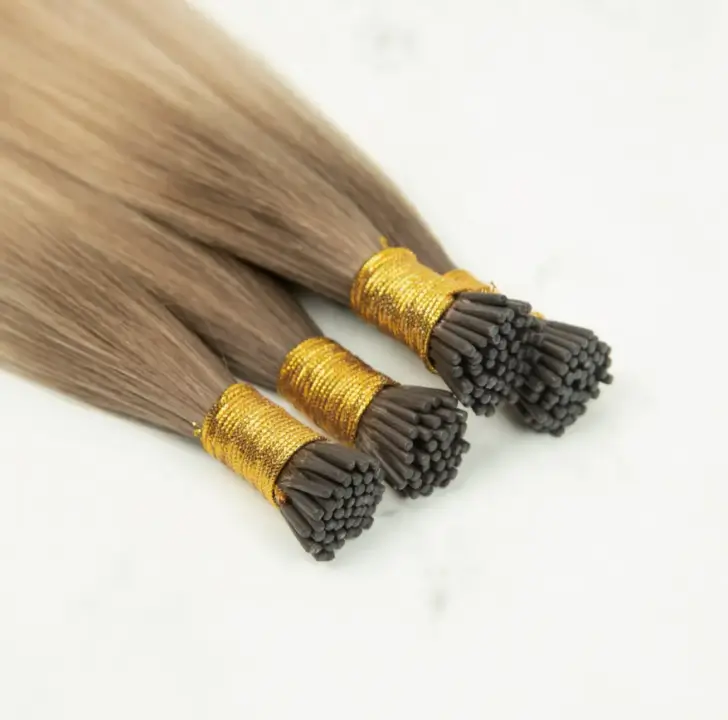
I-tip hair extensions use a thin, stick-shaped tip. They allow flexible placement and natural movement. At the same time, they place all weight on a single point.
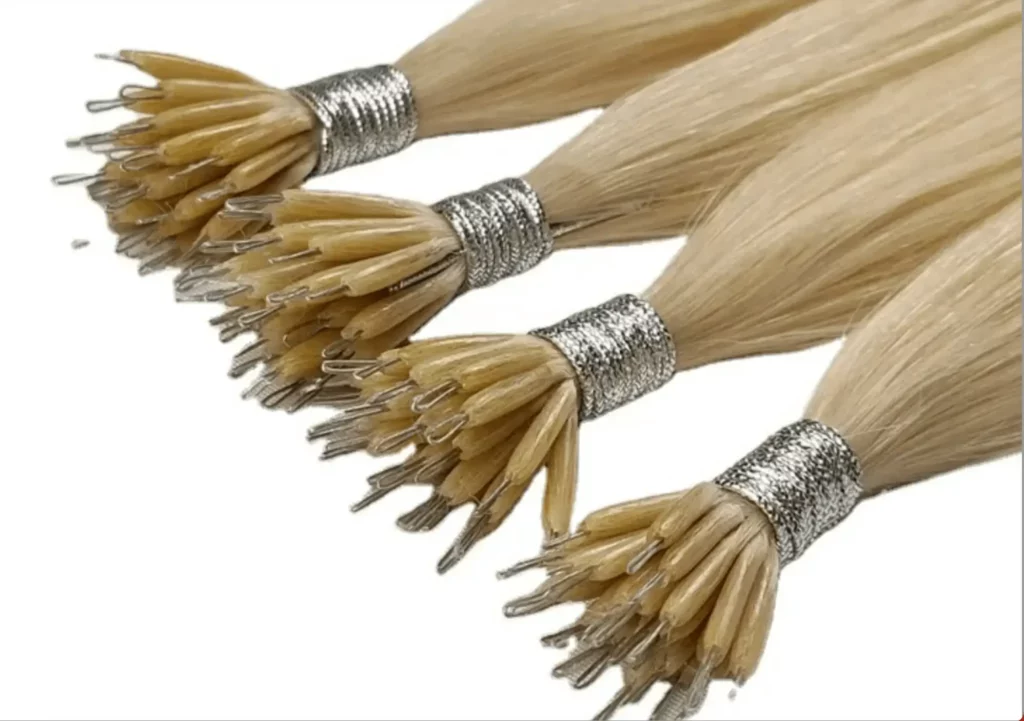
Nano ring extensions use smaller rings and thinner tips. They improve invisibility and are often chosen for fine hair. They require higher technical accuracy.
F tip hair extensions use a flat plastic tip inside the ring. The flat surface spreads pressure inside the bead, improving grip and comfort.

Although the attachment logic stays the same, the pressure behavior differs between types.
Why Microlinks Appeal to Long-Term Wearers
Microlinks allow repeated removal and reinstallation. This makes them suitable for high-quality hair intended for long-term use.
For salons and wholesale buyers focused on durability, microlinks align well with premium hair strategies.
Are microlinks damaging to hair?
This question depends on how damage is defined and measured.
Microlinks do not damage hair immediately. Damage develops slowly when mechanical stress exceeds what natural hair can tolerate over time.
Understanding Mechanical Stress
Mechanical stress builds when hair grows but the attachment point stays fixed.
As weeks pass, the ring moves farther from the scalp. Leverage increases. The hair root experiences pulling at new angles. If this is not corrected, micro-breakage begins.
This process is gradual and often invisible at first. By the time shedding or thinning is noticed, the issue has existed for weeks.
Common Sources of Microlink Damage
Most damage traced to microlinks comes from:
- Oversized extension weight per strand
- Sections that are too small
- Rings placed too close to the scalp
- Missed or delayed maintenance
- Aggressive brushing near the root
The ring itself is rarely the cause. The decisions around it are.
Hair Quality as a Risk Multiplier
Strong, healthy natural hair tolerates pressure better than fragile or chemically compromised hair.
Clients with over-bleached, relaxed, or heavily thinned hair need conservative designs. Microlinks are not automatically wrong for them, but margin for error is small.
Extension hair quality also matters. Poor-quality hair tangles faster, increasing pulling near the bead area and accelerating stress.
How do you remove microlinks?
Installation quality defines the lifespan of microlinks more than any other factor.
Microlink installation is a balancing act between security and freedom of movement.
Sectioning Discipline
Each section must match the weight of the extension strand and the size of the ring.
If the section is too small, tension concentrates. If it is too large, grip weakens and slipping begins.
Consistent section size across the head creates predictable pressure distribution.
Ring Placement and Orientation
Rings should sit parallel to the scalp, not angled.
Angled rings create pressure points. Pressure points turn into breakage zones over time.
Placement should also respect growth patterns. Crown swirls and fragile hairlines require extra caution.
Clamping Pressure Control
Rings should be closed firmly but not crushed.
Over-clamping flattens natural hair inside the ring. Under-clamping allows movement and friction.
Correct pressure feels stable but allows slight flexibility.
Maintenance Timing and Its Role in Hair Health
Maintenance is not optional in microlink systems.
Microlinks rely on timely adjustments to reset tension before it accumulates.
Standard Maintenance Cycle
Most microlink systems require move-ups every 6–8 weeks.
Natural hair grows around 1–1.5 cm per month. As it grows, leverage increases. Waiting beyond eight weeks increases root stress.
Some clients stretch maintenance to save cost. This almost always results in more expensive problems later.
What Happens When Maintenance Is Skipped
Skipped move-ups lead to:
- Tangling near the root
- Beads rotating and pulling
- Increased shedding during brushing
- Breakage at stress points
These problems are often blamed on the method, not the delay.
Maintenance as Prevention, Not Repair
Regular maintenance prevents damage. It does not fix damage that already exists.
This distinction matters when setting expectations with long-term wearers.
Can you wash your hair with microlinks?
Daily habits shape long-term outcomes more than installation day.
Microlinks tolerate washing well, but product placement and drying habits matter.
Washing Technique
Shampoo should focus on the scalp and move downward.
Conditioner should stay away from ring areas. Conditioner reduces friction inside rings and increases slipping risk.
Regular washing keeps oil buildup under control, which helps grip.
Drying and Sleeping Habits
Hair should be fully dry before sleep.
Wet hair stretches more and increases pulling at attachment points. Sleeping on wet microlinks accelerates stress.
Loose braids or low ponytails during sleep reduce movement friction.
Brushing Behavior
Brushing should start at the ends and move upward slowly.
Hair near the root should be supported with the hand to reduce tension on rings.
Aggressive brushing is one of the fastest ways to shorten microlink lifespan.
Removal and Reinstallation Safety
Removal is as important as installation.
Microlinks should be opened, never pulled.
Correct Removal Process
Special pliers reverse the ring shape.
Once opened, extension hair slides out easily. Natural hair remains intact.
Common Removal Errors
Pulling hair before fully opening the ring causes snapping.
Using incorrect tools bends rings and traps hair.
Long-Term Impact of Gentle Removal
Correct removal allows multiple reuse cycles without cumulative damage.
This is one of the strongest advantages of microlinks when paired with high-quality hair.
How many times can you reuse microlinks?
Reuse depends almost entirely on hair quality and care.
Microlinks themselves do not limit reuse. Hair condition does.
Hair Quality and Reuse Potential
Full cuticle hair often lasts 1year with proper maintenance.
Standard Remy hair usually supports several months of reuse.
Lower-grade hair tangles and sheds early, reducing reuse value.
Ring Replacement
Rings are usually replaced during reinstall. Fresh rings improve hygiene and grip consistency.
Long-Term Cost Perspective
High-quality hair paired with microlinks reduces replacement frequency and improves overall value for professional buyers.
My Opinion
I see microlink extensions as a system that exposes truth. They do not hide mistakes.
When microlinks fail, it is rarely sudden. The signs appear early. Discomfort, slipping, and tangling always tell a story.
When weight is balanced, timing is respected, and care is consistent, microlinks support healthy natural hair and long-term wear. The method itself is honest. Results depend on discipline.
FAQ
Do microlink extensions damage hair permanently?
No. Damage is usually mechanical and preventable.
Are microlinks safe for fine hair?
Yes, with smaller rings and lighter weight.
How often should microlinks be moved up?
Every 6–8 weeks in most cases.
Can microlinks be reused many times?
Yes, especially with full cuticle hair.
Do microlinks slip easily?
Slipping comes from sizing, oils, or conditioner.
Are microlinks better than glue systems?
They avoid chemical damage and allow reuse.
Conclusion
Microlink extensions do not damage hair by nature. Precision, maintenance, and care determine whether they become a long-term solution or a short-term problem.