You finally got that full, pretty hair, and bedtime comes fast. Then a new worry shows up. Should you tie it up, or will that make it worse?
You can sleep with hair extensions in a bun, but the bun must be loose, high, and gentle. A tight bun can pull on bonds, create scalp pain, and cause tangles at the nape. A soft braid or loose ponytail is often safer for most extension types.
If you wear extensions and you want comfort plus a longer lifespan, your sleep hairstyle matters more than you think. This guide explains when a bun is okay, when it is a bad idea, and what sleep styles protect your hair best.
Can You Sleep With Hair Extensions In A Bun?
A bun can feel like the fastest solution. Hair stays off your neck. Hair looks neat. Still, the wrong bun can turn into a painful night and a messy morning.
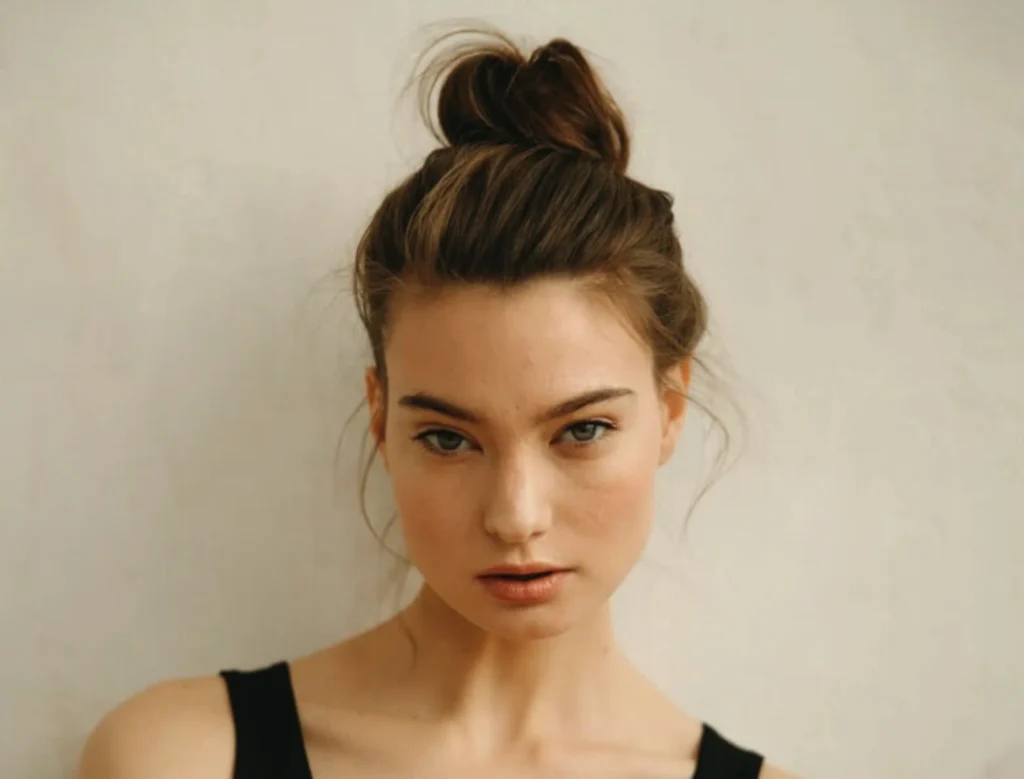
You can sleep with hair extensions in a bun if you keep it loose, place it high, and use a soft tie. You should avoid a tight bun, a low bun at the nape, and any bun that bends or presses on bonds, tapes, beads, or wefts.
Dive deeper
A bun changes tension direction. During sleep, your head moves on the pillow. If the bun is tight, the movement turns into constant pulling at the root area. That is why some people wake up with soreness, itching, or a tight feeling. This is also why some people see early shedding or slipping on certain methods.
Where the bun sits is the main issue
A low bun sits right at the nape. The nape area rubs against the pillow the most. When you combine rubbing and compression, you increase friction. Friction leads to tangling and matting. It also makes bonds and wefts feel “stiff” because they get pressed.
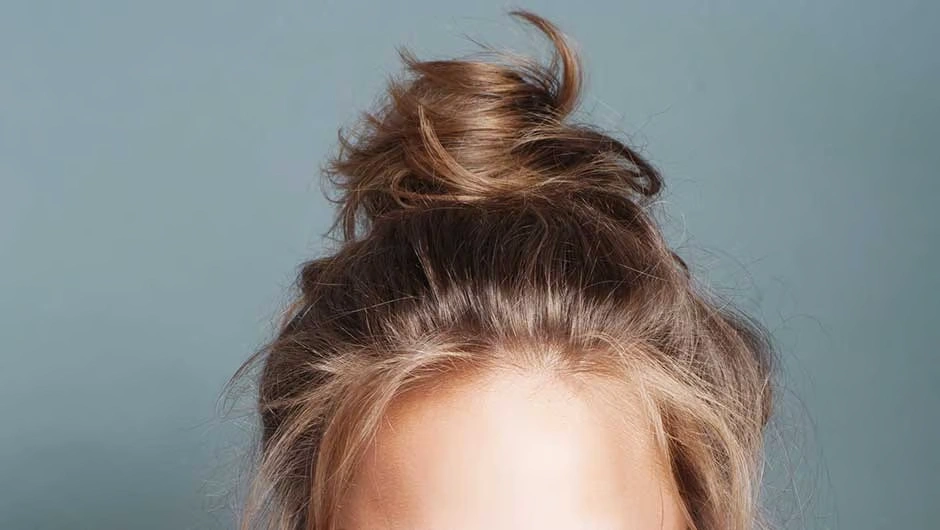
A high bun sits above the pillow contact zone for many sleepers. That reduces rubbing. It also reduces direct pressure on the extension attachment areas.
Tightness decides if the bun protects or harms
A loose bun is a protective style. A tight bun is a stress style. Tight buns create traction. Traction can cause headaches and tenderness. With extensions, traction also increases stress on attachment points. That can shorten wear time.
The hair tie matters more than people think
A thin elastic can pinch hair and create a crease. A soft scrunchie spreads pressure. That is why soft ties are better for sleep. A silk scrunchie can also reduce friction.
Your extension type changes the bun risk
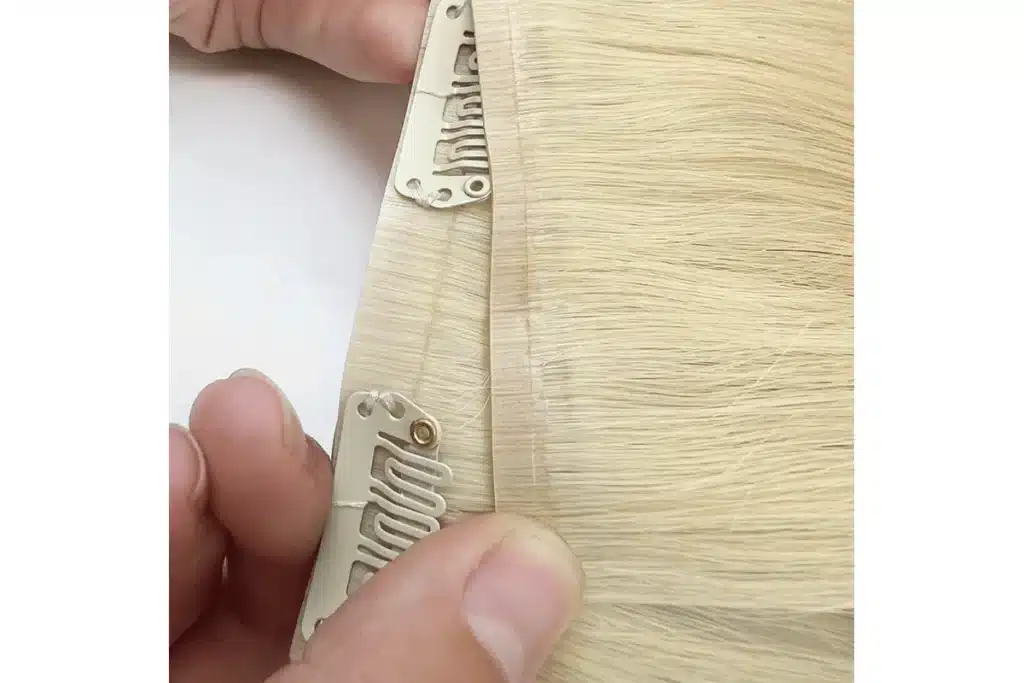
- Tape-ins: a low bun can press and rub on tape areas. A loose high bun is safer than a tight low bun.
- Beaded or micro ring systems: pressure and bending can feel painful. A bun that presses on beads can cause soreness.
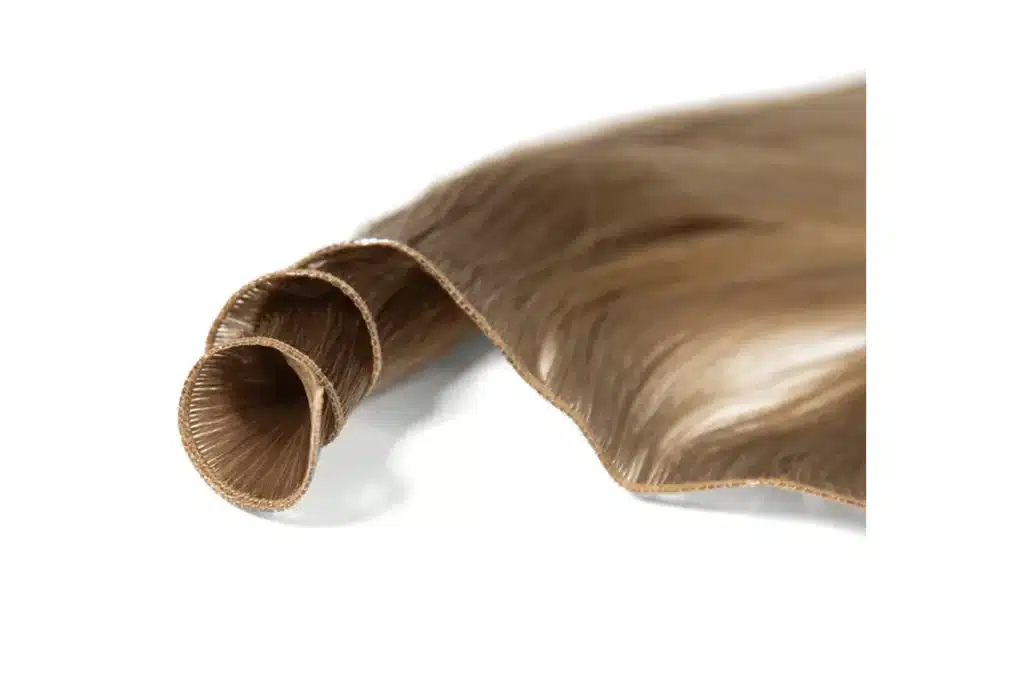
- Sew-in or weft systems: a tight bun can pull on the braid pattern and create tension points.
- Keratin tips: heavy pulling is the risk. A loose style is safer.
Use this bun safety table:
| Bun habit | Risk level | Why |
|---|---|---|
| loose high bun | lower risk | less rubbing and less tension |
| tight high bun | medium risk | tension still pulls at roots |
| loose low bun | medium risk | rubbing at nape causes tangles |
| tight low bun | high risk | rubbing + tension + compression |
If you want a bun, choose “loose and high” every time.
What Is The Best Hairstyle To Sleep In With Extensions?
If you want the best sleep style, you want two results at the same time. You want less friction and less tension. You also want a style that keeps hair organized so it does not knot overnight.
The best hairstyle to sleep in with extensions is usually a loose braid, a loose low ponytail (not at the nape), or a loose high ponytail with a soft scrunchie. A loose high bun can work, but a braid often gives the most consistent anti-tangle control.
Dive deeper
The “best” hairstyle depends on how you sleep. Side sleepers rub one side more. Back sleepers press the nape more. Tossing and turning increases friction for everyone. Still, most people do well with one of these three options.
Option 1: Loose braid
A loose braid keeps hair grouped and controlled. It also reduces the chance that hair wraps around itself. Many extension users wake up with fewer tangles when they braid. A braid also reduces frizz because hair is not moving freely against the pillow.
You should keep the braid loose at the top. You should avoid pulling the braid tight at the root. The braid should start below the attachment areas when possible.
Option 2: Loose ponytail with soft tie
A ponytail is easier than a braid. It still prevents hair from spreading. The key is placement. A ponytail that sits too low can rub. A ponytail that sits too high and tight can pull. A medium-high, loose ponytail often works well.
Option 3: Loose high bun
A bun can protect hair if it stays loose and high. A bun is not always the top choice for very heavy hair because the weight can create tension. A bun is also not ideal if you use a hard clip. Hard clips can press on the scalp and cause pain.
Add the pillow factor too. Silk or satin pillowcases reduce friction and can help all sleep styles work better.
Use this sleep style comparison:
| Sleep style | Best for | What to watch |
|---|---|---|
| loose braid | strong anti-tangle control | keep it loose at the top |
| loose ponytail | simple and quick | avoid low nape placement |
| loose high bun | keeps hair off neck | avoid tightness and hard clips |
If you want one reliable choice, a loose braid is hard to beat.
Should You Avoid A Low Bun With Extensions?
A low bun is popular because it feels natural. Many people also wear it daily. At night, a low bun becomes a friction problem.
You should avoid a low bun with extensions when you sleep because the bun sits in the main rubbing zone. The nape area hits the pillow, and that increases tangling and matting. If you must use a bun, a higher position is usually safer.
Dive deeper
A low bun is not automatically “wrong.” The issue is the environment. The bed and pillow create constant movement. Even if you think you sleep still, your head shifts. Hair shifts too. The nape is where hair collects and rubs.
Why the nape tangles faster
The nape has shorter hairs and finer hairs for many people. Those hairs tangle easily. When extensions add more length and more friction, the nape becomes the first tangling spot. A low bun pushes hair into that exact area.
Why low buns can feel painful on some methods
If you wear beaded systems or sew-in systems, the low bun can press on attachment areas. Pressure can cause soreness. If you wear tape-ins, pressure plus heat from your head can also affect comfort.
What to do if you love low buns
If you must wear a low bun, use it in the daytime, not at bedtime. For sleep, switch to a braid or a high loose style. This small habit change can improve comfort and reduce morning matting.
Use this quick decision table:
| You want to wear | Better time | Why |
|---|---|---|
| low bun | daytime | less pillow rubbing |
| high loose bun | bedtime | less nape friction |
| braid | bedtime | best control |
If you want fewer tangles, keep the nape free at night.

How Do You Sleep Comfortably With Tape-ins In A Bun?
Tape-ins feel flat, but they can still feel “stiff” if they get pressed and bent during sleep. That is why the bun style matters.
You can sleep comfortably with tape-in extensions in a bun by using a loose high bun, keeping tape areas from being folded, and using a satin or silk pillowcase. You should avoid a tight bun that bends tapes sharply.
Dive deeper
Tape-ins sit close to the scalp. That is great for a natural look. At night, that closeness can also mean pressure. If tape tabs get folded, you can feel it. If tape tabs get rubbed, you can see frizz at the root area and more tangles near the join.
Choose a bun that does not fold the tape
A tight bun often creates sharp bends. Those bends can happen right at the tape area. A loose bun creates larger curves. Larger curves reduce pressure points.
Keep the bun higher to reduce rubbing
Tape-ins near the nape can rub the pillow. A high bun helps pull the length away from the pillow contact zone. If you also sleep on a satin pillowcase, friction drops again.
Reduce product build-up before bed
Heavy oils near the tape area can make hair slip and can attract lint. You can keep products mid-length and ends. You can keep the root area clean and dry before sleep.
Use this tape-in sleep table:
| Tape-in sleep concern | What causes it | What helps |
|---|---|---|
| root stiffness at night | tapes bending | loose bun or braid |
| nape matting | pillow friction | higher style + satin pillowcase |
| itchy feeling | build-up | clean scalp routine |
| frizz near join | rubbing | gentler sleep style |
Tape-ins can sleep well, but they need low tension and low friction.
How Do You Sleep With Beaded Or Sew-in Extensions In A Bun?
Beads and wefts create small pressure points. Sew-in patterns also create zones that can feel sore if pulled. That is why tight buns at night can be uncomfortable.
You can sleep with beaded or sew-in extensions in a bun if the bun is loose and placed high, and if there is no pressure on beads or weft tracks. Many people feel better with a loose braid because it avoids direct compression.
Dive deeper
Beaded methods and sew-in methods are strong and salon-friendly. For sleep, the main enemy is pressure. Pressure plus movement creates soreness. Pressure plus friction creates tangles.
Why beads can hurt at night
Beads are small and firm. If you lie on them, you feel them. If you pull them with a tight bun, you feel tension. A high loose style reduces both problems. A braid can be even better because it does not pile hair into one knot.
Why sew-ins can feel tight
Sew-ins depend on braided foundations. If you pull the hair into a tight bun, you pull on the braid. That can create tenderness. It can also create headaches for some people. A loose style reduces traction.
What improves comfort fast
- Use a soft scrunchie, not a hard elastic
- Keep the style loose at the root
- Use a satin bonnet or satin pillowcase
- Keep hair dry before sleep
Use this pressure-point table:
| Method | Biggest sleep risk | Safer style |
|---|---|---|
| beaded | pressure on beads | loose braid or loose high bun |
| sew-in | tension on braid base | loose braid or loose ponytail |
| weft-based | nape matting | keep hair off nape |
If you wake up sore, your sleep style is probably too tight or too low.
What Else Can You Do To Prevent Tangles Overnight?
Hair extensions tangle for a simple reason. Hair rubs and twists while you sleep. Extensions add length and friction. So you need a routine that reduces both.
You can prevent tangles overnight by brushing gently before bed, tying hair in a protective style, using a satin pillowcase or bonnet, and keeping hair dry. Small habits reduce matting more than expensive products.
Dive deeper
Even if your bun is perfect, tangles can still happen if your hair is dry or if the ends are rough. The goal is to reduce friction and keep hair aligned.
Brush correctly before sleep
You should brush mid-length and ends first. Then you move upward. This reduces pulling at the root. You should be gentle near attachment areas. You should not rip through knots. Gentle detangling prevents breakage and reduces frizz, and frizz becomes tangles.
Use a satin or silk surface
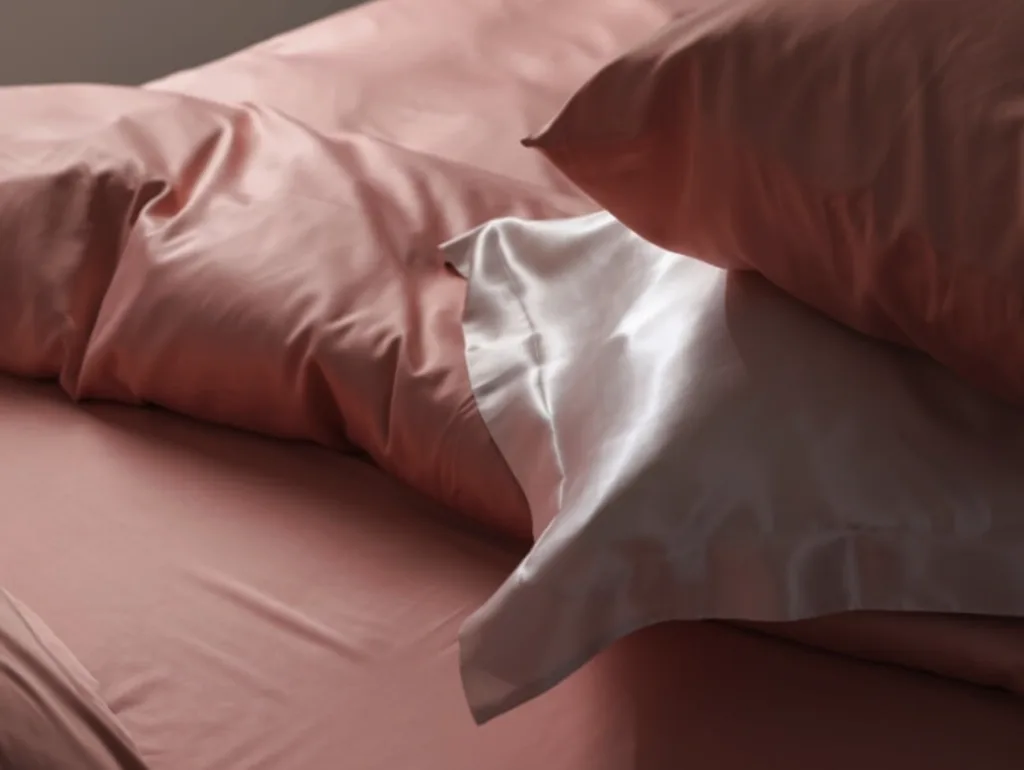
Cotton pillowcases create friction. That friction lifts the cuticle and creates frizz. Satin or silk reduces friction. Many extension wearers see less morning tangling when they switch.
Keep hair dry before sleeping
Wet hair tangles faster. Wet hair also stretches and breaks easier. If your hair is damp, you should dry it before bed. This protects both your natural hair and the extension hair.
Keep your sleep style stable
A style that falls apart at midnight does not help. A loose braid that stays in place is better than a bun that slips and becomes a knot.
Use this anti-tangle checklist:
| Habit | Why it helps | Best time |
|---|---|---|
| gentle brush | reduces knots | before bed |
| loose braid | controls movement | bedtime |
| satin pillowcase | reduces friction | every night |
| dry hair | prevents matting | before sleep |
If your goal is fewer tangles, focus on friction first.
My opinion
A bun can be a safe sleep style for extensions, but only when it is loose and high. A tight bun is not a “sleep hairstyle.” It is a stress test for your scalp and your bonds.
If you want the easiest routine, choose a loose braid plus a satin pillowcase. Your hair will feel better in the morning, and your extensions will look nicer for longer.
FAQ
Can you sleep with hair extensions in a bun every night?
You can, but a loose high bun is the only bun style that makes sense for frequent use. Many people still prefer a braid because it controls tangles better.
Is a braid better than a bun for extensions?
A braid is often better because it keeps hair organized without creating a pressure knot. A bun can work if it stays loose and high.
Can you sleep with wet hair extensions in a bun?
You should not. Wet hair mats and tangles faster. You should dry your hair first, then use a loose protective style.
What kind of hair tie is best for sleeping with extensions?
A soft scrunchie is best. A thin tight elastic can create tension and creases.
Why does your scalp hurt when you sleep with a bun?
A tight bun pulls on the scalp and creates traction. With extensions, traction increases because the hair is heavier.
Should you use a bonnet with extensions?
A satin bonnet can reduce friction and help your style stay in place. Many extension wearers like it, especially for long hair.
Conclusion
You can sleep with hair extensions in a bun if the bun is loose, high, and secured with a soft tie. If you want the safest option, a loose braid with a satin pillowcase protects hair best.