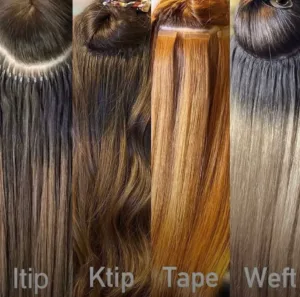
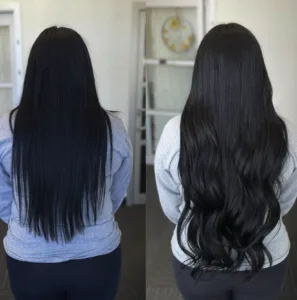
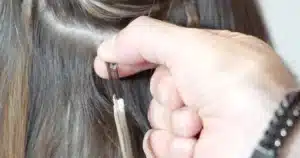
Clients hear mixed stories about nano rings. Some see great results. Others worry about breakage. I will give you a clear, field-tested answer for salon decisions.
Nano hair extensions damage is not inevitable. Risk stays low with correct mapping, correct bead size, precise tension, clean removals, and on-time move-ups. Poor technique and long cycles raise risk. Train teams and standardize SOPs.

I write from a manufacturer’s view and a pro-service lens. You will get practical safety rules, failure patterns, and recovery steps. Use this as a shop manual for nano rings.
Are nano hair extensions safe?
Clients want safe length. Teams want predictable, repeatable results.
Nano rings are safe when the install uses correct section size, correct bead, correct angle, and gentle daily care. Oversized weight, tight tension, and late move-ups create risk.
Nano rings use a tiny bead with a nano tip. The bead sits near the scalp and holds a small bundle. Safety depends on basics. I match bundle grams to the host section. I align the strand with natural fall. I crimp once with smooth pliers. I avoid over-squeezing. I space rows for airflow and brushing. I book move-ups every 6–10 weeks. I remove with a single firm release, not twisting. When these steps are consistent, I see low reports of nano hair extensions damage. When teams skip mapping or chase density on fine hair, I see more stress points. I teach staff to test traction during install. If the strand pulls the host section when the client looks left or right, the tension is wrong. I fix it immediately. I also document bead alloy and size in the client record. That data helps future visits. Safe systems come from clean habits, not luck.
| Variable | Safe Standard | Risk Signal |
|---|---|---|
| Section Size | Matches bundle grams | Host section thinner than bundle |
| Tension | Neutral at rest | Pulls when head turns |
| Bead | Correct size/alloy | Slides or cuts |
| Cycle | 6–10 weeks | Past 10–12 weeks |
What are the disadvantages of nano hair extensions?
You need a realistic view for consultations.
Nanos are small and discreet, but they take time to install, need tight mapping, and require disciplined maintenance. Fine hair demands extra care.
Nanos are not a “set and forget” method. The parts are tiny. The install is detailed. A full head can take longer than tape or weft. That affects chair time and pricing. The tiny bead also concentrates force on a small root area. If a junior stylist over-crimps or misaligns angle, the client feels pinch or rub. Very curly or very oily scalps need closer checks. Product mistakes at the root (oils, heavy conditioners) can cause slip. Brushing without supporting the strand can pull the bead. Swim and gym clients may need shorter cycles. Removals require patience. A rushed squeeze can crush or crack the bead, which frays the tip. Inventory adds complexity. You must carry multiple bead sizes and liners for different hair densities. Finally, blends need more strands for seamless looks, which can raise material cost. None of these are deal-breakers. They are trade-offs. I teach teams to price for time, segment clients by density and lifestyle, and use strict aftercare cards. When expectations are honest, satisfaction stays high.
| Disadvantage | Salon Impact | Mitigation |
|---|---|---|
| Longer install time | Fewer slots per day | Tiered pricing + assistants |
| Small contact area | Higher precision needed | Mapping + angle drills |
| Product sensitivity | Slip at roots | Bond-safe retail system |
| Complex inventory | More SKUs | Standardize bead sizes |
Are nano bead hair extensions damaging?
You want a straight answer you can tell a client.
Nano bead systems are not damaging by design. Micro bead hair extensions damage and nano hair extensions damage occur when tension, mapping, or maintenance fail. Fix the process, not only the product.
Damage patterns repeat. I see breakage when the host section is too small for the bundle. I see tenderness when the angle fights the client’s part or swirl. I see shedding when move-ups get pushed past ten weeks and debris builds under beads. I see cuticle scuffing when clients brush fast without supporting strands. I use a simple audit:
- Density match: bundle grams ≈ host section grams.
- Angle match: follow natural fall; never cross cowlicks.
- Tool control: smooth-jaw pliers; one crimp; no rocking.
- Hygiene: root zone stays oil-free; lengths stay hydrated.
- Timing: move-up on schedule; no “holiday stretch.”
When I enforce these five, complaint rates drop. Micro bead hair extensions damage reports follow the same logic. Bead size changes the footprint, but physics do not change. Tension plus time equals risk. Good mapping plus clean removals equals safety. Keep the message simple and firm during consults.

How to stop hair loss after nano ring extensions?
A client reports shedding. You need a calm plan that works.
Stop active stress, fix technique, and shorten the next cycle. Protect roots while you rebuild trust.
I use a three-part response.
A. Triage now
- Check rows for hot spots.
- Remove strands that pull or sit against a swirl.
- Replace with lighter bundles or skip that zone.
- Document photos before/after.
B. Root-care protocol
- Teach support-brushing: ends to roots with the free hand steadying the bead.
- Move oils and masks to mid-lengths and ends only.
- Dry roots fully after workouts.
- Sleep in a loose braid with silk.
C. Technical reset
- Next visit, re-map with more and lighter strands across the same area.
- Match bead size and liner to hair type.
- Use one clean crimp.
- Book a shorter cycle (6–8 weeks).
- Offer a nano-to-tape hybrid if density is very fine near the part.
Most shedding cases resolve with load reduction and better daily habits. If the scalp is inflamed, I pause installs and recommend a medical check before new work. I always choose root health over short-term volume.
| Issue | Root Cause | Fix |
|---|---|---|
| Local tenderness | Over-crimp or wrong angle | Reinstall with neutral angle |
| Slip + buildup | Oils at roots; long cycle | Clean reset; strict product zones |
| Excess shedding | Overweight strands | Lighter grams; more anchor points |
What are nano rings hair extensions?
Clients ask definitions. Teams need crisp wording for sales and training.
Nano rings are small-bead, discreet strand-by-strand extensions. A nano tip slides into a tiny ring, then the ring clamps onto a matched host section.
A nano ring system has four core parts: the nano tip, the bead, the host section, and the crimp. The nano tip is a slim, sealed end on the extension strand. The bead is usually a tiny metal ring, often lined for grip. The host section is the client’s own hair that carries the load. The crimp is the final squeeze that locks the system. The appeal is clear. The footprint is small. The look is discreet near parts and crowns. Color blends look clean because you place many small points. The system is adhesive-free, so removals are clean when done right. The method is modular. You can add or remove local volume with precision. The limits are also clear. It needs time, tools, and trained hands. It needs a client who follows rules. It needs on-time move-ups. When I explain this to a client, I pair the definition with a promise: “We will map carefully, keep roots clean, and bring you back on schedule.” That simple message closes sales and keeps expectations grounded.
| Feature | Benefit | Note |
|---|---|---|
| Tiny footprint | Discreet near parts | Demands precision |
| Adhesive-free | Clean removals | Do not twist to remove |
| Modular | Local volume control | More strands to place |
| Reusable hair | Lower long-term cost | Protect tips during removal |
Best installation protocol to lower nano risk?
You need a chair-ready SOP that junior stylists can follow today.
Use density mapping, correct bead size, neutral angle, one crimp, and photo QA. Price for time and carry the right SKUs.
I run installs like this:
1) Consult and map
- Document natural part, cowlicks, growth patterns.
- Decide rows with airflow gaps for brushing.
- Choose grams per bundle by zone: lighter near part lines.
2) Prep
- Clarify scalp; dry 100%.
- No oils at roots.
- Section clean and parallel.
3) Bead + angle
- Select bead size to match host section.
- Slide bead; insert tip; align to natural fall.
- Crimp once with smooth jaws; no rocking.
4) QA during install

- Head turn test: client looks left/right.
- If any pull, redo angle or weight.
- Photo each row for records.
5) Finish
- Brush with support.
- Aftercare card: product zones, sleep, gym, move-up date.
This SOP cuts nano hair extensions damage and micro bead hair extensions damage complaints. It builds team consistency. I train with mannequins first, then shadowed models, then monitored clients. I store bead lot numbers and plier models in the file. Details matter.
Maintenance and move-up schedule for nano rings?
Great installs still fail without maintenance.
Teach a short script. Enforce move-ups between 6–10 weeks. Protect roots and cuticles with simple habits.
I keep the script short:
- Brush 2–3 times daily, ends to roots, support the bead.
- Oils, masks, and conditioners live on mid-lengths and ends only.
- Dry root zone after sweat or showers.
- Sleep with a loose braid and silk.
- Book move-ups before leaving the chair.
At move-up, I follow a full cycle: gentle release, residue check, scalp check, re-map weak zones, and replace any tired tips. I shorten cycles for fine hair or heavy athletes. I lengthen only for dense, slow-growing hair with clean habits. I do not push past ten weeks. Late cycles raise tangle risk near beads. Clean rhythm wins. Clients repeat what is easy to remember. I print the script on a small card and place the next date on it.
| Client Type | Window | Notes |
|---|---|---|
| Fine/oily scalp | 6–8 weeks | Lighter grams; strict product zones |
| Average | 7–9 weeks | Standard grams |
| Dense/slow growth | 8–10 weeks | Check corners; do not stretch past 10 |
My opinion

U prioritize root health over volume. U match grams to density, not to wish lists. U train one-crimp discipline. U pre-book 6–10 weeks. U switch to a nano–tape hybrid when fronts are fragile. U document bead size, pliers, and angles. This reduces nano hair extensions damage to rare, fixable cases.
FAQ
Are nano hair extensions safe for fine hair?
Yes, with lighter grams per point, more anchor points, neutral angles, and 6–8 week cycles. Support-brushing is key.
Do nanos cause more breakage than tapes?
Not when installed and maintained correctly. Breakage comes from tension, long cycles, or poor removals. Process beats method.
What causes most nano damage reports?
Host sections too small, over-crimping, oils at roots, and overdue move-ups. Fix these first.
Can I mix nano rings with other methods?
Yes. Many salons use nanos for crown detailing and tapes or wefts for bulk. Hybrids balance speed and comfort.
How do I stop shedding after nanos?
Reduce weight, re-map angles, shorten the cycle, and enforce product zoning. Remove any hot spots today.
What are nano rings hair extensions in one sentence?
Tiny, adhesive-free strand extensions locked with a small bead around a matched host section for discreet volume and length.
Conclusion
Nanos are safe in trained hands. Map density, match bead size, keep angles neutral, move up on time, and teach simple care. Do this, and complaints drop while results stay consistent.
where to buy nano ring hair extensions
Hibiscus Hair Manufacturer has been dedicated to producing high-quality I tip hair extensions for 25 years and is a recognized leader in the industry. If you are interested in finding a reliable hair extensions supplier and wholesale for your brand, please visit our website for more information: