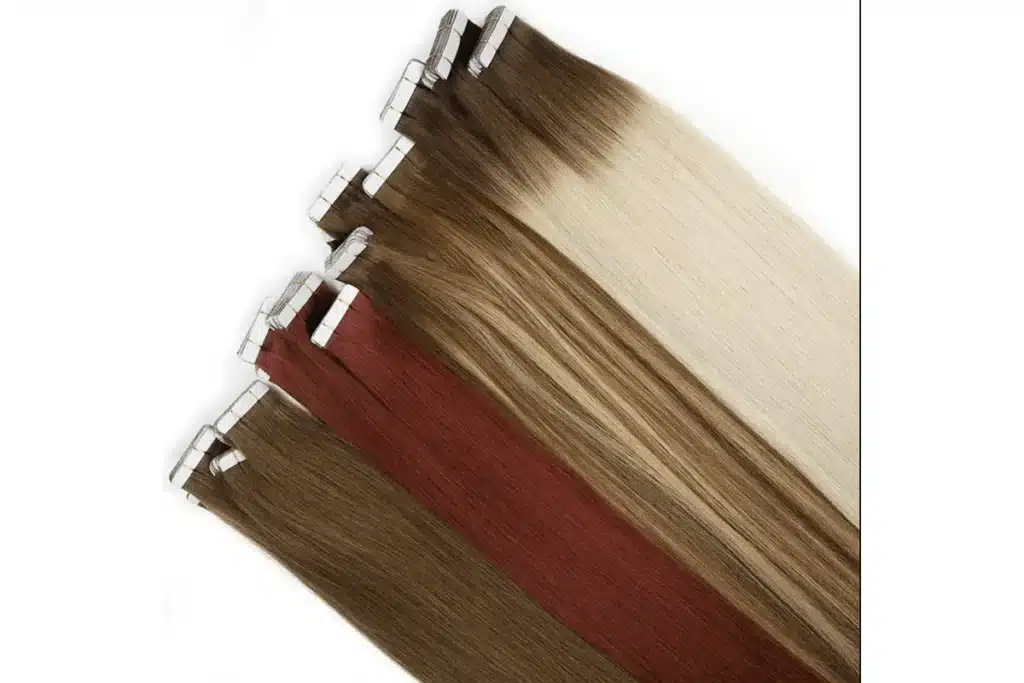
Many salon owners struggle to explain “Remy” and “Virgin” hair to clients. These terms sound similar, yet they point to different qualities that affect performance in real salon work.
Remy hair primarily emphasizes cuticle alignment, ensuring that the hair flows uniformly in one direction, making it tangle less and silky. On the other hand, Virgin hair underscores its untouched nature, free from any chemical processes, representing hair in its most natural material state. These two concepts each highlight different aspects of hair quality.
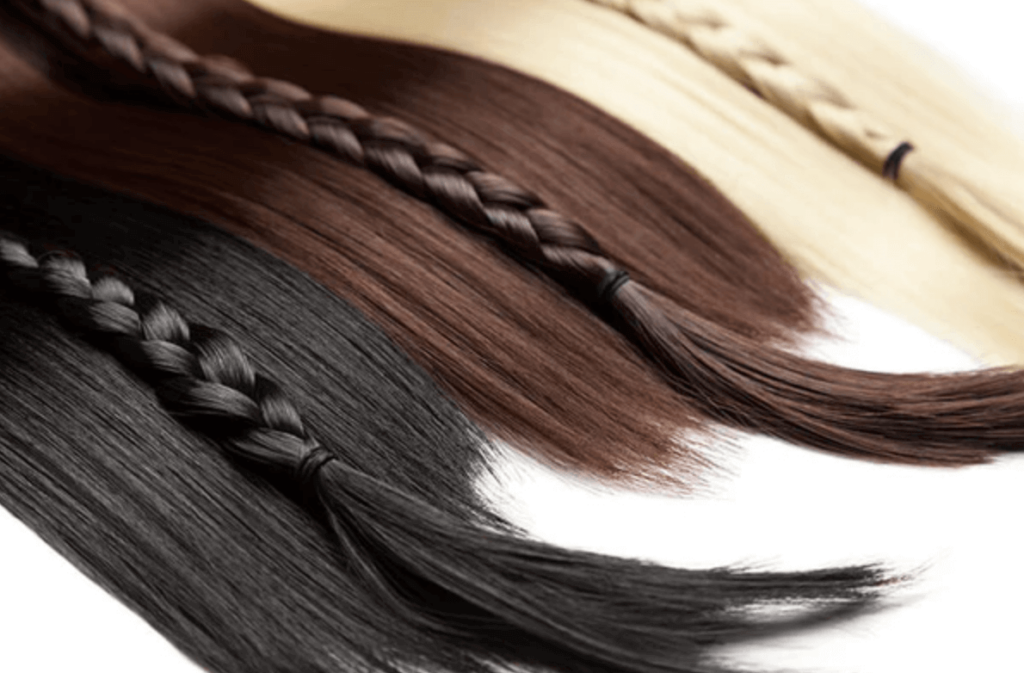
Many stylists feel stressed when clients ask which one is better. The explanation becomes easier when you view these terms through a factory perspective. I break everything down clearly below.
What is Remy Hair?
Professionals often hear the word “Remy” and assume it represents high-end quality. This misunderstanding creates tension during sourcing because the industry uses the word loosely.
Remy hair means all cuticles stay aligned from root to tip. This gives smoother movement, fewer tangles, and a clean appearance.

1
You can imagine Remy hair like shingles on a roof. When every shingle faces the same direction, the roof stays smooth and protected. When every cuticle faces the same direction, the hair behaves smoothly and reduces friction. This is the core of Remy hair.
However, the term “Remy” only talks about direction, not treatment history. Many factories bleach, color, or lightly perm Remy hair to create uniform shades. Even after this processing, they still call it Remy because the cuticles remain aligned.
To show the structure clearly:
What defines Remy hair
| Factor | Description |
|---|---|
| Meaning | Cuticles aligned in one direction |
| Source | Usually mixed donors |
| Processing | Common—often dyed or toned |
| Look | Smooth, uniform, less tangle |
| Lifespan | Around 4–6 months |
Why quality varies
- Factories use different donor sources.
- Some hair labeled “Remy” has partly removed cuticles.
- Acid baths weaken the cuticles even if alignment remains.
- Silicone coating hides damage but fades after several washes.
When I stepped into the factory years ago, I saw many overseas buyers confused because they thought Remy automatically meant high-end hair. But inside the supply chain, Remy is mid-range. It is good, but not the top tier. Its performance depends heavily on how the factory handles the material.
What is Virgin Hair?
Many professionals believe “Virgin hair” means the very best. The truth is more nuanced, especially when you look at the supply chain from inside the factory.
Virgin hair means the hair has never been chemically processed. No bleach, no dyes, no perms—just pure, raw hair.

Think of virgin hair like a clean white canvas. No artist has touched it. No color, no chemical treatment. This untouched nature usually gives the hair more strength, better elasticity, and a long natural lifespan.
However, the modern market complicates things. Years ago, true virgin ponytails were common in raw hair markets. Today, hair donors often color or treat hair at least once. That means true virgin bundles are rare, especially in consistent wholesale quantity.
What defines virgin hair
| Factor | Description |
|---|---|
| Processing history | No chemical treatment |
| Color | 100% natural color |
| Texture | Natural, not reshaped |
| Donor | Often single donor |
| Availability | Limited supply |
Why true virgin hair is rare
- Most donors have colored their hair before selling it.
- Many vendors lightly process hair but still call it virgin.
- Large wholesale orders require stable raw material, which is hard to find.
- Real virgin hair is expensive because of scarcity.
For salons that want long-lasting hair in natural color, virgin hair performs well. But its availability and consistency are big challenges in the modern market.
1
What’s the Difference Between Remy Hair and Virgin Hair?
Many stylists want a clear way to explain the difference to clients. The simplest distinction is this:
Remy focuses on cuticle direction; virgin focuses on chemical history.
Both terms highlight different strengths, but neither represents the absolute highest standard alone. For wholesale buyers, understanding their structure helps you match the right hair to the right client.
Side-by-side comparison
| Feature | Remy Hair | Virgin Hair |
|---|---|---|
| Cuticle direction | Aligned | Aligned |
| Processing | Often colored | No chemicals |
| Donor source | Mixed | Usually single donor |
| Texture | Uniform after processing | Natural |
| Longevity | 4–6 months | 6–12+ months |

How this affects professional use
- Remy works well for moderate-budget clients who want consistent color.
- Virgin is better for clients who want natural texture and long-term durability.
- Virgin hair allows more stable curls because it keeps natural proteins.
- Remy hair can still be high-performing when purchased from a stable factory.
From a factory view, the biggest difference lies in raw material selection. Remy hair depends on sorting and cuticle alignment. Virgin hair depends on purity and chemical history. Both meet different needs in a salon setting.
Does Remy Hair Mean Real Hair?
Many wholesalers assume Remy automatically means 100% human hair. But in the industry, “Remy” does not promise that.
Remy only describes cuticle direction. Realness depends on the factory source.
Some suppliers add synthetic fibers, animal hair, or acid-treated strands into “Remy” bundles. This happens because alignment is easier to achieve than full material purity.
Why Remy labeling can be confusing
| Issue | Reason |
|---|---|
| Fake softness | Silicone coating |
| Mixed sources | Cheaper blended strands |
| Weak cuticle | Acid processing |
| Short lifespan | Over-processing |
How professionals verify real Remy hair
- Heat test to check burning smell.
- Color reaction test to see real fibers.
- Fiber weight and elasticity during brushing.
- Trustworthy, transparent factory supply.
This is why many salons prefer a long-term partnership with a reliable manufacturer. They want Remy hair that is truly human hair—not just labeled as such.

What’s Better Than Remy Hair?
Many high-end salons want hair that outperforms Remy and lasts longer than virgin hair in real use.
The best option is full cuticle hair. This is the highest category used by luxury salons and premium brands.
Full cuticle hair means every strand keeps its entire cuticle layer intact—100% unstripped, fully aligned, and sourced from single-donor ponytails. It combines the strengths of both Remy and Virgin categories while avoiding their weaknesses.
This is the standard we produce at Hibiscus Hair because it gives salons real long-term value.
Comparison with other types
| Feature | Full Cuticle Hair | Remy Hair |
|---|---|---|
| Cuticle integrity | 100% intact | Partial |
| Raw source | Single donor | Mixed |
| Processing | Minimal | Light processing |
| Lifespan | 1–2 years with proper care | 4–6 months with proper care |
| Reinstall cycles | 3–6 | 1–2 |
Why full cuticle hair is superior
- Best longevity and stability.
- Smoothness remains after many washes.
- Holds color evenly during salon work.
- Perfect for premium brands that need consistency.
This is why full cuticle hair has become the new industry benchmark, not just for salons but also wholesalers who want stable bulk supply.
My opinion
After so many years in manufacturing, I see one truth: words like Remy and Virgin help describe hair, but they do not guarantee quality. What matters is cuticle integrity, raw donor material, and factory craftsmanship. That is why we focus on full cuticle, single-donor hair. This gives salons predictable performance and supports high-end clients who expect excellence.

FAQ
Can Remy hair be colored?
Yes, but the result depends on previous processing.
Why is Virgin hair more expensive?
Because true virgin donors are rare today.
Is full cuticle hair the same as Virgin hair?
No. Virgin refers to chemical history and raw materials. Full cuticle refers to cuticle integrity.
Conclusion
Remy highlights alignment, virgin highlights purity, but full cuticle hair delivers the most stable performance for modern salons.
Hibiscus Hair Manufacturer has been dedicated to producing high-quality full cuticle hair extensions for 25 years and is a recognized leader in the industry. If you are interested in finding a reliable hair extensions supplier and wholesale for your brand, please visit our website for more information:
1
1
1