Weft hair extensions can create volume quickly, but the wrong row can feel bulky, show through fine hair, or create avoidable maintenance questions. A lower product price does not always reduce the cost of a complaint.
Weft hair extensions are often worth it for salon clients who want lasting volume or length and can follow move-up and aftercare guidance. Their value depends on the weft construction, hair quality, row weight, installation method, and the client’s natural hair. They are not the right fit for every density or lifestyle.
For salon owners and wholesale buyers, the useful question is not whether wefts are generally good. It is whether the selected weft and installation plan can meet the client’s comfort, blend, maintenance, and budget expectations.
What value can weft extensions offer salon clients?
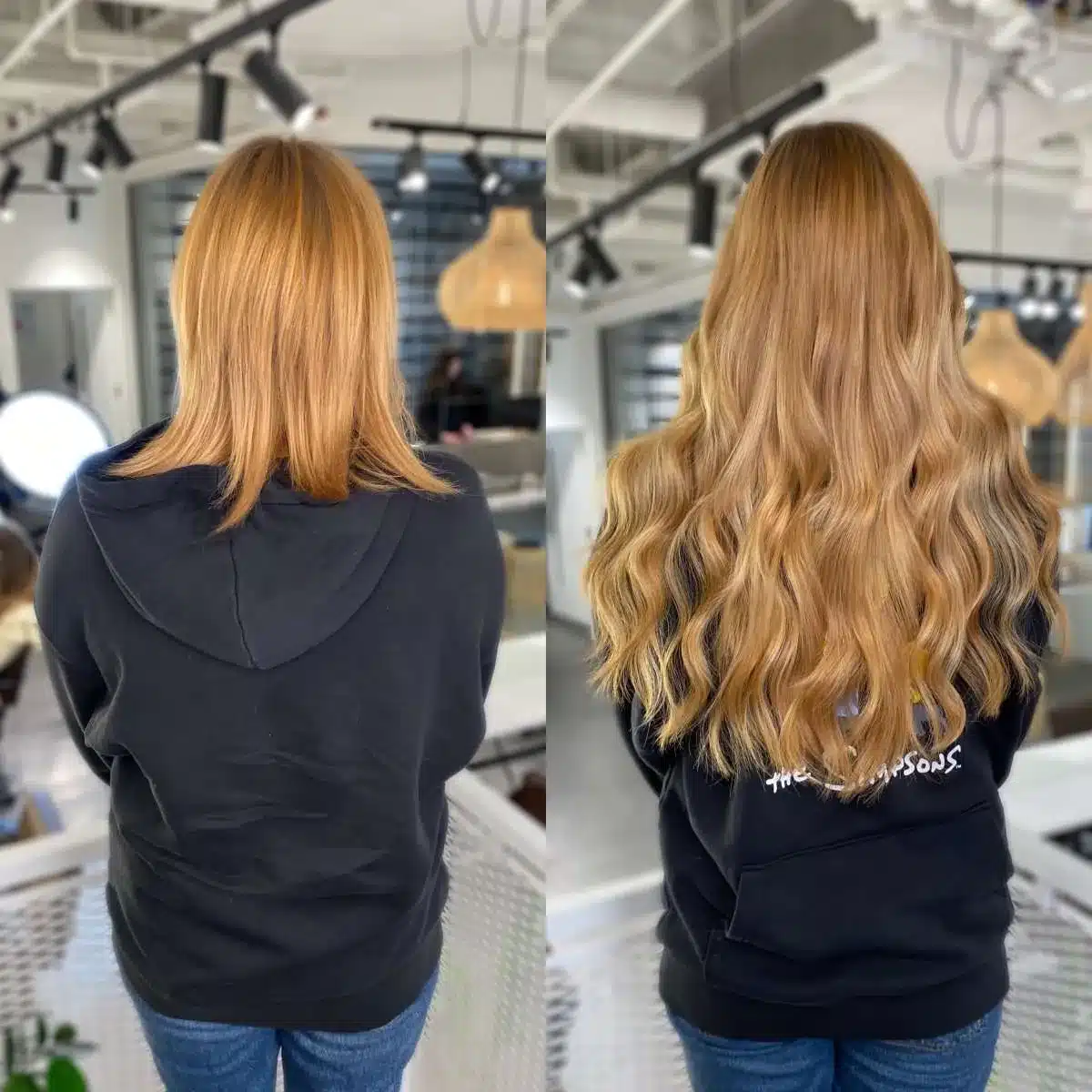
Wefts can offer strong volume coverage with fewer attachment points than strand-by-strand methods, especially when the row structure is matched to the client’s hair density.
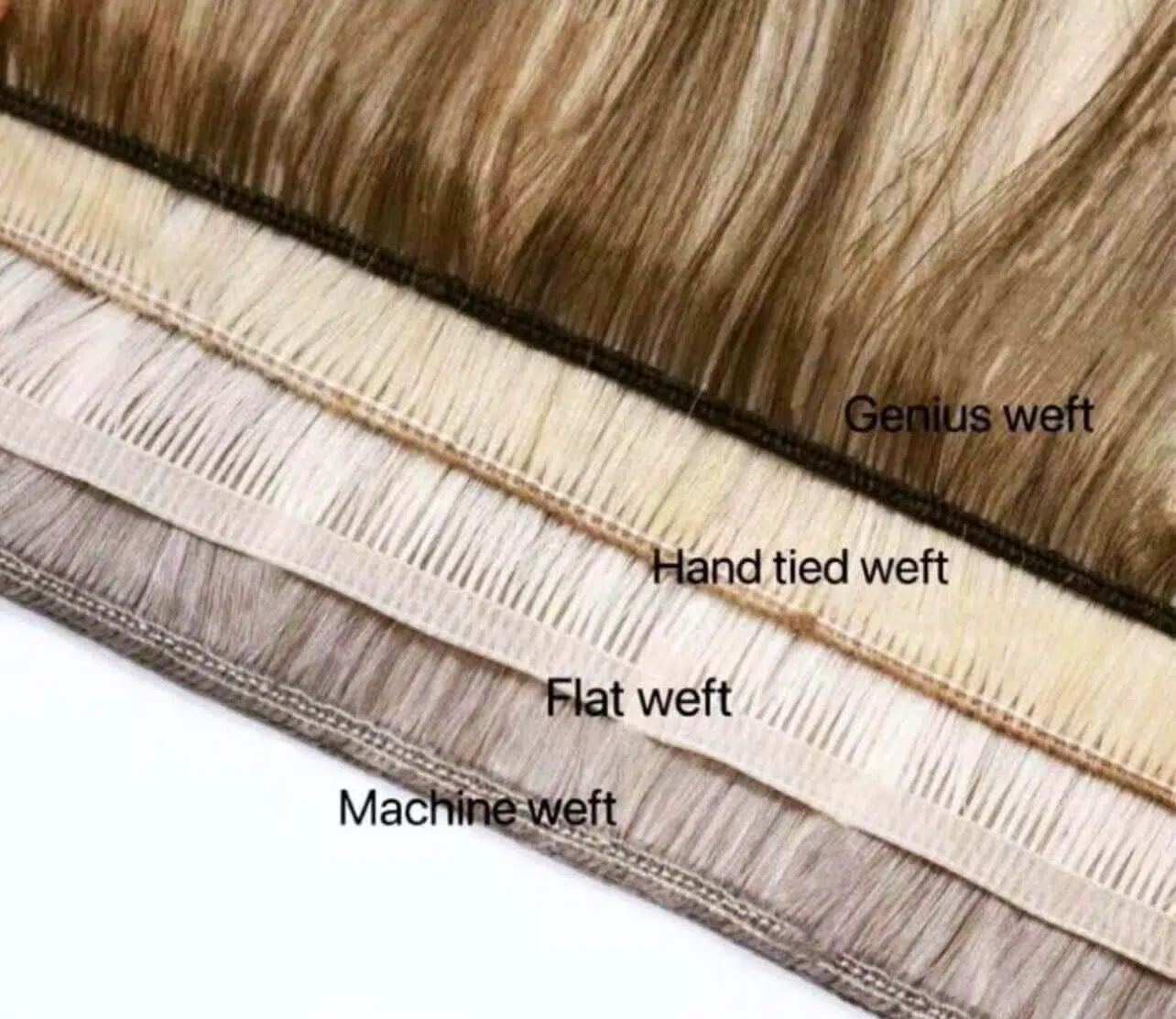
This can make wefts practical for clients who want visible fullness without a large number of small bonds. A machine weft may suit a client who needs stronger volume and accepts a slightly fuller seam. Hand tied and genius constructions may fit clients who need a flatter row and lighter feel near the scalp.
The benefit is not automatic. A thick seam on fine hair can show even when the hair itself feels soft. Buyers should compare construction as well as hair texture. Our human hair weft buyer checklist explains why seam quality and end fullness should be reviewed together.
Which clients may benefit most from weft extensions?
Wefts often fit clients with enough natural density to cover the row, a realistic move-up routine, and a clear goal for added volume or length.
Clients with medium density may have more options for row placement. Clients with fine hair can still wear a suitable weft, but the stylist may need a lighter construction, fewer rows, and careful placement. Very short layers, a very visible crown, or fragile hair may make the blend harder.
Lifestyle also affects the result
An active client is not automatically unsuitable. However, frequent washing, heavy sweat, swimming, and high-heat styling can increase maintenance pressure. The salon should explain what happens between appointments. When a client expects an entirely maintenance-free result, a weft service may not match that expectation.
In consultation work, the first useful question is often where the client wants volume. A client who wants fuller ends may need a different row plan from a client who wants overall length. This simple distinction can prevent an overbuilt installation.
What can make a weft service feel less worthwhile?
A weft service may feel less worthwhile when the row is too heavy, the seam is visible, the hair tangles after washing, or the client did not understand the maintenance schedule.
These issues are not always caused by the same thing. Tangling risk can rise when cuticle direction is inconsistent, hair has been processed heavily, or aftercare is poor. A row can feel uncomfortable because of tension, placement, bead size, or the client’s sensitivity. The salon should investigate the condition before deciding that the product alone is at fault.
For wholesale buyers, stable bulk quality matters because one soft sample does not always prove repeat-order consistency. We usually recommend checking the weft seam, hair direction, end fullness, and wash performance before committing to a larger order.
How should salons compare weft options before ordering?
Salons should compare flatness, cutability, hair weight, seam strength, and the installation method rather than choosing only by a product name.
| Buyer check | Why it matters |
|---|---|
| Seam thickness | Affects comfort and how easily the row can be hidden. |
| Weft cutability | Affects customization and potential shedding risk. |
| Weight per bundle | Affects volume planning and stress on natural hair. |
| End fullness | Affects whether the finished service looks dense through the ends. |
| Wash performance | Helps show tangling or dryness risk before bulk ordering. |
For salons comparing structures, this machine weft vs hand tied weft guide can help frame the decision around service fit rather than a single marketing claim.
What should buyers test in a weft sample?
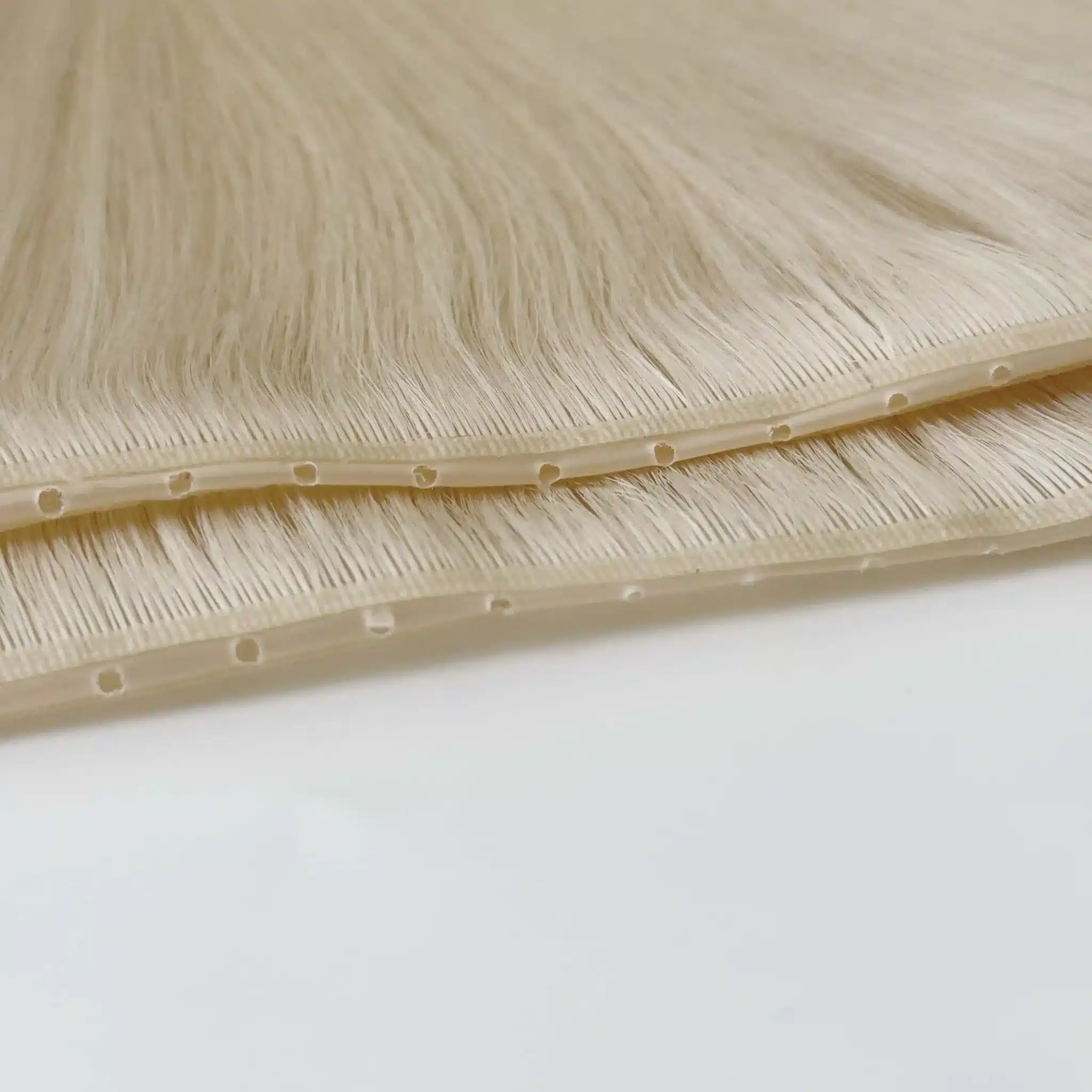
Buyers should test the seam, hair direction, density at the ends, color consistency, brushing response, and wash performance before treating a sample as a bulk-order approval.
Run fingers across the top seam and look for irregular thickness. Brush from ends upward after lightly misting the hair. Wash and dry the sample in a way that is close to the client’s expected routine. This does not predict every result, but it can reveal whether the buyer needs more questions about processing, color, or construction.
From the factory side, a sample test should include the use case. A thick, full weft may perform well for a volume-focused client but may not fit a fine-haired client who needs a flatter row. The product and the installation plan need to be judged together.
My View
From our factory perspective, weft extensions are worth considering when the buyer treats them as a tailored salon service, not a one-size-fits-all bundle. We usually suggest starting with the client’s density, desired volume, and ability to return for maintenance. Then compare the weft construction and sample performance. A salon can reduce complaint risk by setting a clear expectation about row feel, move-up timing, brushing, washing, and heat use before installation. For wholesale buyers, the safer purchasing decision is to define a repeatable specification for seam type, weight, color, and end fullness. That creates a better basis for consistent reorders than choosing from a product name alone.
Frequently Asked Questions
How long can weft hair extensions last?
The hair may be reused across more than one installation when the hair quality remains stable and the service is removed carefully. The move-up schedule and usable life depend on the installation method, aftercare, and the condition of both the extension hair and the natural hair.
Can wefts work for fine hair?
They can, when the salon chooses a light construction, avoids excessive row weight, and leaves enough natural hair to cover the seam. Fine hair usually needs a more careful consultation and placement plan.
Are hand tied wefts always better than machine wefts?
No. Hand tied wefts can suit flatter rows, while machine wefts can offer practical volume and cost control. The right choice depends on the client goal and the salon’s installation method.
Conclusion
Weft hair extensions can be worth it when the construction, hair quality, row plan, and maintenance expectations fit the client. Before a salon or wholesale order, compare sample performance and service fit instead of assuming that any weft will produce the same result.