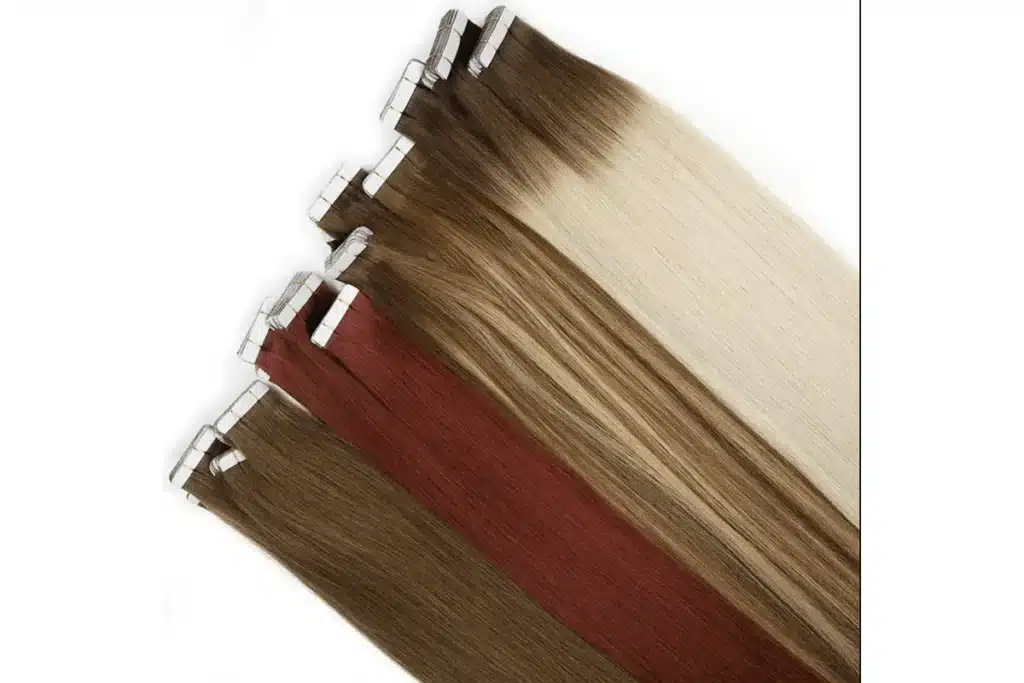
Fine hair can show a weft row quickly. When the seam is too thick or the row carries too much weight, the client may feel bulk before the stylist can hide it.
Weft hair extensions can work for fine hair when the salon uses a light construction, limits row weight, keeps placement low enough, and leaves enough natural hair for coverage. Hand tied and genius weft are often considered for flatter rows, but the best choice still depends on density, head shape, installation method, and the client’s volume goal.
For salon buyers, the decision should go beyond choosing the thinnest-looking weft. Before ordering, we recommend comparing seam thickness, usable width, grams per row, and how the sample behaves after installation and washing.
Why Do Weft Rows Look Bulky on Fine Hair?
A row usually looks bulky when its seam, weight, or placement is greater than the natural hair can cover comfortably.
Fine hair does not always mean low density, but many clients have less cover near the crown, temples, or nape edge. A thick top seam can become visible in these areas, especially when the client wears a high ponytail or changes the parting.
From the factory side, we usually separate three issues before we judge the weft itself: seam thickness, total hair weight, and placement. A very thin seam can still show if the row is too high. A stronger seam can sometimes work when the stylist places it lower and the client has enough cover hair.
| Check | What can create bulk | What a salon should confirm |
|---|---|---|
| Weft top | Thick seam or folded edge | Compare the seam against the coverage area |
| Row weight | Too much hair in one row | Match grams to the client’s density |
| Placement | Row near a sparse parting | Keep a safe amount of leave-out hair |
| Width | Track extends into a fragile edge | Measure the usable placement area first |
| Installation | Tight or uneven support points | Check comfort before styling is finished |
Which Weft Construction Is Often Better for Fine Hair?
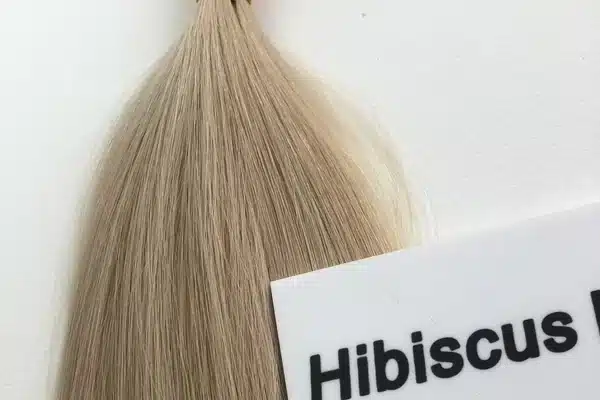
Hand tied and genius weft are often useful starting points for fine hair because they can create a lower-profile row, but neither method fits every client.
Traditional hand tied weft has a fine top and can sit flatter when the installer plans the width before the appointment. It is not usually the best choice when a salon expects to cut the track freely. Cutting can affect the tied structure, so the salon should confirm the product instruction and row width in advance.
Hand Tied Weft can suit a client who needs a light, low-profile row and has enough hair to cover the installation. For a salon that needs a similarly flat profile with more freedom to customize width, Genius Weft may be worth comparing through a controlled sample test.
This does not mean that machine weft is always unsuitable for fine hair. A lighter machine weft can work in some salon services when the row is placed carefully and the client has enough density at the intended position. The risk is higher when the salon tries to create a full-volume result with one heavy track.
How Should Stylists Plan Row Weight for Fine Hair?
Stylists should distribute a conservative amount of hair across the available coverage area instead of trying to create maximum volume in one row.
For fine-hair clients, the total installed weight often matters more than the number of rows alone. A salon may use two lighter rows rather than one dense row if the client wants a natural result. The exact plan depends on length, texture, natural density, and the amount of added volume the client expects.
In sample testing, we often see a difference between a set that looks full on a mannequin and a set that stays hidden on a real client. A salon buyer may order a 100g sample, then find that only part of that weight is suitable for a fine-hair service. This is not necessarily a quality problem. It can show that the pack weight and the installation plan need to be separated.
The American Academy of Dermatology notes that hairstyles which pull can lead to hair loss over time.[1] We apply this as a practical extension check: a row should not only look flat. It should also feel comfortable when the client moves, brushes, and wears the hair normally.
When Does Placement Matter More Than the Weft Type?
Placement can matter more than weft type when the client has sparse coverage at the crown, a high parting, or fragile hair around the edges.
A good weft cannot solve a row that sits in the wrong area. We recommend checking the client’s parting pattern, hairline density, and the way they normally wear their hair before the salon chooses the final row position. A placement that looks hidden with the hair down may not stay hidden when the client lifts the hair.
For many salon orders, a low and balanced placement plan gives a better result than adding more hair near the crown. The stylist should also leave enough natural hair above the row to cover the top seam during normal movement.
What Should Salon Buyers Test Before Ordering Weft for Fine Hair?
A useful sample test should check the seam, row weight, cuttability, wash behavior, and visibility after normal styling.
We recommend a simple buyer checklist:
- Compare the top seam against the client’s natural density.
- Install one controlled row at the planned height.
- Check the row with the hair down, up, and parted differently.
- Ask the model about pressure after normal movement.
- Wash, dry, and comb the sample before approving a bulk order.
In after-sales communication, we usually ask whether a visible row appeared immediately or after the client washed and restyled the hair. This helps separate an installation or placement problem from a product construction problem. It also gives the supplier clearer information when a salon requests a review.
The American Academy of Dermatology also recommends gentle hair-care habits that reduce preventable damage from harsh handling and pulling.[2] For repeat salon services, this matters because a fine-hair client may need clearer aftercare guidance than a client with higher density.
How Can a Salon Build a Fine-Hair Weft Menu?
A fine-hair menu should offer a light-volume option, a fuller option with clear limits, and a consultation process that can rule out unsuitable installs.
We usually suggest that salons describe the expected result honestly. A light-volume service may be a better fit than a dramatic length change for a client with very low density. A salon can also keep several construction options so the stylist does not have to force every fine-hair client into the same product.
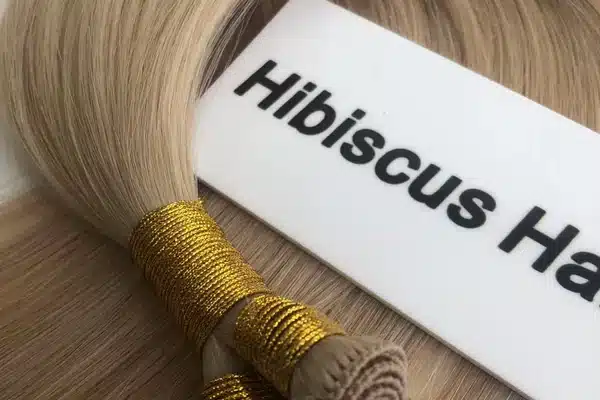
For wholesale buyers, repeat-order consistency is important. One soft sample does not always prove that the seam thickness, end fullness, and weight distribution will remain stable across a larger order. Buyers should confirm the approved construction, pack weight, color reference, and sample result before production begins.
My View
From our factory perspective, the safer choice for fine hair is often a lighter and better-planned row, not simply the thinnest possible weft. We usually recommend that salon buyers start with the client’s coverage area, then match the construction and total weight to that condition. Hand tied and genius weft can both help create a flatter profile, but the final result still depends on placement, the client’s density, and the installer’s method. A sample install is especially useful when a salon wants to add a fine-hair menu or change suppliers. It can show whether the seam stays hidden, whether the weight feels comfortable, and whether the hair remains manageable after washing. This gives the salon a clearer basis for repeat orders and reduces avoidable complaint risk.
Frequently Asked Questions
Can a machine weft work on fine hair?
It can work in some cases when the weft is light, the row sits in a suitable area, and the client has enough natural hair to cover the seam. It may not fit a very sparse crown or fragile edge area.
How many weft rows should fine hair clients have?
There is no fixed number. The safer plan depends on density, head shape, length, and the client’s volume goal. We recommend starting with a controlled, lighter installation rather than adding maximum weight immediately.
Should a salon order a separate fine-hair weft sample?
Usually, yes. A sample that matches the intended seam type, weight, length, and color gives the salon more useful information than a generic product photo or a heavier standard sample.
Conclusion
Weft hair extensions can suit fine hair when the salon controls seam profile, row weight, placement, and aftercare. The right choice depends on the client’s coverage area and the service goal. Before a bulk order, buyers should test a real row, check comfort and visibility, and confirm that the approved sample matches the planned repeat specification.