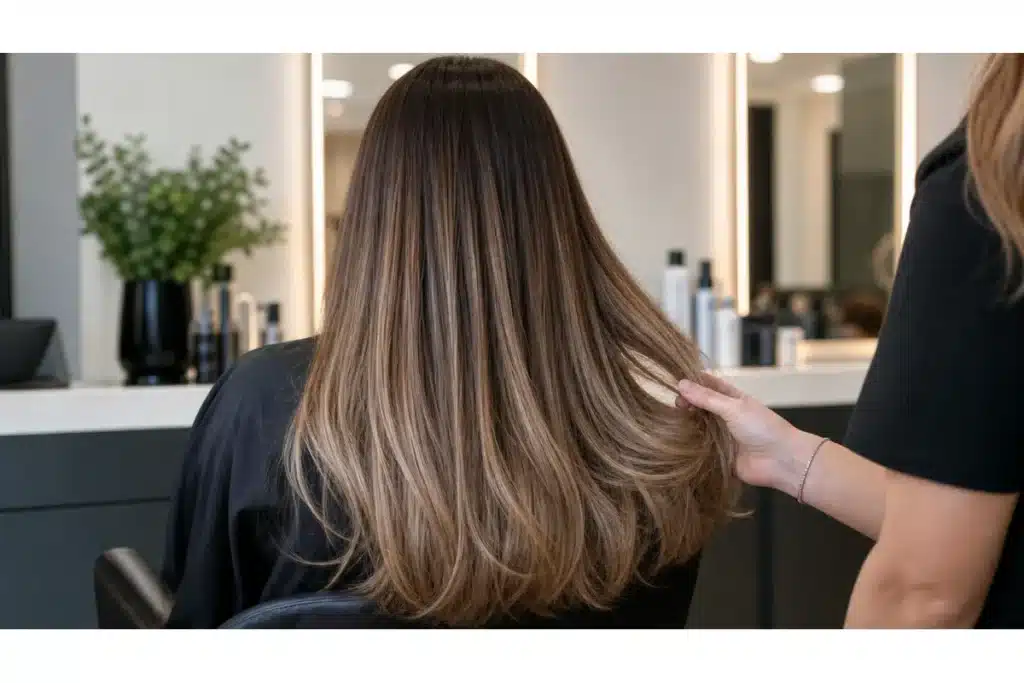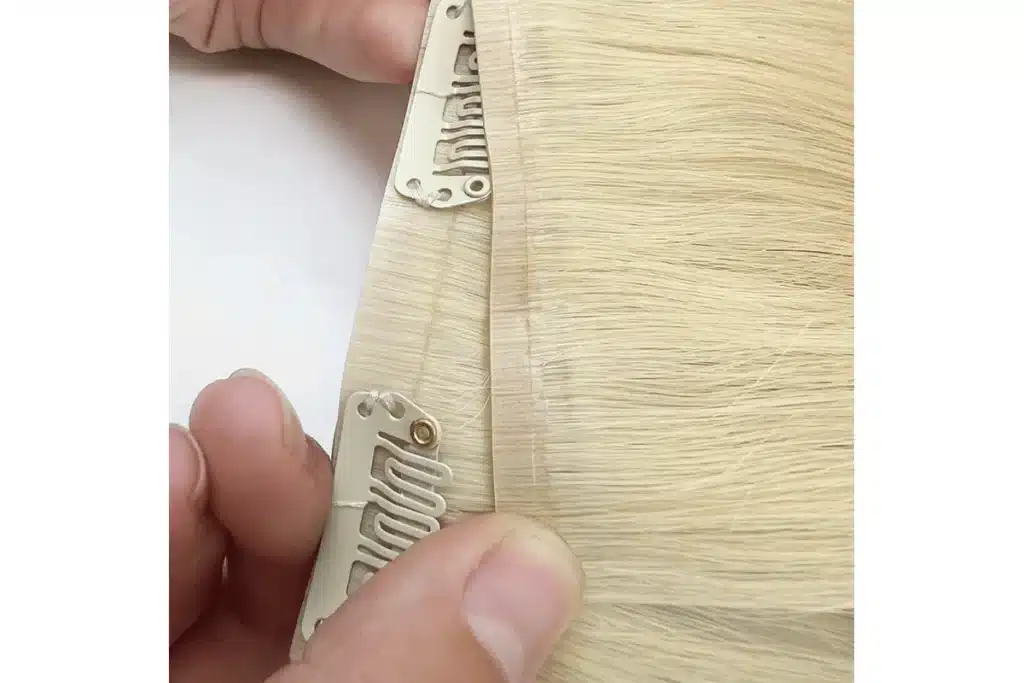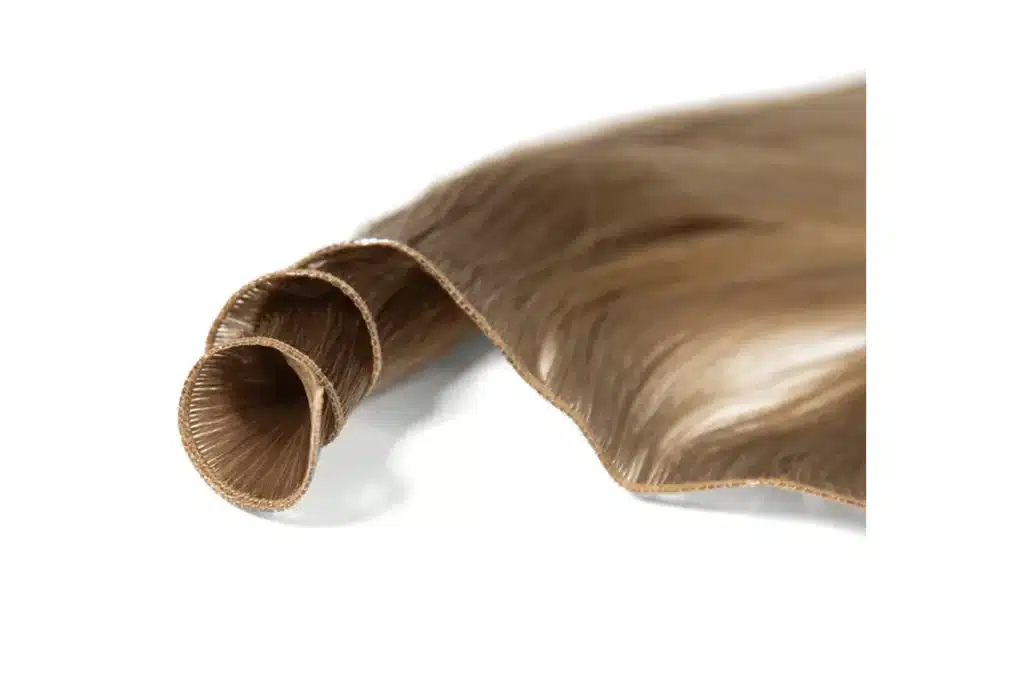
A hand tied install can look perfect one month, then feel wrong the next. You may see slipping, tangling, or beads showing. You want a home fix, but you do not want to create damage.
To fix hand tied extensions at home, I suggest you focus on safe, low-risk steps. You can detangle correctly, reduce tension, smooth flyaways, and protect the weft. You should not tighten beads or cut threads unless you know the method. If the row is slipping or the base is loose, a professional move-up is the safest fix.

If you are dealing with a problem right now, stay with me. I will walk you through the most common issues, what you can do at home, and when you should stop and book a maintenance appointment.
Why Do Hand Tied Extensions Start Feeling “Off” After A Few Weeks?
When hand tied extensions feel “off,” the cause is usually not one thing. Hair grows. The row shifts slightly. Daily friction builds up. Product and minerals can coat the hair. Small changes add up.
Most problems start from one of these: grow-out tension changes, bead movement, weft friction, or poor cleansing near the base. Once you know which one you have, you can choose a safe home step.
Dive deeper
I talk with salon owners who handle maintenance every day. So I see the same patterns again and again.
Problem group 1: grow-out changes the “balance”
Natural hair grows every day. When the row stays in the same position, the tension balance changes. Some clients feel the row “pull” in a new way. Some clients feel the row “float” because the base hair is not as tight as week one.
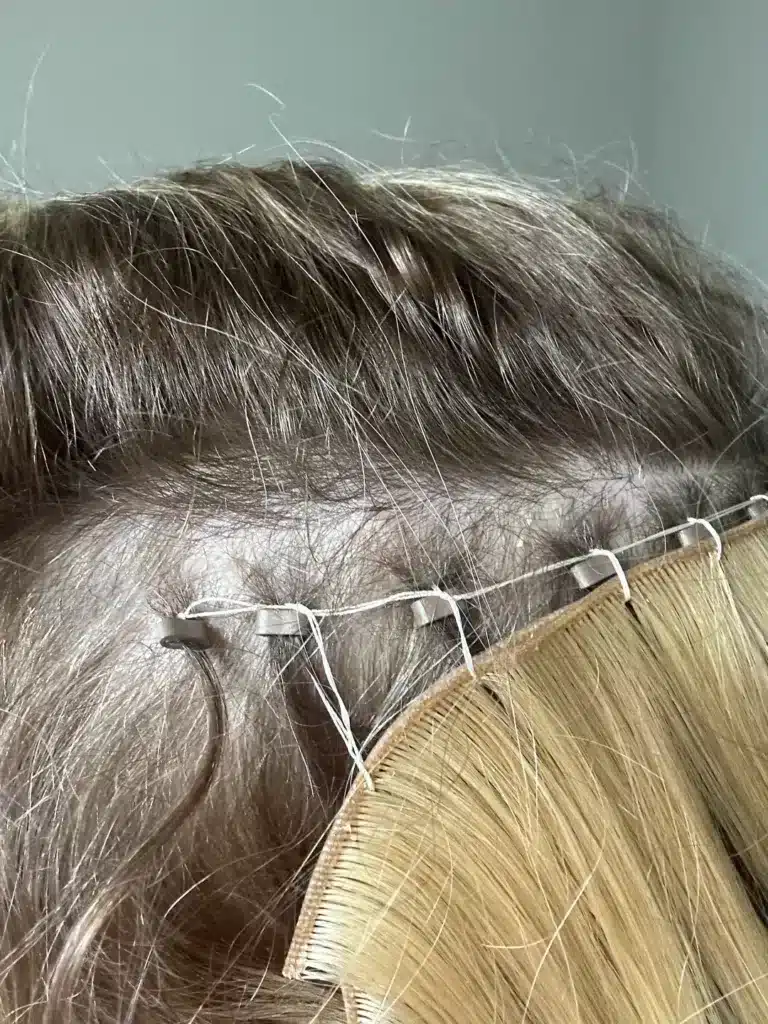
You can spot this by looking at the bead line. If the beads are now far from the scalp, you are seeing grow-out. A home fix should not try to recreate week-one tightness. A safe home fix should only reduce stress and protect the install until a move-up.
Problem group 2: friction and tangling near the weft top
Hand tied wefts sit close to natural hair. That is why they blend well. But it also means friction happens at the weft seam area. If you sleep without protection, or you brush roughly, tangles form right at the top. This can make the row feel “stiff” or “heavy,” even if the beads are still in place.
Problem group 3: product and mineral build-up
If you use heavy oils, thick leave-ins, or sunscreen near the roots, buildup can collect at the row. Hard water minerals can also stick to the hair. This makes hair feel dry and sticky at the same time. Then tangling gets worse. Many people mistake this for “bad hair,” but it is often a surface problem.
| What you feel | What it often points to | What you can do at home |
|---|---|---|
| Row feels tighter than before | Grow-out tension change | Loosen styling, reduce pull, plan move-up |
| Hair mats at the top | Friction + brushing habits | Correct detangle routine, night protection |
| Hair feels coated and stiff | Product/mineral buildup | Clarify safely, rinse well, dry fully |
| Beads start to show | Row shifted or hair split is wrong | Style to cover, book maintenance |
If you can name the real cause, you can avoid the biggest mistake. The biggest mistake is “tighten everything” at home. That often creates more stress than the original issue.
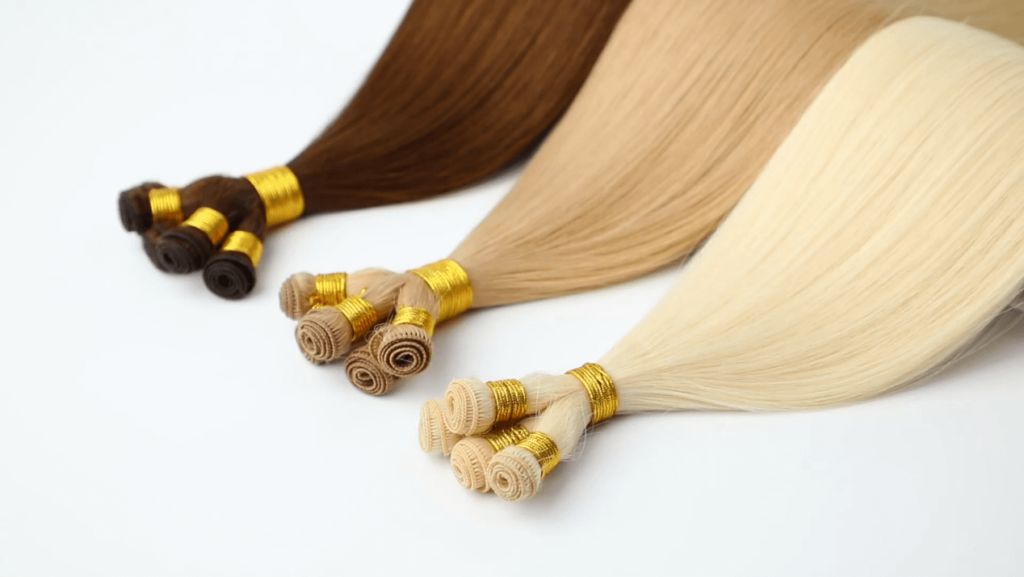
What Can You Safely Fix at Home vs What Should You Not Touch?
A hand tied system has parts that are safe to manage at home, and parts that are risky. Home care is mainly about hair behavior, not structural adjustments.
You can safely fix tangles, dryness, frizz, and minor visibility with better sectioning and styling. You should avoid tightening beads, cutting weft threads, or moving the row. If the row is slipping, the safest fix is a professional move-up.
Dive deeper
I want to protect you from expensive mistakes. Many end users watch short videos and try to “repair” the structure. But hand tied systems differ by stylist and by method. One wrong move can cause bead breakage, hair loss, or weft shedding.
Safe home fixes (low risk)
These steps deal with the hair, not the base.
- Detangle in the right direction and in small sections
- Remove shed hair that collects near the row by gentle finger separation
- Use a light serum on mid-lengths to reduce friction
- Dry the base after washing to prevent damp tangling
- Use a satin bonnet, scarf, or pillowcase at night
- Use a low-tension style to hide slight bead show
These steps can solve many “it feels wrong” situations, because many issues come from friction and care habits.
High-risk moves (do not do these at home)
These steps change the structure.
- Tightening beads with pliers
- Cutting thread that holds the weft
- Pulling the weft seam to “flatten it”
- Re-threading the weft through beads
- Using glue or tape to “hold the row”
If you are not trained, these moves can create traction stress in one area. Then breakage shows up later. Many people do not connect the damage to the home repair they did.
A quick decision test
You can ask yourself three questions:
1) Is the problem in the hair fiber (tangles, dryness, frizz)?
2) Or is the problem in the structure (row slipping, beads falling)?
3) Do you feel pain or see redness?
If the answer includes structure or pain, stop and book a stylist.
| Situation | Home fix ok? | What I suggest |
|---|---|---|
| Top tangles and dryness | Yes | Detangle routine + hydration + night protection |
| Mild bead show | Yes, temporary | Style to cover, avoid tension, book maintenance |
| Row is sliding down | No | Move-up with a professional |
| Bead is broken or missing | No | Stop pulling, get it repaired properly |
| Scalp soreness | No | Remove stress, consult your stylist |
This is not about fear. It is about risk control. A safe home fix is always better than a risky “tighten” attempt.
How to Detangle Hand Tied Extensions Without Pulling the Row?
Detangling is the most common “home fix” people need. The wrong detangling creates most of the damage. The right detangling can make the row feel normal again.
You should detangle hand tied extensions in small sections, starting from ends, then moving up. You should support the root area with your hand so the row does not take the force. You should use a soft extension brush and keep the top seam area gentle.
Dive deeper
I will explain a routine that end users can actually follow. I will also explain why it works. Many people think detangling is only about the brush. But detangling is really about force control.
Step 1: Work in sections, not all at once
When you brush a big section, the brush catches knots and pulls. Then the force travels straight to the row. That is what makes people feel pain or “tightness.” You should split hair into 4 to 6 sections. You clip each section. Then you work one section at a time.
Step 2: Hold the hair above the knot
You should use your free hand as a “buffer.” You place your hand above the tangle. So if the brush catches, your hand absorbs the pull. The row stays calm.
Step 3: Start at the ends, then move up slowly
This is basic, but many people skip it when they are in a hurry. If you start at the top, you push knots down. Then the knot becomes bigger. Then you pull harder. That is a cycle you do not want.
Step 4: Give the top seam special care
The seam area is where natural hair and weft hair meet. This is where friction happens. You should brush near the seam with less pressure and shorter strokes. You should not “dig” the brush into the seam.
Step 5: Use the right slip, not heavy oil
If hair is dry, a light leave-in spray or a small amount of serum on mid-lengths can help. Heavy oil near the base can cause slip and buildup. If you need more slip, you can mist water and use a detangling spray, then dry the base after.
| Detangle habit | What it prevents | What many people do wrong |
|---|---|---|
| Small sections | Reduces force | One big brush-through |
| Hand support above knot | Protects row | Pulling directly from the row |
| Ends-to-top order | Stops knot growth | Starting at the seam |
| Gentle seam strokes | Protects weft top | Aggressive brushing at the seam |
If you do this routine for three days, many “row feels wrong” problems improve. This is because you reduce constant pulling on the structure. You also reduce new tangles from old tangles.
How to Fix Frizz, Flyaways, and “Puffy” Blending at Home?
A hand tied row can look puffy or frizzy for several reasons. Humidity can swell hair. Dry ends can expand. Improper blow-dry can lift the cuticle. Sometimes the top seam area looks “busy” because natural hair is shorter there.
You can fix frizz and puffiness at home by controlling moisture, smoothing the cuticle, and using the right heat habits. You should use a light smoothing product on mid-lengths, then blow-dry downward. You should avoid heavy creams near the seam.
Dive deeper
I see this topic often because people think “frizz means low quality.” That is not always true. Even high-end hair can frizz if the routine is wrong. So I focus on simple fixes.
Frizz source 1: the hair is dry, not damaged
Dry hair grabs moisture from the air. Then it swells and looks puffy. You should add controlled hydration. A light leave-in on mid-lengths helps. You can also use a mask once a week, but you should rinse very well.
Frizz source 2: heat direction is wrong
When you blow-dry upward or sideways, you lift the cuticle. That creates a rough surface. You should blow-dry downward, from root to ends. You should use a nozzle and moderate heat.
Frizz source 3: seam area gets overloaded with product
Many people put product at the top to “hide” the seam. Then product builds up. Then hair clumps and looks heavier. You should keep the seam clean and light. Use product on the lengths, not on the row.
A practical smoothing routine
- Wash with a gentle shampoo
- Apply conditioner only from mid-lengths to ends
- Towel squeeze, do not rub hard
- Apply a small amount of serum to lengths
- Blow-dry downward, section by section
- Finish with light heat protection if you use an iron
| Issue you see | Likely reason | Home fix |
|---|---|---|
| Puffy, wide blending | Dryness + humidity | Hydrate lengths, seal with light serum |
| Flyaways near crown | Natural hair short layers | Use light spray, smooth with brush and warm air |
| Frizz after flat iron | No heat protectant or too high heat | Use protectant, reduce heat, slow passes |
| Sticky top seam | Too much product at base | Clarify gently, keep seam cleaner |
If you are using high-quality full cuticle hair, it should respond well to this routine. It should become smoother and calmer. If it does not, buildup or hard water is often the hidden reason.
How to Handle Slipping, Beads Showing, or a Row That Feels Lower?
This is the part many people want to “fix” fast. Slipping and bead show can feel embarrassing. But this is also where home repair becomes risky.
If the row is slipping or beads are showing, a home fix should be temporary and gentle. You can style to cover and reduce pulling. You should not tighten beads with tools at home. A professional move-up is the real fix for a row that has shifted.
Dive deeper
I need to say this clearly. Slipping is a structural issue. The bead line and the base hair are involved. If you try to clamp beads tighter without the right knowledge, you can crush natural hair or create weak points. That is why I suggest temporary management, not structural changes.
Why beads show
Beads show for simple reasons:
- Natural hair grows, so the row sits lower relative to the scalp
- The client’s parting changes and exposes the bead line
- The hair split around the beads is too thin or too thick
- The row has moved because of brushing and tension
You can hide bead show with styling. You can also reduce exposure by changing the part slightly. But you cannot safely “move the row up” at home unless you are trained.
Temporary steps that reduce the problem
- Use a low-tension half-up style that covers the bead line
- Avoid high ponytails that lift the row edge
- Use a small amount of root spray for visual blending
- Avoid heavy oil near the bead line, since it can increase slip
When you should book maintenance
If the row feels lower and you can see more bead than before, you are likely in the maintenance window. Many people wait too long. Then tangling and tension increase. A timely move-up protects your natural hair.
| What you notice | What it likely means | Best action |
|---|---|---|
| Beads visible only in one spot | Parting exposes the line | Style adjustment + book maintenance |
| Beads visible across the row | Grow-out or row shift | Move-up is needed |
| Row feels lower and heavy | Base hair not supporting evenly | Stop tension styling, book move-up |
| You hear clicking from beads | Beads moved and rub | Do not clamp at home, repair with stylist |
If you feel stress about bead show, you are not alone. But the safest path is still a proper maintenance visit, not a home clamp.
How to Fix Buildup, Hard Water Feel, and Tangling at the Top?
Some hand tied hair feels rough even when it looks shiny. Some hair tangles more near the seam. Often this is buildup or minerals, not “bad hair.”
You can fix buildup at home by using a gentle clarifying wash, then rinsing very well. You should protect the row area by cleansing carefully, not aggressively. You should follow with hydration on the lengths and full drying at the base.
Dive deeper
This topic matters because buildup is sneaky. Many end users add more oil to fight dryness. Then the surface gets worse. So I suggest a reset method.
Signs you have buildup or minerals
- Hair feels stiff but also oily
- Hair tangles fast even after brushing
- Hair feels “grippy” when you slide fingers down
- Hair dries slower than before
- Hair looks dull near the top seam
Hard water minerals can bind to hair. Silicone layers can also build up if you use heavy products. This can happen even with premium hair.
A safe clarifying plan
I suggest you do this no more than needed. Some people do it once every 2 to 4 weeks.
- Use a clarifying shampoo only on scalp and near the base
- Use gentle motion, do not scratch hard at the row
- Rinse longer than you think you need
- Apply conditioner only on mid-lengths to ends
- Rinse again until the hair feels clean
- Dry the base fully
After clarifying, you must rehydrate
Clarifying removes buildup, but it also removes some moisture. So you should use a light mask on lengths, then rinse well. The goal is soft hair without a coated feeling.
| Surface problem | What causes it | Home fix |
|---|---|---|
| Sticky, coated feel | Product layers | Clarify, rinse well, reduce heavy creams |
| Rough near the top | Minerals from hard water | Clarify + chelating if needed, then hydrate |
| Fast tangling | Buildup + friction | Clean surface, detangle routine, night protection |
| Dull look | Film on cuticle | Clarify and use light serum on lengths |
If your hair is full cuticle and well made, it usually responds strongly to surface cleaning. The hair should feel smoother and detangle easier after the reset.

How to Protect Hand Tied Hair Between Appointments?
If you want fewer problems at home, protection habits matter more than “repair tricks.” Hand tied systems reward consistent care.
You can protect hand tied hair by controlling friction, keeping the base dry, brushing with the right method, and planning maintenance on time. You should also avoid aggressive chemical products near the row.
Dive deeper
I will keep this part very practical. I also want you to feel confident. You do not need perfect care. You need stable care.
Daily habits that make a big difference
- Brush twice a day in sections
- Support the hair above tangles with your hand
- Keep oils away from the bead line
- Use heat protectant before hot tools
- Keep styling tension low, especially at the crown
Night habits that reduce most tangling
Night friction causes many top tangles. So I suggest:
- Loose braid or low ponytail before bed
- Satin bonnet or scarf
- Satin pillowcase as backup
Maintenance timing is part of protection
Many problems appear when a move-up is overdue. If you push it too long, the row can slip and the top can mat. Then the fix is harder. A timely visit often prevents both.
| Habit | What it protects | Simple target |
|---|---|---|
| Section brushing | Reduces pulling on row | 2 times daily |
| Dry base after wash | Prevents damp tangling | Same day drying |
| Night protection | Reduces friction | Every night |
| Low tension styling | Protects hairline | Avoid tight ponytails |
| On-time maintenance | Prevents slip and matting | Follow stylist schedule |
If you treat the install as something you protect, you will need fewer “home fixes.” Your hair will also stay softer. The blend will stay cleaner. The row will feel more comfortable.
My opinion
I think the best home fix is good habits, not risky tools. I also think structural issues should stay with trained hands. Detangling, smoothing, and surface cleaning are smart home moves. Bead tightening and row shifting are not smart home moves. I also see better long-term results when people choose premium full cuticle hair, because it tangles less and stays consistent with proper care.
FAQ
Can you fix hand tied extensions at home if the row is slipping?
You can only manage it temporarily. You can style to cover and reduce tension. You should book a move-up to fix slipping safely.
Can you tighten beads at home with pliers?
I do not suggest it for end users. Different systems use different bead pressure. Wrong pressure can crush hair or cause breakage.
What should you do if the weft seam feels itchy?
You should check for buildup and trapped moisture first. You can cleanse gently and dry the base fully. If itching stays, you should consult a stylist.
Why do hand tied extensions tangle at the top?
Top tangles often come from friction and shed hair collecting near the row. Night protection and correct detangling reduce it a lot.
Can you use purple shampoo on hand tied extensions?
You can, but you should watch dryness. You should apply it carefully and rinse well. You should hydrate the lengths after.
What if you see a bead that looks broken or open?
You should stop pulling on that area and book repair. A broken bead can snag hair and cause more damage.
How do you make hand tied extensions look less puffy?
You can use controlled hydration, downward blow-dry, and light serum on lengths. You should avoid heavy product near the seam.
How long can premium hair last in a hand tied method?
Hair life depends on quality and care. Full cuticle hair can often support long wear with proper care and reinstallation cycles.

Conclusion
You can fix many hand tied issues at home with safe care steps. If the structure slips or hurts, you should stop and book professional maintenance.