K tip hair extensions can stay neat and soft for weeks. But one wrong wash routine can cause slipping, tangles, sticky bonds, or dry ends.
You can wash K tip hair extensions safely by waiting 48 hours after installation, brushing before washing, shampooing the scalp gently, keeping conditioner away from the bonds, rinsing fully, and drying the bond area completely.
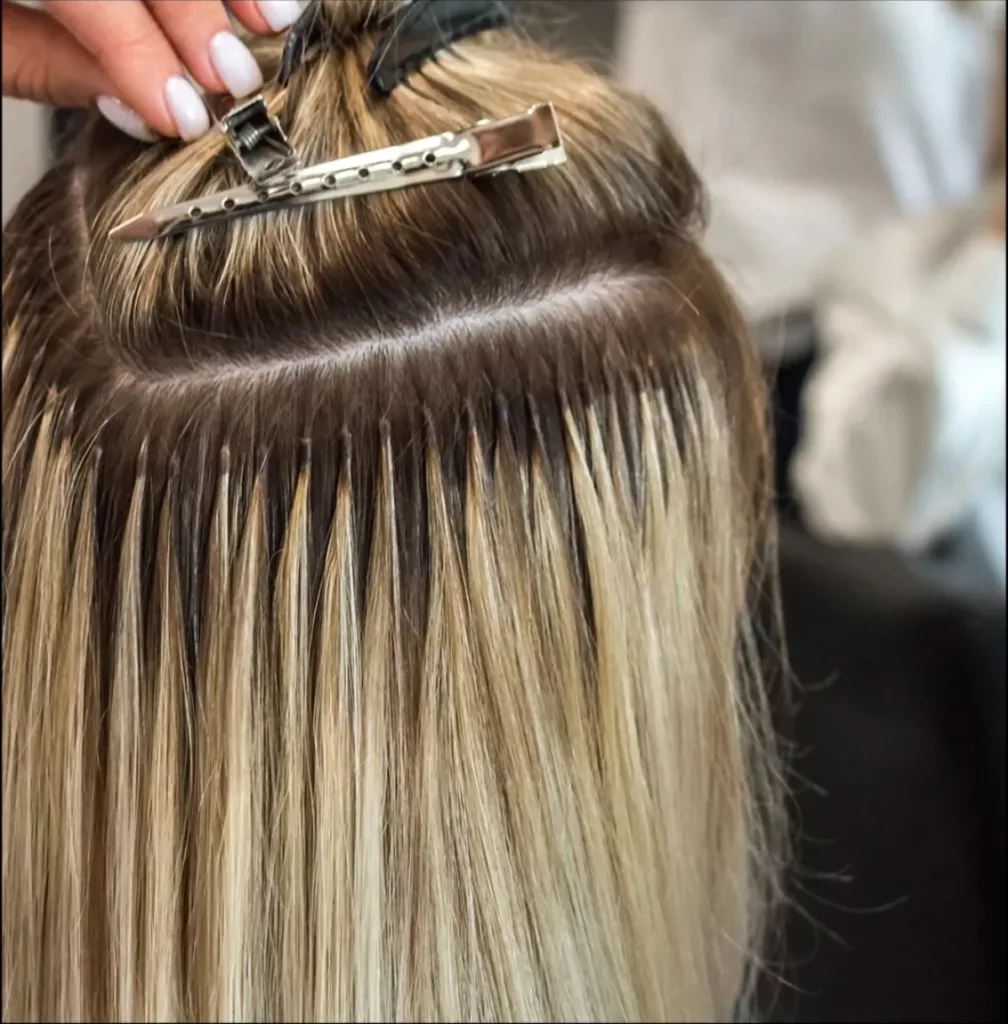
K tip washing is not difficult. The key is to protect the keratin bond area while still keeping the scalp clean. Most problems come from friction, product build-up, wet roots, or using heavy products too close to the bonds.
When Can You Wash Hair After K Tips?
Many clients want to wash their hair right after installation. But washing too soon can increase the risk of early slipping.
Most clients should wait 48 hours before washing hair after a fresh K tip installation. This gives the bond area time to settle and helps reduce early movement.
Why the First 48 Hours Matter
The bond area is new after installation. The natural hair is also adjusting to added weight. If the client washes too early, hot water, rough rubbing, and wet hair weight can put stress on the bonds.
| Situation | Best Practice |
|---|---|
| Normal routine | Wait 48 hours |
| Oily scalp | Wait 48 hours, then wash gently |
| Heavy sweating | Keep scalp as dry as possible |
| Swimming | Avoid during the first 48 hours |
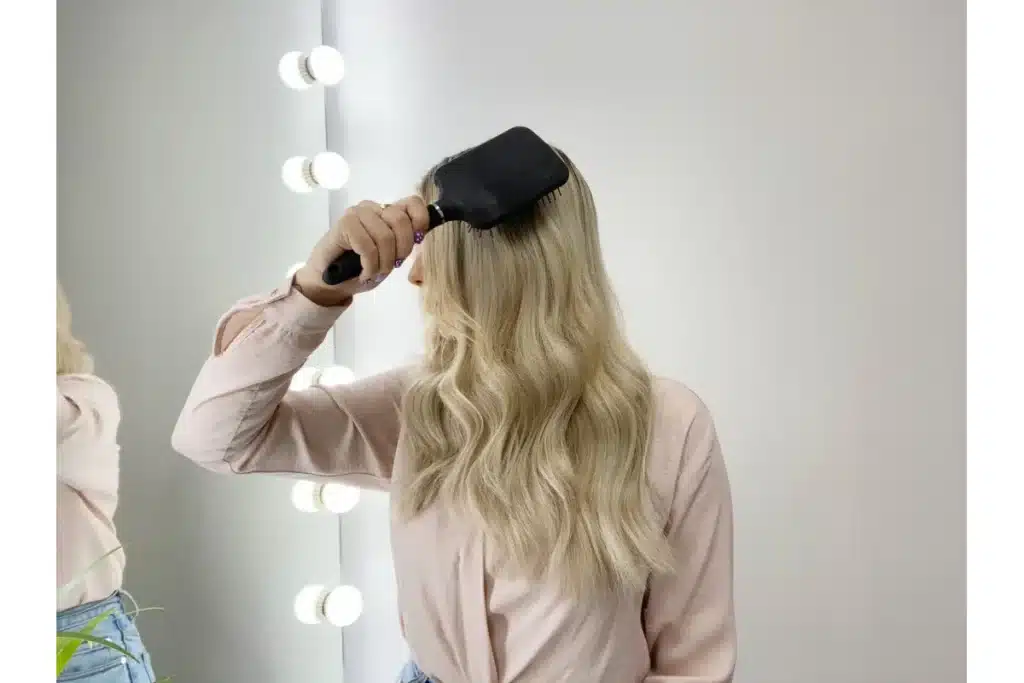
During this time, the client can brush gently, keep the hair loose or braided, and avoid heavy scalp products. A small amount of dry shampoo can help oily roots, but it should not build up around the bonds.
For more product background, you can also read our Keratin Hair Extensions page.
How Do You Wash K Tip Hair Extensions?
A safe wash routine is mostly about direction and product placement. The client should clean the scalp, not scrub the bonds.
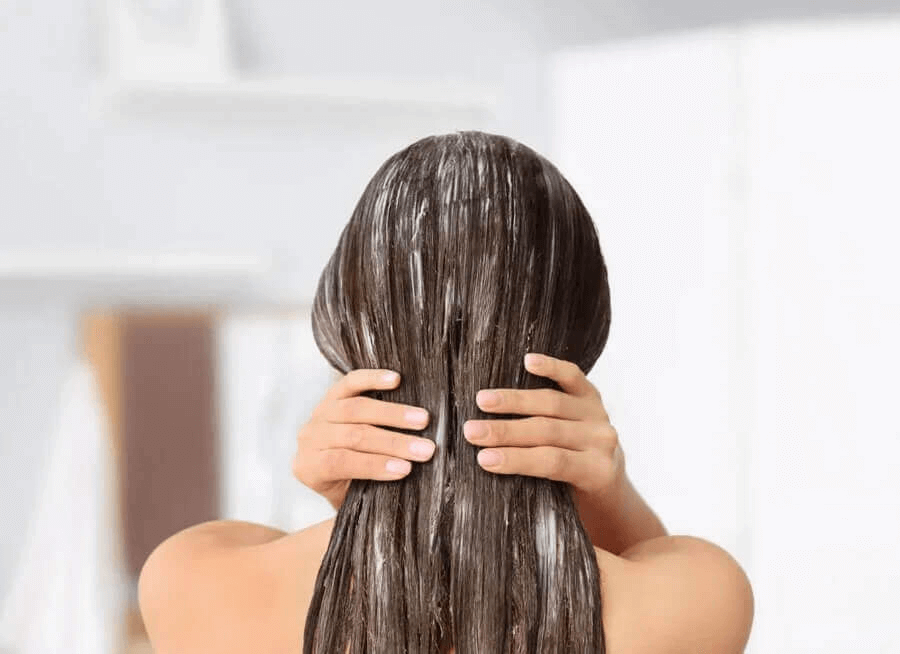
To wash K tip hair extensions, brush dry hair first, use warm water, shampoo the scalp gently, rinse fully, condition only the mid-length and ends, then squeeze water out without twisting the hair.
Simple Wash Routine
| Step | What to Do | Why It Matters |
|---|---|---|
| Brush first | Detangle dry hair before shower | Reduces matting near bonds |
| Use warm water | Avoid very hot water | Helps protect the keratin |
| Shampoo scalp | Use fingertips, not nails | Reduces friction |
| Rinse fully | Remove shampoo residue | Prevents build-up |
| Condition ends | Avoid roots and bonds | Helps reduce slipping |
| Squeeze dry | Do not twist the hair | Reduces pulling |
Clients should wash in a downward direction. They should avoid flipping the hair upside down if they tangle easily. Circular rubbing near the roots can twist natural hair and extension hair together.
From buyer feedback, many K tip complaints start after the first few washes. The hair may look good when new, but the real test is how it behaves after shampooing, brushing, drying, and styling.

Can You Let K Tips Air Dry?
Air drying sounds gentle, but it is not always best for K tips. The main problem is moisture sitting around the bonds for too long.
Clients can air dry the mid-length and ends, but the root and bond area should be dried first. Wet bonds can increase tangling, build-up, and scalp discomfort.
Safer Drying Method
| Area | Best Method |
|---|---|
| Root area | Blow dry with medium heat |
| Bond area | Dry fully before sleeping |
| Mid-length | Air dry if desired |
| Ends | Air dry or low heat |
Clients should use a soft towel or microfiber towel first. They should press and squeeze the hair, not rub it.
After towel drying, they should dry the roots and bonds with medium heat and steady airflow. The dryer should keep moving. The goal is not high heat. The goal is to remove moisture from the bond area.
Wet hair is heavier than dry hair. When the bond area stays damp, shed hair can wrap around the bonds more easily. If those small knots are ignored, they can become mats.
The American Academy of Dermatology recommends gentle hair care habits, including reducing rough handling and limiting heat damage [1]. For K tips, I would add one more practical rule: never sleep with damp bonds.
How Often Should You Wash K Tip Hair Extensions?
Wash frequency depends on scalp oil, lifestyle, product use, and climate. There is no perfect schedule for every client.
Most clients do well washing K tip hair extensions 2–3 times per week. Oily scalps may need more frequent washing. Dry scalps may need less washing. The bond area should stay clean, but the hair should not be overwash-dried.
Washing Frequency Guide
| Scalp Type | Suggested Frequency | Main Caution |
|---|---|---|
| Oily scalp | 3–5 times per week | Keep conditioner off bonds |
| Normal scalp | 2–3 times per week | Rinse and dry roots well |
| Dry scalp | 1–2 times per week | Avoid heavy oils near bonds |
| Active lifestyle | As needed | Dry bonds fully after washing |
Overwashing can make extension hair feel dry because extensions do not receive natural scalp oils like growing hair. Underwashing can also cause problems because oil, sweat, and product build-up collect near the bonds.
A salon client once told us that many of her K tip complaints were not from the bond itself. They came from clients applying masks and oils too close to the roots. After she added a simple aftercare card, sticky bonds and root tangles became less common.
Can You Use Conditioner or Hair Masks on K Tips?
Clients can use conditioner and masks, but placement matters more than the product name.
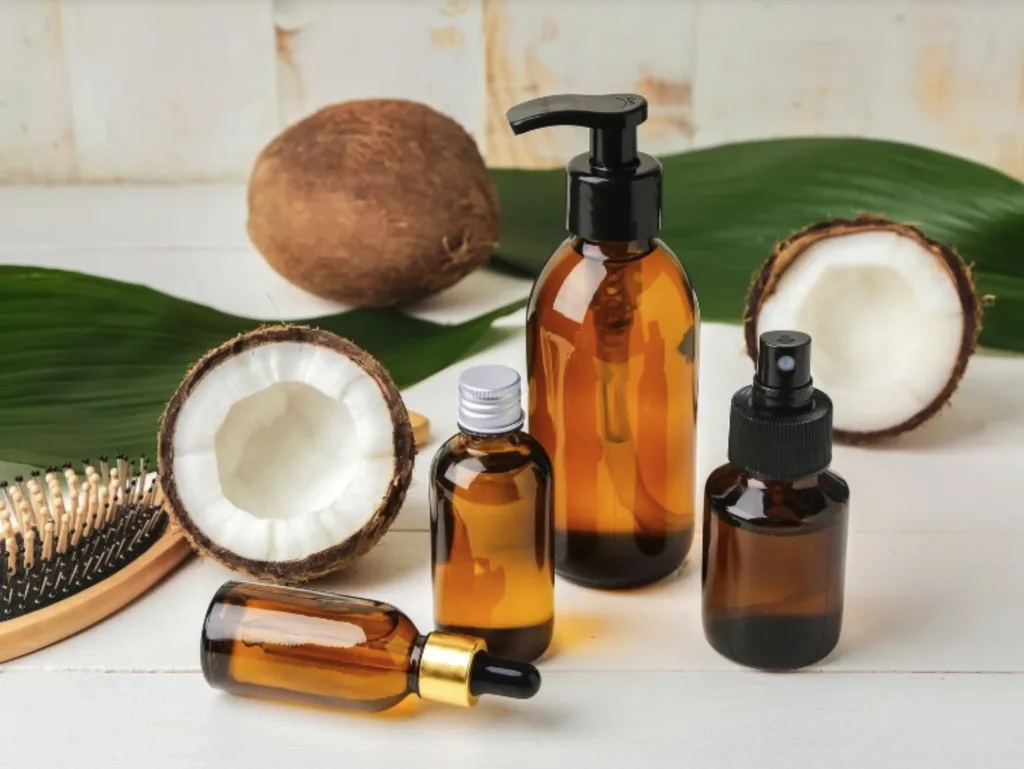
Conditioner and hair masks should be applied only from the mid-length to the ends. They should stay away from the keratin bonds because heavy moisture, oils, and creamy products can increase slipping and build-up.
Product Placement Guide
| Product | Safe Area | Avoid |
|---|---|---|
| Shampoo | Scalp | Rough rubbing on bonds |
| Conditioner | Mid-length to ends | Roots and bonds |
| Hair mask | Ends and dry lengths | Bond area |
| Oil | Ends only | Roots and bonds |
| Leave-in spray | Light use on lengths | Heavy root application |
Many clients think more product means softer hair. With K tips, that can create the opposite result. Too much product near the roots can make bonds feel sticky, greasy, or coated.
If the ends feel dry, a mask can help. The client should squeeze water out first, apply the mask only to the lower hair, leave it for a short time, and rinse very well.
My View
From a factory and export point of view, I do not judge K tip hair only by how smooth it feels before shipment. That first touch matters, but it is not enough.
The real quality shows after washing. Good K tip hair should still feel soft after shampooing. The bond should stay firm. The color should remain stable. The ends should not turn rough too quickly. The hair should not depend on heavy coating to look healthy.
One wholesale buyer once asked why her sample looked good, but her previous supplier’s bulk order became dry after two washes. This is exactly why I care about sample-to-bulk consistency. For salon and brand buyers, the second order and third order matter more than the first sample.
A good K tip product should protect both sides of the business. It should help stylists work more smoothly, and it should help clients feel confident after they wash the hair at home.
Product and Inquiry Support
If you are testing K tip hair extensions for a salon, training academy, hair brand, or wholesale business, Hibiscus Hair can support sample testing, custom colors, different lengths, strand weights, keratin tip shapes, and private label packaging.
You can start with a small sample order and test the hair after washing, brushing, blow drying, and heat styling. This is the safest way to judge whether the hair is suitable for your market.
You can view our related product page here:
For custom color, weight, length, or packaging needs, you can also contact us with your requirements.
FAQs
Can you wash K tip extensions every day?
You can, but daily washing may make the hair dry faster. If a client must wash daily, she should use gentle shampoo, keep conditioner away from bonds, and dry the bond area fully.
Can you brush K tips when wet?
Clients should be careful. Wet hair stretches and pulls more easily. It is better to detangle before washing, then brush gently after the hair is partly dry.
Why do K tip bonds feel sticky after washing?
Sticky bonds often come from conditioner, masks, oils, or shampoo residue near the bond area. The client should rinse longer and keep heavy products away from the roots.
Can you use oil on K tip extensions?
Yes, but only on the ends. Oil should not be applied near the keratin bonds because it can increase slipping and build-up.
Conclusion
K tip hair extensions wash well when clients wait 48 hours, clean the scalp gently, avoid conditioner on bonds, and dry the bond area fully.
References
[1] American Academy of Dermatology Association: How to Stop Damaging Your Hair ↩