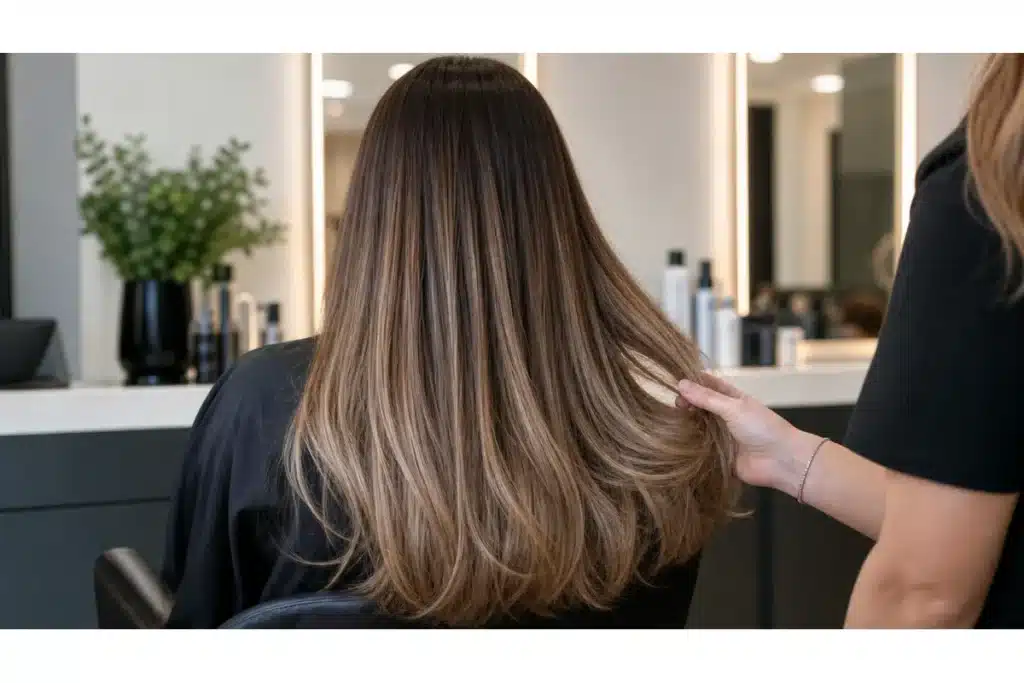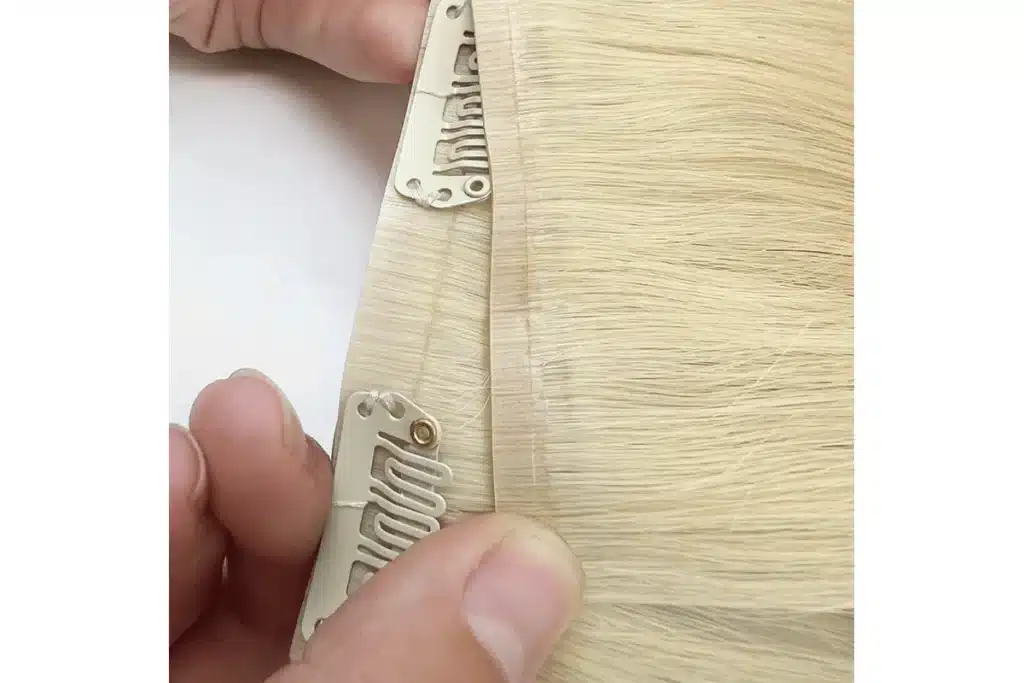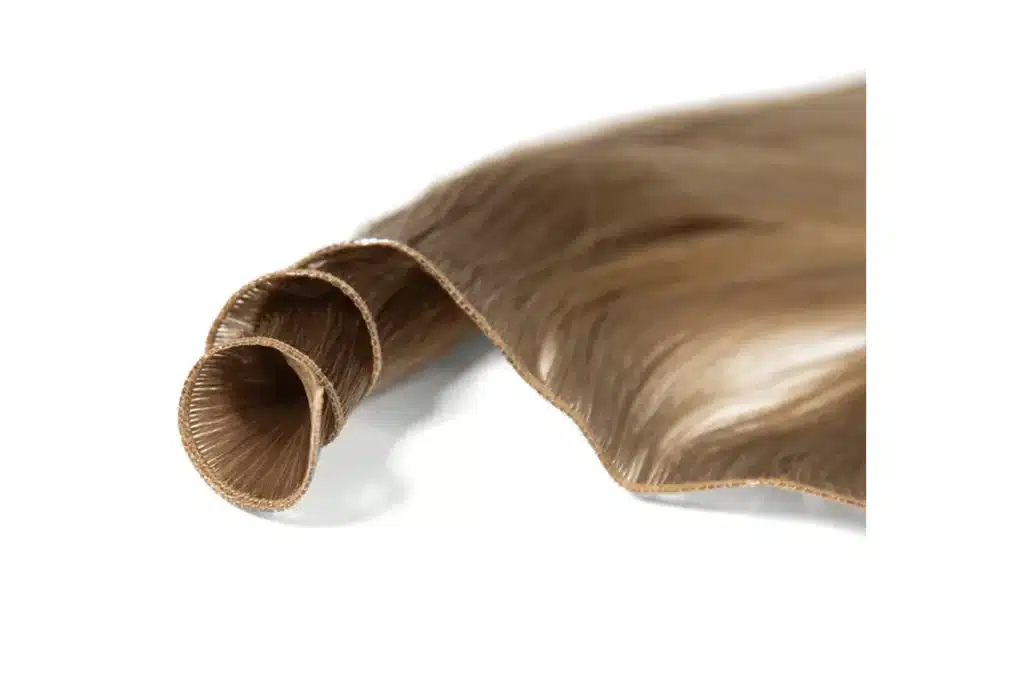
Have U heard people say a sew-in “lasts forever” and then see clients come back too soon with tangling or grow-out? That gap creates refunds, extra chair time, and stress for salons and brands.
Most sew-in installs need a move-up every 6–10 weeks. The hair itself can last from 2–3 months to 12+ months, based on hair grade, weft build, and daily care. The install life and the hair life are not the same thing.

Keep reading and U will see the two timelines clearly, plus the care rules that protect both the client’s natural hair and the extension investment.
What are sew in hair extensions?
Have U noticed how many people call any weft install a “sew-in,” even when the base is totally different? That confusion leads to wrong care and wrong lifespan expectations.
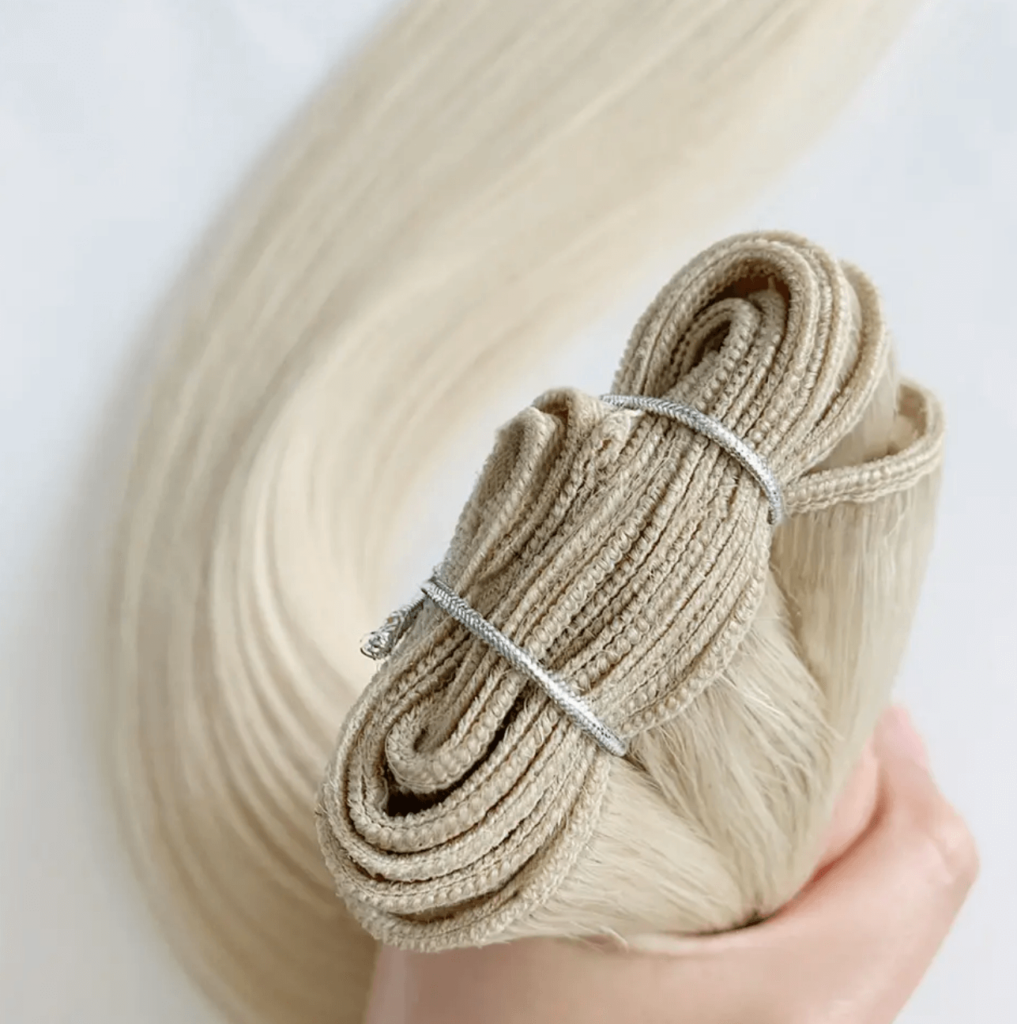
Sew in hair extensions are weft hair extensions attached to a base on the head, then secured by stitching with thread. The base can be a braid pattern, or it can be beads with a sewn weft. The goal is stable hold, good coverage, and a natural fall.
Dive deeper
A sew-in is not a single method. The term describes how the weft is attached: it is sewn. The base under it can change the experience a lot. A classic sew-in uses braids as the foundation. A beaded sew-in uses small rings or beads to form rows, then the weft is stitched onto those rows. Many salons use these variations because clients have different scalp sensitivity, hair density, and lifestyle.
This is why lifespan questions need two answers. First, the client asks how long the install stays neat and safe before it must be moved up. Second, the client asks how long the hair will still look worth wearing. The move-up timeline is mostly about new growth, tension, and cleanliness at the root. The hair timeline is mostly about cuticle quality, tangling control, and how the weft is handled during wash and dry.
A simple way to teach it is: the install is the “attachment schedule,” and the hair is the “asset.” A salon protects both by matching the base to the client, using clean sectioning, and setting a maintenance plan from day one.
| Sew-in type | Base under the weft | What it is best for | What it needs most |
|---|---|---|---|
| braided sew-in | cornrows/braid pattern | strong hold, full coverage | scalp access and drying discipline |
| beaded sew-in | beads + stitched weft | less braid tension, flexible | correct bead tension and move-ups |
Are sew-in extensions permanent?
Have U met a client who thinks “sew-in” means no maintenance for months? That belief often ends with matting at the root and a difficult removal.
No, sew-in extensions are not permanent. They are semi-permanent. They stay in for weeks, not forever, and they must be moved up or removed on schedule to protect the natural hair and scalp.
Dive deeper
“Permanent” is not a useful word in extensions. The natural hair grows every day. A sew-in is fixed in place. That means the attachment point slowly moves away from the scalp. When the grow-out gap gets too large, the base starts to loosen. The client feels more pulling during brushing. The hair can start to tangle closer to the root. This is also when clients try to “push it one more week,” which is usually when problems begin.
A safer way to describe sew-ins is “long-wear.” They are designed for clients who want weeks of wear without daily removal. That convenience still needs a schedule. A salon should set that schedule based on growth speed, density, scalp oil level, and lifestyle. Gym clients and swimmers often need earlier checkups. Fine hair clients may need earlier move-ups because the base can show sooner.
When salons sell sew-ins as “no damage,” the truth still depends on maintenance. Any method can be damaging if it stays too long, is too tight, or is not dried well. A good sew-in system is safe when tension is controlled, scalp stays clean, and the move-up is not delayed.
| Claim clients often hear | What is more accurate | Why it matters |
|---|---|---|
| “It is permanent” | “It is semi-permanent” | sets correct expectations |
| “It lasts months” | “It needs move-ups” | prevents matting and breakage |
| “No damage” | “Low risk with correct care” | protects trust and results |
How long do sew in hair extensions last?
Have U seen clients mix up two different timelines and then blame the hair when the real issue is grow-out? This topic becomes easy when U separate move-up time from hair lifespan.
A sew-in install usually needs a move-up every 6–10 weeks. The hair itself can last 2–3 months with basic care, 6–9 months with good care, and up to 12+ months when the hair is full cuticle and the routine is consistent.

Dive deeper
This section is the core, because it explains the two timelines clearly.
1) Move-up timing (attachment schedule)
The move-up timing is driven by hair growth and base stability. Most clients fit into 6–10 weeks. Some clients can go 5–6 weeks if they have fast growth, oily scalp, or fine hair. Some clients can reach 10 weeks if they have slow growth and strong density, but many salons still prefer not to push it.
Signs a move-up is due:
- more visible track or base
- more tangling near the root area
- the weft feels looser or shifts
- the client feels more pull during brushing
- the scalp feels itchy or product builds up
2) Hair lifespan (how long the weft hair stays worth wearing)
This is driven by hair grade and the daily routine. If the hair is processed heavily, it dries out faster. If the hair is full cuticle and aligned, it stays smooth longer. Care is the second lever. Heat abuse, rough brushing, and sleeping without protection shorten life fast.
A practical way to set expectations is to use ranges:
- 2–3 months: entry level hair or inconsistent home care
- 4–6 months: decent hair and average routine
- 6–9 months: strong hair and good routine
- 9–12+ months: full cuticle hair + careful drying + gentle products
3) A simple formula salons can use
Install life = growth + base tension + scalp care
Hair life = hair quality + moisture balance + handling
| Factor | Changes move-up time | Changes hair lifespan |
|---|---|---|
| growth speed | yes | no |
| scalp oil / sweat | yes | yes |
| base tension | yes | yes, if stress causes shedding |
| hair cuticle quality | no | yes |
| heat styling habits | no | yes |
| drying discipline | yes | yes |
What are the advantages of sew in hair extensions?
Have U had a client who wants fullness but hates adhesive or heat? This is where sew-ins often win, but only when the base fits the client.
Sew-ins can give strong hold, high coverage, and flexible styling. Many clients like the secure feel, and salons like the predictable maintenance cycle.

Dive deeper
Sew-ins have a long history in salons for a reason. The method is stable. The weft spreads weight across a track. That can feel more secure than tiny strand methods for some clients. Many clients also enjoy that the weft hair is easy to blend for volume looks.
Common advantages:
- strong daily security for active clients
- good coverage for medium to thick density
- flexible styling for ponytails and curls, based on placement
- easier to reuse weft hair compared to some methods, because the weft stays intact
- clear maintenance routine, which helps salons plan service income
Sew-ins also work well for clients who do not want chemicals at the root. There is no adhesive and no heat bond in a classic sew-in. That does not mean “risk free,” but it changes the risk profile. The main risks become tension, moisture, and grow-out timing.
For wholesale buyers and salon owners, sew-ins can also support repeat business. Move-ups create predictable return visits. If the hair quality is high, the client feels that the same hair still looks good after multiple move-ups. That improves trust and can increase retail add-ons.
| Advantage | Who benefits most | What makes it true |
|---|---|---|
| secure hold | active clients | correct base + tension control |
| strong volume | salons and clients | correct density planning |
| reusable weft asset | brands and salons | good hair grade + careful removal |
What are the disadvantages of sew in hair extensions?
Have U seen a sew-in look perfect, then turn into a heavy, itchy, or damp mess when the routine is wrong? The downsides are real, and they are often predictable.
Sew-ins can feel heavy on fine hair, can trap moisture if drying is not done well, and can tangle at the root if the move-up is delayed. Access to the scalp is also more limited than with some methods.
Dive deeper
The biggest disadvantages come from the structure. A weft covers the scalp surface. That can reduce airflow. If a client washes and then air-dries too long, the base stays damp. Dampness can lead to odor, irritation, and tangling. This is why drying discipline matters more for sew-ins than for some other methods.
Another issue is tension. A braid base that is too tight can cause discomfort. It can also stress the hairline if placement is aggressive. For fine hair clients, the weight of dense wefts can also feel too much. That is why density planning matters. A salon should choose lighter wefts and fewer rows for fine hair.
Root tangling is also common when clients push the install too long. The hair grows out and sheds naturally. Shed hair can get trapped in the base. That turns into matting if it is not detangled and moved up.
A realistic salon explanation is helpful:
- Sew-ins require a schedule.
- Sew-ins require complete drying.
- Sew-ins require gentle detangling at the root.
| Disadvantage | Why it happens | Best prevention |
|---|---|---|
| heaviness | too much hair on fine base | adjust density and row count |
| moisture trap | weft coverage blocks airflow | dry fully after washing |
| root matting | grow-out + trapped shed hair | keep move-up timing |
| scalp access limits | base covers scalp | use nozzle rinse + parting plan |
Can you wash your hair with a sew in?
Have U seen clients avoid washing because they fear loosening the sew-in? That usually creates more itch and more buildup.
Yes, U can wash hair with a sew-in. The main rule is thorough rinsing and complete drying at the base. A gentle shampoo routine and careful drying protect both scalp comfort and hair lifespan.

Dive deeper
Washing is safe when it is done with a plan. The scalp still needs cleaning. Product buildup makes tangling worse and can irritate skin. The issue is not washing. The issue is leaving moisture in the base.
A simple wash method:
- The client parts the hair into sections.
- The client applies shampoo to the scalp lines, not the weft hair first.
- The client massages with fingertips, not nails.
- The client rinses with good water pressure.
- The client repeats if there is heavy product use.
- The client applies conditioner to mid-lengths and ends only.
- The client rinses fully.
Drying method:
- The client blots with a towel, no rough rubbing.
- The client dries the base first, then the lengths.
- The client checks that the tracks feel dry, not cool and damp.
Common mistakes:
- conditioner near the base
- leaving hair in a wet bun
- air-drying overnight
- heavy oils on the root area
| Wash step | What to do | What to avoid |
|---|---|---|
| shampoo | focus on scalp lines | piling hair into a knot |
| conditioner | mid-lengths to ends | coating the base |
| drying | roots first, then lengths | sleeping with wet hair |
How do you sleep with sew-in hair?
Have U ever seen a sew-in last 10 weeks for one client, but only 6 weeks for another? Night routine is often the difference.
Sleeping with a sew-in works best when hair is secured, friction is reduced, and the base stays dry. A loose braid or low ponytail plus a satin bonnet or pillowcase can reduce tangling.
Dive deeper
Night friction causes tangles. Tangles lead to aggressive brushing. Aggressive brushing stresses the base and the natural hair. This is why sleep care extends lifespan.
A simple sleep routine:
- The client detangles gently before bed.
- The client uses a loose braid or two braids.
- The client uses a satin bonnet or satin pillowcase.
- The client avoids tight top knots that pull on tracks.
If the client sweats at night, drying is even more important. Moisture in the base plus friction creates faster matting. A salon can also advise clients to schedule a mid-cycle checkup if they work out often or wear hats daily.
What can you not do with sew-in extensions?
Have U seen clients treat sew-ins like their own hair and then wonder why the base loosens early? Certain habits shorten the wear fast.
With a sew-in, clients should avoid heavy oils at the base, frequent soaking without full drying, and high tension styles that pull on tracks. They should also avoid skipping move-ups.
Dive deeper
Most “cannot” rules are really “do not do this often” rules. A client can swim, but they should rinse and dry well. A client can style hair up, but they should avoid high tension daily.
Common limits:
- Do not keep hair wet for long periods.
- Do not apply oily serums to the base.
- Do not scratch the scalp with nails.
- Do not use extreme heat daily without protection.
- Do not pull the hair into tight ponytails over the same track area.
- Do not ignore signs of grow-out and tangling.
For salons, these rules can be presented as a short checklist at checkout. That reduces follow-up issues and saves time.

My opinion
The best lifespan talk separates move-up time from hair lifespan. When salons teach that early, clients stop comparing “weeks” with “months,” and the method earns more trust.
FAQ
How often should a sew-in be moved up?
Most clients do best at 6–10 weeks. Fine hair and oily scalp clients often need earlier service.
Can sew-in hair be reused?
Yes, many wefts can be reused if the hair quality is strong and removal is careful. Hair grade and daily routine control how long it still looks good.
Why does a sew-in start tangling at the root?
Tangling often comes from grow-out, trapped shed hair, and moisture left in the base. Move-ups and complete drying reduce this.
Can a client swim with a sew-in?
A client can swim, but they should rinse, cleanse when needed, and dry the base fully. Chlorine and salt also dry out hair lengths.
Is a sew-in good for thin hair?
Some thin hair clients do well with a lightweight plan. The salon should reduce density, reduce rows, and avoid heavy wefts.
Conclusion
Sew-ins usually need move-ups every 6–10 weeks. The hair can last months, and higher hair grade plus good care can push it close to a year.
Hibiscus Hair Manufacturer has been dedicated to producing high-quality hair extensions for 25 years and is a recognized leader in the industry. If you are interested in finding a reliable hair extensions supplier and wholesale for your brand, please visit our website for more information: